







114 लोग
हाल ही में देखे गए
पाइरापिल सिरप
पायरेसेटम (500mg/5ml)
 असली
असलीप्रामाणिकता सुनिश्चित
 डॉक्टर की पर्ची
ज़रूरी है
पाइरापिल सिरप का इस्तेमाल अल्जाइमर रोग में मेमोरी लॉस के इलाज में किया जाता है. इसका उपयोग उम्र से जुड़ी या किसी दुर्घटना के बाद होने वाली याददाश्त की कमी के इलाज में भी किया जा सकता है. यह तंत्रिका कोशिकाओं के बीच संचार में सुधार करता है और मस्तिष्क की सुरक्षा करता है.
लेखक डॉ. सुबिता अलघ, बीडीएस,
समीक्षक डॉ. मेखला चंद्रा, MD, MBBS,
लास्ट अपडेटेड on 09 अक्टूबर 2026 | 01:03 एएम (Ist)
लेखक डॉ. सुबिता अलघ, बीडीएस,
समीक्षक डॉ. मेखला चंद्रा, MD, MBBS,
लास्ट अपडेटेड on 09 अक्टूबर 2026 | 01:03 एएम (Ist)
₹320
एमआरपी₹347.81
8% की छूट
(लागू टैक्स सहित)
Get for
₹272

न्यूनतम शॉपिंग वैल्यू ₹1200
Use Code 1MGNEWPLUS
Get for
₹294

न्यूनतम शॉपिंग वैल्यू ₹300
Use Code 1MGNEW
1/2
वेलकम गिफ्ट | पहले ऑर्डर के लिए
15% EXTRA OFF


Get Extra 4% off + Free Delivery
at ₹165 (3 months)


Are you sure you want to remove Care Plan?

100 ml Syrup


भुगतान, रिटर्न और एक्सपायरी

कैश ऑन डिलीवरी उपलब्ध है
पहले अपना प्रोडक्ट प्राप्त करें, फिर अपने ऑर्डर से संतुष्ट होने के बाद ही भुगतान करें
7 दिन तक मुफ्त रिटर्न
अगर आपको प्रोडक्ट की ज़रूरत नहीं है, तो इसे आसानी से वापस करें

प्रोडक्ट की एक्सपायरी डेट जुलाई 2027 है
समाप्ति तिथि बैच के अनुसार अलग-अलग हो सकती है. सभी बैच में डिस्पैच की तिथि से 3-महीने की शेल्फ लाइफ होती है.

कीमत की जानकारी
MRP बैच के अनुसार अलग-अलग हो सकता है. पैकेजिंग, हैंडलिंग, शिपिंग या डिलीवरी शुल्क सहित कोई भी अतिरिक्त शुल्क खरीदने से पहले स्पष्ट रूप से प्रकट किया जाएगा.
अतिरिक्त ऑफ़र के साथ अधिक बचत करें

Mobikwik UPI (@ikwik) के साथ न्यूनतम ₹.599/- के ट्रांज़ैक्शन पर ₹.150 तक का कैशबैक पाएं.
Mobikwik UPI (@ikwik) के साथ न्यूनतम ₹.599/- के ट्रांज़ैक्शन पर ₹.150 तक का कैशबैक पाएं.


₹499 और उससे अधिक की न्यूनतम ऑर्डर वैल्यू (MOV) पर ₹75 तक का कैशबैक पाएं, प्रति कस्टमर एक बार मान्य.
₹499 और उससे अधिक की न्यूनतम ऑर्डर वैल्यू (MOV) पर ₹75 तक का कैशबैक पाएं, प्रति कस्टमर एक बार मान्य.
₹499 और उससे अधिक की न्यूनतम ऑर्डर वैल्यू (MOV) पर ₹75 तक का कैशबैक पाएं, प्रति कस्टमर एक बार मान्य.
₹499 और उससे अधिक की न्यूनतम ऑर्डर वैल्यू (MOV) पर ₹75 तक का कैशबैक पाएं, प्रति कस्टमर एक बार मान्य.
Mobikwik UPI (@ikwik) के साथ न्यूनतम ₹.599/- के ट्रांज़ैक्शन पर ₹.150 तक का कैशबैक पाएं.
Mobikwik UPI (@ikwik) के साथ न्यूनतम ₹.599/- के ट्रांज़ैक्शन पर ₹.150 तक का कैशबैक पाएं.
₹499 और उससे अधिक की न्यूनतम ऑर्डर वैल्यू (MOV) पर ₹75 तक का कैशबैक पाएं, प्रति कस्टमर एक बार मान्य.
₹499 और उससे अधिक की न्यूनतम ऑर्डर वैल्यू (MOV) पर ₹75 तक का कैशबैक पाएं, प्रति कस्टमर एक बार मान्य.
₹499 और उससे अधिक की न्यूनतम ऑर्डर वैल्यू (MOV) पर ₹75 तक का कैशबैक पाएं, प्रति कस्टमर एक बार मान्य.
₹499 और उससे अधिक की न्यूनतम ऑर्डर वैल्यू (MOV) पर ₹75 तक का कैशबैक पाएं, प्रति कस्टमर एक बार मान्य.

₹300 तक का सुनिश्चित कैशबैक. शर्तें लागू*
₹300 तक का सुनिश्चित कैशबैक. शर्तें लागू*
सामान्य जानकारी
शामिल है
पायरेसेटम (500mg/5ml)
मार्केटर
Gladstone Pharma India Pvt Ltd
स्टोरेज के निर्देश
30°c से कम तापमान पर स्टोर करें
अपनी भाषा चुनें हिंदी




All substitutes for Pirapil Syrup
For information purposes only. Consult a doctor before taking any medicine.
Neurocetam Syrup
by Micro Labs Ltd
₹419/syrup
20% costlier
Nootropil Syrup
by Dr Reddy's Laboratories Ltd
₹463.28/syrup
33% costlier
NeuroFIT Syrup
by Shine Pharmaceuticals Ltd
₹522.3/syrup
50% costlier
Normabrain Syrup
by Torrent Pharmaceuticals Ltd
₹498.18/syrup
43% costlier
Cerecetam Syrup
by Intas Pharmaceuticals Ltd
₹356.5/syrup
2% costlier
सुरक्षा संबंधी सलाह

अल्कोहल
डॉक्टर की सलाह लें
इसकी जानकारी नहीं है कि पाइरापिल सिरप के साथ एल्कोहल का सेवन करना सुरक्षित है या नहीं. कृपया अपने डॉक्टर से सलाह लें.

गर्भावस्था
डॉक्टर की सलाह लें
गर्भावस्था के दौरान पाइरापिल सिरप लेने की सलाह नहीं दी जाती , क्योंकि जानवरों पर किए गए अध्ययनों में यह गर्भ में पल रहे बच्चे के लिए नुकसानदायक पाया गया है. हालांकि, कुछ गंभीर स्थितियों में डॉक्टर इसे तब दे सकते हैं जब इसके फायदे संभावित जोखिमों से ज्यादा हों.

स्तनपान
डॉक्टर की सलाह लें
स्तनपान के दौरान पाइरापिल सिरप का इस्तेमाल करना असुरक्षित हो सकता है. मानवो पर किए गए अध्ययनों से पता चलता है कि इस दवा का असर मां के दूध में आ सकता है, जिससे बच्चे को नुकसान पहुंच सकता है. इसे तभी इस्तेमाल करना चाहिए जब इसका फायदा संभावित जोखिम से ज्यादा हो. कृपया अपने डॉक्टर से सलाह लें.

ड्राइविंग
असुरक्षित
पाइरापिल सिरप लेने से कुछ लोगों में ड्राइविंग की क्षमता प्रभावित हो सकती है.
किडनी
सावधानी बरतें
किडनी की गंभीर बीमारियों से पीड़ित मरीजों में पाइरापिल सिरप का इस्तेमाल सावधानी के साथ किया जाना चाहिए. खुराक बदलने की ज़रूरत पड़ सकती है.

लिवर
डॉक्टर की सलाह पर सुरक्षित
लिवर की बीमारी वाले मरीजों के लिए पाइरापिल सिरप का इस्तेमाल संभवतः सुरक्षित है. अभी जो जानकारी उपलब्ध है उसके अनुसार दवा की खुराक बदलने की जरूरत नहीं लगती.
संबंधित लैब टेस्ट

Related products
Products related to Pirapil Syrup


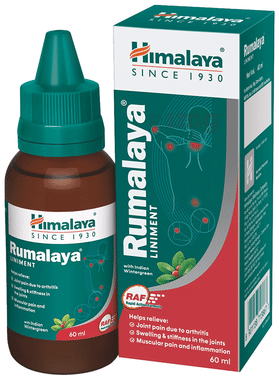
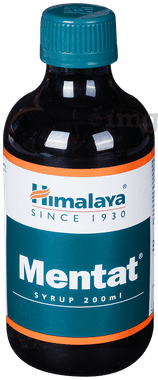
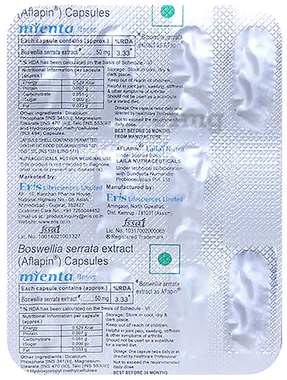
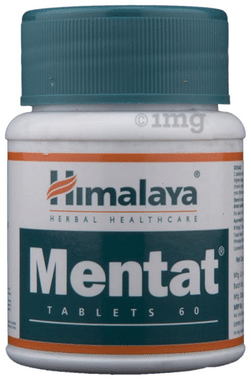
संबंधित आयुर्वेदिक सामग्रियां



100% असली प्रोडक्ट

सुरक्षित भुगतान

संपर्क रहित डिलीवरी
पूरी तरह से सैनिटाइज्ड सुविधाएं

और अधिक जानना चाहते हैं
हम आपको प्रमाणिक, भरोसेमंद और प्रासंगिक जानकारी प्रदान करते हैं
क्या आपको यहां दी गई जानकारी से कोई समस्या है?
हमें डॉक्टर के पर्चे की आवश्यकता क्यों है?

