Creatinine is filtered from the blood by the kidneys and eliminated in urine, making this test essential for evaluating how well your kidneys are working.
The Serum Creatinine test is usually done when you are experiencing symptoms of kidney dysfunction, such as:
- Changes in urination patterns
- Swelling of the feet and ankles
- Loss of appetite
- Frequent tiredness
The doctor may suggest this test if an individual is at risk of developing any form of kidney disorder due to:
- Diabetes
- Obesity
- High blood pressure
- Heart disorders
- Family history of kidney disease
Also, this test helps monitor treatment response in individuals with kidney disease and assess whether certain medications affect the kidneys. Additionally, measuring creatinine levels before surgery or medical procedures such as contrast imaging, anesthesia, or the use of certain medications helps assess baseline kidney health.
No special preparation is required for this test. Eat and drink normally. However, inform your doctor about all the medications you are currently taking, as they may affect the test results and therefore require dosage adjustments or temporary discontinuation before the test.
Test result ranges may vary across the laboratories depending on the methodology and laboratory guidelines. Do not self-medicate. Always consult your doctor to understand your test results correctly.
What Are the Symptoms or Conditions That May Require the Serum Creatinine Test?
You may need the Serum Creatinine test if:
- You experience symptoms such as swelling in the legs, ankles, or around the eyes; reduced or dark-colored urine; unexplained fatigue or generalized weakness; or nausea, vomiting, or loss of appetite.
- You are at increased risk due to conditions such as diabetes, obesity, high blood pressure, heart disorders, or a family history of kidney disease.
- You need to monitor kidney function during certain treatments, before surgeries, or before procedures.
- You are on medications that may affect kidney function, such as non-steroidal anti-inflammatory medications (NSAIDs) or chemotherapy agents.
When Would I Need the Serum Creatinine Test?
You may need the Serum Creatinine test:
- To evaluate kidney function and detect any disease or disorder of the kidneys.
- If you have risk factors like obesity, diabetes, high blood pressure, or a family history of kidney disease.
- To monitor the treatment response of kidney disease.
- To evaluate baseline kidney function before surgeries or medical procedures.
- If you are on medications that can affect kidney function.
- If you need routine monitoring for existing kidney conditions.
How Do I Prepare for the Serum Creatinine Test?
Do I need to fast or stop any medications before the Serum Creatinine test?
No, fasting is not needed before the Serum Creatinine test. You can eat and drink as usual. Just make sure to tell your doctor about any medicines or supplements you take, as some of them might affect the test results. Your doctor will let you know if any changes are needed before the test.
How is the Serum Creatinine test done?
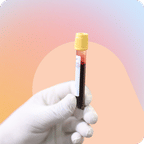
- The Serum Creatinine test is done by collecting a small amount of blood from a vein, usually in the arm.
- The procedure is quick, minimally invasive, and generally causes only slight discomfort.
What happens before the Serum Creatinine test?
- Fasting is not required for this test.
- Kindly provide complete clinical details and medication history or a doctor's prescription. This information is important for the correlation of your test results.
- Take your medicines as usual. Inform your doctor about any special treatments or supplements.
- Let your doctor know if you are sick or have had recent blood loss, as this can affect results.
- Bring a list of your current medications, supplements, and any recent health history.
What happens during the Serum Creatinine test?
- You will be seated comfortably with your arm supported on a flat surface or armrest.
- A tourniquet (elastic band) is tied around your upper arm to make the veins more visible and easier to locate.
- The phlebotomist identifies a suitable vein for blood collection.
- The puncture site is then cleaned thoroughly with an alcohol swab to reduce the risk of infection.
- A thin, sterile needle is gently inserted into the vein, and a small amount of blood is collected into a test tube.
What happens after the Serum Creatinine test?
- Once enough blood has been collected, the tourniquet is released, and the needle is removed.
- A cotton ball or gauze is placed on the site, followed by a small bandage or dressing to stop any bleeding.
- The blood sample is carefully labeled with your details and sent to the laboratory for analysis.
- You can resume your daily routine after the test is done.
Is the Serum Creatinine test painful?
No, the test is generally simple and safe. However, you may feel slight discomfort during blood sample collection, but the chances of serious complications are extremely rare.
How Long Does the Serum Creatinine Test Take?
The procedure is quick, simple, and safe. It requires only a small blood sample and is completed within a short duration.
When Will I Get the Results?
The availability of your test report may vary depending on your location and the laboratory where the test is conducted. In general, Tata 1mg provides the results within the stipulated time after sample collection.
When Should I Consult a Doctor After the Test?
- Your Serum Creatinine levels are not within the normal range.
- You notice swelling in your legs, ankles, or around your eyes.
- Your urine output decreases, or the color of your urine changes.
- You feel tired, weak, or unusually exhausted without a clear reason.
- You have any new or worrying symptoms that could be related to kidney problems.
Are There Any Risks Associated with the Serum Creatinine Test?
The Serum Creatinine test is safe, with only minimal and short-lasting effects like:
- Small bruise, pinch, or slight tenderness at the puncture site
- Occasional lightheadedness if you are sensitive to needles or blood
- Rarely, infection or blood vessel injury
If you have a bleeding disorder or take blood thinners, inform the phlebotomist beforehand.
What Do the Results Mean?
Pathological Factors
|
Test Parameter
|
Interpretation (possible causes)
|
|
Low Creatinine
|
Myasthenia gravis, muscular dystrophy, certain medications (e.g., cimetidine, trimethoprim)
|
|
High Creatinine
|
Blockage in the urinary tract, pre- and postrenal azotemia, impaired kidney function, loss of body fluid (dehydration), and diseases such as gigantism and acromegaly.
|
Physiological Factors
🧒 Age: Creatinine levels may decrease with age (due to the reduction in muscle mass with increasing age).
🫄 Pregnancy: Slightly lower levels can be seen due to physiological changes in kidney function during pregnancy.
Lifestyle Factors
🥗 Diet: High protein intake may transiently increase creatinine.
🏋️ Exercise: Intense physical activity can temporarily elevate creatinine levels.
💊 Medications: Some medicines, such as NSAIDs, antibiotics, or certain blood pressure medications, may influence kidney function and creatinine levels.
Disclaimer: This information is for educational purposes only and should not replace professional medical advice, diagnosis, or treatment. Always consult your healthcare provider for personalized guidance.
What Do Normal Serum Creatinine Levels Mean?
Normal Serum Creatinine levels may indicate that the kidneys are functioning properly and effectively filtering waste products from the blood.
What Do High Levels of Serum Creatinine Indicate?
High Serum Creatinine may indicate impaired kidney function, dehydration, urinary tract obstruction, or other conditions affecting renal health.
What to Do if Your Serum Creatinine Is Higher Than Normal?
If your creatinine level is higher than normal, consult your doctor for proper guidance. They may recommend additional tests, lifestyle adjustments, medication review, or referral to a nephrologist.
What Do Low Levels of Serum Creatinine Indicate?
Low levels are uncommon but may indicate low muscle mass, malnutrition, or liver disease. Always discuss results with your healthcare provider.
Can Serum Creatinine Results Be Inaccurate?
Yes, Serum Creatinine results can sometimes be inaccurate. Factors such as severe muscle loss, certain medications or supplements, and variations or errors in laboratory test methodologies can affect the accuracy of the results.
What Factors Can Affect Serum Creatinine Results?
Though a reliable test, several factors can influence accuracy:
- Muscle mass, age, sex
- Diet, hydration status
- Medications affecting kidney function
- Severe illness or trauma
- Hyperbilirubinemia
What Follow-Up Tests May Be Required?
Depending on your Serum Creatinine results, your doctor may recommend additional tests to get a clearer picture of kidney health. These can include urine tests, such as urine protein or microalbumin or cystatin C, to detect early kidney damage; an eGFR calculation to estimate kidney filtration efficiency; kidney imaging, like an ultrasound, to check for structural abnormalities; and electrolyte or kidney function panels to assess overall kidney performance and detect any imbalances. Fasting is not recommended for this test, you can eat and drink as per your daily routine.
Table: Tests Commonly Ordered Alongside the Serum Creatinine test
|
Test Name
|
Primary Purpose
|
|
Blood Urea Nitrogen (BUN)
|
Evaluates kidney function along with creatinine
|
|
Urine R/M (Urine Routine & Microscopy)
|
Detects protein, blood, or infection in urine
|
|
Creatinine with eGFR (18 Years & Above):
|
Assesses creatinine levels and kidney filtration efficiency
|
|
KFT with Electrolytes (Kidney Function Test with Electrolytes)
|
Evaluates kidney function and electrolyte balance
|
How Does the Serum Creatinine Test Differ from Other Kidney Tests?
The Serum Creatinine test evaluates kidney filtration and indicates how efficiently the kidneys remove creatinine from the blood. Other kidney-related tests include:
- Blood Urea Nitrogen (BUN): Gives an idea of how well your kidneys are working. The levels can change with your diet or water intake.
- Uric Acid, Serum: Checks the amount of uric acid in your blood. High levels may mean kidney or metabolism problems.
- KFT with Electrolytes (Kidney Function Test with Electrolytes): Measures important minerals like sodium, potassium, and chloride to check your body’s mineral balance, along with evaluation of kidney function.
- BUN/Creatinine Ratio: Helps doctors find out if you have kidney issues or dehydration.
- Creatinine with eGFR (18 Years & Above): Measures the amount of creatinine and kidney function based on creatinine level, age, and sex.
While these tests complement each other, Serum Creatinine specifically reflects kidney filtration efficiency, making it a key indicator of renal health.
Lifestyle Tips to Keep Your Creatinine Levels in a Healthy Range:
🥤Hydration: Keep it up to help your kidneys flush out toxins and regulate creatinine levels.
🥙Eat (Diet): Eat fruits, vegetables, lean protein, and a low-sodium diet to support kidney health.
🚴♀️Activity (Exercise): Practice physical activities like walking, swimming, or yoga to improve kidney health.
😴 Lifestyle (Stress): Practice yoga, meditation, or deep breathing to manage stress.
👨⚕️Talk to Your Doctor (Consult): Do not self-medicate. Always consult your healthcare provider before taking any new medications or supplements or making significant lifestyle changes.
🍺Habits (Alcohol & Smoking): These habits can negatively impact kidney health and elevate creatinine levels.
Note: The lifestyle tips shared here serve as an adjunct to the ongoing treatment. These tips in no manner are intended to replace professional medical advice or treatment. If you have medical concerns, ongoing symptoms, or underlying conditions, please consult a doctor before making changes to your health routine.

































 YES (20)
 NO (5)