How can we help?
Thyroglobulin

Thyroglobulin

Also referred as
Thyroglobulin tumor marker
Serum thyroglobulin test
Tg blood test
200+ booked recently
For men & women
Earliest reports in
72 hours
Contains
1 test
Know more about this test

The Thyroglobulin test is a blood test that measures the level of thyroglobulin, a protein produced only by the thyroid gland. This test is primarily used as a tumor marker for people treated for thyroid cancer. It helps monitor for cancer recurrence and assess the effectiveness of treatment.

Samples required
Blood

Find out
Why is this test booked?

Preparations
No special preparation is required.

Sample Collection
Who will collect your samples?

Understanding Thyroglobulin

Thyroglobulin is a protein made by the thyroid gland, which is found at the base of the neck. It helps the thyroid produce important hormones that control metabolism. Normally, only a small amount of thyroglobulin is found in the blood. However, in some health conditions like thyroid cancer or thyroid inflammation, the levels can rise. The Thyroglobulin test serves as a valuable tool in post-surgical and cancer management, aiding in the assessment of treatment effectiveness.

Doctors usually recommend the thyroglobulin test for individuals who have had complete or partial removal of the thyroid gland, as it helps monitor any remaining thyroid tissue. It is also done in people who have had thyroid cancer or are receiving radioactive iodine treatment to check how well the treatment is working. Additionally, it plays a key role in monitoring for the return or persistence of thyroid cancer after treatment. The test may also be helpful for individuals with autoimmune thyroid diseases, such as Hashimoto's thyroiditis, to aid in ongoing management and assessment.

It is important to note that some individuals develop antibodies against thyroglobulin (known as thyroglobulin antibodies or TgAb), which can interfere with the accuracy of the test. If these antibodies are present, additional or alternative testing may be necessary to monitor thyroid cancer effectively.

No special preparation is required for this test. However, it is important to inform doctors about any medications, supplements, or prior thyroid procedures that may affect results. Test result ranges are approximate and may differ slightly between labs. The normal range of thyroglobulin levels may vary depending on factors such as age and gender, but generally, higher than normal levels may indicate residual or recurrent thyroid cancer. Abnormal results do not necessarily mean cancer is present, so it is important to discuss results with a doctor for proper interpretation and guidance.

See more

What does Thyroglobulin measure?

The Thyroglobulin test measures the level of thyroglobulin, a protein that serves as a precursor in the production of the thyroid hormones thyroxine (T4) and triiodothyronine (T3). This protein is produced only by the thyroid gland and by thyroid cancer cells if they are present.

After the thyroid gland has been surgically removed or ablated with radioactive iodine, thyroglobulin levels should ideally be very low or undetectable. Any detectable or rising levels of thyroglobulin in this context may indicate a recurrence of thyroid cancer or the presence of residual thyroid tissue.

A positive thyroglobulin test result, indicating high or increasing levels, suggests that thyroid cancer cells may still be present or have recurred, prompting further testing and potentially additional treatment. This test plays a crucial role in the long-term monitoring and management of patients treated for thyroid cancer.

FAQs related to Thyroglobulin

The Thyroglobulin test is a blood test that measures the level of thyroglobulin, a protein made by the thyroid gland. It is mostly used to monitor thyroid cancer after treatment.
You may need this test if you have had thyroid cancer or surgery to remove your thyroid. It helps your doctor check if any thyroid tissue or cancer is still present or has come back.
No, the Thyroglobulin test is not used to diagnose thyroid cancer. It is mainly used after treatment to check for recurrence or leftover thyroid tissue.
A high thyroglobulin level after thyroid removal may mean that some thyroid tissue or cancer is still in the body. Your doctor will look at the results along with other tests and your medical history.
No, fasting is not required for the Thyroglobulin test. You can eat and drink as usual unless your doctor tells you otherwise.
No, it is just a simple blood test. You might feel a small pinch when the needle is inserted, but it is quick and usually not very painful.
Thyroglobulin is a protein made by normal thyroid cells and most thyroid cancer cells. After thyroid cancer treatment (like surgery or radioactive iodine), thyroglobulin levels in the blood should be very low or undetectable. If levels go up, it could mean that some cancer cells are still present or have returned.
The test helps doctors check if all thyroid tissue or cancer has been removed. It also helps detect if the cancer has come back, even before symptoms appear.
The frequency of this test depends on your individual circumstances, particularly if you have had thyroid cancer. Your doctor will guide you on how often this test should be done.
A very low or undetectable level is usually a good sign, especially if the thyroid has been fully removed. However, what is considered “normal” depends on your treatment history and whether you have thyroglobulin antibodies.
Rising thyroglobulin levels may suggest that thyroid cancer has come back or is still present. Your doctor may order scans or more tests to find out what is going on and decide the next steps.
Thyroglobulin levels usually show if there is thyroid tissue or cancer in the body. You cannot lower the levels on your own, but following your doctor's advice is the best way to manage them. This may include taking medicine, having radiation treatment, or surgery if needed.
The Thyroglobulin test is mainly used to monitor and manage thyroid cancer, especially papillary and follicular types. It can also give helpful information about other thyroid problems when used with other tests.
Other tests that may be ordered alongside the Thyroglobulin test include: thyroid stimulating hormone (TSH), thyroid ultrasound, radioactive iodine scan, etc.
Tata 1mg ensures accurate lab test results through certified laboratories. Tata Mg uses advanced technology and adheres to stringent quality control measures. This commitment to high standards guarantees reliable results.

Thyroglobulin test price for other cities

Price inBangaloreRs. 1889
Price inHyderabadRs. 1810
Price inMumbaiRs. 1599
Price inKolkataRs. 1709
Price inNew DelhiRs. 1709

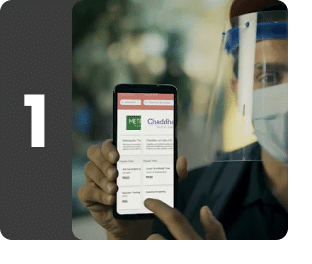
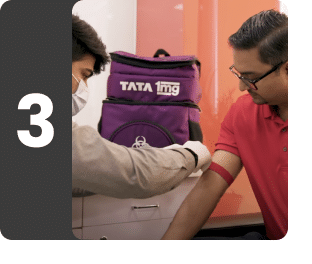
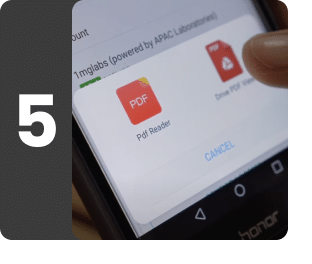
How does home sample collection work?

Download the Tata 1mg app. Trusted healthcare, at your fingertips.

Book tests, track reports, and get AI-powered health insights.

or
Conducted by
Tata 1mg Labs
Accredited labs
Highly skilled Phlebos
Verified reports
Who will collect your samples?
Tata 1mg certified phlebotomists
Contains 1 test
Thyroglobulin