







Lactate Dehydrogenase, Serum
Also referred as
Lactic Dehydrogenase
Lactic Acid Dehydrogenase

2,819+ booked recently

For men & women
Earliest reports in

12 hours

Contains

1 test
Test price:
₹229
43% off
Upto 15% extra discount with coupon
Min. order value: ₹5000 | Coupon: 1MGNEWG


More offers available

Know more about this test

The Lactate Dehydrogenase, Serum test measures the amount of lactate dehydrogenase (LDH) enzyme in the blood. This enzyme is found in nearly all of the body’s cells, with the highest levels in the cells of the heart, liver, muscles, red blood cells and kidneys. It is released in the bloodstream as a result of tissue damage following an injury. This test can help detect a variety of conditions, including heart disease, liver disease, muscle injury, and certain types of cancer.


Samples required
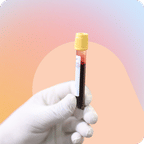
Blood

Find out
Why is this test booked?

Preparations
No special preparation is required.

Sample Collection
Who will collect your samples?
Conducted by

Tata 1mg Labs


Accredited
labs
Highly skilled
Phlebos
Verified
reports
Who will collect your samples?
Tata 1mg certified phlebotomists
Packages containing Lactate Dehydrogenase, Serum

Post COVID Health Checkup
Contains 46 testsGet reports within 18-24 hrs
₹1799

Covid Home Care Extended Package
Contains 32 testsGet reports within 18-24 hrs
₹2500

Cancer Marker Profile - Female
Contains 29 testsGet reports within 48-72 hrs
₹3619

Pre Chemotherapy Package
Contains 48 testsGet reports within 18-24 hrs
₹3450
Frequently booked together







Test Information is reviewed by: Dr. Swati Gupta (Anand), MD Lab Medicine, MBBS and written by Dr. Lipika Khurana, BDS, PGDHHM . The test details are for information purpose only. Consult a doctor before taking any test. Last updated on: 17th Oct 2026
Did you find information useful ?
 YES (2)
 NO
NO 
Book a Lactate Dehydrogenase, Serum test at home near me

Easy online booking
Search for tests and packages, book your preferred time slot and enter your address for seamless at-home lab tests.

Live tracking of phlebotomist
Track our trained phlebotomist's real time location for seamless sample collection.

Safe Sample Collection
Our phlebotomists follow strict safety protocols to collect samples safely at home and on time.
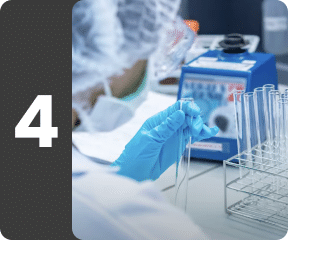
Sample received at lab
Samples are transported securely to our accredited labs with world-class machines for testing by qualified experts.

Quick, Doctor-Verified Reports
Get doctor-approved reports via email and WhatsApp, with options for doctor follow-ups and AI insights.



References
- Lactate Dehydrogenase (Blood) [Internet]. Rochester, NY: University of Rochester Medical Center; [Accessed 21 May. 2024]. Available from:

- Lactate dehydrogenase (LDH) test [Internet]. NHS; 28 Mar. 2022 [Accessed 21 May 2024]. Available from:
- Farhana A, Lappin SL. Biochemistry, Lactate Dehydrogenase. [Updated 2023 May 1]. In: StatPearls [Internet]. Treasure Island (FL): StatPearls Publishing; 2024 Jan-. Available from:
- Kim J, Kim YW, Kim TY. Diagnostic Value of Serum Lactate Dehydrogenase Level Measured in the Emergency Department in Predicting Clinical Outcome in Out-of-Hospital Cardiac Arrest: A Multicenter, Observational Study. J Clin Med. 2023 Apr 20;12(8):3006. [Accessed 21 May. 2024]. Available from:
- Lin L, Gao R, Chen L, Wu Z, Wei X, Xie Y. Relationship between serum lactate dehydrogenase and mortality after cardiac arrest: A retrospective cohort study. Medicine (Baltimore). 2022 Nov 11;101(45):e31499. [Accessed 21 May. 2024]. Available from:
- Nand N, Sharma M, Saini DS. Evaluation of lactic dehydrogenase in cases of meningitis. Indian J Med Sci. 1993 Apr;47(4):96-100. PMID: 8354546. [Accessed 21 May. 2024]. Available from:
- Feng Y, Xiong Y, Qiao T, Li X, Jia L, Han Y. Lactate dehydrogenase A: A key player in carcinogenesis and potential target in cancer therapy. Cancer Med. 2018 Dec;7(12):6124-6136. [Accessed 21 May. 2024]. Available from:
- Kotoh K, Kato M, Kohjima M, Tanaka M, Miyazaki M, Nakamura K, Enjoji M, Nakamuta M, Takayanagi R. Lactate dehydrogenase production in hepatocytes is increased at an early stage of acute liver failure. Exp Ther Med. 2011 Mar;2(2):195-199. [Accessed 21 May. 2024]. Available from:
- Kato GJ, McGowan V, Machado RF, Little JA, Taylor J 6th, Morris CR, Nichols JS, Wang X, Poljakovic M, Morris SM Jr, Gladwin MT. Lactate dehydrogenase as a biomarker of hemolysis-associated nitric oxide resistance, priapism, leg ulceration, pulmonary hypertension, and death in patients with sickle cell disease. Blood. 2006 Mar 15;107(6):2279-85. [Accessed 21 May. 2024]. Available from:
Contains 1 test
Samples required
Preparations
Why is this test booked?
Coupon details
Available Offers