Jo-1 antibody
Also referred as
Jo 1 Antibodies
+2
IgG
Serum

For men & women
Earliest reports in

144 hours

Contains

1 test
Test price:
₹1479
Get it at ₹1331 with coupon
Apply coupon 1MGNEWG during checkout


More offers available

Know more about this test

The Jo-1 antibody test is a blood test that detects Jo-1 autoantibodies, which are strongly associated with autoimmune conditions like polymyositis and dermatomyositis. These conditions can cause progressive muscle weakness and, in the case of dermatomyositis, distinctive skin rashes. The test helps in diagnosing, monitoring, and managing such autoimmune disorders.


Samples required
Blood

Find out
Why is this test booked?

Preparation for this test

Sample Collection
Who will collect your samples?
Conducted by

NABL accredited partner lab


Accredited
labs
Highly skilled
Phlebos
Verified
reports
Who will collect your samples?
Tata 1mg certified phlebotomists
Know more about lab
Frequently booked together






Test Information is reviewed by: Dr. Swati Gupta (Anand), MBBS, MD Lab Medicine and written by Dr. Lipika Khurana, BDS, PGDHHM . The test details are for information purpose only. Consult a doctor before taking any test. Last updated on: 3rd May 2026
Did you find information useful ?
 YES
YES  NO
NO 
Book a Jo-1 antibody test at home near me
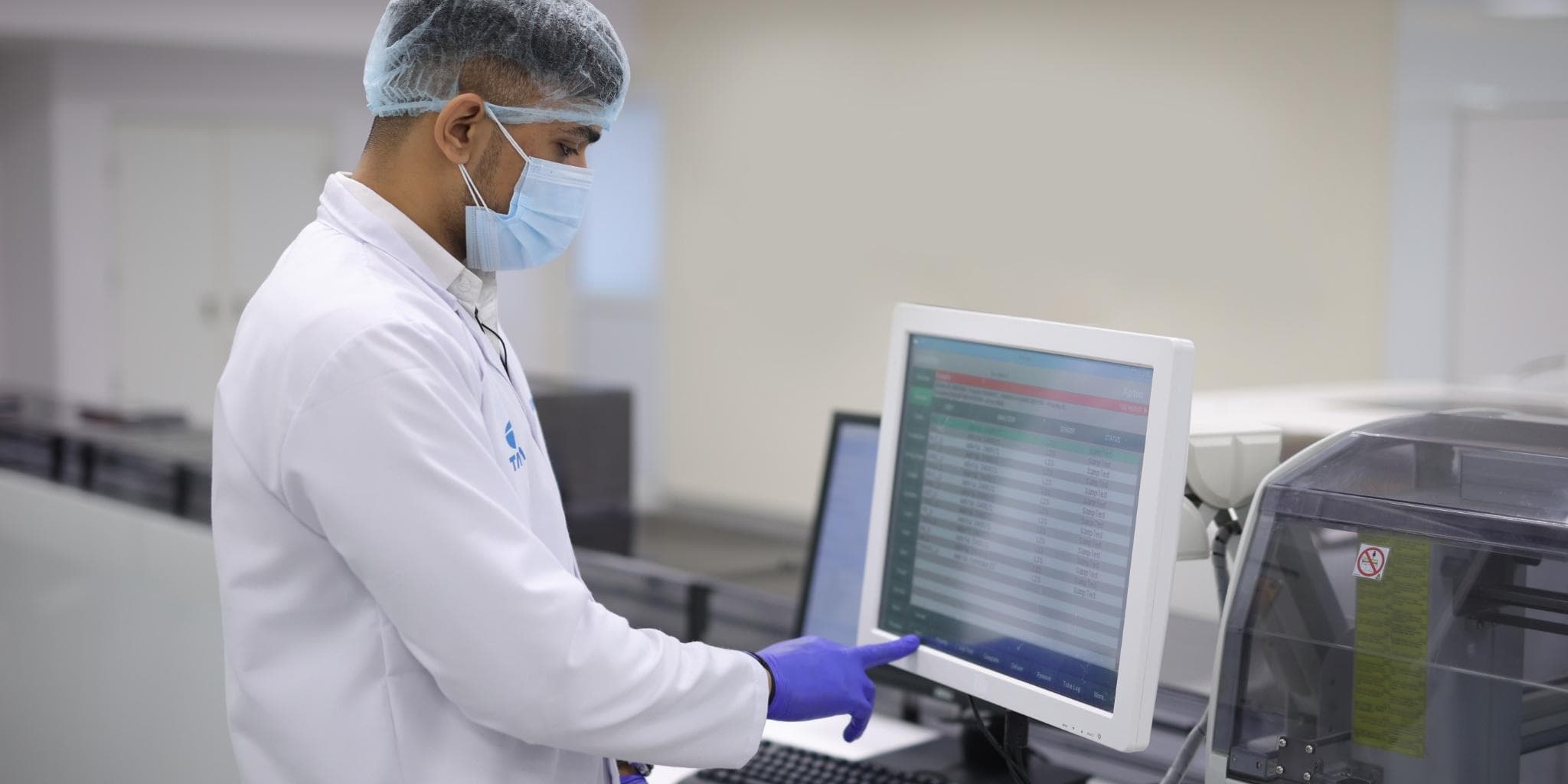
Easy online booking
Search for tests and packages, book your preferred time slot and enter your address for seamless at-home lab tests.
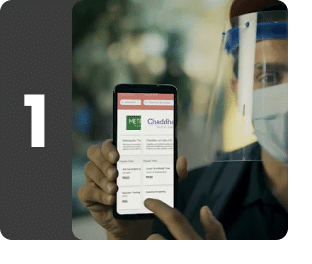
Live tracking of phlebotomist
Track our trained phlebotomist's real time location for seamless sample collection.
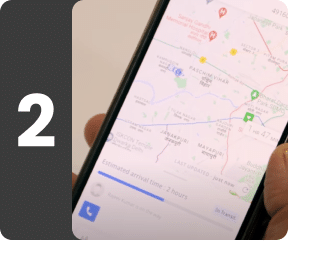
Safe Sample Collection
Our phlebotomists follow strict safety protocols to collect samples safely at home and on time.
Sample received at lab
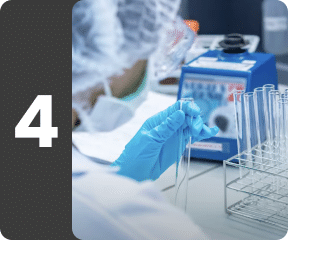
Samples are transported securely to our accredited labs with world-class machines for testing by qualified experts.
Quick, Doctor-Verified Reports
Get doctor-approved reports via email and WhatsApp, with options for doctor follow-ups and AI insights.



References
- Zampieri S, Ghirardello A, Iaccarino L, Tarricone E, Gambari PF, Doria A. Anti-Jo-1 antibodies. Autoimmunity. 2005 Feb;38(1):73-8. [Accessed 23 Sep. 2025]. Available from:

- Anti-synthetase syndrome in ANA and anti-Jo-1 negative patients presenting with idiopathic interstitial pneumonia [Internet]. ScienceDirect; [Accessed 23 Sep. 2025]. Available from:
- Honda M, Shimizu F, Sato R, Mizukami Y, Watanabe K, Takeshita Y, Maeda T, Koga M, Kanda T. Jo-1 Antibodies From Myositis Induce Complement-Dependent Cytotoxicity and TREM-1 Upregulation in Muscle Endothelial Cells. Neurol Neuroimmunol Neuroinflamm. 2023 May 5;10(4):e200116. [Accessed 23 Sep. 2025]. Available from:

Recommended for everyone
This package is designed with everyone’s overall health considerations in mind, offering assessments to address a wide range of wellness needs.
Contains 1 test
Report delivery
Standard time
144 hrs
For slots after 11 AM, report will be delivered in 168 hours.
Samples required
Blood
Our phlebotomist will draw a blood sample, typically from a vein in your inner elbow.
Preparations
1
Clinical history is preferred.
Why is this test booked?
1
When symptoms such as muscle weakness, skin rashes, difficulty swallowing, or fatigue are present
2
To investigate skin rashes along with muscle weakness (suggestive of dermatomyositis)
3
To help diagnose idiopathic inflammatory myopathies
4
To assess patients with suspected interstitial lung disease
5
To differentiate from other muscle disorders
6
To monitor disease progression and response to treatment in confirmed cases
7
Often included in panels like the Myositis Profile, which evaluates multiple myositis-specific antibodies
Coupon details
Get it at ₹1331 with coupon
Get upto 15% off on your lab tests
Maximum discount: ₹1500
1MGNEWG

10% off
₹999

13% off
₹3000
15% off
₹5000
Available Offers
Get additional upto 15% off
Get upto 15% off on your lab tests
Maximum discount: ₹1500
1MGNEWG
Upto Rs 650 off on all lab tests
Get Upto Rs 650 off on all lab tests
Maximum discount: ₹650
1MGSUPER
Upto Rs 1500 off on all lab tests
Get Upto Rs 1500 off on all lab tests
Maximum discount: ₹1500
1MGSUPERMAX
Who's behind your sample collection?




MEET YOUR PHLEBO

Certified & experienced professionals
Tata 1mg phlebotomists are DMLT / B.Sc MLT certified and have 1+ years of experience

Best in-class collections
Tata 1mg phlebotomists are trained for painless, single-prick hygienic sample collection

Comprehensive expertise
Other than sample collection, our phlebos are also skilled in first aid, ECG & BP monitoring
WHAT OUR CUSTOMERS ARE SAYING
I sincerely appreciate your humble approach and punctual service. It reflects true professionalism.
~ SHWETA VIJAY INGALE 7000138789

Pain Free collection
~ Govindaraj M
Excellent service by the techician
~ Rahul.R
Excellent work
~ BALRAJ ARUNRAJ NAYADU
Excellent job
~ KANAKAM SANTHOSH
PERFECT SERVICE....
~ AMIT ANAND 7330002602
Priti is very gentle, responsible & well mannered person
~ JAIDEEP C KOTHARI 7000063344
Very nice 👍
~ PANKAJ SHARMA 7310002964
Your colleague Madhusudan is a very good professional.
Hats off
~ Elvin Gabriel Madtha
The technician's behaviour and conduct was kind and professional. He ensured safety procedures were explained and followed. The collection of sample was done well in time as requested.
~ Richa