Sign in to your account
or
By signing in you agree to our
Terms & conditions
 and 
Privacy policy

Serum Calcium test

Also referred as
Calcium blood test
+2
S. Calcium
Serum Ca
xyz people viewed recently
17,789+ booked recently
For men & women
Fastest Reports in
7 hrs
Contains
1 test
Test price:
₹189
Additional 10% off with coupon
Min. order value: ₹499 | Coupon: CS1MG
arrow
discount_stamp
More offers available
Know more about this test

<font color='#864291'>Know more about this test</font>

The Serum Calcium test test measures the calcium level in your blood. Calcium is an essential mineral. It helps build strong bones and teeth. It also controls muscle movement, nerve function, heart rhythm, and blood clotting. This test checks your overall calcium balance. It helps monitor your bone, kidney, or parathyroid health. 

Samples required
Blood

Find out
Why is this test booked?

Preparations
Overnight fasting required for 8 to 12 hours

Sample Collection
Who will collect your samples?
Conducted by

know_more_icon
Tata 1mg Labs
chevron
most_trusted_lab
Accredited labs
Highly skilled Phlebos
Verified reports
Who will collect your samples?
Tata 1mg certified phlebotomists
View phlebo details
Know more about lab
Tata 1mg Labs
About this lab
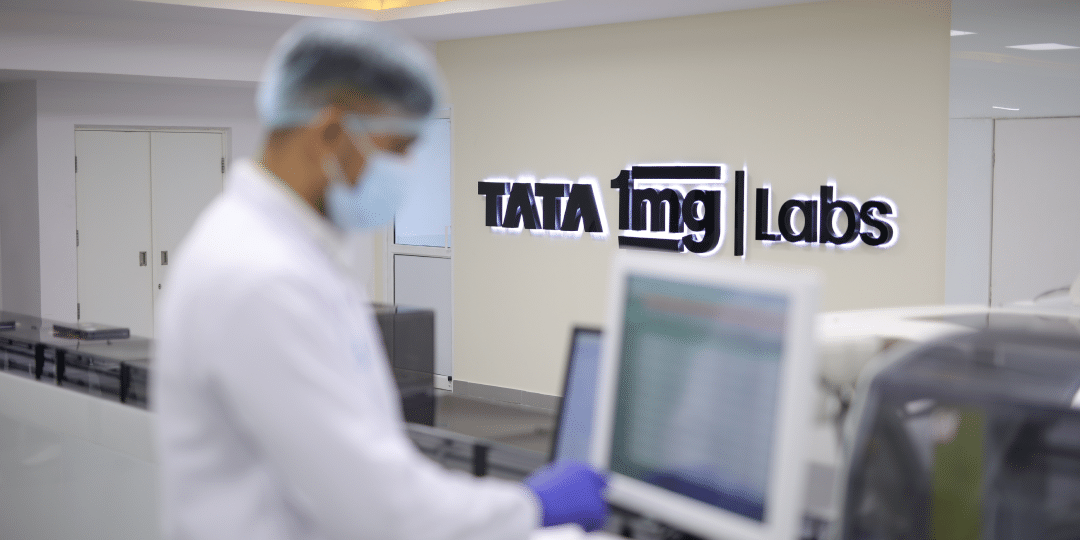
TATA 1mg Labs is a cutting-edge facility delivering top-quality diagnostic services right to your doorstep. We take pride in three core values: Assured Quality, Best Prices and Timely Reports. Transparency is at the heart of our operations, ensuring our customers always have clear and reliable information. Our dedicated team is committed to offering an exceptional customer experience and continually innovates to meet and exceed customer expectations.
See more

Understanding Serum Calcium test

Calcium is one of the most common minerals in the body. In your blood, calcium exists in two forms: ionized (free) and bound (attached to proteins like albumin). The Serum Calcium test measures total calcium, which includes both types.

The Serum Calcium test test is usually done if you have:

  • Muscle cramps or spasms
  • Tingling in your hands or feet
  • Fatigue or  generalized weakness
  • Bone pain
  • Irregular heartbeat
  • Confusion
  • Perioral numbness
  • Tetany (involuntary muscle spasms)
  • Seizures

Calcium blood test also helps diagnose and monitor calcium metabolism problems, parathyroid or kidney diseases, bone disorders, and how treatments are working in very ill patients.

Low calcium levels are called hypocalcemia. This can happen due to:

  • Vitamin D or magnesium deficiency
  • Hypoparathyroidism (post-thyroid/parathyroid surgery, autoimmune)
  • Chronic kidney disease (CKD)
  • Acute pancreatitis
  • Sepsis & critical illness
  • Hypoalbuminemia (pseudo-hypocalcemia)
  • Medications: bisphosphonates, calcitonin, phenytoin

High calcium levels are called hypercalcemia. This can occur because of:

  • Overactive parathyroid glands
  • Certain cancers
  • Kidney disease
  • Primary hyperparathyroidism
  • Malignancy (lytic bone lesions, myeloma)
  • Excess Vitamin D or calcium intake
  • Sarcoidosis / granulomatous disorders
  • Thiazide diuretics
  • Immobilization
  • Thyrotoxicosis

An overnight fast (8-12 hours) is preferred but not mandatory for Serum Calcium test test preparation. Always tell your doctor about any medicines or supplements you take, as these can affect calcium levels. 

Test results can vary slightly between labs. Talk to your doctor to understand your test results. Your doctor will suggest the best treatment or lifestyle changes based on your test results.

What Are the Symptoms or Conditions That May Require the Serum Calcium test Test?

You may need the Serum Calcium test test if you have:

  • Muscle cramps or spasms
  • Tingling in hands or feet
  • Fatigue or generalized weakness
  • Bone pain
  • Irregular heartbeat
  • Confusion
  • Kidney or parathyroid problems 
  • Long-term use of calcium or vitamin D supplements

When Would I Need the Serum Calcium test Test?

You might need this test:

  • As part of your regular health checkup
  • To check if your body has too little or too much calcium
  • If you have muscle cramps, bone pain, or feel weak
  • To see how treatment is working for low or high calcium levels
  • To check calcium balance if you have kidney or parathyroid problems

How Do I Prepare for the Serum Calcium test Test?

Do I need to fast or stop any medications before the Serum Calcium test test?

Overnight fasting (8-12 hours) is usually preferred for this test. However, it is not mandatory. Inform your doctor about any medications or supplements you are taking, as these may affect the test results. Your doctor will guide you if any temporary adjustments are needed before the test.

How is the Serum Calcium test test done?

  • The Serum Calcium test is done by collecting a small amount of blood from a vein, usually in the arm. 
  • The procedure is quick, minimally invasive, and generally causes only slight discomfort.

What happens before the Serum Calcium test test?

  • Fasting is preferred for this test, however it is not mandatory.
  • Kindly provide complete clinical details and medication history or a doctor's prescription. This information is important for the correlation of your test results.
  • Take your medicines as usual. Inform your doctor about any special treatments or supplements.
  • Let your doctor know if you are sick or have had recent blood loss, as this can affect results.
  • Bring a list of your current medications, supplements, and any recent health history.

What happens during the Serum Calcium test test?

  • You will be seated comfortably with your arm supported on a flat surface or armrest.
  • A tourniquet (elastic band) is tied around your upper arm to make the veins more visible and easier to locate.
  • The phlebotomist identifies a suitable vein for blood collection.
  • The puncture site is then cleaned thoroughly with an alcohol swab to reduce the risk of infection.
  • A thin, sterile needle is gently inserted into the vein, and a small amount of blood is collected into a test tube.

What happens after the Serum Calcium test test?

  • Once enough blood has been collected, the tourniquet is released, and the needle is removed.
  • A cotton ball or gauze is placed on the site, followed by a small bandage or dressing to stop any bleeding.
  • The blood sample is carefully labeled with your details and sent to the laboratory for analysis.
  • You can resume your daily routine after the test is done.

Is the Serum Calcium test test painful?

No, the test is generally simple and safe. However, you may feel slight discomfort during blood sample collection, but the chances of serious complications are extremely rare.

How Long Does the Serum Calcium test Test Take?

The procedure is quick, simple, and safe. It requires only a small blood sample and is completed within a short duration.

When Will I Get the Results?

The availability of your test report may vary depending on your location and the laboratory where the test is conducted. In general, Tata 1mg provides the results within the stipulated time after sample collection.

When Should I Consult a Doctor After the Test?

You should consult your doctor if:

  • Calcium levels are above or below the normal range.
  • You experience muscle cramps, fatigue, or irregular heartbeat.
  • You have a known parathyroid or kidney disorder.
  • You take supplements affecting calcium balance.

Are There Any Risks Associated with the Serum Calcium test Test?

The Serum Calcium test test is safe, with only minimal and short-lasting effects like:

  • Small bruise, pinch, or slight tenderness at the puncture site
  • Occasional lightheadedness if you are sensitive to needles or blood
  • Rarely, infection or blood vessel injury

If you have a bleeding disorder or take blood thinners, inform the phlebotomist beforehand.

What Do the Results Mean?

Pathological Factors 

Test Parameter

Interpretation (possible causes)

Low Levels

- Underactive or damaged parathyroid glands (hypoparathyroidism and pseudohypoparathyroidism)

- Chronic kidney disease with toxin buildup

- Poor absorption of calcium or vitamin D

- Liver problems like obstructive jaundice

- Bone diseases such as osteomalacia and rickets

- Some medicines, including cancer drugs, calcitonin, and certain diuretics

- Low magnesium or protein levels in blood

High Levels

- Overactive parathyroid glands (primary or secondary hyperparathyroidism)

- Acute or chronic kidney failure, including after kidney transplant

- Bone loss due to malabsorption or osteoporosis

- Certain cancers, especially breast, lung, and kidney tumors

- Medicines like vitamin D or A overdose, diuretics, hormone therapy (estrogen, androgen), tamoxifen, or lithium

Physiological Factors

🧒 Age: Older adults may have lower calcium levels due to reduced bone density and hormonal changes.

🚺 Gender: Women, especially after menopause, are more prone to calcium loss due to lower estrogen levels.

🫄 Pregnancy and Lactation: Higher calcium demand during these phases may lower calcium levels if intake is inadequate.

💊 Hormonal Influence: Parathyroid hormone (PTH), vitamin D, and calcitonin regulate calcium balance; any imbalance can alter calcium levels.

Lifestyle Factors

🥗 Diet: Inadequate intake of calcium-rich foods can lower calcium levels.

🍷 Alcohol Consumption: Excessive alcohol interferes with calcium absorption.

🚬 Smoking: Smoking may affect bone metabolism and calcium utilization.

☀️ Sun Exposure: Insufficient sunlight can reduce vitamin D levels, affecting calcium absorption.

Disclaimer: This information is for educational purposes only and should not replace professional medical advice, diagnosis, or treatment. Always consult your healthcare provider for personalized guidance.

What Do Normal Calcium Levels Mean?

Normal results indicate that your calcium metabolism is functioning properly, supporting bone health, nerve transmission, and muscle contraction.

What Do High Levels of Calcium Indicate?

High calcium levels (hypercalcemia) may indicate:

  • Overactivity of the parathyroid glands
  • Excessive vitamin D intake
  • Underlying health issues, such as certain cancers or bone disorders. 

Your doctor may recommend further tests to identify the underlying cause.

What to Do if Your Calcium Is Higher Than Normal?

If your calcium levels are higher than normal, do not self-medicate or stop supplements abruptly. Your doctor will check your health, medications, and history before deciding what to do next. In most cases, adjusting supplements or treating the root cause resolves the issue.

What Do Low Levels of Calcium Indicate?

Low calcium levels (hypocalcemia) may indicate:

  • Nutritional deficiencies
  • Kidney or parathyroid dysfunction
  • Poor vitamin D absorption

Treatment involves calcium or vitamin D supplementation and dietary adjustments under medical supervision.

Can Calcium Test Results Be Inaccurate?

Yes. The Serum Calcium test test results can sometimes be inaccurate. Factors that may affect the results include recent intake of calcium or vitamin D supplements, dehydration, pregnancy, hormonal therapy, and certain medications like diuretics or anticonvulsants. Minor variations in how the lab handles the sample may also impact accuracy. It is important to share your medical history and current medicines with your doctor to get a clear understanding of your calcium levels.

What Factors Can Affect Serum Calcium test Test Results?

Though it is a reliable test,  several factors can influence accuracy:

  • Intake of calcium/vitamin D supplements
  • Kidney or parathyroid diseases
  • Medications like lithium or diuretics
  • Prolonged immobilization
  • Hormonal imbalances
  • Sample contamination with EDTA causes falsely low calcium
  • Use plain or serum separator tubes; avoid EDTA/oxalate/citrate tubes
  • Prolonged tourniquet application (>1 min) affects results
  • Fasting sample preferred but not mandatory (8–12 hours)
  • Transport the sample at room temperature; analyze ionized calcium quickly
  • Low albumin affects total calcium; corrected or ionized calcium is preferred in specific cases (ICU, CKD, pregnancy)

What Follow-Up Tests May Be Required?

Based on your Calcium test results, your doctor may recommend additional tests to determine the cause of abnormal calcium levels and evaluate bone, kidney, or parathyroid health. These tests may include:

Table: Tests Commonly Ordered Alongside Serum Calcium test Test

Test Name

Primary Purpose

Calcium Ionized Test

Measures the active (free) form of calcium 

Calcium, Random Urine Test

Evaluates calcium loss through urine 

Vitamin D (25-Hydroxy) Test

Checks for vitamin D deficiency

PTH (Intact Parathyroid Hormone) Test

Checks parathyroid gland function

KFT with Electrolytes (Kidney Function Test with Electrolytes)

Assesses kidney function and electrolyte balance 

How Does the Serum Calcium test Test Differ from Other Tests?

It is important to understand how the Serum Calcium test test differs from other blood tests: 

  • PTH (Intact Parathyroid Hormone) Test: Evaluates parathyroid gland function, which regulates calcium levels in the body.
  • Vitamin D (25-Hydroxy) Test: Assesses vitamin D levels, which are necessary for calcium absorption and bone health.
  • Phosphorus, Serum: Measures phosphorus levels, another key mineral that works with calcium to maintain strong bones and teeth.
  • Alkaline Phosphatase (ALP): Helps detect bone turnover and bone-related disorders by measuring enzyme levels linked to bone and liver health.
  • Magnesium: Measures magnesium levels, which play a supporting role in calcium balance and parathyroid hormone function.

Lifestyle Tips To Maintain Healthy Calcium Levels  

💧 Hydration: Drink plenty of water to help the kidneys regulate calcium balance.

🥗 Eat Healthy: Include calcium-rich foods like dairy, leafy greens, nuts, and fortified cereals in your diet.

🚴‍♀️ Activity: Engage in regular exercise to strengthen bones and enhance calcium metabolism.

😴 Lifestyle: Get enough good-quality sleep, as poor sleep can affect hormone balance and calcium regulation.

👨‍⚕️ Talk to Your Doctor (Consult): Take calcium or vitamin D supplements only under medical supervision.

🍺 Habits (Smoking and Alcohol): Avoid smoking and limit alcohol consumption to maintain bone and calcium health.

Note: The lifestyle tips shared here serve as an adjunct to the ongoing treatment. These tips in no manner are intended to replace professional medical advice or treatment. If you have medical concerns, ongoing symptoms, or underlying conditions, please consult a doctor before making changes to your health routine.

See more

What does Serum Calcium test measure?

The Serum Calcium test test measures the calcium level in your blood. Most of your body’s calcium (about 99%) is stored in bones and teeth to keep them strong. The rest (1%) circulates in the blood and helps your muscles move, nerves work, blood to clot, and heart to keep a steady rhythm.

Calcium in blood comes in two forms:

  • Bound calcium, attached to proteins like albumin
  • Ionized (free) calcium, which is active and helps many body functions

This test measures total calcium (both bound and ionized). This test cannot show if you have enough calcium in your diet. It also cannot detect bone diseases like osteoporosis. The body keeps blood calcium levels steady. It does this by taking calcium from bones during mild shortages.

Did you find information useful ?
yesYES (20)
noNO (5)

Serum Calcium test test price for other cities

Price inBangaloreRs. 219
Price inKolkataRs. 159
Price inHyderabadRs. 219
Price inNew DelhiRs. 189
Price inMumbaiRs. 219
Book a Serum Calcium test test at home near me

Easy online booking
Easy online booking
Search for tests and packages, book your preferred time slot and enter your address for seamless at-home lab tests.

Live tracking of phlebotomist
Track our trained phlebotomist's real time location for seamless sample collection.
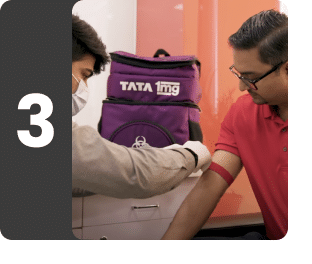
Safe Sample Collection
Our phlebotomists follow strict safety protocols to collect samples safely at home and on time.
Sample received at lab
Samples are transported securely to our accredited labs with world-class machines for testing by qualified experts.

Quick, Doctor-Verified Reports
Get doctor-approved reports via email and WhatsApp, with options for doctor follow-ups and AI insights.

FAQs related to Serum Calcium test

The Serum Calcium test test measures the level of calcium in your blood. Calcium is essential for strong bones and teeth, muscle function, nerve signaling, and blood clotting.
This test helps detect calcium imbalances that may indicate bone, kidney, thyroid, or parathyroid disorders.
This is a simple blood test with minimal risk. Some people may feel a slight sting or notice mild swelling or bruising at the needle site. If swelling persists, consult your doctor.
Brittle nails, tooth issues, sleep problems, numbness or tingling in hands and feet, and frequent muscle cramps may indicate calcium deficiency.
Hypocalcemia is a condition in which the level of calcium in the blood is lower than normal. It can affect bone strength, nerve function, and muscle activity.
Common symptoms include brittle nails and bones, muscle cramps or spasms, tingling in the hands and feet, confusion, and in severe cases, seizures.
Hypercalcemia occurs when calcium levels in the blood are higher than normal. It may result from overactive parathyroid glands, certain cancers, or excessive vitamin D intake.
Symptoms include nausea, constipation, frequent thirst, fatigue, irregular heartbeat, and confusion, and, in severe cases, it can become life-threatening if untreated.
Always consult your doctor before starting supplements. Eating calcium-rich foods such as dairy, green leafy vegetables, and almonds is usually the best first step.
Frequency depends on your health status. People with bone disorders, kidney issues, or parathyroid problems may need regular monitoring, while healthy individuals may only need periodic checks.
Yes, calcium needs and absorption can change with age. Older adults may require more calcium and vitamin D to maintain bone health.
Yes, the test is safe and can help monitor calcium status, which is important for fetal bone development.
Yes, low calcium can weaken teeth, increase cavities, and lead to gum problems.
The Serum Calcium test test measures calcium in your blood. A calcium score test (CT scan) checks for calcium buildup in the coronary arteries, which can indicate heart disease risk.
Calcium in your blood exists in two main forms: ionized (free) calcium and bound calcium. Ionized calcium is the active form that helps your nerves work, muscles contract, and your heart keep a regular beat. Bound calcium is attached to proteins (mostly albumin) and does not have a direct role in these functions.
The price of the Serum Calcium test test can vary depending on the city, laboratory, and current offers. Choose your nearest city on the Tata 1mg platform to see the latest available price.
You can book Serum Calcium test at any Tata 1mg lab near you. Simply check for the nearest lab location and schedule a convenient date and time for your test.
Tata 1mg ensures accurate lab test results through certified laboratories that use advanced technology and adhere to stringent quality control measures. This commitment to high standards guarantees reliable results.
References
  1. Calcium [Internet]. NIH Office of Dietary Supplements; 06 Oct. 2022 [Accessed 04 Nov. 2025]. Available from:
  2. Osteoporosis [Internet]. NIA; 15 Nov. 2022 [Accessed 04 Nov. 2025]. Available from:
  3. Drake TM, Gupta V. Calcium. [Updated 2024 Jan 8]. In: StatPearls [Internet]. Treasure Island (FL): StatPearls Publishing; 2025 Jan-. Available from:
  4. Goldstein DA. Serum Calcium. In: Walker HK, Hall WD, Hurst JW, editors. Clinical Methods: The History, Physical, and Laboratory Examinations. 3rd edition. Boston: Butterworths; 1990. Chapter 143. Available from:
  5. Yu E, Sharma S. Physiology, Calcium. [Updated 2023 Aug 14]. In: StatPearls [Internet]. Treasure Island (FL): StatPearls Publishing; 2025 Jan-. Available from:
  6. Koek WNH, Campos-Obando N, van der Eerden BCJ, de Rijke YB, Ikram MA, Uitterlinden AG, van Leeuwen JPTM, Zillikens MC. Age-dependent sex differences in calcium and phosphate homeostasis. Endocr Connect. 2021 Mar;10(3):273-282. [Accessed 04 Nov. 2025]. Available from:
  7. Hu H, Wang W, Chang Z, Wang S, Zhang Y, Zou L, Song W, Zhang J. Age-specific serum calcium levels in healthy individuals from the Xing'an League: a descriptive study. J Health Popul Nutr. 2025 Jun 19;44(1):209. [Accessed 04 Nov. 2025]. Available from:
  8. White CP. Calcium metabolism in pregnancy and lactation. Obstet Med. 2009 Mar;2(1):2-5. [Accessed 04 Nov. 2025]. Available from:
  9. Khan M, Jose A, Sharma S. Physiology, Parathyroid Hormone. [Updated 2022 Oct 29]. In: StatPearls [Internet]. Treasure Island (FL): StatPearls Publishing; 2025 Jan-. Available from:
  10. Sampson HW. Alcohol's harmful effects on bone. Alcohol Health Res World. 1998;22(3):190-4. PMID: 15706795; PMCID: PMC6761900. [Accessed 04 Nov. 2025]. Available from:
  11. Wacker M, Holick MF. Sunlight and Vitamin D: A global perspective for health. Dermatoendocrinol. 2013 Jan 1;5(1):51-108. [Accessed 04 Nov. 2025]. Available from:
  12. Calcium [Internet]. NHS; 03 Aug. 2023 [Accessed 04 Nov. 2025]. Available from:
  13. Benedetti MG, Furlini G, Zati A, Letizia Mauro G. The Effectiveness of Physical Exercise on Bone Density in Osteoporotic Patients. Biomed Res Int. 2018 Dec 23;2018:4840531. [Accessed 04 Nov. 2025]. Available from:
  14. Jeon YS, Yu S, Kim C, Lee HJ, Yoon IY, Kim T. Lower Serum Calcium Levels Associated with Disrupted Sleep and Rest-Activity Rhythm in Shift Workers. Nutrients. 2022 Jul 22;14(15):3021. [Accessed 04 Nov. 2025]. Available from:
  15. Sampson HW. Alcohol's harmful effects on bone. Alcohol Health Res World. 1998;22(3):190-4. PMID: 15706795; PMCID: PMC6761900. [Accessed 04 Nov. 2025]. Available from:
  16. Al-Bashaireh AM, Haddad LG, Weaver M, Chengguo X, Kelly DL, Yoon S. The Effect of Tobacco Smoking on Bone Mass: An Overview of Pathophysiologic Mechanisms. J Osteoporos. 2018 Dec 2;2018:1206235. [Accessed 04 Nov. 2025]. Available from:

Recommended for everyone
This package is designed with everyone’s overall health considerations in mind, offering assessments to address a wide range of wellness needs.
Package can be booked by :
Men
Women
Contains 1 test
Serum Calcium test
Report delivery
Faster Report
₹49 per patient
7 hrs
faster report icon
Limited slots only, you can choose faster report option when you add the test
Standard time
No extra charges
15 hrs
For slots after 11 AM, report will be delivered in 15 hours.
Samples required

Blood
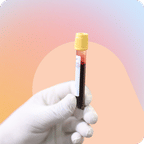
Our phlebotomist will draw a blood sample, typically from a vein in your inner elbow.
Preparations
1
Overnight fasting is preferred but not mandatory.
Why is this test booked?
1
A. In Symptomatic Individuals
2
Muscle cramps or twitching
3
Tingling or numbness in the extremities
4
Bone pain or tenderness
5
Irregular heartbeat
6
B. In High-Risk Groups
7
Individuals with kidney disease
8
Individuals with suspected parathyroid gland problems
9
Individuals with vitamin D deficiency
10
C. In Special Populations
11
Pregnant women (to monitor calcium balance)
12
Elderly individuals (risk of bone loss and osteoporosis)
13
Patients on prolonged medications affecting calcium metabolism
14
D. In Individuals With Lifestyle-Related Risks
15
Excessive consumption of calcium or vitamin D supplements
16
Sedentary lifestyle or limited sun exposure
Coupon details
Additional 10% off with coupon
CS1MG
copy
Available Offers
Get additional upto 15% off
Get upto 15% off on your lab tests
Maximum discount: ₹1500
1MGNEWG
copy
Upto Rs 650 off on all lab tests
Get Upto Rs 650 off on all lab tests
Maximum discount: ₹650
1MGSUPER
copy
Upto Rs 1500 off on all lab tests
Get Upto Rs 1500 off on all lab tests
Maximum discount: ₹1500
1MGSUPERMAX
copy
Who's behind your sample collection?

About Phlebotomist
Play
Tata 1mg Phlebotomist
icon
MEET YOUR PHLEBO
icon
Certified Professionals
Certified & experienced professionals
Tata 1mg phlebotomists are DMLT / B.Sc MLT certified and have 1+ years of experience

Best collections
Best in-class collections
Tata 1mg phlebotomists are trained for painless, single-prick hygienic sample collection

Expertise
Comprehensive expertise
Other than sample collection, our phlebos are also skilled in first aid, ECG & BP monitoring
frame icon
WHAT OUR CUSTOMERS ARE SAYING
frame icon
Excellent service
~ JITENDER KUMAR
double quote icon
Pain free collection
~ Sandugade Subhash Tukaram
double quote icon
Technician was great..
~ Saurav Choudhury
double quote icon
Good skill for sample collection
~ Pawan Kumar Sah
double quote icon
Excellent service
~ Mohsin Shawl
double quote icon
Very gentle
~ Divya Chawla
double quote icon
Very polite
~ Sadhana Kumari
double quote icon
Good communication
~ MURKI ANAND KUMAR 7000148950
double quote icon
Did her work neatly
~ Fathima
double quote icon
Very Patient
~ Smitha P
double quote icon
Footer