




 GenuinePrescription
Product introduction
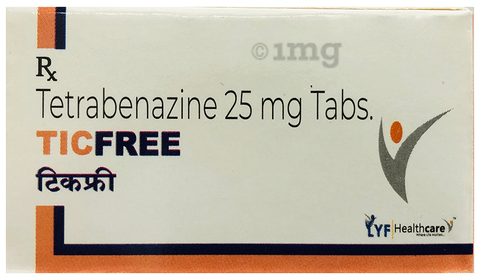
Ticfree Tablet is used to treat chorea (which is a movement disorder characterized by involuntary, jerky movements) associated with Huntington's disease. It reduces movements and improves function. This makes it easier for the person to move and function better.
Ticfree Tablet should be taken with or without food. However, it is advised to take it at the same time each day, as this helps maintain a consistent level of medicine in the body. Take this in the dose and duration as advised by your doctor. This medication must not be stopped suddenly without talking to your doctor, as it may worsen your symptoms.
Some common side effects of this medicine include nausea, insomnia (difficulty sleeping), anxiety, fatigue, akathisia (restlessness and inability to stay still), and depression. It also causes dizziness and sleepiness, so do not drive or do anything that requires mental focus until you know how this medicine affects you. Inform your doctor if you develop any unusual changes in mood or behavior, new or worsening depression, or suicidal thoughts while taking this medicine.
Stop taking this medicine immediately if you have a fever, stiff muscles, confusion, or seizures (signs of neuroleptic malignant syndrome). Let your doctor know if you have any medical conditions. Let your doctor also know about all the medications you are taking, as some medicines may interact with Ticfree Tablet. Pregnant or breastfeeding women should consult their doctor before taking Ticfree Tablet to ensure safety.
Uses of Ticfree Tablet
Benefits of Ticfree Tablet
Ticfree Tablet is used to manage involuntary movements (chorea) associated with Huntington’s disease. It helps reduce sudden jerking or twitching motions, improving movement control and supporting better daily functioning and comfort.
Side effects of Ticfree Tablet
- Nausea
- Fatigue
- Depression
- Agitation
- Sedation
- Restlessness
- Eye twitching
- Upper respiratory tract infection
- Decreased appetite
- Abnormal gait
How to use Ticfree Tablet
How Ticfree Tablet works
Quick tips
- Be cautious while driving or doing anything that requires concentration, as Ticfree Tablet can cause dizziness and sleepiness.
- Inform your doctor if you experience high fever, sweating, muscle stiffness, and faster breathing. These may be due to a rare side effect known as neuroleptic malignant syndrome.
- Inform your doctor if you develop any unusual changes in mood or behavior, new or worsening depression, or suicidal thoughts or behavior.
- Do not stop taking Ticfree Tablet without talking to your doctor first, as it may cause worsening of symptoms.


Save more with additional offers
