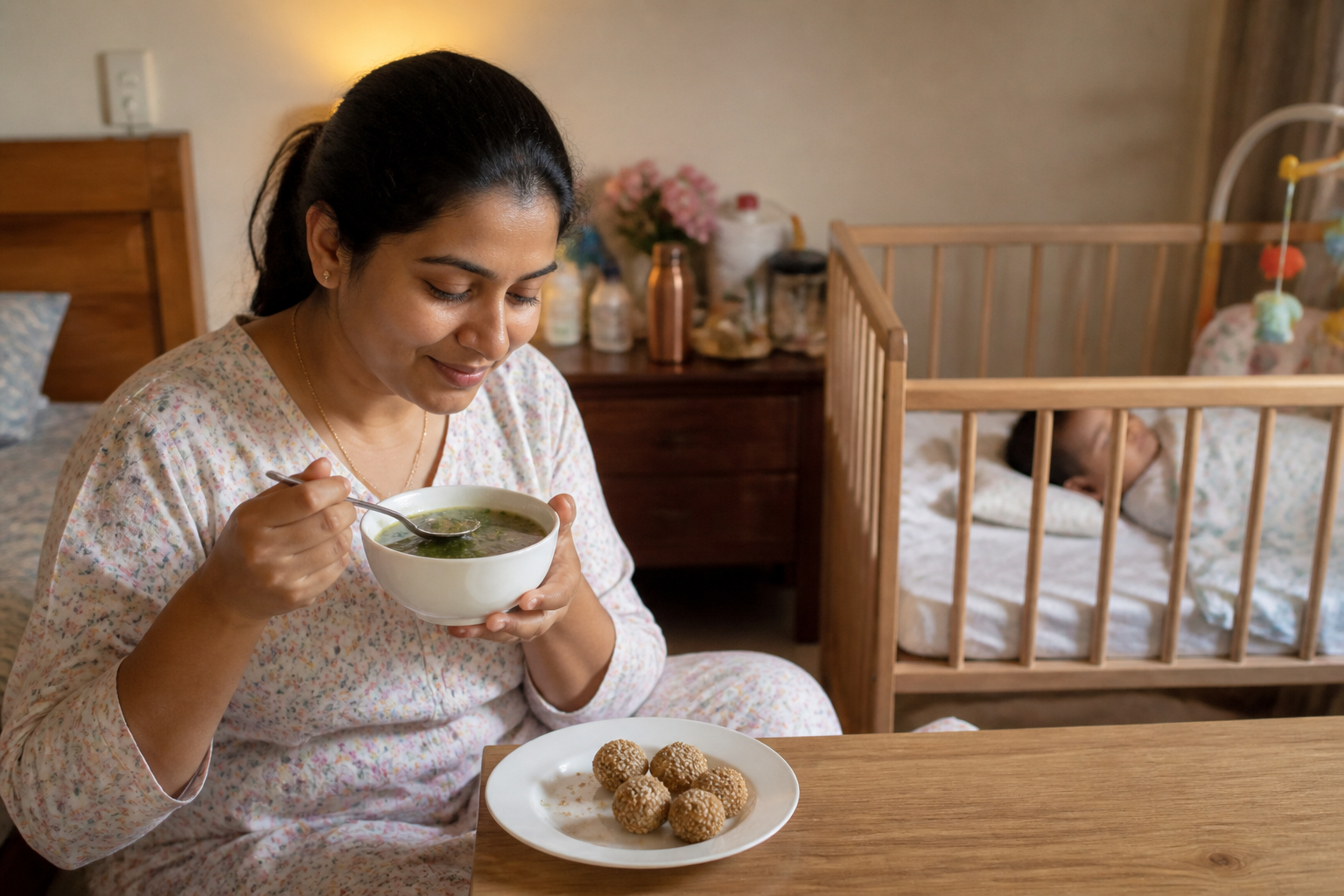
Every new mom hears it at some point — from her mother, her mother-in-law, or that one aunty at a family function: “Eat this, your milk will increase!” Methi laddus, gond ke laddus, and garlic tempering in every dal — Indian households have their own food wisdom for breastfeeding moms. But do these breastfeeding foods actually help with milk supply, or is it mostly just tradition talking?
Turns out, it’s a bit of both. Let’s look at what the research actually says about food and milk supply and which foods are worth adding to your plate.
Does Food Actually Affect Milk Supply?
Here’s the honest answer first: no single food is a magic milk booster. Health bodies that track breastfeeding nutrition have looked hard for one, and they haven’t found it. Major nutrition guidelines don’t point to any single food, drink, or herb as essential for keeping your milk supply up [1].
That said, this conclusion means food still matters. Many traditional breastfeeding foods have been used for generations, and some do show a mild, real effect in small studies. Others mostly help because they’re nutritious, easy to digest, and make a tired new mom feel cared for — which matters too.
So think of this list less as “miracle foods” and more as helpful additions to your diet that may give your supply a gentle nudge.
8 Foods That Support Healthy Breast Milk Production
1. Fenugreek (Methi)

If there’s one food every lactation forum swears by, it’s fenugreek. And there’s actually some science behind the hype — it may raise prolactin, the hormone that drives milk production, and a few small trials found an increase in milk volume compared to a placebo [2]. But other reviews found no real difference [3]. So the evidence is mixed — it might help some moms, but it’s not guaranteed. A common side effect: it can make your sweat and milk smell a bit like maple syrup. It’s harmless, but it can be surprising the first time.
How to use it: Soak a teaspoon of methi seeds overnight and drink the water in the morning, add methi leaves to your sabzi or paratha, or sip on methi tea.
2. Moringa (Drumstick Leaves, Sahjan)

Moringa leaves are genuinely promising. A recent review pulling together multiple studies found that moringa supplementation increased breast milk volume and raised prolactin levels compared to women who didn’t take it [4]. Since drumstick leaves are already common in Indian cooking, think of sahjan ki sabzi or dal – they are easy to add to your meals.
How to use it: Toss drumstick leaves into dal, sabzi, or soup. Some moms also use moringa powder stirred into smoothies or warm milk. Either way works.
3. Sesame Seeds (Til)

If you’ve had gond ke laddus or til laddus after delivery, you’ve already met this one. Sesame seeds are rich in calcium and healthy fats, both of which your body needs more of while breastfeeding. There isn’t direct research linking sesame to milk volume specifically, but as a nutrient-dense addition to your diet, it more than earns its spot on your plate.
How to use it: Til laddus, a sprinkle over your sabzi, or roasted sesame as a quick snack all work well.
4. Fennel Seeds (Saunf)
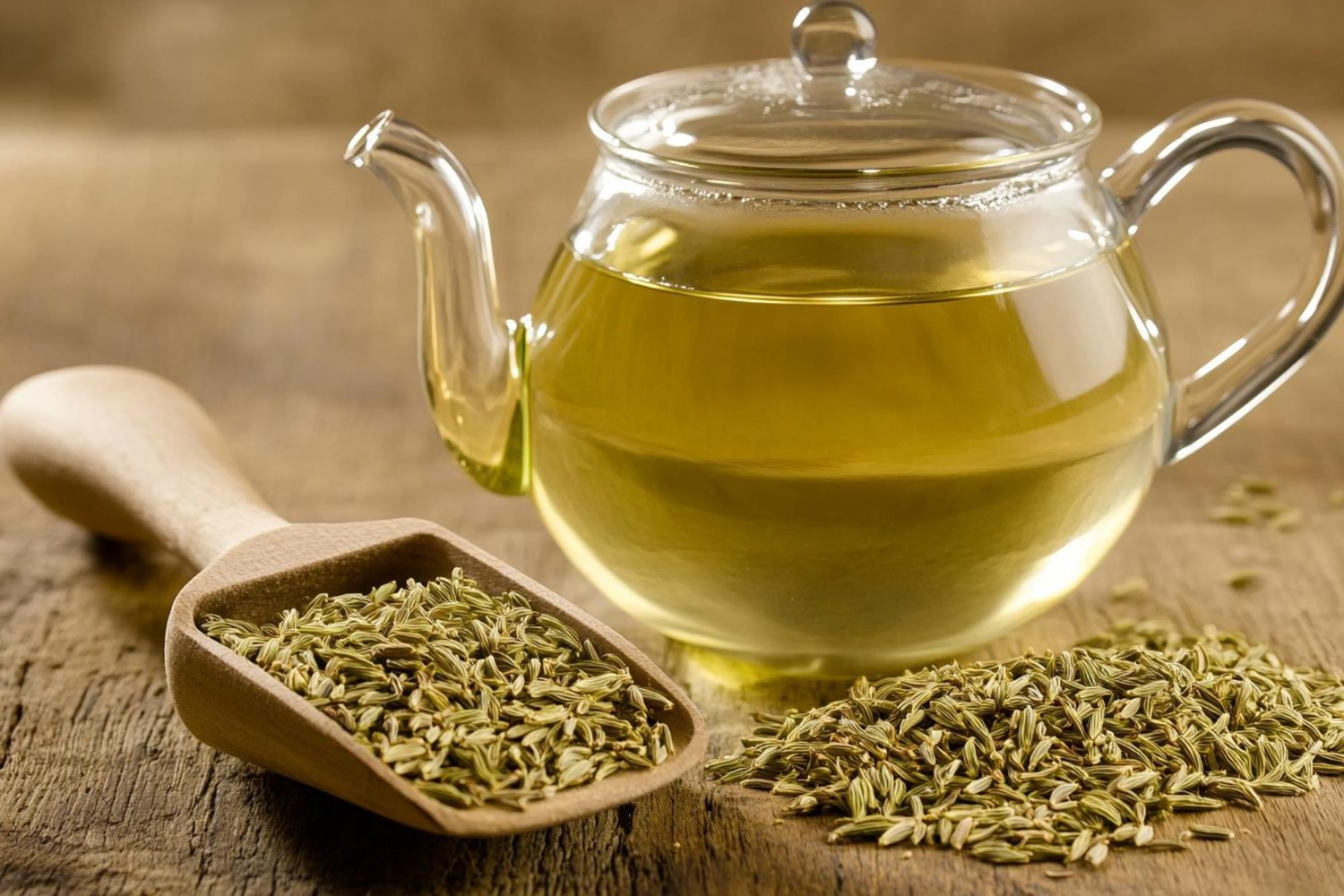
Walk into any Indian home after a meal and you’ll find a bowl of saunf waiting. It’s often paired with fenugreek in breastfeeding teas, and while solid proof that it boosts milk supply is still missing, it’s genuinely great for something else – easing bloating and gas, which a lot of new moms deal with too.
How to use it: Chew a few seeds after meals, or steep them in hot water for a soothing saunf tea.
5. Oats
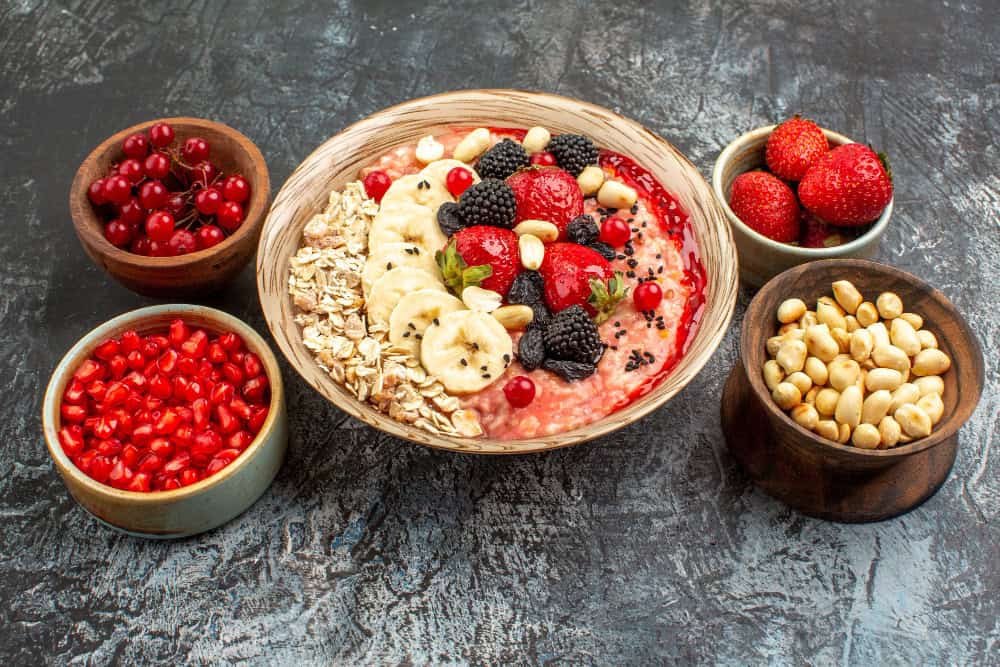
Oats are a worldwide favourite for breastfeeding, often shaped into “lactation cookies.” However, when researchers actually tested lactation cookies made with oats, brewer’s yeast, and flaxseed against regular cookies, they found no real difference in milk output between the two groups [5]. So the “boost” might be more marketing than magic. That said, oats are still genuinely good for you – full of fibre and slow-release energy, which any exhausted new mom can use.
How to use it: A warm bowl of oatmeal for breakfast, or blended into a banana smoothie, works just as well as any fancy cookie, and it’s a lot cheaper.
6. Garlic (Lehsun)
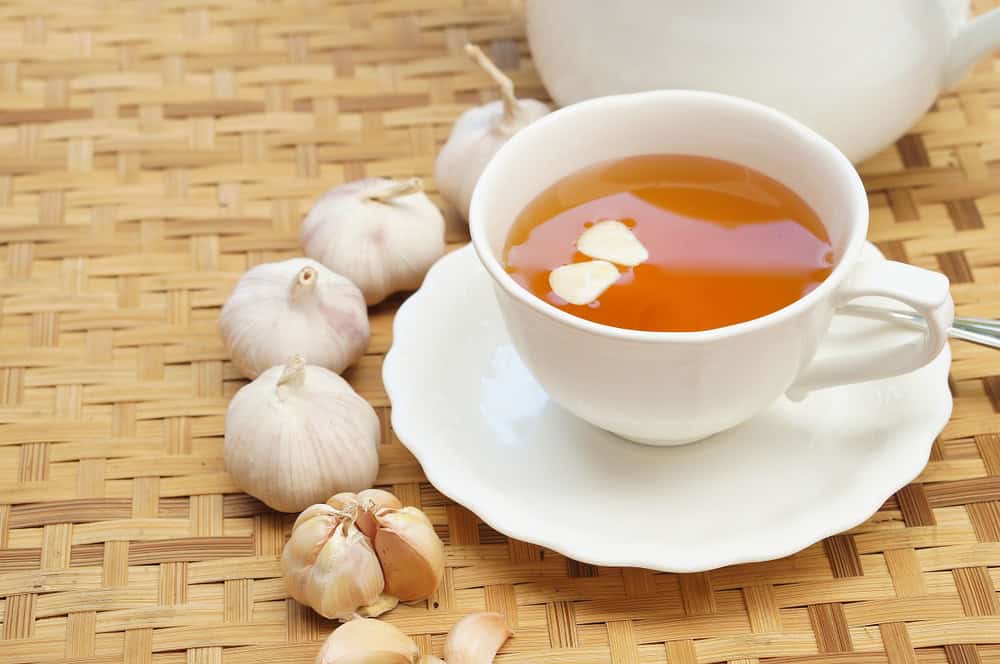
Garlic shows up in kitchens everywhere, including postpartum Indian meals like garlic tempering (tadka) in dal. There isn’t strong research proving it increases milk supply, but it is considered safe to eat while breastfeeding. One thing worth knowing: garlic can change the smell of your breast milk within a couple of hours of eating it [6]. Some babies don’t mind at all; a few may feed a little differently because of it.
How to use it: No special prep needed — just cook the way you normally would. There’s no reason to avoid garlic unless your baby seems fussier after you’ve had a garlicky meal.
7. Basil (Tulsi)

Tulsi isn’t just for your morning kadha – there’s actual research behind it too. A study on traditional Thai postpartum foods found that moms who ate basil, along with a few other traditional foods, had higher milk volume than those who didn’t [5]. It’s a small, observational finding rather than a big clinical trial, but it’s still one of the more promising results on this list.
How to use it: Add fresh tulsi leaves to tea, or toss torn basil into soups and curries.
8. Barley
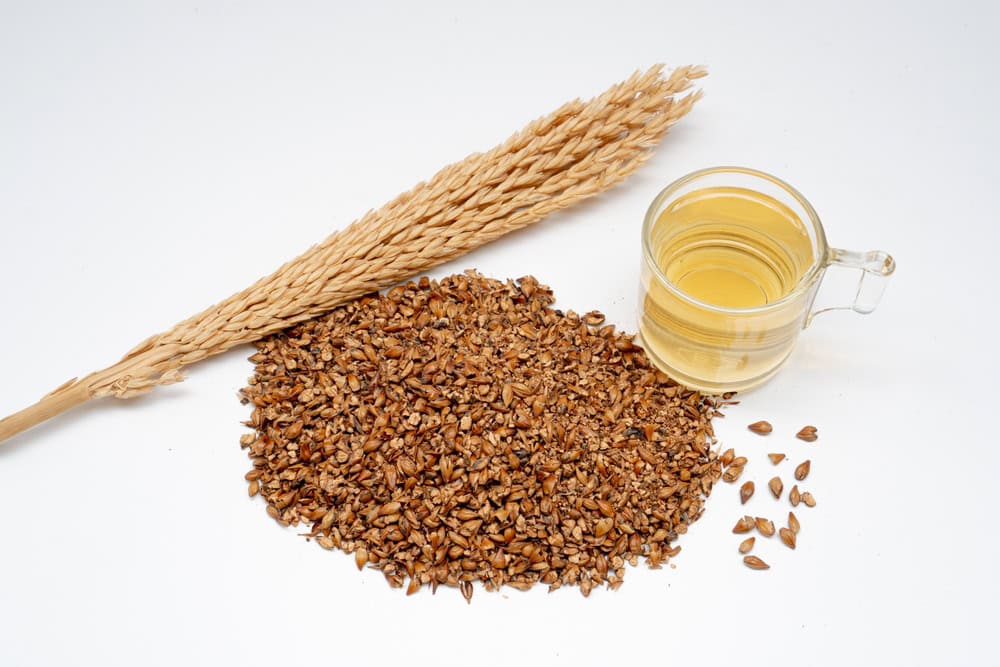
Barley (jau) is generally considered a safe food during breastfeeding, and it’s been used traditionally to support lactation in several cultures [5]. There isn’t strong clinical proof that it directly boosts supply, but it’s a wholesome grain that fits well into a new mom’s diet — porridge, khichdi, or barley water are all easy ways to include it.
How to use it: Try barley khichdi, a warm bowl of barley porridge, or classic barley water sipped throughout the day.
What Matters More Than Diet: The Real Driver of Milk Supply
Here’s the part that often gets buried under all the food talk: milk supply mainly works on a demand-and-supply system. The more often and effectively milk gets removed from your breasts through nursing or pumping, the more your body makes [5]. No food can substitute for that.
So before reaching for another laddu, it helps to check the basics:
- Are you nursing or pumping often enough, and is your baby latching well?
- Are you getting enough rest and staying hydrated?
- Are you eating enough overall, not just specific “boost” foods?
In contrast, going hungry or under-eating while breastfeeding can genuinely hurt your supply — so regular, balanced meals matter more than any single superfood.
What to Avoid While Breastfeeding

You don’t need to avoid entire food groups. Just be careful with these:
- High-mercury fish: Skip shark, swordfish, and king mackerel entirely [7].
- Other fish: Fine to eat, just stick to 2–3 servings (about 100–120g each) a week of lower-mercury options.
- Home-caught fish: If you’re unsure how clean the water was, count it as your only fish serving that week.
- Caffeine: Up to 300mg a day (2–3 cups of coffee) is generally fine; watch out for hidden caffeine in tea, cola, and chocolate too.
- Alcohol: It’s safest to avoid; if you do drink, limit it to one and wait two hours before nursing [8].
- Tobacco, e-cigarettes, and vapes: Best avoided, as these pass into your milk [9].
The good news: outside of these specific things, you don’t need to restrict your diet heavily. A varied, balanced diet is more effective than cutting out entire food groups without good reason.
When Should You See a Doctor or Lactation Consultant?
Even better, you don’t have to figure this out alone. If your baby isn’t gaining weight well, seems hungry all the time, or you’re worried your supply is genuinely low, that’s worth a proper check — not just a diet change. A lactation consultant or your paediatrician can look at latch, feeding frequency, and your baby’s growth to see what’s really going on.
Food can support your breastfeeding journey, but it works best alongside good feeding practices, not instead of them. A few servings of methi, moringa, or til laddus won’t hurt — just don’t let them replace the basics that your body actually runs on.
FAQs
Which food increases breast milk fastest?
No food works instantly. Moringa and fenugreek have the most research behind them, but effects build up over days, not hours.
Can drinking more water increase milk supply?
Staying hydrated supports overall health, but drinking extra water beyond thirst hasn’t been shown to boost milk supply on its own.
Does eating garlic affect my baby while breastfeeding?
Garlic is considered safe. It can change the taste and smell of your milk, and while most babies don’t mind, a few may feed a little differently.
Is it safe to eat fenugreek every day while breastfeeding?
In food amounts, yes, for most women. Large supplement doses should be discussed with a doctor, especially if you have diabetes or are on blood-thinning medication.
Do lactation cookies really work?
Clinical testing found no real difference in milk output between lactation cookies and regular cookies. They’re a tasty snack, not a proven booster.
How soon after eating do these foods affect breast milk?
Some compounds, like those in garlic, can appear in breast milk within a couple of hours. Any effect on milk volume, if it happens, tends to build up gradually.
Can a poor diet reduce milk supply?
Yes. Being significantly underfed or malnourished can affect supply. Regular, balanced meals matter more than any single “boosting” food.
References:
1. Use of Galactagogues to Increase Milk Production Among Breastfeeding Mothers in the United States: A Descriptive Study. PubMed. Available from: https://pubmed.ncbi.nlm.nih.gov/37236347/
2. Fenugreek. Drugs and Lactation Database (LactMed). National Institute of Child Health and Human Development, NCBI Bookshelf. Available from: https://www.ncbi.nlm.nih.gov/books/NBK501779/
3. Effectiveness of fenugreek as a galactagogue: A network meta-analysis. PubMed. Available from: https://pubmed.ncbi.nlm.nih.gov/29193352/
4. Moringa oleifera Supplementation as a Natural Galactagogue: A Systematic Review on Its Role in Supporting Milk Volume and Prolactin Levels. PMC. Available from: https://pmc.ncbi.nlm.nih.gov/articles/PMC12294722/
5. Increasing Your Breastmilk Supply. University of Florida IFAS Extension. Available from: https://ask.ifas.ufl.edu/publication/FS466
6. Detection of Volatile Metabolites of Garlic in Human Breast Milk. PMC. Available from: https://www.ncbi.nlm.nih.gov/pmc/articles/PMC4931549/
7. CDC, Breastfeeding: Diet, Vitamins, and Minerals. Available from: https://www.cdc.gov/breastfeeding-special-circumstances/hcp/diet-micronutrients/index.html
8. Alcohol. Breastfeeding Special Circumstances, CDC. Available from: https://www.cdc.gov/breastfeeding-special-circumstances/hcp/vaccine-medication-drugs/alcohol.html
9. Vaccines, Drugs, Alcohol, and Breastfeeding. Breastfeeding Special Circumstances, CDC. Available from: https://www.cdc.gov/breastfeeding-special-circumstances/hcp/vaccine-medication-drugs/index.html
(The article is written by Nancy Dixit, Associate Manager, Clinical Health & Content, Medical Affairs, and reviewed by Monalisa Deka, Deputy Manager, Clinical Health & Content, Medical Affairs.)
Recommended Reads:
9 Common Myths About Breastfeeding
World Breastfeeding Week 2018: Why Is It Important To Breastfeed?