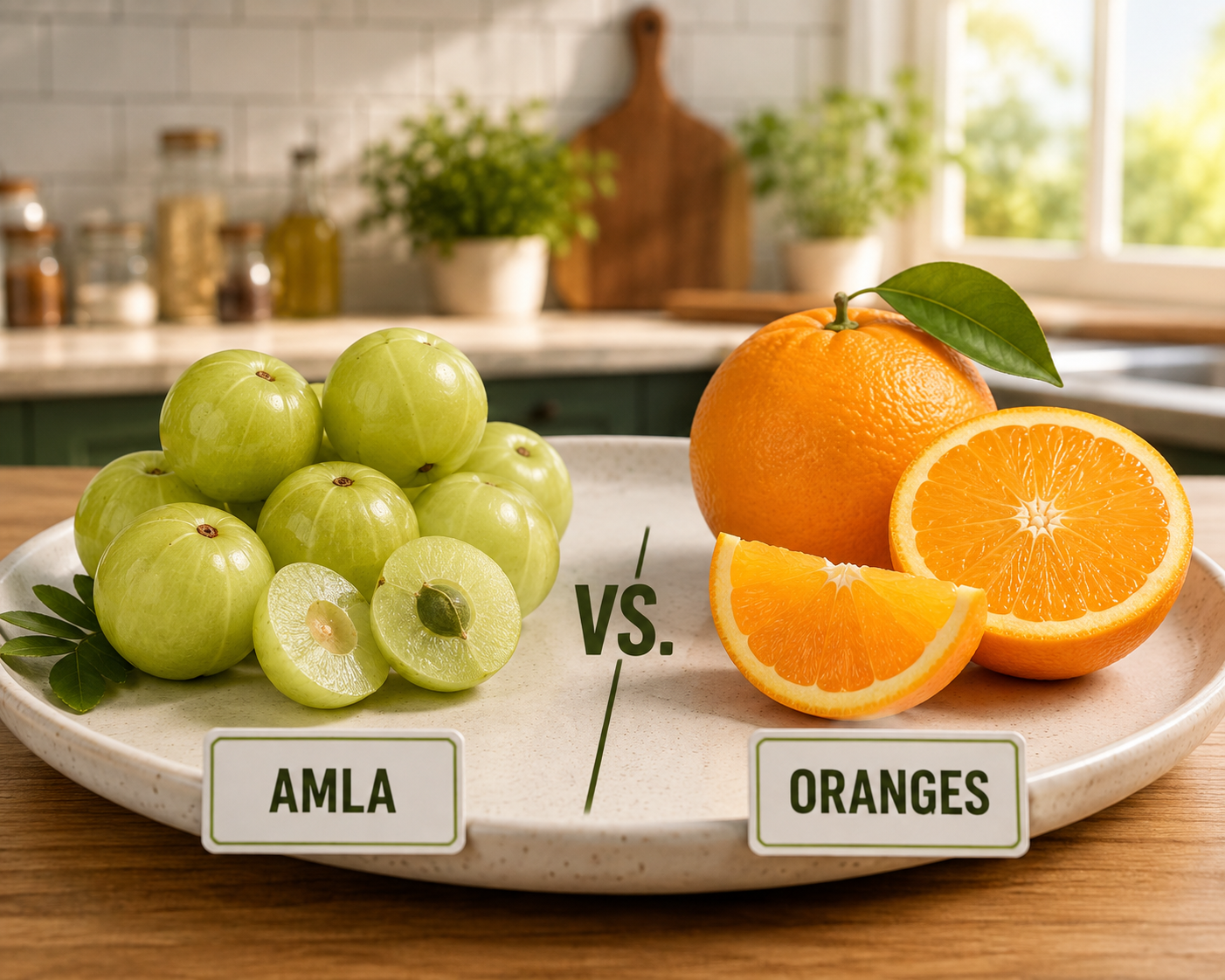
When you think of vitamin C, oranges are probably the first fruit that comes to mind. For years, oranges have been thought of as the fruit that does wonders for your immune system and protects you from vitamin C deficiency. However, if you have ever searched for the most potent natural source of vitamin C, you would have read somewhere about amla, often referred to as Indian gooseberry.
But the question is which of the two is better? Is amla actually loaded with more vitamin C than oranges, or is it just a myth?
The answer is very simple. Both fruits are nutrient-dense and packed with antioxidants, but one of the fruits is high in vitamin C. But judging fruits just on their vitamin C content is not enough to determine which fruit is healthier. Several factors influence this, like fibre, antioxidants, hydration, taste, and how easy the fruit is to eat in the everyday diet.
In this amla vs oranges article, we will go deep into each fruit, what nutrients they offer, health benefits, and vitamin C content.
What Is the Significance of Vitamin C?

Vitamin C (ascorbic acid) is a water-soluble vitamin that is important to the body. The body cannot produce it on its own. It is not stored in large quantities and so must be eaten regularly from a variety of foods.
Vitamin C plays important roles in keeping you healthy:
• Enhances immunity
• Encourages collagen production for healthy skin, bones, cartilage and blood vessels
• Improves the recovery process
• Improves the process of iron uptake from plant sources
• Prevention of oxidative stress
• Supports healthy teeth and gums
• Decreases inflammation and enhances well-being.
As per ICMR (Indian Council of Medical Research), adults require about 65–80 mg of vitamin C daily. This makes including good vitamin C sources in your daily diet essential.
Amla vs. Oranges: Vitamin C Comparison
The biggest difference between these two fruits lies in their vitamin C content.
| Nutrient (per 100 g) | Amla | Orange |
| Vitamin C | Approximately 450–700 mg | Around 50–60 mg |
| Calories | 44 kcal | 47 kcal |
| Dietary Fiber | 4.3 g | 2.4 g |
| Natural Sugar | Low | Moderate |
| Water Content | Moderate | High |
It is clear from the comparison made in the above-given table that amla contains several times more vitamin C than oranges.
Depending upon the type and freshness of amla, the vitamin C content in it can vary up to 10 times from that of oranges. In fact, the vitamin C in just amla can be sufficient to meet the daily requirements of an adult with excess.
Why Does Amla Have So Much Vitamin C?

One of the factors that makes Amla different from other vitamin C-containing items is not only the amount of vitamin C it has, but the way it preserves it.
Amla contains very strong phytochemicals such as:
- Flavonoids
- Polyphenols
- Tannins
- Gallic acid
- Ellagic acid
These substances work like protectors of vitamin C from degrading due to heat and being stored for some time, making the amount of vitamin C in amla higher than that of many other fruits even when it is dried or cooked.
Health Benefits of Amla
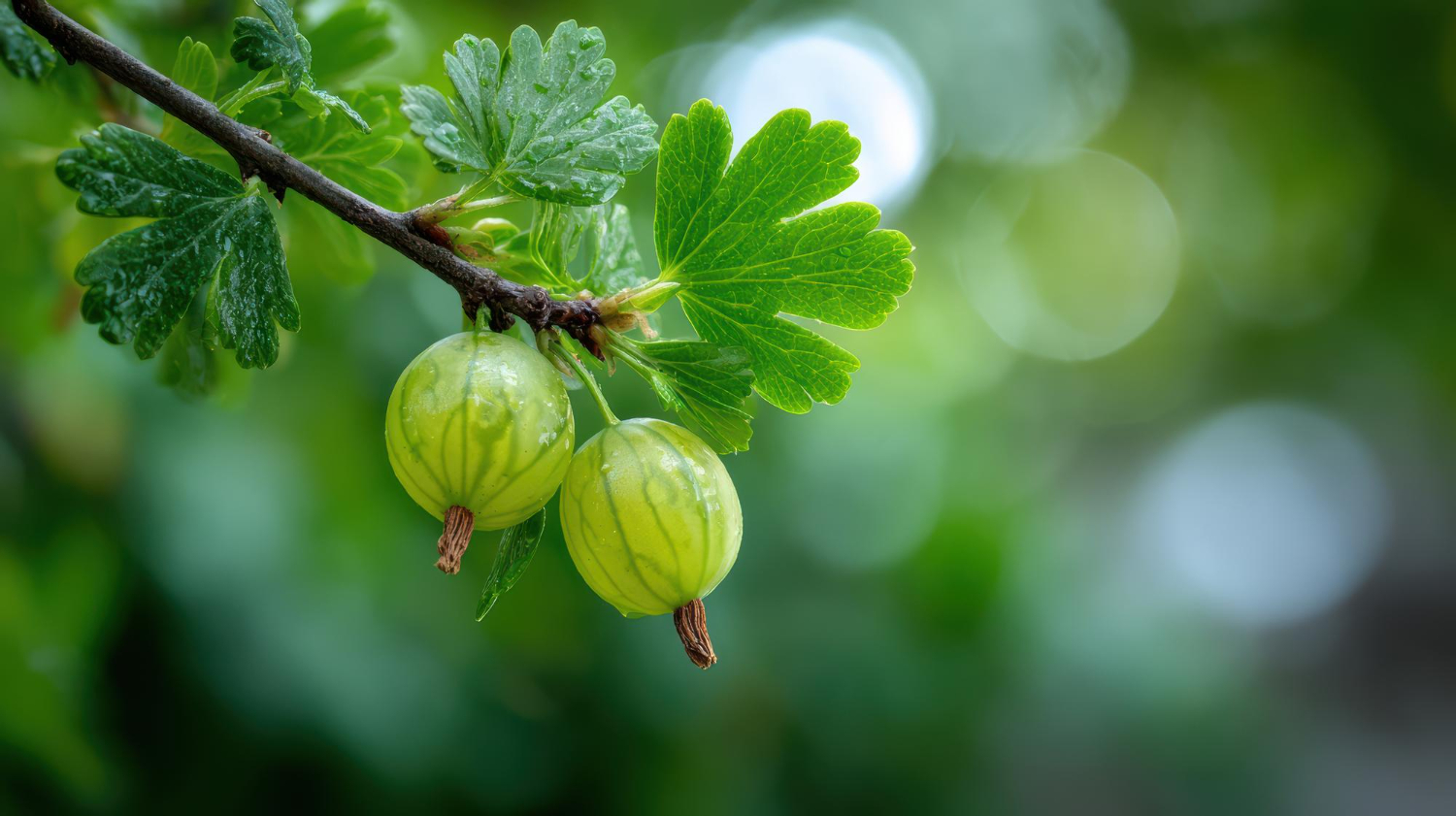
1. Exceptional Immune Support
One of the key reasons people take amla is the high level of vitamin C. Vitamin C is important for the production of immune cells, which in turn helps the body to fight off infections. Amla, together with antioxidants, may assist the body in lowering oxidative stress that contributes to several chronic diseases.
2. Improves Skin Health
Vitamin C is crucial for collagen formation, the substance that ensures proper skin elasticity and firmness.
Regular consumption of amla improves the following:
- Skin condition
- Wound recovery
- Oxidative damage
- Healthy skin
- Antioxidants in amla can also protect the skin from the negative impacts of the surroundings.
3. Promotes Hair Health
Amla has been used in traditional medicine since ancient times to support healthy hair.
Amla alone does not stop hair loss, but vitamin C helps to produce collagen, which is responsible for growing healthy hair.
4. May Improve Iron Absorption
Vitamin C helps the body absorb non-heme iron from plant foods, such as lentils or spinach. Consuming amla along with iron-rich meals may help prevent iron deficiency.
5. Contains Antioxidants
Apart from Vitamin C, amla is rich in antioxidants, which can help to protect the body from inflammation and the damage caused by free radicals, thus ensuring your heart remains at its best.
Health Benefits of Oranges

Even though oranges do not have as much vitamin C as amla, they still remain one of the healthiest fruits you can consume.
1. Good Source of Vitamin C
One medium orange contains about 70 to 90 percent of the daily value of Vitamin C for adults. This is more than enough for your daily vitamin C requirements without needing supplements.
2. High Water Content
An orange is about 89 percent water. This water content makes them an amazing fruit to keep hydrated in hot weather.
3. Good Source of Dietary Fiber
Dietary fiber is good for:
- Better digestion process
- Healthy gut bacteria
- Regulation of blood sugar levels
- Helps you stay feeling full longer
Whole oranges are better than orange juice. You will not lose out on the fiber.
4. Heart-Friendly Nutrients
Oranges are a good source of folate, potassium, and flavonoids like hesperidin, which help keep a healthy heart system and blood pressure.
Amla vs. Oranges: Which is Better for Immunity?

A comparison of amla and oranges for immunity clearly shows that amla has a higher amount of vitamin C in every ounce.
But it’s important to know that immunity is about more than Vitamin C. Your immune system is a complex network that relies on a variety of things, including good nutrition, adequate sleep, exercise, stress management, and water intake. Nevertheless, if you want to maximize vitamin C intake, then amla is the best option.
Which Fruit is Better for Skin?

Vitamin C contributes to collagen production, which makes both fruits good for skin health. Since amla has very high vitamin C levels, it can provide more benefits when it comes to collagen production and protection against oxidative stress.
On the other hand, oranges provide hydration along with vitamin C, and this has a beneficial effect on skin health.
Can Amla Be Consumed Daily?

Absolutely. Most healthy adults can safely consume one fresh amla fruit a day. The fruits can be used in the following ways:
- Eat it fresh
- Drink as a juice
- Make chutney
- Make powder
- Prepare as a pickle (with some moderation)
- Make murabba (with caution)
People who suffer from acid reflux, sensitive stomachs, or are on certain medications should seek their doctor’s advice before consuming amla in large quantities frequently.
Should You Replace Oranges with Amla?

Not really. Although amla has more vitamin C than oranges, it does not have a few key advantages over oranges:
- Better water content
- Better taste
- More convenient to include in meals
- More fiber content
- High in potassium and folate
Therefore, instead of replacing one with the other, one can be sure that both foods appear in the diet regularly.
Final Takeaway: Which Fruit Comes Out on Top?

Amla has much more vitamin C than oranges; therefore, Amla is one of the best natural sources of this vitamin. Its strong antioxidants also help improve the advantages of vitamin C since they protect it from destruction and reduce oxidative stress.
At the same time, it should be noted that oranges are another healthy fruit containing a lot of fiber, water, potassium, and a sufficient amount of vitamin C to cover daily needs. The sweetness of oranges and their easy consumption advantages allow people to eat them on a regular basis. However, the best choice is not to make one since both fruits should be eaten to gain more vitamins and nutrients, as they provide a wider variety of substances.
If you want more vitamin C, amla is the winner in this case. If you want a good and hydrating fruit that is easy to eat every day, oranges are a good variant fruit.
FAQs
1. Which has the most vitamin C content: Amla or oranges?
Varieties of Amla contain more vitamin C in comparison to oranges, and this content can approximately reach 8-10 times or higher.
2. Can one amla fulfill the daily need of vitamin C?
In many cases, one amla can have enough vitamin C to fulfill the daily need of an adult, or even a little bit more.
3. Are oranges a good source of vitamin C?
Yes. Though they contain less vitamin C, oranges are still among the leading natural sources for vitamin C and also offer fiber and potassium among other nutrients.
4. Can I eat amla together with oranges?
Yes. Using both fruits together in a healthy diet will create additional benefits due to their properties.
5. Is fresh fruit better than juice in terms of vitamin C?
Yes. Fresh fruit offers fiber and makes you feel full longer while keeping all nutrients inside the fruit, as opposed to processed fruit juices, which are full of sugar.
6. Which fruit is better for immunity: amla or orange?
These two fruits are both beneficial for the immune system due to their vitamin C content. However, amla has much more vitamin C than an orange, making it a more effective fruit for daily vitamin C consumption.
7. Does cooking amla affect its vitamin C amount?
Vitamin C is affected by heat, which means that cooking can reduce some of it. Nevertheless, amla has certain natural tannins & polyphenols that work against vitamin C’s vulnerability to heat.
8. Who should avoid eating amla in large amounts?
Amla is believed to be safe for human beings in most situations, but people with acid reflux or a sensitive stomach, people with bleeding disorders, and those on blood thinners should be careful with their amla consumption and consult their doctor about eating amla regularly.
(The article is written by Deepa Sarkar, Senior Medical Writer, and reviewed by Monalisa Deka, Deputy Manager, Clinical Health & Content, Medical Affairs)
Recommended Read:
Waking Up Early Can Help You Rise and Shine—Here’s How!
It’s Not Just You, It’s The Weather: Winter Blues Are Real And Here’s How To Fight It