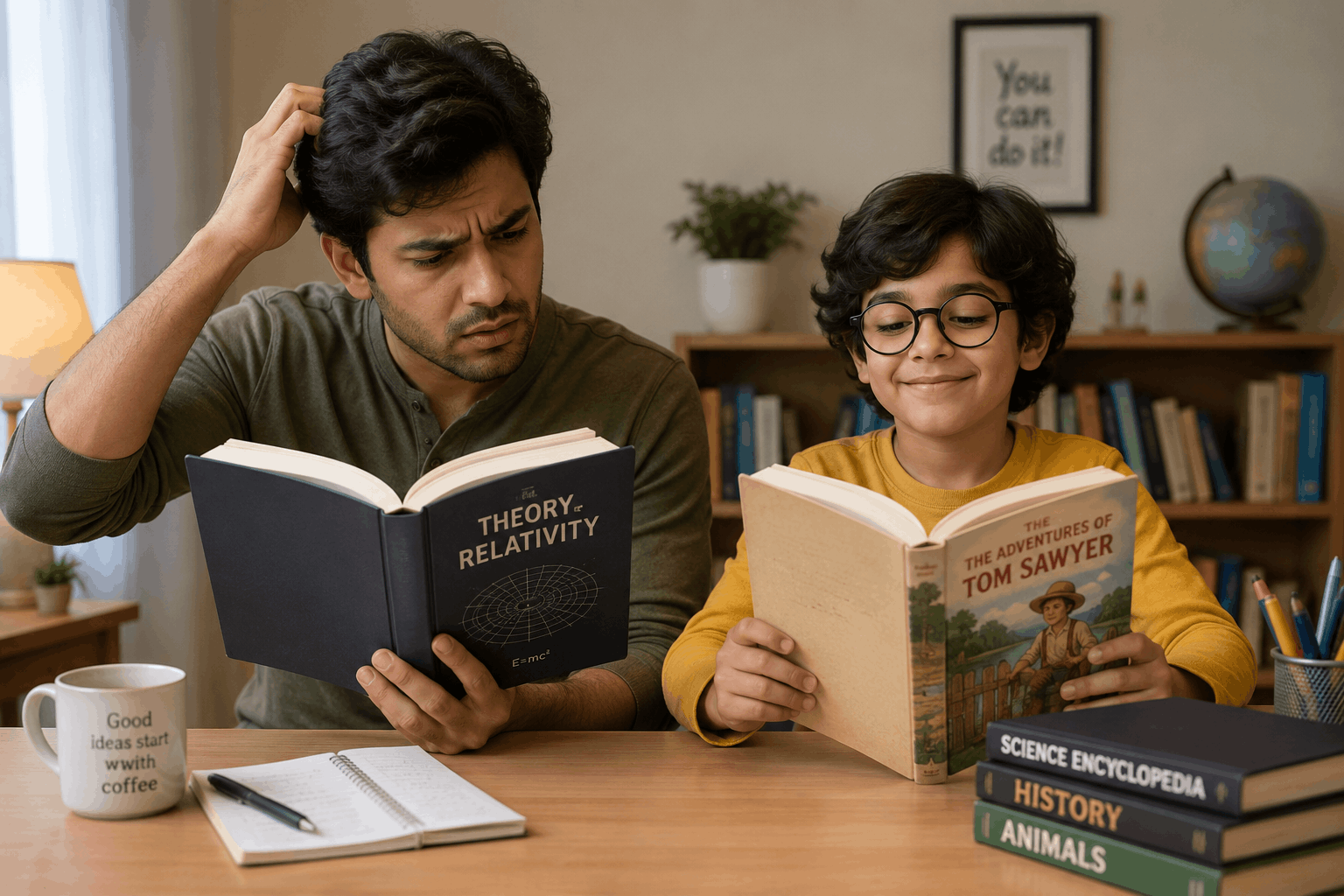
Kids seem to absorb everything around them. A new word, a tricky dance move, a new language they pick it up, and it just sticks. On the other hand, we as adults are left to wonder, “Why can’t I learn like that anymore?” What’s usually dismissed by saying children’s minds are like sponges, they absorb things around them; the real science behind this is fascinating. How their brains are wired in the early years of childhood, with rapid chemical shifts happening inside their brains and a fearless attitude toward making mistakes, a lot is going on behind the curtain. So, let’s take a look at what the science says about kids learning faster than adults.
Kids Learn Faster Than Adults: Is It True or Just a Myth?
Before looking at the “why,” we should ask the obvious question first: is this even true? The short answer is yes, but only up to a point. Kids do pick up new languages, movements, sounds, and patterns faster than most adults ever could. Researchers keep landing on the same conclusion: that the developing brain is simply wired to absorb new information more easily during those early years.
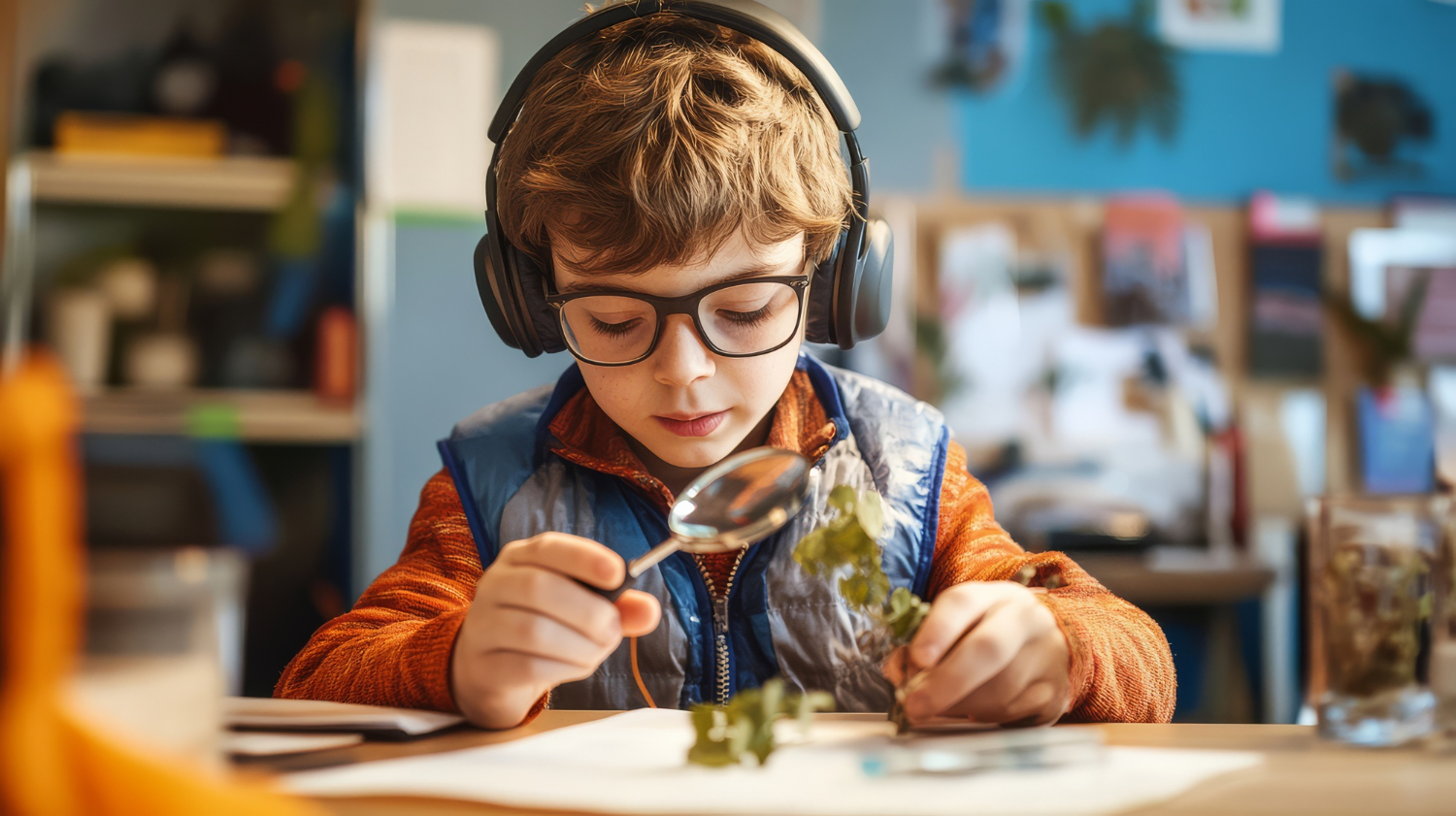
That doesn’t make adults bad learners, though. Give an adult a task that involves logic, planning, or years of accumulated experience, and they’ll often outperform a child without much effort. Where kids pull ahead is implicit learning, the kind where you pick something up naturally instead of consciously working at it. A new accent, a physical skill, a second language spoken at home. In situations like these, kids have the clear edge.
Science Behind Why Kids Learn Faster Than Adults
The GABA Chemical Advantage
Recent cognitive research points to a specific neurotransmitter called GABA. When kids learn a new skill, their brains experience a rapid skill, and this chemical and the levels stay elevated even after the lesson ends. This chemical boost acts like an instant save button for newly acquired information. Adult brains do not experience this same rapid spike. For us, new information takes much longer to stabilize, which means it is easily forgotten if we try to learn too much at once. Kids lock it in instantly [1].
Kids Learn Without Trying to Understand Everything First
Adults tend to want the full explanation before attempting anything new. Kids skip that step entirely. They pick up patterns, sounds, and movements just by being around them repeatedly, a process researchers call implicit learning [2]. This is why a toddler can nail an accent without ever studying grammar. Adults, by contrast, lean heavily on rules and logic, which slows things down even when it helps with precision later. Skipping the analysis and just absorbing input turns out to be a surprisingly efficient way to learn, at least while the brain is young enough for it to work
Not Afraid to Make Mistakes
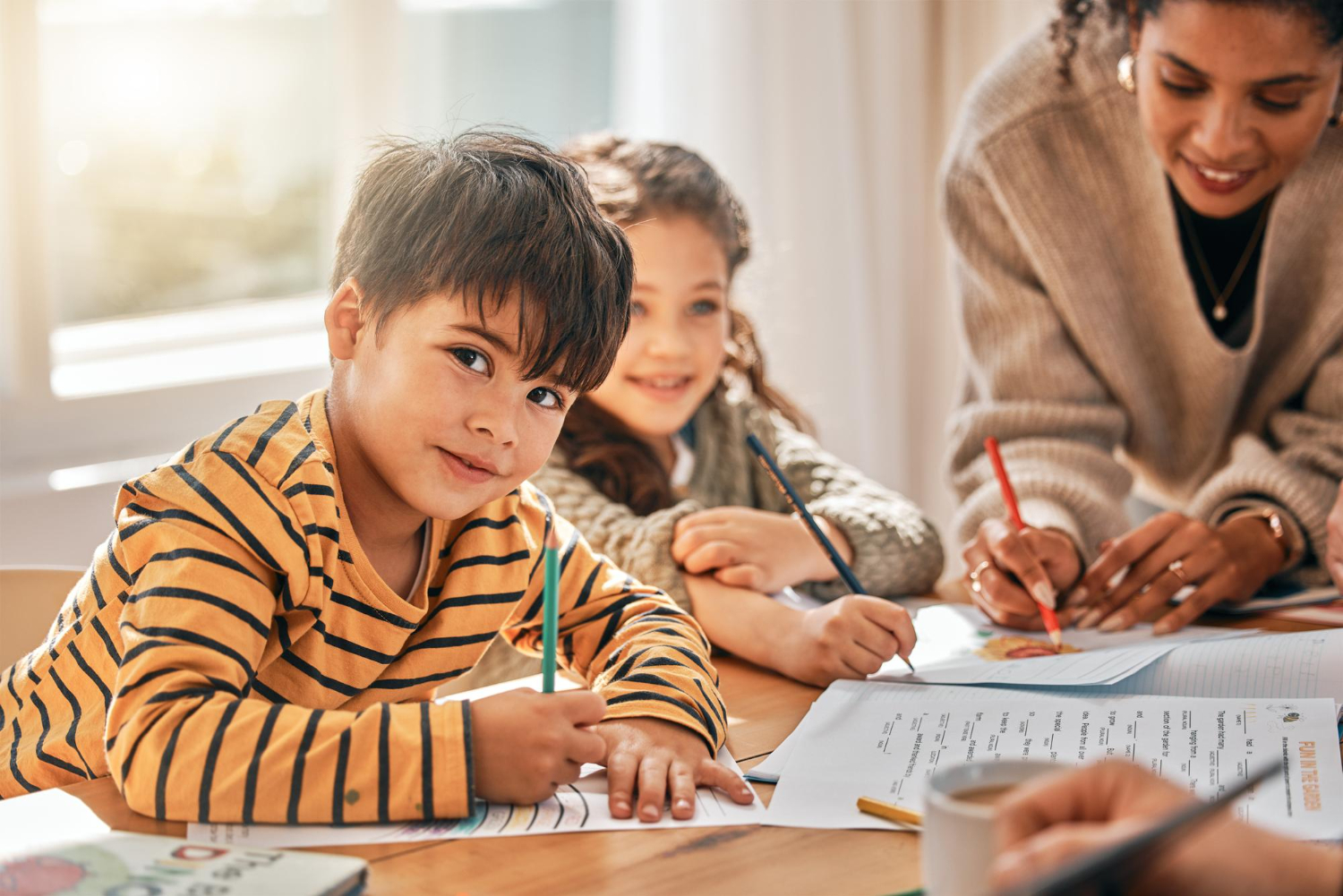
Kids just do not carry the fear adults do. They blurt out new words, get half of them wrong, and move on without a second thought. That constant trial and error is exactly what language learning runs on, since every attempt, right or wrong, adds another rep. Adults tend to hold back instead. Nobody wants to sound foolish in front of others, so a lot of practice never actually happens. That hesitation adds up. The less you speak, the slower you improve, and the cycle feeds itself. Kids skip all of this simply because they are not thinking about how they come across. They are just talking, testing, and having fun with it, and that freedom alone gives them far more practice than most adults ever allow themselves.
Their Brains Are Less Cluttered
Every time an adult learns something new, it has to fight for space against years of stored knowledge already sitting in the same neural networks. Researchers call this retrograde interference, where a similar memory formed too soon after another can partly overwrite what was just learned. Adults run into this constantly, since their brains are already packed with related associations and old habits. A child’s brain simply carries less baggage. With fewer competing memories in the way, new information has an open runway to settle in, instead of getting tangled up with something learned years before.
Highly Flexible Brain
During the early years of life, a child’s brain is highly adaptable, a state scientists call neuroplasticity. They are born with more neurons than they will actually need, creating a blank canvas ready to be wired. Every time they hear a new word or try a physical movement, their brain effortlessly builds fresh neural pathways. While adult brains are highly efficient at executing familiar routines, they have lost this raw malleability. We have to work much harder to forge new connections because our neural pathways are deeply set [3].
It’s the Little Things: 5 Everyday Habits That Make Kids Feel Truly Loved
How Can Adults Learn Better?
While adults may not have the same brain chemistry or flexibility as children, they have something equally valuable: experience. The key is to work with your brain instead of against it. Research shows that learning is more effective when it’s spread out over time rather than crammed into a single session. Revisiting information regularly, getting enough sleep, and practicing what you’ve learned all help strengthen memories. Just as importantly, don’t wait until you feel “ready.” Children learn because they’re willing to try, make mistakes, and keep going. Adopting the same mindset can make a surprising difference. Your brain may not learn the same way it did in childhood, but it can still adapt and build new connections throughout life.
FAQs
Why do kids learn languages faster than adults?
Their brains still hear every language’s sounds, and less self-judgment lets them speak, get it wrong, and keep practicing anyway.
What chemical helps children learn quickly?
A neurotransmitter called GABA spikes rapidly in children during learning, which helps stabilize and lock in new information.
Do children actually learn everything faster than adults, or just language?
Not everything. Some studies show adults pick up new motor skills quicker, since experience helps them process instructions faster.
Why do adults struggle to learn new things?
Adult brains have deeply set neural pathways and a fully developed pre-frontal cortex, making them more prone to overthinking.
References
1- Frank SM, Becker M, Qi A, Geiger P, Frank UI, Rosedahl LA, et al. Efficient learning in children with rapid GABA boosting during and after training. Curr Biol. 2022 Dec 5;32(23):5022-5030.e7. doi:10.1016/j.cub.2022.10.021.
2- Gualtieri S, Finn AS. The sweet spot: when children’s developing abilities, brains, and knowledge make them better learners than adults. Perspect Psychol Sci. 2022;17(5):1322-3 8. doi:10.1177/17456916211045971
3- Pikul C. Why do children learn more quickly than adults? A new study offers clues. Providence (RI): Brown University; 2022 Nov
(The article is written by Ehsan Siddiqui, Team Lead, Clinical Health & Content and reviewed by Monalisa Deka, Senior Health Content Editor)
Recommended Reads:
Cortisol Face: The Viral Term That Has Everyone Looking in the Mirror