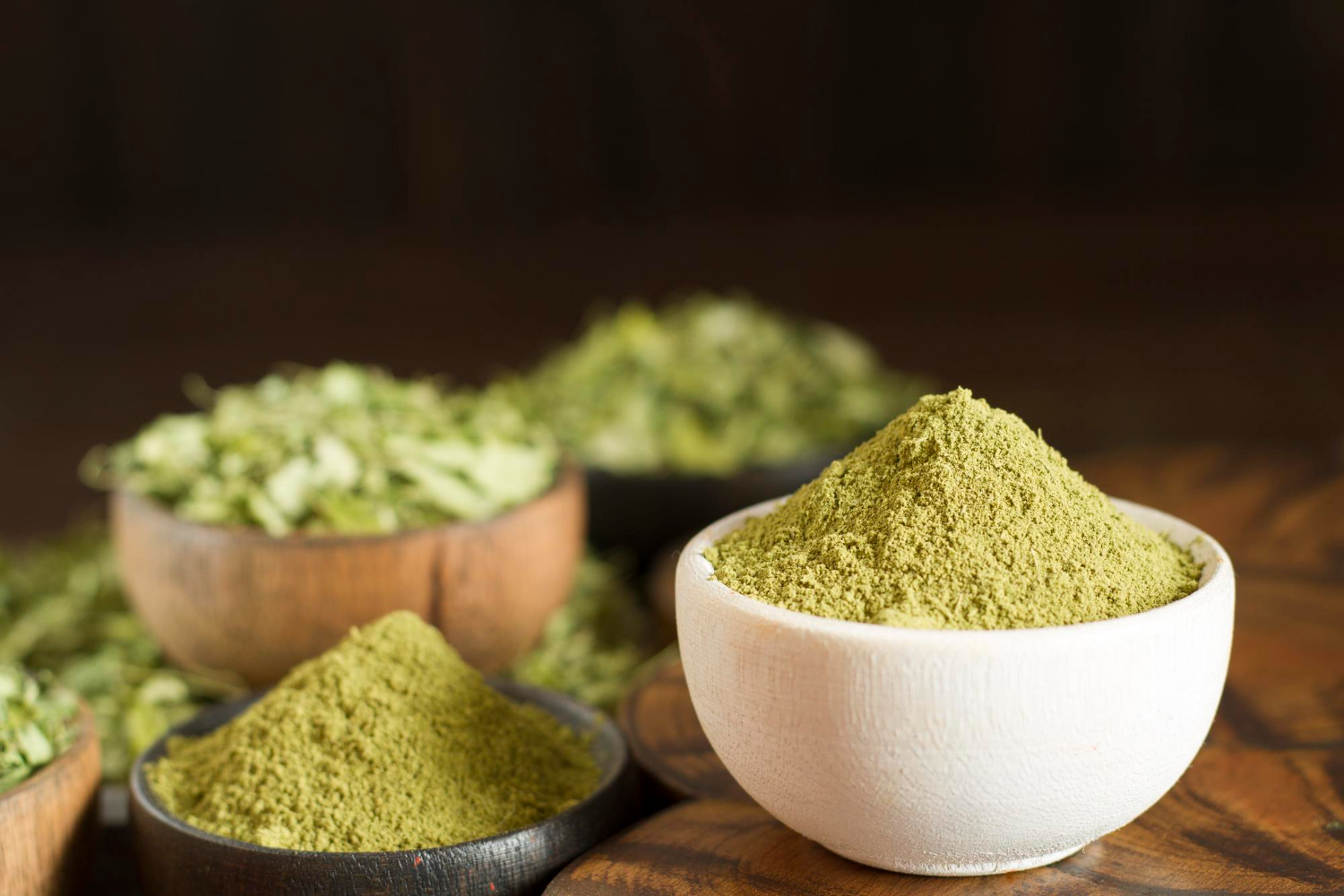
You’ve probably heard moringa being called a superfood. And unlike most things that get that label, moringa actually earns it. Particularly when it comes to calcium.
Most people associate calcium with dairy. Milk, paneer, and curd. But moringa leaves contain more calcium per gram than milk does. For anyone who is lactose intolerant, vegan, or simply not eating enough dairy, that’s a genuinely useful thing to know.
The problem is that most people don’t know what to actually do with moringa leaves. They buy the powder, stir it into water once, find the taste too strong, and never use it again. These five recipes solve that problem. Each one is practical, uses ingredients you already have at home, and is designed to make moringa something you actually want to eat rather than something you force down for health reasons.
Why Moringa Leaves Specifically?
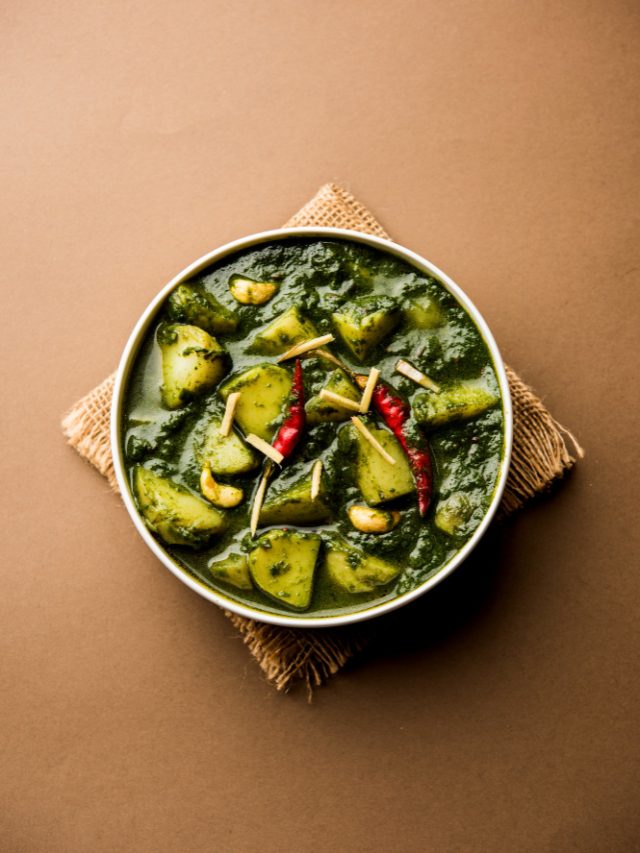
Fresh moringa leaves and moringa powder are both useful, but they behave differently in cooking. Fresh leaves are milder in flavor, easier to cook with, and can be added to everyday Indian dishes without changing the taste dramatically. Moringa powder is more concentrated and works better in drinks and smoothies where you want maximum nutrition in minimum volume.
Both forms provide calcium, iron, vitamin C, and a complete amino acid profile that’s unusual for a plant food. The vitamin C content is particularly relevant because it helps your body absorb the non-haem iron in moringa more effectively.
Three things make moringa stand out for calcium specifically. The calcium content is high, the bioavailability is reasonable compared to other plant sources, and the vitamin K and magnesium in moringa both support how your body actually uses the calcium it absorbs. You’re not just getting the mineral; you’re getting the supporting nutrients that make it work.
What’s Actually In Moringa Leaves?
| Nutrient | Amount per 100g fresh leaves | Why It Matters |
| Calcium | ~185mg | Higher than whole milk per gram |
| Iron | ~4mg | Supports energy and blood health |
| Vitamin C | ~51mg | Boosts iron absorption |
| Protein | ~9g | Complete amino acid profile |
| Vitamin A | ~378mcg RAE | Eye health, immunity |
| Magnesium | ~42mg | Supports calcium absorption |
| Potassium | ~337mg | Heart and muscle function |
| Vitamin K | ~141mcg | Directs calcium to bones |
Source: USDA FoodData Central. Values are approximate and may vary based on growing conditions.
5 Moringa Recipes Rich in Calcium
1. Moringa Dal (The Everyday One)
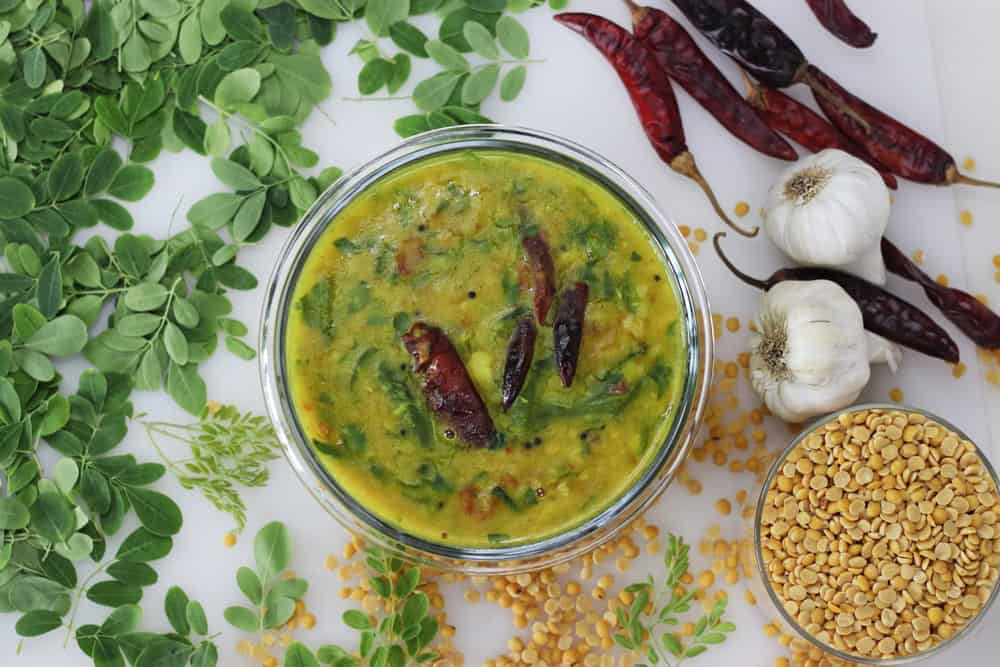
If you eat dal regularly and you’re looking for the easiest possible way to get moringa into your diet without changing anything about your routine, this is it. You add moringa leaves to your dal the same way you’d add spinach or methi. The flavor blends in almost completely.
Moong dal or toor dal both work well. The moringa leaves soften quickly and take on the flavor of the tempering rather than asserting their own taste. One bowl of moringa dal gives you a meaningful dose of calcium, iron, and plant protein in a format that feels like a regular meal rather than a health exercise.
How to make it: Cook your dal as you normally would. In the last five minutes of cooking, add a generous handful of fresh moringa leaves, roughly half a cup. Let them wilt into the dal. Make your usual tadka of mustard seeds, jeera, garlic, and dried red chili in ghee or oil and pour it over. Serve with rice or roti. That’s it.
When to eat it: Lunch is the best time. The protein and iron in moringa dal support sustained energy through the afternoon, and the fat from the ghee tadka helps with the absorption of the fat-soluble vitamins.
2. Moringa Paratha
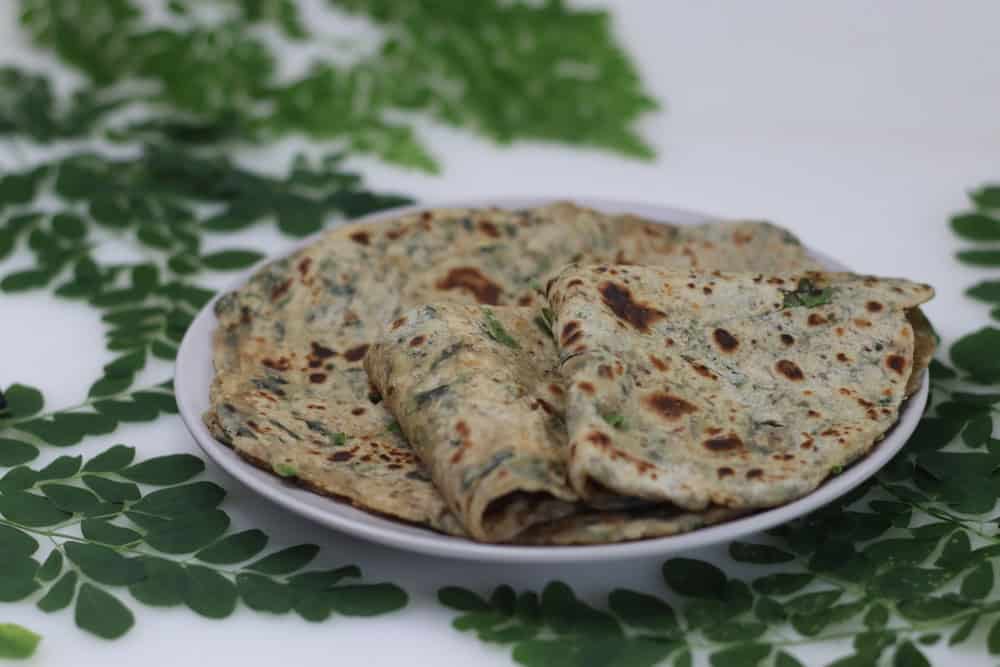
This one is for people who want to sneak moringa into something the whole family will eat without knowing it’s there. The moringa leaves get mixed directly into the dough, which turns a pleasant shade of green. Kids usually find this more appealing than suspicious.
Moringa paratha gives you calcium from the leaves alongside the iron and B vitamins from the whole wheat flour. Served with curd, you’re getting calcium from two sources in one meal, which matters if you’re trying to meet your daily requirement.
How to make it: Wash and finely chop a large handful of fresh moringa leaves. Mix them directly into whole wheat dough along with salt, a pinch of ajwain, and a little ghee. Knead well and let it rest for fifteen minutes. Roll out and cook on a tawa as you normally would. Serve with curd and pickle. If you want a stuffed version, you can mix the chopped moringa with mashed potato, green chili, and chaat masala as a filling instead.
When to eat it: Breakfast or lunch. The combination of complex carbohydrates from the wheat and calcium from the moringa makes this a strong morning meal that keeps you full and nourished through the first half of the day.
3. Moringa Soup

Most homemade soups are thin and not particularly filling. This one is different because moringa leaves add body, nutrition, and a mild earthiness that works really well with garlic and black pepper. It’s a good option for evenings when you want something warm and light but don’t want to feel hungry an hour later.
The combination of moringa, garlic, and black pepper is also worth noting for practical reasons. Black pepper contains piperine, a compound that enhances the absorption of several nutrients. Combined with the vitamin C in moringa, you’re giving your body the best possible chance of actually using what it’s absorbing.
How to make it: Sauté finely chopped onion and garlic in a teaspoon of olive oil or ghee until soft. Add two cups of fresh moringa leaves and stir for two minutes. Add three cups of water or light vegetable stock, salt, and black pepper. Simmer for ten minutes. Blend partially if you want a thicker consistency or leave it as is for a broth-style soup. Squeeze half a lemon in before serving.
When to eat it: Evening, about an hour before dinner, or as a light dinner itself. The warmth and the protein from the moringa make it genuinely satisfying without being heavy before sleep.
4. Moringa Chutney
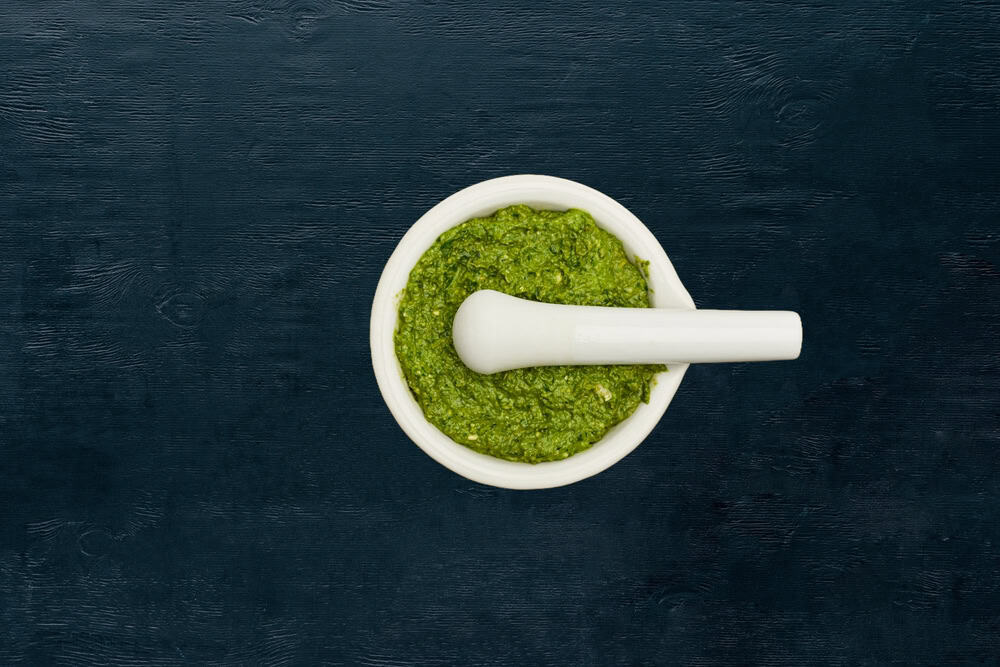
This might be the most underrated way to eat moringa. A well-made moringa chutney is genuinely delicious, not just nutritious, and it goes with almost everything. Roti, rice, idli, dosa, paratha, sandwiches. A small serving of this chutney with any meal adds a useful hit of calcium, iron, and vitamin C without requiring any separate effort.
Because it’s eaten in small quantities, it’s also the easiest way to introduce moringa to family members who are skeptical about the taste. A good chutney overpowers any bitterness, and the flavour becomes something people actually look forward to.
How to make it: Dry roast a handful of fresh moringa leaves on a pan for two to three minutes until slightly wilted and fragrant. In a blender, combine the moringa leaves with a small piece of ginger, one or two green chilies, a tablespoon of roasted chana dal or fresh coconut, salt, and a squeeze of lemon. Blend to a smooth paste, adding a little water if needed. Temper with mustard seeds and curry leaves in a teaspoon of oil and mix in. Keep in the fridge for three to four days.
When to eat it: With any meal. A tablespoon or two alongside breakfast, lunch, or dinner adds calcium and iron without changing what you’re already eating.
5. Moringa and Egg Scramble
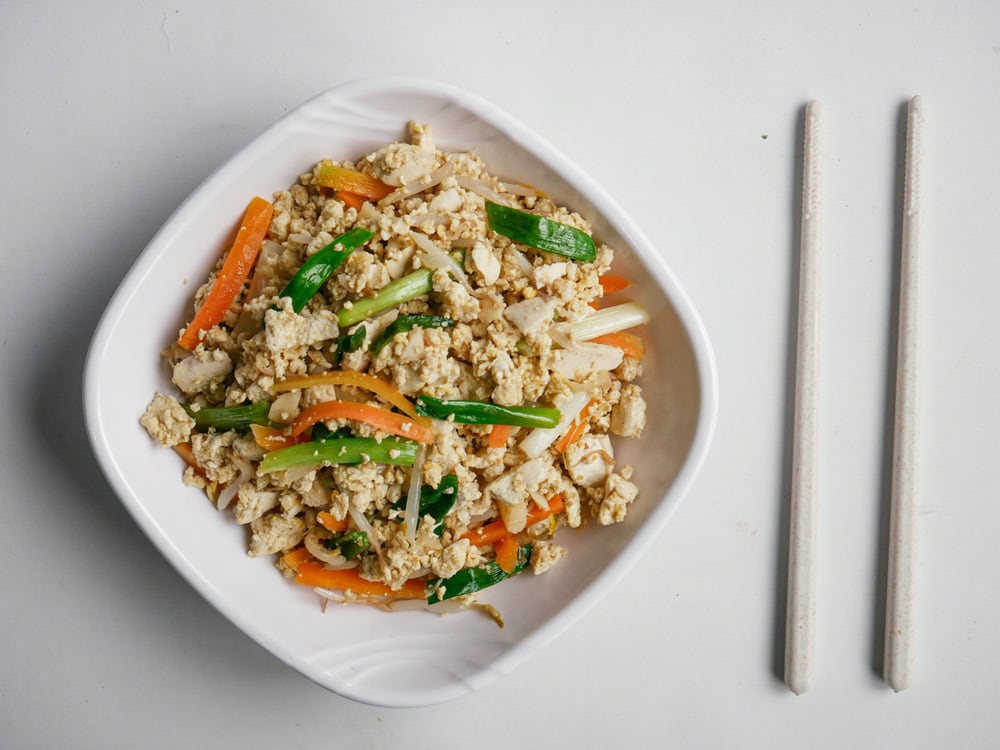
This one is for people who eat eggs and want the most nutritionally dense breakfast they can make in under ten minutes. Eggs provide complete protein, B12, and fat-soluble vitamins. Moringa adds calcium, iron, and vitamin C. Together they cover more nutritional ground than almost any other quick breakfast combination.
The flavor works well because eggs are mild and absorb the seasoning they’re cooked with. Moringa leaves wilt quickly in a hot pan and blend into the scramble without dominating it.
How to make it: Heat a teaspoon of ghee or oil in a pan. Add finely chopped onion and green chili and cook until soft. Add a generous handful of moringa leaves and stir for one minute until wilted. Beat two eggs with salt and pepper and pour over the moringa mixture. Scramble gently on medium heat until just set. Serve on toast or with roti. Add a pinch of turmeric and cumin if you want more flavor.
When to eat it: Breakfast, ideally. The protein from eggs and calcium from moringa together set you up well for the morning and reduce the likelihood of snacking before lunch.
A Few Things Worth Knowing Before You Start
Fresh moringa leaves are widely available in South India and are increasingly easy to find in vegetable markets across the country during the right season. Moringa powder is available year-round and can substitute for fresh leaves in most of these recipes, though the flavor is stronger and the quantity should be adjusted, typically one teaspoon of powder for every handful of fresh leaves.
Don’t overcook moringa leaves. Heat destroys some of the vitamin C content. Adding them in the last few minutes of cooking, as in the dal recipe, preserves more of the nutritional value than cooking them from the start.
If you’re pregnant or on thyroid medication, check with your doctor before adding large amounts of moringa to your diet regularly. Moringa has been traditionally used to support lactation, but the concentrated extract form is different from the culinary use of the leaves and warrants medical guidance during pregnancy.
For anyone interested in using moringa specifically for weight management alongside these recipes, this guide on moringa for weight loss and easy ways to add it to your daily diet covers that angle in detail.
How To Get The Most Calcium From Moringa
Calcium absorption isn’t just about how much you eat. It’s about what you eat it with and how your body processes it.
Pair moringa with vitamin C-rich foods. Lemon juice squeezed over moringa dal or soup significantly improves iron and calcium absorption. Most of these recipes already include lemon for this reason.
Avoid eating moringa at the same time as very high-oxalate foods like spinach or beetroot in large quantities. Oxalates can bind to calcium and reduce absorption. In normal meal-sized quantities this isn’t a significant concern, but it’s worth knowing.
Vitamin D is essential for calcium absorption. Moringa doesn’t contain meaningful vitamin D, so make sure you’re getting sun exposure or have your vitamin D levels checked if calcium absorption is a priority for you.
If you want a broader understanding of everything moringa supports beyond calcium, including how to build it into your daily routine in ways that actually stick, this overview of how moringa supports your health and simple ways to eat it every day is a useful read.
Something a Little Different
If you’ve been using moringa for a while and want to try something outside the usual Indian cooking context, the combination of moringa and Japanese matcha is worth knowing about. Both are high in antioxidants, both support energy without caffeine spikes, and together they make a drink that’s genuinely different from anything else. This piece on Indian moringa meets Japanese matcha explains how to make it and why the combination works.
FAQs
Can I use moringa powder instead of fresh leaves in these recipes?
Yes. Use one teaspoon of moringa powder for every large handful of fresh leaves. The flavor of the powder is stronger and slightly more bitter, so start with less and adjust. For soups and chutneys, it works well. For parathas and dal, it blends in easily.
How much moringa should I eat per day?
For culinary use, one to two handfuls of fresh leaves or one to two teaspoons of powder daily is appropriate for most adults. More than that isn’t necessary and very high doses of moringa extract supplements have not been studied for long-term safety.
Does cooking moringa destroy its calcium?
Calcium is a mineral and is heat-stable, so cooking does not destroy it. Some vitamin C is lost with prolonged heat, which is why adding moringa near the end of cooking is recommended. The calcium content remains intact regardless of cooking method.
Is moringa safe to eat every day?
Yes, as a food. Using moringa leaves in everyday cooking the way you would use any leafy green is safe for most healthy adults. Moringa supplements in concentrated extract form are a different matter and should be used with more caution.
Which is better, fresh moringa leaves or moringa powder?
Both have their place. Fresh leaves are better for cooking and have a milder flavour. Moringa powder is more concentrated, more convenient, and available year-round. For the recipes in this article, fresh leaves give the best results. For drinks and smoothies, powder is easier.
Can children eat moringa?
Yes. Moringa is a traditional ingredient in South Indian cooking and has been eaten by children for generations. The dal and paratha recipes in particular are well-suited for family meals. Avoid giving concentrated moringa supplements to children without medical advice.
References
- USDA FoodData Central. Moringa leaves, raw. Available from: https://fdc.nal.usda.gov/fdc-app.html#/food-details/168409/nutrients
- Fuglie LJ. The Miracle Tree: Moringa oleifera, Natural Nutrition for the Tropics. Church World Service; 1999. Available from: https://www.moringanews.org/documents/moringabibok.pdf
(The article is written by Mantasha, Sr. Executive, Clinical Health & Content, and reviewed by Monalisa Deka, Deputy Manager, Clinical Health & Content, Medical Affairs.)
Recommended Reads