







Oflacod 50mg Syrup
Ofloxacin (50mg/5ml)
 Genuine
Authenticity Assured
 Prescription
required
Oflacod 50mg Syrup is an antibiotic medicine. It is commonly given to children for the treatment of a wide range of bacterial infections targeting the eyes, ears, nose, throat, lungs, skin, and urinary tract. Oflacod 50mg Syrup is also a part of the multidrug-resistant tuberculosis (MDR-TB) treatment regimen.
Written By Dr. Anuj Saini, MMST, MBBS,
Reviewed By Dr. Rajeev Sharma, MBA, MBBS,
Last updated on 12 Mar 2026 | 12:43 PM (IST)
Written By Dr. Anuj Saini, MMST, MBBS,
Reviewed By Dr. Rajeev Sharma, MBA, MBBS,
Last updated on 12 Mar 2026 | 12:43 PM (IST)
Save more with additional offers

Assured cashback up to ₹300*. T&C Apply*
Assured cashback up to ₹300*. T&C Apply*


Get up to ₹75 cashback on a minimum order value (MOV) of ₹499 and above, valid once per customer.
Get up to ₹75 cashback on a minimum order value (MOV) of ₹499 and above, valid once per customer.
Get upto Rs.500 Cashback on minimum transaction of Rs.999/- with Mobikwik Wallet.
Get upto Rs.500 Cashback on minimum transaction of Rs.999/- with Mobikwik Wallet.
Assured cashback up to ₹300*. T&C Apply*
Assured cashback up to ₹300*. T&C Apply*
Get up to ₹75 cashback on a minimum order value (MOV) of ₹499 and above, valid once per customer.
Get up to ₹75 cashback on a minimum order value (MOV) of ₹499 and above, valid once per customer.
Get upto Rs.500 Cashback on minimum transaction of Rs.999/- with Mobikwik Wallet.
Get upto Rs.500 Cashback on minimum transaction of Rs.999/- with Mobikwik Wallet.
Get upto Rs.150 Cashback on minimum transaction of Rs.599/- with Mobikwik UPI.
Get upto Rs.150 Cashback on minimum transaction of Rs.599/- with Mobikwik UPI.
General Information

The content is shown in English




All substitutes for Oflacod 50mg Syrup
For information purposes only. Consult a doctor before taking any medicine.
Zygolox Syrup
by Zygal Pharmaceuticals Pvt Ltd
₹28.13/syrup
37% cheaper
Ofla 50mg/5ml Syrup
by Khandelwal Laboratories Pvt Ltd
₹30.94/syrup
30% cheaper
Oks 50mg/5ml Syrup
by Unimarck Healthcare Ltd
₹33.75/syrup
24% cheaper
Mintof 50mg Syrup
by Mint Life Sciences Pvt Ltd
₹41.25/syrup
7% cheaper
Oflobid 50mg/5ml Syrup
by Olcare Laboratories
₹30.94/syrup
30% cheaper
Safety advice
Kidney
CAUTION
Oflacod 50mg Syrup should be used with caution in patients with severe kidney disease. Dose adjustment may be needed.
Liver
CAUTION
Oflacod 50mg Syrup should be used with caution in patients with liver disease. Dose adjustment may be needed.
However, discontinue its use immediately if signs or symptoms of hepatitis like vomiting, paleness, and weakness is observed.
However, discontinue its use immediately if signs or symptoms of hepatitis like vomiting, paleness, and weakness is observed.
Related lab tests
References
- Garcia-Prats AJ, Draper HR, Thee S, et al. Pharmacokinetics and Safety of Ofloxacin in Children with Drug-Resistant Tuberculosis. Antimicrob Agents Chemother. 2015;59(10):6073-6079. [Accessed 04 Jan. 2021] (online) Available from:

- MacDougall C. Sulfonamides, Trimethoprim-Sulfamethoxazole, Quinolones, and Agents for Urinary Tract Infections. In: Brunton LL, Hilal-Dandan R, Knollmann BC (Editors). Goodman & Gilman's: The Pharmacological Basis of Therapeutics. 13th ed. New York, New York: McGraw-Hill Medical; 2018. p. 1017.
- World Health Organization. The selection and use of essential medicines: report of the WHO Expert Committee on Selection and Use of Essential Medicines, 2019 (including the 21st WHO Model List of Essential Medicines and the 7th WHO Model List of Essential Medicines for Children). [Accessed 04 Jan. 2021] (online) Available from:
Related products
Products related to Oflacod 50mg Syrup
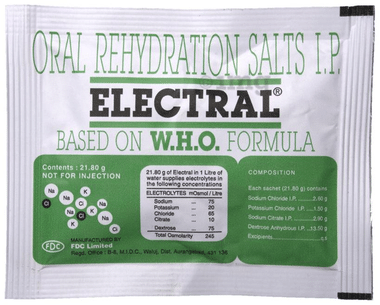


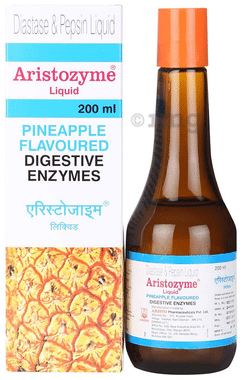
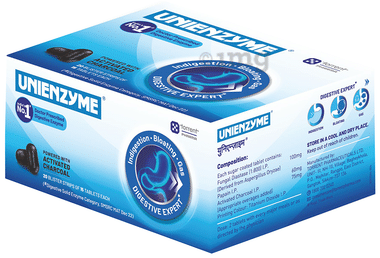

100% genuine products
Safe & secure payments
No contact delivery
Fully sanitized facilities
Want to know more
We provide you with authentic, trustworthy and relevant information
Have issue with the content
Why we need a prescription?

