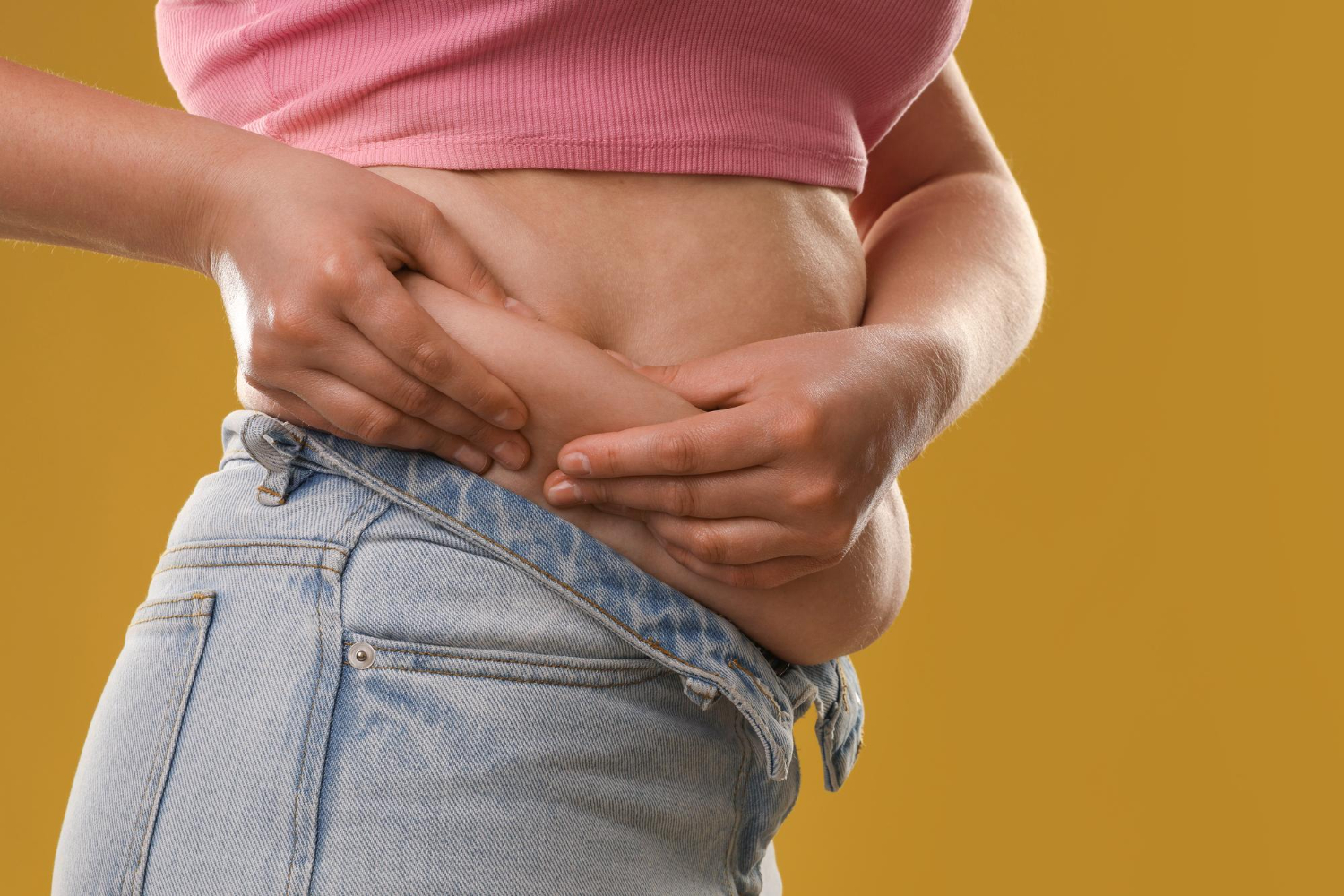
Belly fat is among the most frequently discussed topics in the context of weight loss but is also plagued by various myths. Claims that doing crunches may help you achieve a flat tummy, or that a specific drink may help you make the abdominal fat on your stomach vanish, are just some examples of how common beliefs may greatly oversimplify the way body fat works.
In fact, the way fat is stored in the body depends on a variety of factors, including genetics, hormones, age, dietary habits, physical activity levels, and energy balance. While some abdominal fat is stored under the skin, visceral fat is stored in the abdominal cavity and poses a threat to metabolic health.
If you are planning to get rid of your belly fat, knowing what really works may save you from ineffective diets, unrealistic expectations, and unnecessary limitations. Check out seven common misconceptions that physicians wish everyone stopped believing.
Myth1: You Can Lose Stomach Fat By Doing A Lot Of Crunches

Crunches, sit-ups, and other exercises for the abdominal muscles can strengthen your core, but they do not burn fat located over that muscle.
This is because the body does not usually take fat from a specific location being exercised. Energy is utilized from the entire body during exercise, not from just the muscles being exercised.
That is not to say that abdominal exercises have no value. A stronger core will help you with more stability, better posture, and better performance of your daily activities. However, you can lose fat around your belly through regular physical activity, strength training, eating enough protein, and eating well.
What to do instead? Make sure you are doing core exercises as part of your fitness program.
Myth 2: Certain Foods Can “Melt” Belly Fat
 You may have been informed that lemon, ginger, chili, green tea, or apple cider vinegar directly go after that belly fat. Some foods and drinks have good nutritional properties but no food will have the power to melt belly fat.
Weight management is about the big picture — your eating patterns, physical activity, sleep, and how much energy you consume. Foods high in protein and fiber can act through mucus to fill you up for a longer time, while less processed foods generally make it easier to maintain a balanced diet.
Knowing that certain compounds, like caffeine, can have a small effect on energy expenditure, no single food ingredient is powerful enough to directly target belly fat for elimination.
So what works? Provide platefuls of vegetables, fruits, whole grains, legumes, lean proteins, nuts, and seeds while including highly processed, calorie-dense foods in moderation.
Myth 3: Detox Drinks Eliminate Belly Fat
 Detox drinks are often advertised to help you get rid of belly fat. But naturally, we have organs in our bodies that do this all the time, like the liver and kidneys.
Because of the ingredients they contain, detox drinks can make a person feel less bloated at that particular moment. However, this does not equate to fat loss.
It is possible that some detox drinks even contain ingredients with laxative effects, which leads to changes in body weight yet again, but this is due to fluid loss rather than fat loss.
What should you do then? Drink plenty of water, eat right, and exercise, instead of relying on any detox products promising a quick fix.
Myth 4: Carbs Automatically Cause Belly Fat
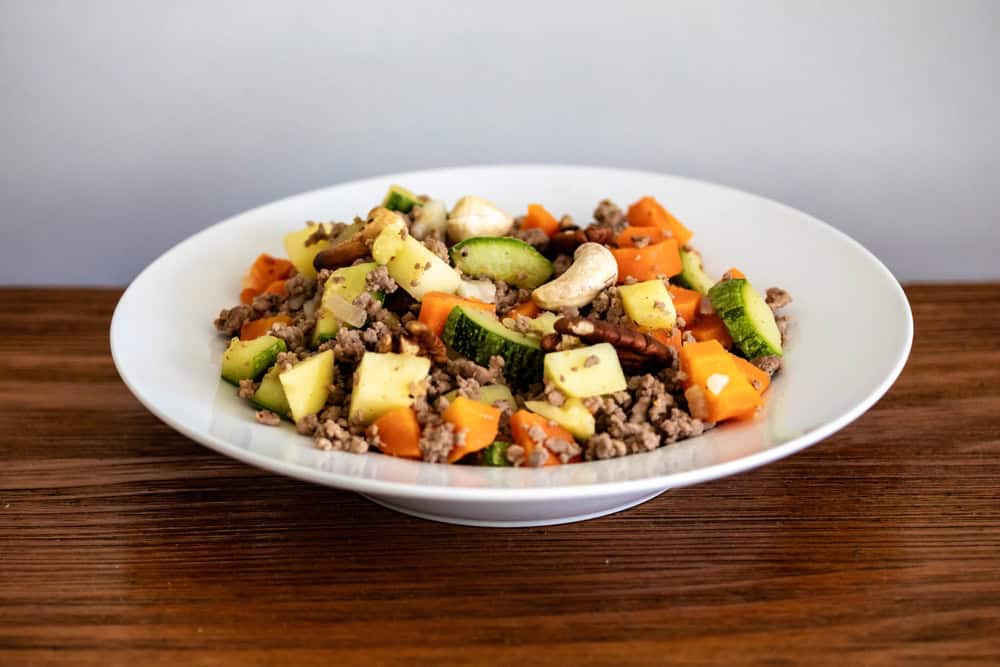
People tend to accuse carbohydrates of contributing to being overweight in the area around the abdomen. However, it is not carbohydrates in and of themselves that lead to weight gain, since some sources of carbohydrates are rich in nutrients and energy as long as they are whole or not processed too much.
The truth is that whole grain products, beans and lentils, and various fruits and vegetables provide carbohydrates as well as fiber, vitamins, minerals, and many other good substances.
What is important here is to talk about the quality and quantity of food we are consuming. Eating too many refined carbohydrates, sweet drinks, candies, and heavily processed foods might lead to consuming excess calories;
What is the right thing to do? Choose high-fiber carbohydrate sources more often instead of refined ones and control portions of food.
Myth 5: You Need To Completely Avoid Fat To Lose Belly Fat
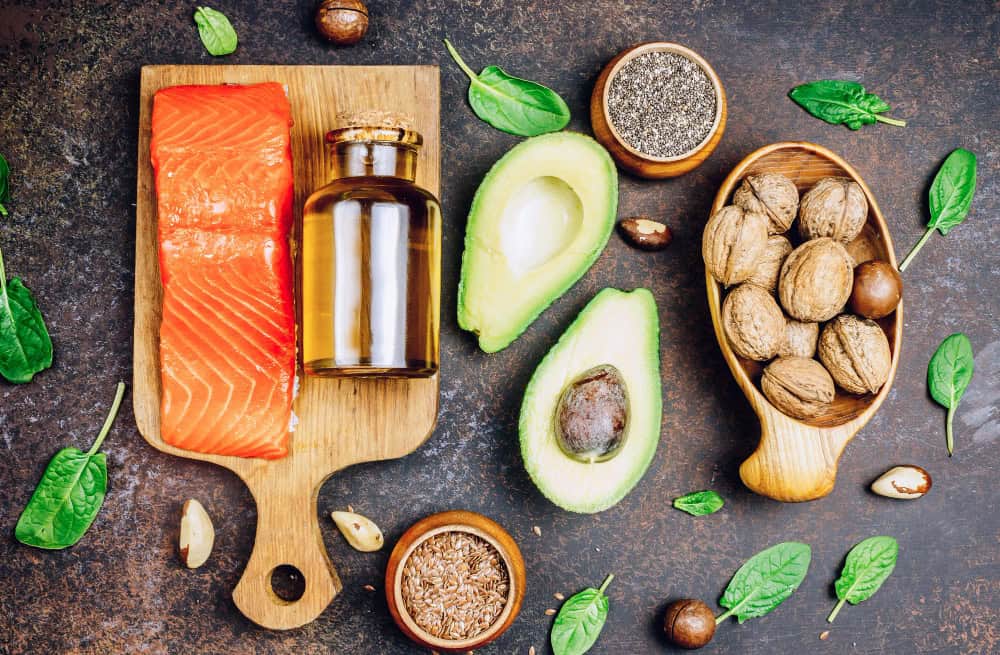
An enduring myth is that eating fat-free will mean that you will be able to gain body fat. In fact, fats in food items help make up a well-balanced diet and help your body absorb all fat-soluble vitamins.
There are some food items that contain good fats, such as nuts, seeds, avocados, and specific vegetable oils. Fats are also responsible for the tastiness and deliciousness of the meal.
However, fats are calorie-dense, which means paying particular attention to the portions. Thus, even healthy fats may lead to the consumption of additional calories if too many fats are eaten.
What should be done instead: It is advisable to include moderate amounts of healthy fats in the eating routine.
Myth 6: More Sweating Equals More Belly Fat Burned

If you have just finished a tough workout and are soaked in sweat, you might think that you’ve lost a lot of fat in the process. In reality, sweating is simply a way of keeping the body cool.
Temperature, humidity, exercise intensity, clothing, and individual physiology all influence the amount of sweat produced. You might lose some weight temporarily after a serious sweat session. But when you drink water again, your body regains that weight.
Exercise is still crucial for maintaining healthy body composition, while sweating doesn’t play a role in fat loss.
Myth 7: Losing Belly Fat Quickly Is Better
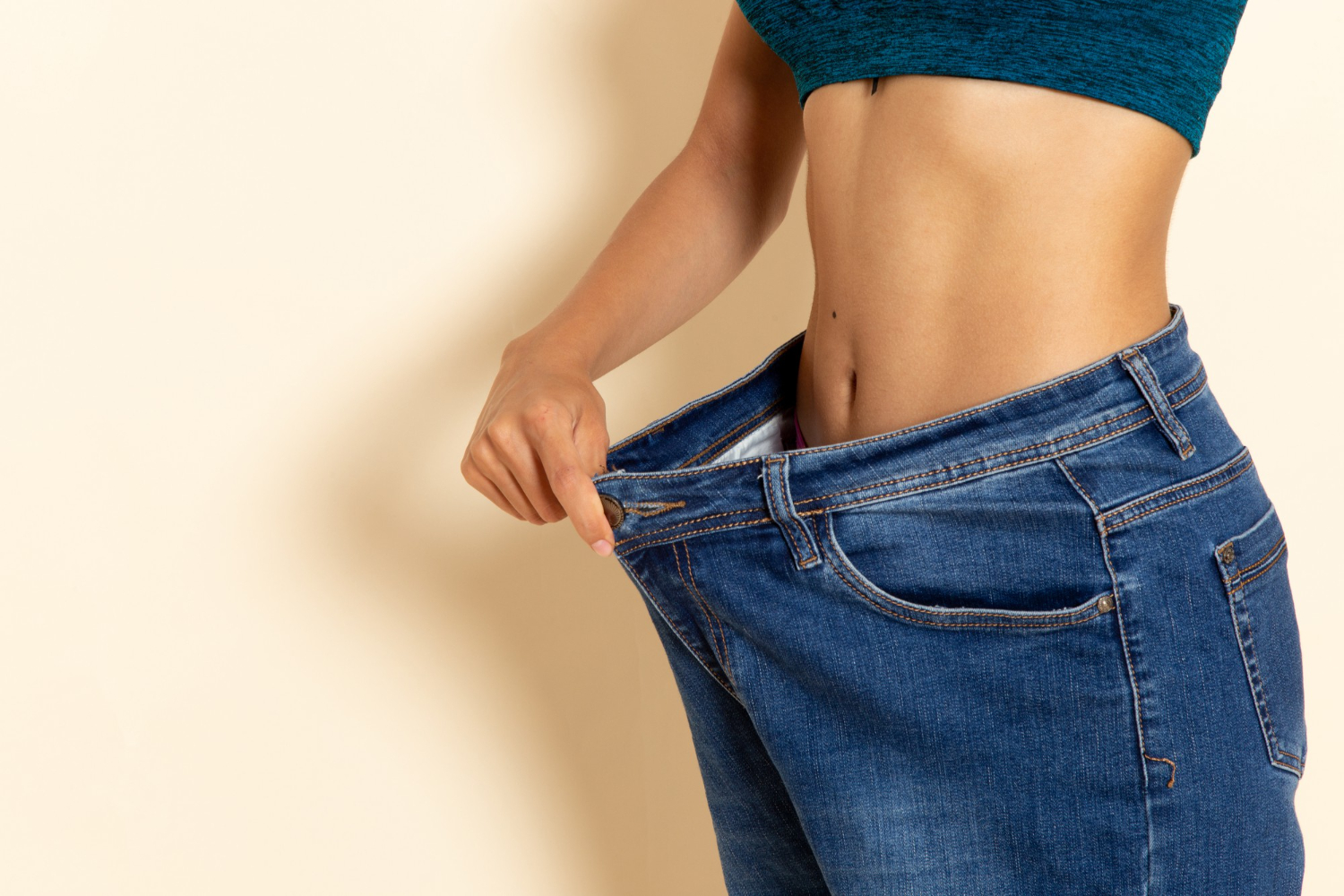
People are drawn to non-traditional diets and extreme exercise programs because of the promise of quick belly fat loss. The truth is that quick is not always healthy or sustainable.
Poorly planned restrictive diets are difficult to follow and also lead to malnutrition, exhaustion, and muscle loss. Weight itself normally fluctuates because of water retention, changes in food volume, levels of hormones, and bowel contents.
A more sustainable way involves gradual changes that can be adhered to. Regular exercise, a healthy diet, protein intake, good sleep, and the presence of your stress management techniques will be beneficial.
You should also keep in mind that you cannot fully control where fat will come off your body first. Genetics and personal physiology influence fat loss.
What Really Works To Get Rid Of Belly Fat?
 There is nothing that works well enough to exclusively target the loss of fat in the belly area, including food, exercise, or any supplements. Instead, you should focus on adopting healthy behaviour that will ensure the loss of body fat in general.
- Strength training should be your number one priority: Gaining and keeping muscle helps to boost metabolism and fat loss.
- Be physically active: Activities such as walking, cycling and swimming will burn energy and contribute to the level of cardiovascular fitness.
- Increase your protein and fiber intake: Protein and fiber are two important nutrients for building muscle and feeling full.
- Get enough sleep: Poor quality sleep can impact appetite stimulation and eating and metabolic health.
- Control your stress levels: Chronic stress can influence your eating behaviour and other issues concerning weight loss.
- Be consistent: Especially important is to concentrate more on achieving sustainable habits, rather than on trying some miracle fat-burning program.
The Conclusion

Belly fat cannot be instantly lost with exercises such as crunches; neither can it be eliminated by using detox drinks or a single “fat-burning” food. The best approach to losing belly fat is to concentrate on maintaining a healthy lifestyle, which includes proper nutrition, performing physical activities, engaging in strength training, getting enough sleep, and cultivating healthy habits.
If you have gained belly fat without any apparent reason or if you notice some additional abnormal symptoms, you should consult a doctor. Some medicines, as well as certain medical conditions, can affect both weight gain and fat distribution.
Instead of being obsessed with quick solutions, you should cultivate habits contributing to your health in the long term. This method of dealing with belly fat is much more effective.
FAQs
Q. Does walking help in losing belly fat?
Yes. Walking regularly will increase your daily activity level and can help with overall fat loss when used in conjunction with a proper diet.
Q. Can drinking warm water help in losing belly fat?
Warm water does not help in burning belly fat. It can help you to stay hydrated, but fat loss is dependent on other things.
Q. Why is belly fat hard to lose?
Fat distribution is determined by genetics, age, hormones, and lifestyle. You cannot control how body fat will be lost.
Q. Do planks help in losing belly fat?
Planks are good for core muscle strengthening, but they can’t burn stubborn belly fat. They need to be a part of a well-planned workout routine.
Q. Is visceral fat more dangerous than subcutaneous fat?
Visceral fat surrounds organs. It is a potential risk factor for metabolic diseases compared to subcutaneous fat.
Q. Will skipping dinner help me lose belly fat?
Skipping dinner is not necessary for fat loss. What really matters is the overall diet.
Q. Can lack of sleep lead to belly fat?
Lack of sleep can have an impact on your diet, leading to less healthy food choices.
Q. How long does it take to lose belly fat?
There is no specific timeline for losing belly fat. Results vary according to genetics, starting body composition, diet, activity, sleep, and consistency.
(The article is written by Deepa Sarkar, Senior Medical Writer, and reviewed by Monalisa Deka, Deputy Manager, Clinical Health & Content, Medical Affairs)
Recommended Reads