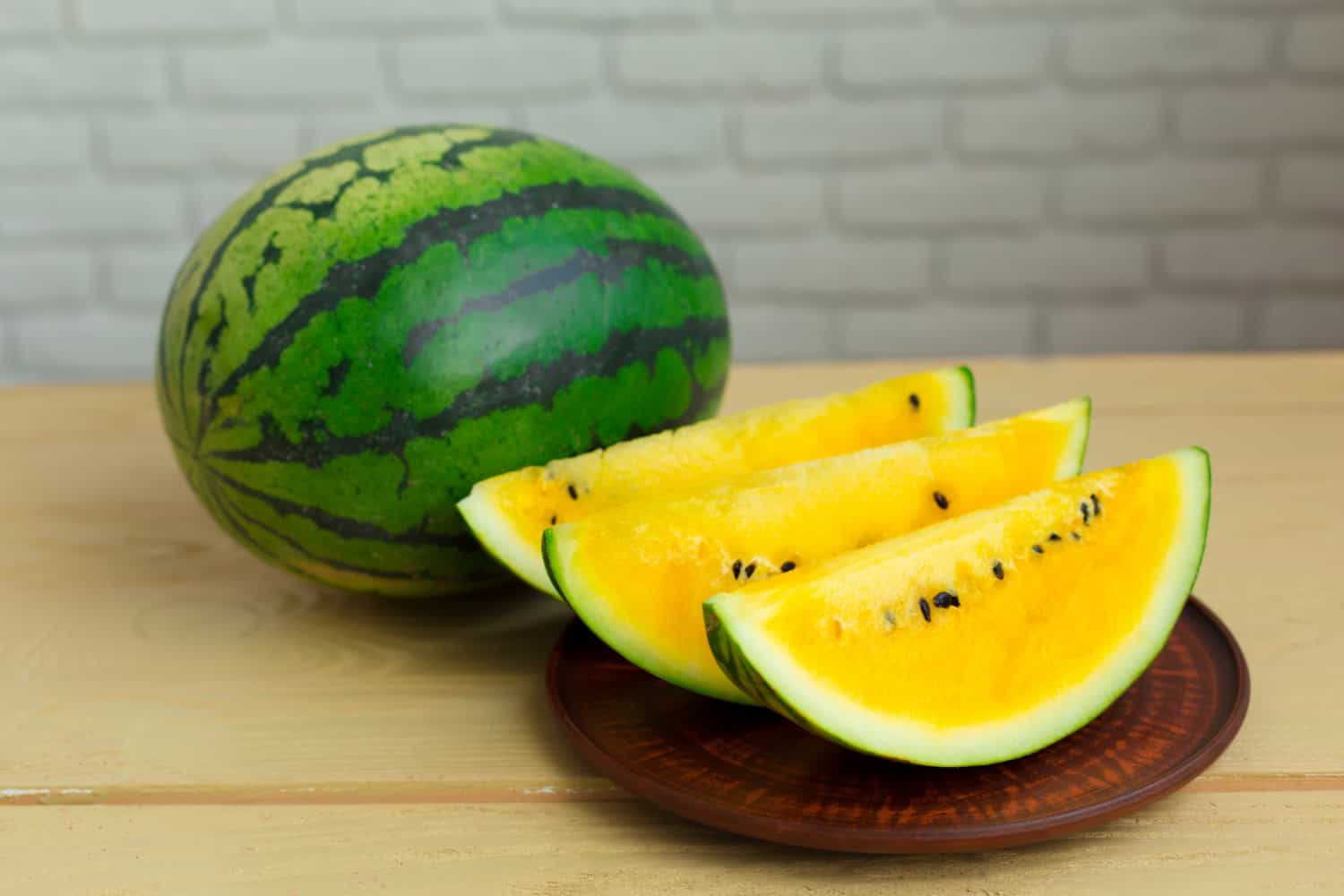
Summer isn’t the same without a giant slice of watermelon. Juicy, sweet, and packed with water, it’s the fruit many of us instinctively reach for when the temperature climbs. We are so used to seeing that familiar ruby red flesh that anything else feels slightly strange. But imagine bringing a fresh melon home, slicing it open, and finding a bright golden center instead. It might look like a bizarre modern hybrid, but yellow watermelon is entirely natural and has actually existed for thousands of years. Beyond its striking color, this sunny fruit brings a unique flavor profile and different nutritional benefits to the table. Let us see exactly what makes it stand out from the classic red variety.
What Exactly Is Yellow Watermelon and Why Is It Yellow?
Despite looking like a trendy new supermarket invention, yellow watermelon is actually the older version of this beloved summer fruit. Long before farmers selectively bred them to have that famous ruby center, these golden melons were growing naturally across Africa over five thousand years ago.
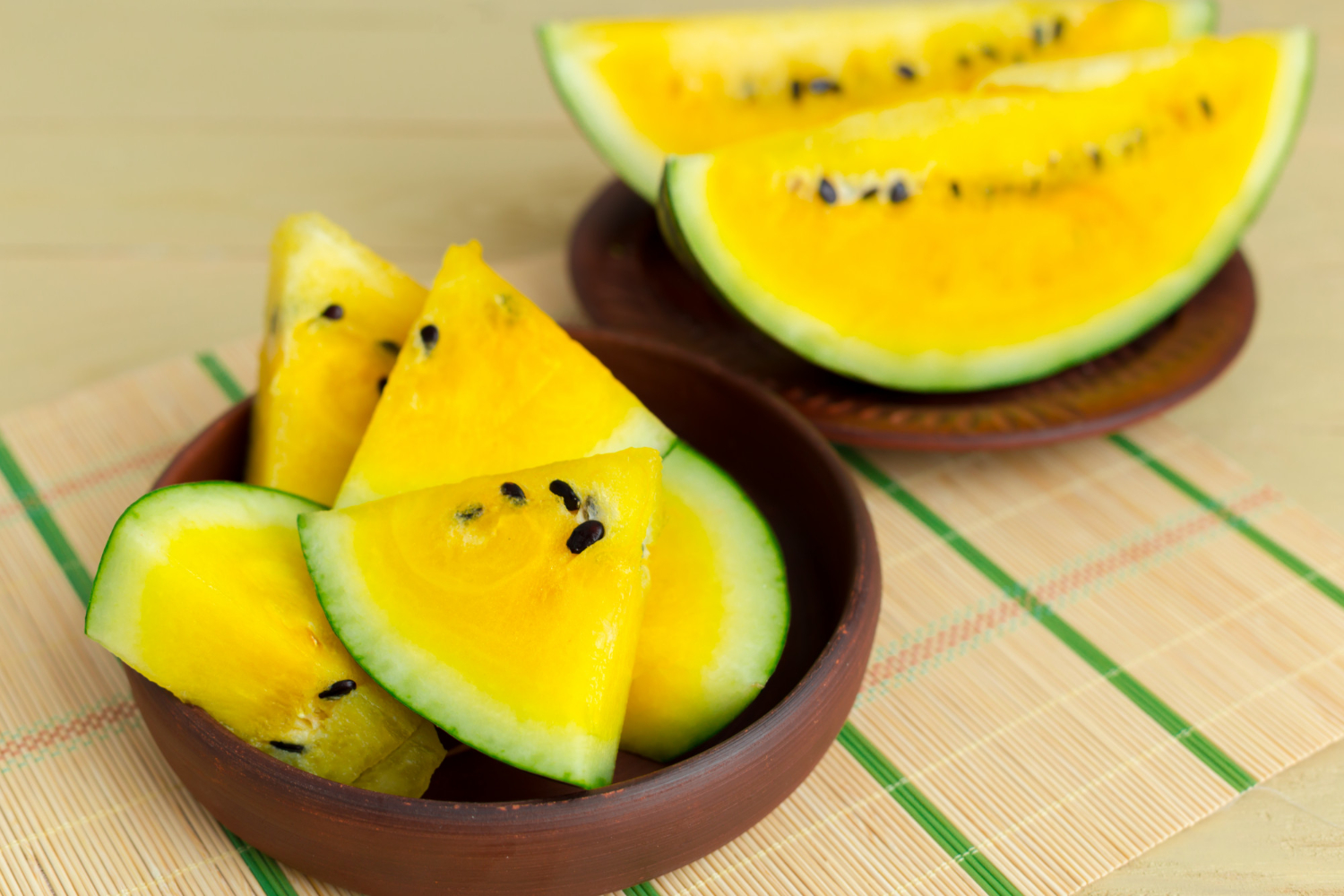
So why are they yellow? It all comes down to the natural plant chemicals growing inside them. While a classic red watermelon gets its bright color from an antioxidant called lycopene, the yellow variety relies on something completely different. A compound called beta carotene entirely drives its sunny golden hue. This is the exact same natural pigment that gives carrots and sweet potatoes their bright orange color. The green rind looks exactly the same on the outside, but that internal chemical difference is what creates the vibrant surprise waiting inside.
Is It Different Than Red Watermelon In Terms of Nutrition?
Since their colors come from completely different sources, their nutritional profiles naturally shift a bit too. Red watermelons are famous for being packed with lycopene, which is fantastic for heart health. On the other hand, the heavy dose of beta-carotene in yellow watermelons makes them an absolute powerhouse for your eyes.
Your body naturally converts that beta-carotene into vitamin A, which actively supports your vision and gives your immune system a solid boost. Both varieties are still incredibly hydrating and loaded with vitamin C. So while they offer slightly different specific benefits, they both remain excellent healthy choices for a hot day.
Health Benefits of Watermelon
Biting into a thick slice of watermelon is basically like drinking a glass of water in solid form. Since they are made up of over ninety percent water, both red and yellow varieties are incredible for keeping you hydrated on a hot day. But that golden yellow flesh brings some unique perks to the table. It is loaded with beta-carotene, which your body actively converts into vitamin A. This specific nutrient is essential for keeping your vision sharp and your immune system running smoothly [1].
Both types of watermelon deliver a heavy dose of citrulline, a natural amino acid that helps relax blood vessels and lower blood pressure, making it a fantastic snack for your cardiovascular health [2]. Beyond heart health, these golden slices are an excellent way to support your skin. Yellow watermelon provides a solid amount of vitamin C, which your body requires to produce collagen. This vital protein keeps your skin firm and helps repair damaged cells naturally. The combination of high water content and dietary fiber also works wonders for your digestion, keeping everything moving efficiently. Plus, if you enjoy staying active during the summer months, the potassium hidden in the fruit helps prevent painful muscle cramps.
Best Ways to Enjoy Yellow Watermelon
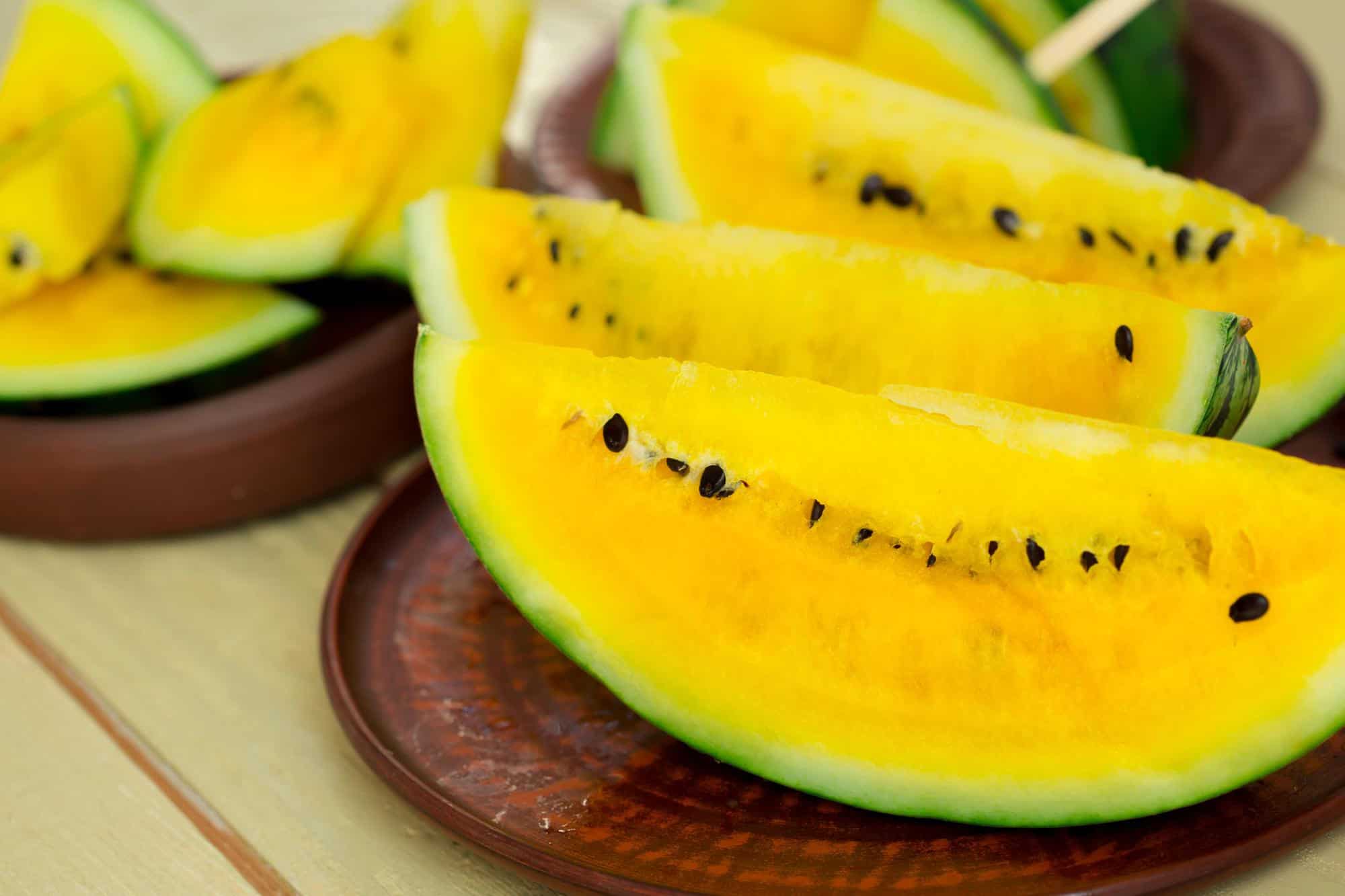
Finding a ripe yellow watermelon is exciting, and figuring out how to serve it is where the real fun begins. Its slightly sweeter, honey-like flavor makes it incredibly versatile in the kitchen. Here are few fantastic ways to enjoy it.
Easy Two-Ingredient Slushie
When it is too hot outside to eat solid food, just drink your fruit instead. Cut your yellow watermelon into chunks, remove the seeds, and freeze the pieces overnight. The next day, toss those frozen blocks into your blender along with a splash of plain water or coconut water. Blend it until it reaches a smooth slushy texture. You instantly get a cooling, naturally sweet drink without adding any refined sugar.
Natural Homemade Popsicles
Making your own ice pops is a fun way to beat the heat, and you only need a blender and some simple molds. Puree the fresh yellow watermelon until it turns into a completely smooth liquid. Pour the juice straight into your popsicle molds and leave them in the freezer for a few hours. The result is a healthy, brightly colored frozen treat that everyone will happily eat on a warm afternoon.
Chilled with a Pinch of Salt or Lime
Sometimes the simplest method is the absolute best. Cutting a cold yellow watermelon into cubes and eating it straight from the fridge is incredibly refreshing. If you want to enhance that natural honey-like sweetness, try squeezing a little fresh lime juice over the bowl. You can even sprinkle a tiny pinch of sea salt on top. The saltiness actually brings out the deep sugary flavors of the fruit even more.
FAQs
Is yellow watermelon good for hydration?
Yes. Like red watermelon, it contains over 90% water, making it a refreshing way to stay hydrated.
Does yellow watermelon taste different than red?
It is usually a bit sweeter and has a mild honey-like flavor compared to red varieties.
Are the seeds in yellow watermelon safe to eat?
Yes. You can eat them just like regular seeds or buy a seedless version at the store.
Does yellow watermelon have the same calories as red?
Yes they are very similar. Both are low in calories and packed with hydrating water and nutrients.
Reference
1-Fiedor J, Burda K. Potential role of carotenoids as antioxidants in human health and disease. Nutrients. 2014;6(2):466-488.
2-Figueroa A, Sanchez-Gonzalez MA, Perkins-Veazie PM, Arjmandi BH. Effects of watermelon supplementation on aortic blood pressure and wave reflection in individuals with prehypertension: a pilot study. Am J Hypertens. 2011;24(1):40-44.
(The article is written by Ehsan Siddiqui, Team Lead, Clinical Health & Content and reviewed by Monalisa Deka, Senior Health Content Editor)
Recommended Reads:
Simple Habits to Boost Vitamin D and Lower Cortisol Levels Naturally
Clinically Explained Vitamin D Supplements: Benefits, Dosage & Timing