
The boiled-egg diet is one of the most popular weight-loss fad diets that is being discussed on social media. The diet focuses on consuming boiled eggs, along with lean sources of protein and non-starchy vegetables and fruits.
Proponents of the diet argue that it reduces appetite, boosts metabolism, and aids fat-burning. However, many nutritionists feel that while it is a quick way to lose weight, it is not a long-term balanced diet.
So does the boiled-egg diet really work? Let’s find out about the science, its advantages, disadvantages, and if it’s right for you.
What Is the Boiled-Egg Diet?

The boiled-egg diet is a low-carb, high-protein, calorie-restricted diet meant for weight loss over a short-term period. The diet has several versions, but the most popular version of the diet includes the following:
- At least two boiled eggs for breakfast
- Lean protein such as chicken, fish, or turkey
- Plenty of non-starchy vegetables
- Limited intake of low-sugar fruits
- Plenty of water
- Avoidance of all sugary drinks and foods, grains, pasta, rice, and desserts
Most people will follow this diet for 7 to 14 days.
Unlike an egg-only diet, this plan also includes other nutritious foods, making it relatively healthier than many crash diets.
Why Are Eggs Considered Good for Weight Loss?

Eggs are viewed as one of the most nutritious foods available. A full boiled egg contains about:
- Caloric composition – 78 calories
- Protein – 6 grams
- Healthy fat content – 5 grams
- Vitamins D and B12
- Selenium
- Choline
- Riboflavin
Foods that are rich in protein give people a feeling of satiety and a sense of fullness for a long time. Also, consumption of protein takes more energy compared to carbohydrates and fats.
According to some research, having eggs for breakfast helps reduce hunger and lower caloric intake in the course of the day[1].
How does the egg diet work?
 This diet can be useful for weight loss in some respects.
1. Protein as a factor preserving satiety.
The protein helps digest the food slowly and activates the hormones regulating hunger. The feeling of being full for a long time helps to avoid red snacking or overeating.
2. Lower caloric intake
With the help of the egg diet, the intake of calorie content could be reduced.
3. Lower intake of processed carbs
By avoiding bread, pasta, sweets, and soda, people often reach a significant decrease in water retention and their calorie intake levels.
4. Promotes Whole Foods
Most foods permitted on the plan are minimally processed and high in nutrients.
Benefits of the Boiled-Egg Diet
| Supports Short-Term Weight Loss Many find themselves losing weight in the two weeks of the process due to low calories and loss of extra water weight. Contains High-Quality Protein Eggs provide nine essential amino acids, thus making them a complete protein source. Easy to Follow The menu is simple with little need for cooking, thereby making it suitable for busy people. Affordable Eggs are relatively cheap to buy compared to existing diet plans. Nutritional Value Eggs are a source of many vitamins and nutrients, including vitamin D, selenium, iodine, and choline, which is vital for brain function. |
Is the Boiled-Egg Diet Healthy?

Eggs are healthy enough on their own; however, the boiled-egg diet itself has its drawbacks. Most nutritionists would not recommend the boiled-egg diet for an extended period, as it is too strict and lacks variety.
According to nutritionists, long-term weight loss requires consuming a variety of foods rather than overemphasizing a single ingredient.
The boiled-egg diet may provide quick results, but maintaining those results can be difficult once normal eating resumes.
Possible Risks and Side Effects

Nutritional Imbalance
The diet restricts:
- Whole grains
- Beans
- Dairy products (in most variations)
- Healthy carbs
If followed for a long period of time, it may result in certain deficiencies.
Complicated to Follow
The rigid dietary guidelines can bring about mental fatigue and exacerbate feelings of hunger.
Low Energy
Some people may feel exhausted, suffer from headaches, and irritability due to low carb consumption.
Gut Issues
A sudden consumption of protein and lack of fiber can be the reason for constipation, especially if not enough vegetables are added to a diet.
Weight Gain
Rapid weight loss that is a result of a restrictive diet will usually be followed by gaining weight once the subject goes back to normal eating.
Is It Safe to Have Eggs Daily?
 Eating an egg a day is thought to be safe for most healthy individuals and can be included in a healthy diet.
Moderate egg consumption has been shown in several meta-analyses to not statistically increase the risk of heart disease in healthy people.
But those with certain illnesses such as hereditary hypercholesterolemia or some cardiovascular diseases should receive clearance from their health care provider about eating eggs.
Who Should Avoid the Boiled-Egg Diet?

This diet is not recommended for:
- Pregnant or nursing women
- Growing kids and teens
- People with eating disorders
- Individuals suffering from kidney disease who need to restrict their protein intake
- Individuals with an allergy to eggs
People who need a complete and balanced diet for a long period of time. Diabetic patients need to consult a healthcare specialist before making a serious change in their diet.
Looking for delicious meals that won’t weigh you down? Discover light, nutritious, and satisfying summer meal ideas that can help support your weight-loss goals while keeping you energized and refreshed all season long.
Is It Better Than Other Weight-Loss Diets?
 When compared to various trendy diets, the boiled egg plan consists of healthy foods and does not allow foods that are highly processed. Nonetheless, it is inferior when we compare it to science-based diets such as the Mediterranean diet, DASH diet, or balanced calorie-controlled diet. This becomes evident by the fact that the boiled egg diet:
– Limits choices of food.
– Requires effort to follow this diet.
– Does not give lessons on how to eat healthy on a long-term basis.
Health care practitioners keep recommending gradual and safe weight loss instead of restrictive diets.
Tips for Healthier Weight Loss
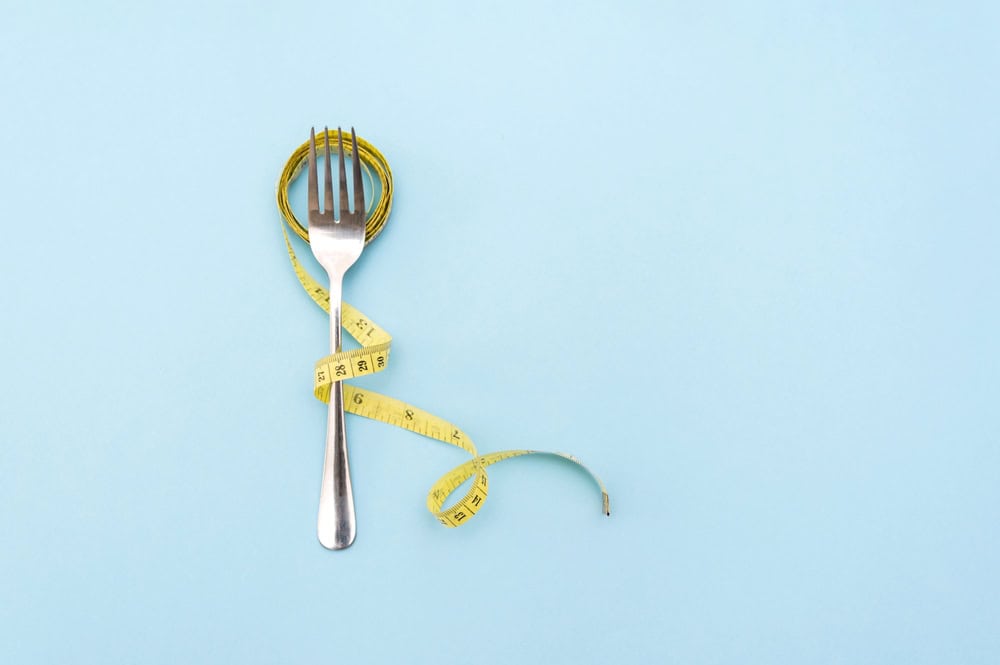 Instead of solely sticking to boiled eggs:
– Include vegetables in every meal.
– Consume lean protein such as fish, poultry, tofu, or legumes
– Choose whole grains and avoid refined carbohydrates.
– Be physically active for 150 minutes at a minimum.
– Sleep at least seven hours daily.
– Drink enough water.
– Control portions instead of taking out some foods.
These habits are going to lead to better weight loss results in the long run.
The Summary
 In conclusion, the boiled-egg diet will help eliminate extra pounds quickly because the food is healthy and helps reduce the number of calories consumed. The boiled egg is a great source of protein, affordable, and good to eat.
However, the diet is a mono-diet, which does not provide the necessary nutrients and is difficult to stick to. Any rapid bodyweight loss will be temporary, as the person will gain back the lost weight after returning to his usual diet.
That’s why it’s better to start eating balanced, eat plenty of healthy food, and lead a healthy lifestyle with enough physical activity.
FAQs
Q.How much weight can you lose on the boiled-egg diet?
It is possible that some people can lose somewhere between 2 and 5 kilograms of weight after two weeks on the diet. However, results may differ, depending on individual weight, caloric intake, activity level, and body structure.
Q.Can I eat more than two eggs a day on the boiled-egg diet?
The majority of versions of the diet permit consuming more eggs daily, but the frequency is determined by the diet plan. In general, moderation is observed, and egg consumption in normal amounts does not pose any risks for people without health problems.
Q.Does the boiled-egg diet help to lose fat in the belly area?
No diet allows losing fat from specific places of the body. Weight loss occurs throughout the body according to genetics, hormones, and caloric deficit.
Q. Do vegetarians have a chance to apply the boiled-egg diet?
People who follow a lacto-ovo vegetarian approach and consume eggs may modify the diet in terms of incorporating egg products and dairy products into it and consuming plant-based proteins, provided that a sufficient amount of nutrients is consumed.
Q. Is the boiled-egg diet appropriate for people with diabetes?
People with diabetes should speak to their doctors before embarking on any kind of elimination diet, as changes may have to be made to their medications or carbohydrate intake.
Q. Can I work out while on the boiled-egg diet?
Yes, although some individuals may experience low energy when exercising intensely as a result of having fewer carbohydrates. It is generally easier to do light and/or moderate exercise.
Q. What happens once the boiled-egg diet is stopped?
Without constant healthy eating habits, any lost weight can return again. However, it is possible to successfully transition into a balanced diet after this.
Q. Is the boiled-egg diet good for long-term success with weight loss?
No, as most nutritionists view it as a short-term diet rather than a proper way of life. Long-term success with weight loss should be achieved through appropriate nutrition and constant physical activity.
(The article is written by Deepa Sarkar, Senior Medical Writer, and reviewed by Monalisa Deka, Deputy Manager, Clinical Health & Content, Medical Affairs)
Reference
1. B Keogh J, M Clifton P. Energy intake and satiety responses of eggs for breakfast in overweight and obese adults-A crossover study. Int J Environ Res Public Health [Internet]. 2020;17(15):E5583. Available from: http://dx.doi.org/10.3390/ijerph17155583
Recommended Reads:
Heatwave Warning: Recognizing Heat Stroke And Ayurvedic Solutions
7 Effective Ways To Prevent Dehydration This Summer Season