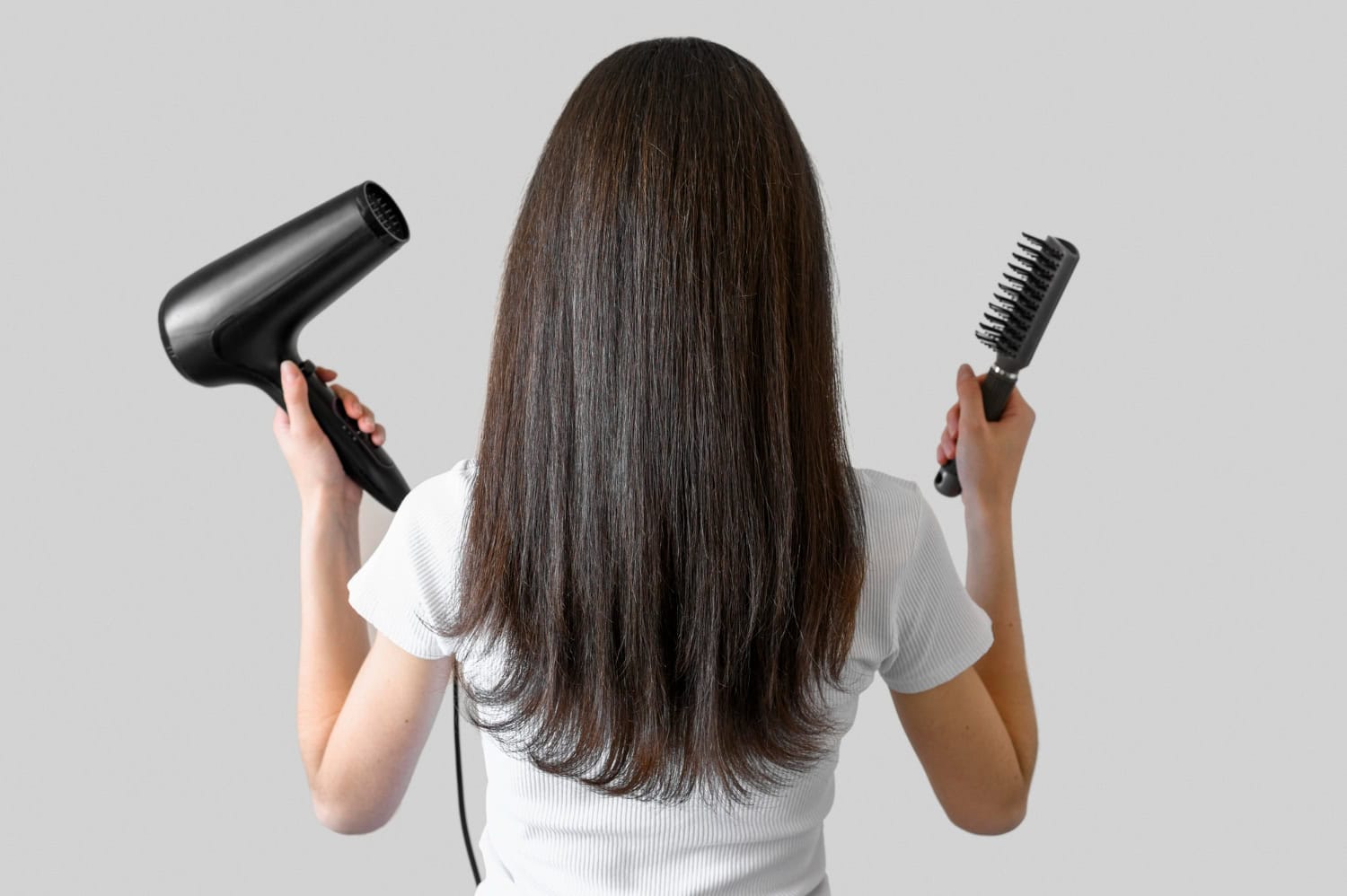
Monsoon weather can be great for your skin, but your hair may have a different opinion.
One minute your hair looks smooth after a shower. A few hours later, you’re dealing with puffiness, flyaways and frizz that seem to have appeared out of nowhere.
So, what’s actually responsible? Is air-drying your hair making it frizzy? Or is your blow dryer causing the damage?
The answer isn’t as simple as choosing one over the other. Both methods can affect your hair, but the bigger problem during monsoon is often humidity, combined with how you dry and care for your hair.
Let’s break it down.
Why Does Monsoon Weather Make Your Hair Frizzy?
Before blaming your hair dryer, look outside.
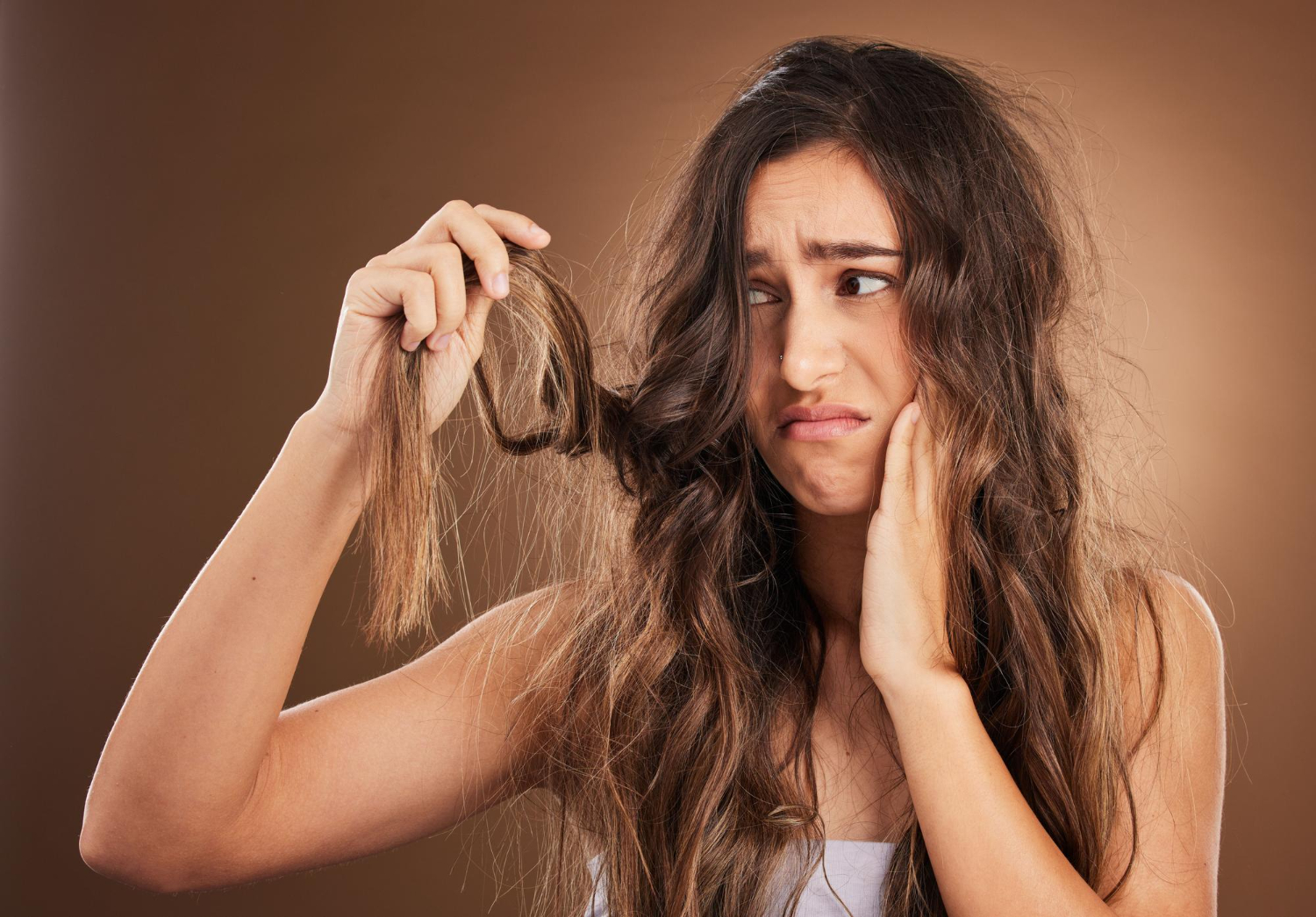
Monsoon air contains a lot of moisture. Your hair is naturally affected by changes in moisture around it. When humid air interacts with the hair shaft, the strands can absorb moisture and change shape.
This can make smooth hair look puffier. Curly and wavy hair may become less defined, while straight hair can develop random bends and flyaways.
That familiar “my hair looked fine at home” situation? Humidity may be the real culprit.
Your hair’s outer layer, called the cuticle, also matters. When the cuticle doesn’t lie flat, your hair can look rough and frizzy. Heat damage, rough towel drying, excessive brushing and chemical treatments can all make the problem worse.
So yes, monsoon humidity deserves some of the blame. But your drying routine can decide how bad the frizz gets.
Is Air-drying Actually Better for Your Hair?

Air-drying sounds like the gentlest option. After all, you’re not putting heat directly on your strands.
And that’s partly true.
You avoid the direct heat exposure that comes with a blow dryer. This can be useful if your hair is already dry, brittle or damaged.
But there’s a catch.
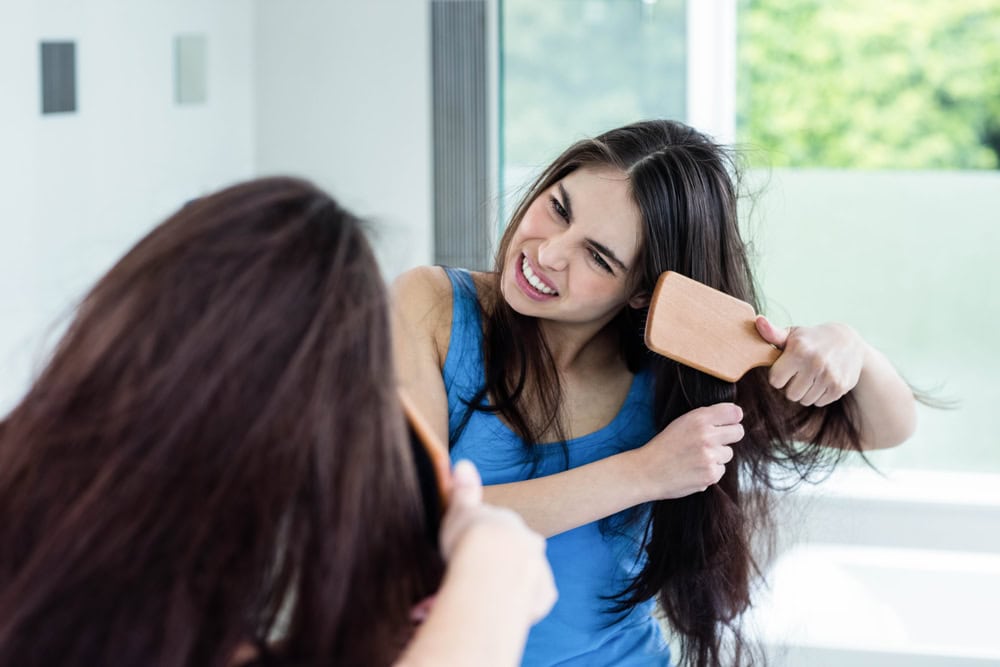
Hair is more fragile when it’s wet. If you leave it soaking wet for a long time, the strands remain swollen and vulnerable for longer. Constant rubbing against clothes, pillows or your shoulders can also create friction.
There’s another monsoon problem. If your hair takes hours to dry because the air is humid, you may end up with hair that stays damp for much longer than you’d expect.
This doesn’t mean you should stop air-drying. It simply means you shouldn’t treat “no heat” as automatically meaning “no damage.”
If you’re air-drying, gently squeeze excess water from your hair first. Don’t aggressively rub it with a towel. Use a soft towel or microfiber towel, then let your hair dry in a well-ventilated space.
And don’t tie soaking-wet hair into a tight bun. That’s a recipe for tangles, breakage and a very questionable hairstyle.
Can Blow-drying Cause More Frizz?
It can, especially when you use too much heat.
A blow dryer can remove water from your hair much faster than air-drying. That’s useful during humid weather because you’re not walking around with wet hair for hours.
But high heat can dry out the hair surface and contribute to damage. Holding the dryer too close to your strands or repeatedly blasting the same section can make things worse.
The good news? You don’t have to give up your blow dryer.
The trick is how you use it.
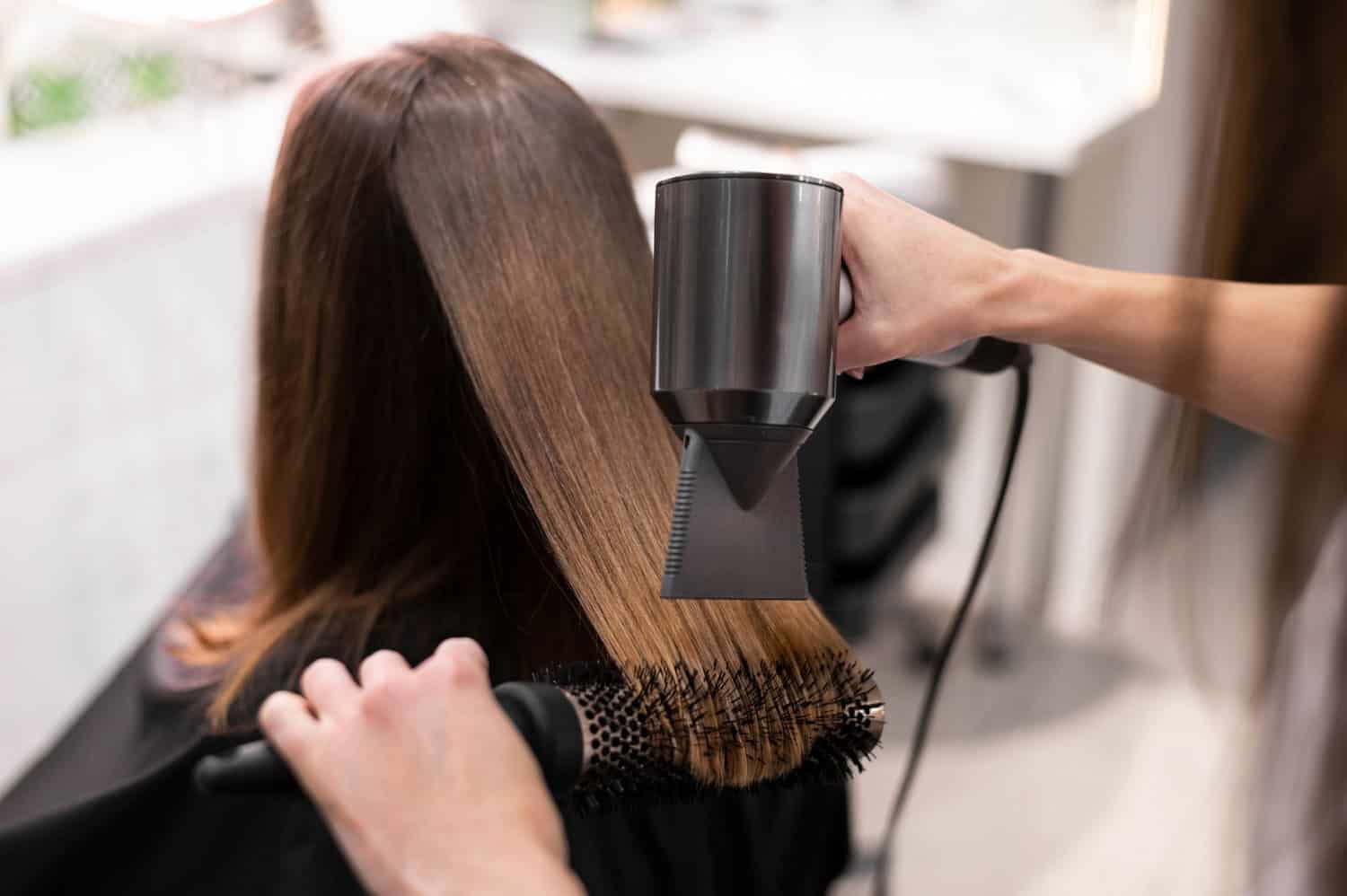
Start by removing excess water with a towel. Then let your hair become partly dry before using the dryer. Use a low or medium heat setting rather than the hottest setting.
Keep the dryer moving instead of holding it in one spot. Direct the airflow along the length of your hair rather than randomly blowing it from every direction.
This helps you dry your hair without turning the process into a battle between your strands and a tiny wind machine.
So, Which One Causes More Monsoon Frizz?
If you want the short answer, neither method is automatically the villain.
Air-drying can reduce heat exposure, but leaving hair wet for a long time can increase friction and keep your strands vulnerable.
Blow-drying can help you get your hair dry faster, but excessive heat can damage the hair surface and make it more prone to frizz and breakage.
For many people, the best option is somewhere in the middle.
Let your hair dry naturally until it’s partly dry, then use a blow dryer on a low or medium setting to finish the job. mood
This gives you the benefit of shorter drying time without exposing your hair to prolonged high heat.
Your Towel May be Making Things Worse
Here’s one part of the routine that’s easy to overlook.
You step out of the shower, grab a regular towel and start rubbing your hair like you’re trying to dry a pair of jeans.
We’ve all done it.
But aggressive towel rubbing creates friction. It can rough up the hair surface and encourage frizz.
Instead, gently squeeze or press your hair to remove excess water. A soft microfiber towel can also help reduce friction.
Don’t twist your hair tightly into a towel turban either, especially if your strands are fragile.
A few extra seconds of gentle drying can make a difference.
What About Brushing Wet Hair?
Be careful here too.
Wet hair can stretch and break more easily. Pulling a brush through soaking-wet strands can lead to unnecessary breakage, especially if your hair is already weak.
If you need to detangle your hair after washing, use a wide-tooth comb and start from the ends. Work your way upward instead of dragging knots from the roots to the ends.
And don’t keep brushing your hair repeatedly in an attempt to “control” frizz. Sometimes the more you touch it, the more unruly it becomes.
How to Dry Your Hair During Monsoon
Your routine doesn’t need to be complicated.
After washing, gently squeeze out excess water. Apply a conditioner or leave-in product suited to your hair type if you use one. Then remove more moisture with a soft towel.
If your hair dries quickly, you can let it air-dry in a ventilated room.
If your hair stays wet for hours, partially air-dry it and finish with a blow dryer. Keep the heat moderate and the dryer moving.
Once your hair is dry, avoid constantly touching it. Your hands carry oil, sweat and dirt, and repeated handling can disturb the hair’s shape.
If you have curly or wavy hair, avoid brushing it once it’s completely dry unless you specifically want a fuller, more textured look. Detangling and styling while damp may help preserve your natural pattern.
Don’t Ignore What You’re Putting on Your Hair
Frizz isn’t only about drying.
Your shampoo, conditioner, styling products and even how often you wash your hair can affect how your strands feel.
If your hair feels rough after every wash, your routine may be too drying for your hair type. A conditioner can help smooth the hair surface and make strands easier to manage.
You should also avoid piling on several styling products just because monsoon frizz is annoying. Heavy layers can leave some hair types greasy or weighed down.
If you’re dealing with persistent hair fall or changes in hair texture, don’t assume humidity is the only reason. Diet and nutritional deficiencies can also affect hair health. For example, zinc plays a role in normal hair and skin health. You can read more about zinc deficiency, its possible signs and food sources in this guide from Tata 1mg: Zinc deficiency: signs, causes, and food and supplement sources.
Does Your Diet Affect Your Hair Too?
Your hair care routine happens outside your body, but nutrition matters from the inside too.
A balanced diet gives your body the nutrients it needs to support healthy skin and hair. Try to include enough protein, vegetables, fruits, whole grains, nuts, seeds and other nutrient-rich foods in your meals.
Monsoon also brings its share of seasonal allergies and infections. If you’re looking for simple food ideas during the season, you can check out this Tata 1mg guide on Indian foods that may help ease seasonal allergies: 6 Indian foods that may help ease seasonal allergies.
Food won’t magically stop frizz, but good nutrition supports the overall health of your hair and body.
The Best Monsoon Hair-drying Routine
If your main goal is less frizz, try this simple routine.
Wash your hair with products that suit your scalp and hair type. Don’t scrub the lengths aggressively.
After washing, gently squeeze out excess water. Use a soft towel instead of rubbing your hair.
Let your hair air-dry until it’s partly dry if you have the time.
Then, if your hair is still damp, use a blow dryer on a low or medium heat setting. Keep it moving and avoid holding it too close.
Once your hair is dry, leave it alone. Constant brushing, touching and reshaping can bring the frizz right back.
Most importantly, don’t expect perfectly smooth hair every day during monsoon. Humidity has a way of winning a few battles.
The goal isn’t to make your hair completely immune to moisture. It’s to reduce the damage and keep your strands as healthy and smooth as possible.
FAQs
Is air-drying better than blow-drying for frizzy hair?
Not always. Air-drying reduces heat exposure, but hair can stay wet for a long time during humid weather. A low-heat blow dryer can actually be useful when you need to dry your hair faster.
Does blow-drying cause frizz?
High heat and improper technique can contribute to dryness, breakage and frizz. Use a low or medium setting, keep the dryer moving and avoid holding it too close to your hair.
Why does my hair become frizzy after air-drying?
Humidity can cause your hair to absorb moisture from the air, changing how the strands sit and making them look puffier. Air-drying can also leave your hair wet for longer during monsoon.
Should I blow-dry my hair after every wash?
You don’t have to. If your hair dries quickly, air-drying may work well. If your hair stays damp for hours, partially air-drying and then using a blow dryer on moderate heat can be a better option.
Can I use a blow dryer on wet hair?
Avoid using high heat on soaking-wet hair. First remove excess water with a towel, then allow your hair to become partly dry before finishing with a blow dryer.
How can I reduce monsoon frizz naturally?
Be gentle with wet hair, avoid aggressive towel rubbing, condition your hair after washing and reduce unnecessary brushing. Dry your hair properly and avoid excessive heat.
Is it bad to sleep with wet hair?
It’s better to let your hair dry before going to bed. Wet hair is more fragile, and rubbing against your pillow while it’s wet can increase tangling and breakage.
Does cold air from a hair dryer reduce frizz?
A cool setting can help finish the drying process without adding more heat. It won’t stop humidity from affecting your hair, but it can be useful when you’re styling your hair.
Why is my hair more frizzy during monsoon than winter?
Monsoon brings higher humidity, which can change how your hair absorbs and holds moisture. That’s why hair that behaves perfectly in dry weather may suddenly become puffy and difficult to manage.
What’s the best choice for monsoon hair?
Don’t think of it as air-drying versus blow-drying. Think about drying your hair safely. For many people, partially air-drying and then finishing with a low or medium heat blow dryer offers a good balance between reducing heat exposure and avoiding hours of damp hair.
(The article is written by Mantasha, Sr. Executive, Clinical Health & Content, and reviewed by Monalisa Deka, Deputy Manager, Clinical Health & Content, Medical Affairs.)