
Weight loss is considered one of the major fitness objectives by many people, whereas incline walking and running serve the purpose of causing weight loss. Even though these activities cause calories to be burned and contribute to better heart function, they differ in terms of intensity, effect on the joints, number of calories burned, and how easy they are to maintain.
It is commonly believed that running is the best choice since it leads to weight loss after only a short period of time. However, although walking on a slope may seem impossible, it is in fact a good solution; incline walking makes the body exert more effort and works many muscles, and thus gives people a better option, one that does not involve running.
Thus, if you have chosen incline walking as an option, it is important to compare it to running and find out which option is better for your body.
In this article, let’s explore more about incline walking. The meaning of incline walking is to walk uphill or use the treadmill with a slope of 5% or 15%. The higher the inclination, the more muscles are involved, thus burning more calories than in the case of walking flat.
What Is Running?

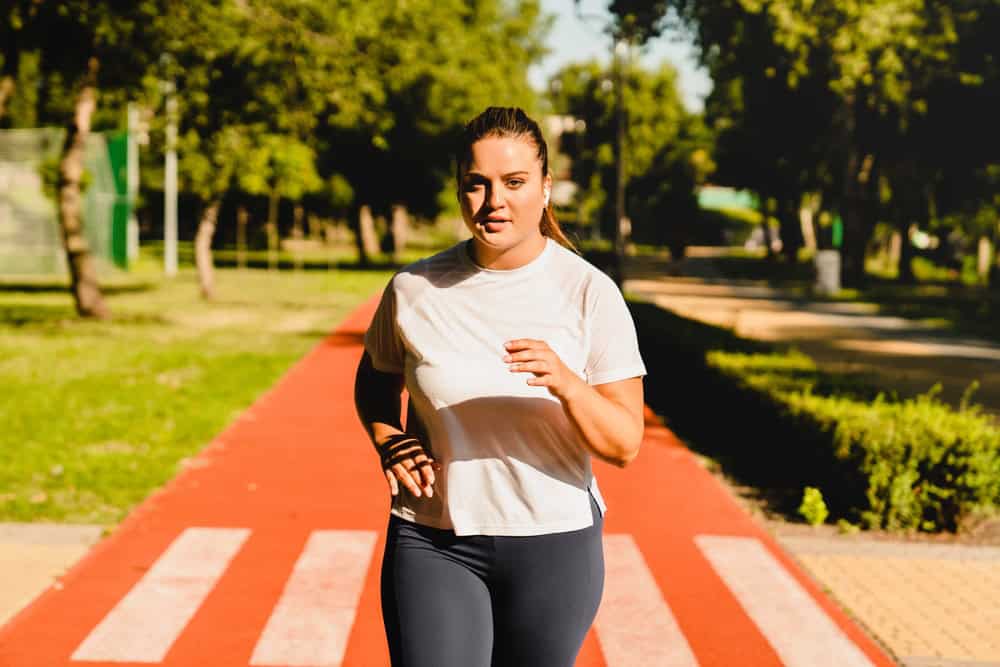
Running is a higher-intensity cardiovascular exercise where both feet leave the ground during each stride. It enhances the heart rate momentarily, increases the cardio endurance of an individual, and helps in burning calories quite quickly compared to other exercises.
Running can be done outdoors, on tracks, or indoors using a treadmill. With this, running becomes an all-inclusive exercise in terms of weight loss.
What Is Incline Walking?

Incline walking is characterized as performing a walking-type exercise with a slope. This could mean an incline in a landscape where road height changes are created or using a treadmill set to an incline. When an incline is given, it increases muscle activation without introducing the injuries that can occur in running-type activities.
Advantages of Running For Weight Loss
1. Burns More Calories Than Simple Walking
Running ranks among the most intense forms of working out, which allows it to burn calories much faster than walking does. This makes running an effective method for anyone trying to lose weight.
2. Boosts Metabolism Even After Exercise
Running leads to the process called the afterburn effect (also known as EPOC-excess post-exercise oxygen consumption), meaning that your body continues to burn calories even after exercising. This contributes to weight loss even after the workout is done.
3. Improves Overall Stamina
Running regularly increases the efficiency of your heart and lungs, boosts your endurance, and improves your body’s oxygen delivery. With time, these benefits allow you to exercise longer and more vigorously.
4. Decreases Body Fat
When combined with a well-balanced diet, running is an efficient way to get rid of fat in the body, including belly fat. The reason why running is so effective in losing fat is that it increases energy expenditure while enhancing metabolism.
Advantages of Incline Walking For Weight Loss

1. Burns More Calories Than Flat Walking
Walking uphill increases the intensity of the workout, allowing the body to burn more calories compared to walking on an even surface. This demonstrates that the incline walking technique is a suitable approach for achieving weight loss through caloric deficit.
2. Engages More Lower-Body Muscles
Incline walking engages glutes, hamstrings, calves, and core muscle groups to a greater extent compared to regular walking. This contributes to muscle growth, leading to an increase in the metabolism rate and improving body composition.
3. Low-Impact and Joint-Friendly
Incline walking has a lower impact on the knees, hips, and ankles than running or any other type of exercise. Therefore, incline walking is a great form of exercise for older adults, overweight people, or those who are looking for an exercise for weight loss that is safe for joints.
4. Improves Cardiovascular Fitness
Incline walking makes the heart work harder, which improves cardio and lung fitness levels. As a result of this, the person engaged in uphill walking becomes more physically fit and capable of exercising for longer periods of time.
Which Is More Effective for Losing Belly Fat?
Neither workout has a direct impact on belly fat loss. When you create a calorie deficit, loss of body fat will be noticed. Both incline walking and running aid in losing body fat. The exercise that is most effective is one that you can do regularly while having a balanced diet.
Which Is More Suitable for Beginners?
Incline walking wins hands down. This is because walking on an incline is less injury-prone and is easy to learn. Incline walking is also more attractive to overweight people and less experienced runners than running. Fitness experts advise taking up incline walking before moving on to jogging or running altogether.
Which Activity Develops More Muscles?
Incline walking is better than walking on plain ground for working the posterior chain.
It works specifically on:
- Glutes
- Hamstrings
- Calves
At the same time, running emphasizes endurance over muscle. If the aim is to tone the lower body, incline walking can be very beneficial.
Does Only Incline Walking Help with Weight Loss?

Yes, when combined with:
- Being in a caloric deficit,
- Receiving enough protein,
- Exercising consistently (150-300 minutes a week),
- Doing strength training 2-3 times a week.
Walking uphill may cause significant and long-term weight loss.
Who Should Choose Running?
Running is good for those who:
- Want to burn a big number of calories in a short time
- Have good fitness levels
- Have healthy joints
- Prefer hard workouts
- Prepare for races
Who Should Choose Incline Walking?
Incline walking is good for those who:
- Are beginners
- Are overweight
- Have knee/hip issues
- Prefer a low-impact type of workout
- Want a sustainable routine
- Recovering from an injury (if given the green light by the doctor)
Tips to Maximize Weight Loss
- Have at least three hundred minutes of moderate exercise in a week.
- Make sure to incorporate strength training into your routine.
- Keep increasing the incline of the treadmill gradually.
- Wear shoes made for running or walking.
- Drink enough water before and after exercising.
- Eat an adequate amount of protein to recover.
- Make sleeping a priority since sleeplessness can spoil the result.
- Measure your performance not only through the weighing scale but also using body measurements.
Final Takeaway

There is no clear winner when comparing incline walking and running. Running burns more calories and improves the cardiovascular system way faster than other exercises. But incline walking requires less effort, which means it applies to a wide range of people and is much easier to adhere to the program.
If you want to maintain weight-loss results for a long time, it is better to find a way to exercise regularly rather than put too much effort into it. The best exercise is the one you can perform according to your abilities and needs.
FAQs
Q. Is incline walking beneficial in reducing stomach fat?
Incline walking works well in terms of losing fat in general and in the stomach area, in particular, if combined with caloric restriction.
Q. Does incline walking or running burn more calories?
Incline walking is less calorie-intensive than running, as it burns fewer calories compared to ordinary walking.
Q. Can incline walking be done by those with knee pain?
Generally speaking, incline walking is low-impact compared to running. However, for chronic joint pain, it is advisable to consult a doctor before engaging in any new physical activity.
Q. What is a good frequency for incline walking if one wants to lose weight?
Try incline walking for at least 30–60 minutes on 4–6 days a week depending on weight loss goals.
Q. Should beginners try incline walking to lose weight?
Incline walking is a great cardio exercise for any novice user, as it can help lose weight when combined with healthy nutrition.
Q. Should incline walking and running be combined?
Definitely. Joining these two forms of workouts together will enhance your fitness, reduce the chances of boredom, lower the risk of injuries, and help you reach the desired results.
Q. Is Incline Walking Better for Fat Loss?
Incline walking isn’t better than running; it simply offers different benefits. It burns fat efficiently, is easier to sustain, and supports weight loss, especially for beginners and those seeking a low-impact workout.
(The article is written by Deepa Sarkar, Senior Medical Writer, and reviewed by Monalisa Deka, Deputy Manager, Clinical Health & Content, Medical Affairs)
Recommended Reads
Best Time to Walk for Health: Morning vs Afternoon vs Evening
Why Your Knee Pain Gets Worse as You Age?