The Doppler venous technology is a specialized ultrasound scan. It combines normal ultrasound imaging with Doppler technology. While a standard ultrasound can measure the structure of the vein, Doppler technology helps assess the direction and characteristics of blood flow. The Doppler Venous Both Lower Limb uses both technologies on veins of legs to check for abnormalities such as blood clots (deep vein thrombosis), venous obstruction, and abnormal or reversed blood flow.
The Doppler Venous Both Lower Limb is commonly recommended when an individual has symptoms such as leg swelling, pain, tenderness, skin discoloration, or bulging veins. This test helps evaluate conditions like varicose veins, deep vein thrombosis (DVT), chronic venous insufficiency, and other venous disorders. Doctors may suggest this test to individuals with risk factors like a family history of venous disorders, previous DVT, prolonged immobility, etc. This test may also be used to monitor known venous disorders or to assess the effectiveness of ongoing treatment. In some cases, this test may be included in the evaluation of veins before vascular procedures or surgeries.
Unlike X-rays or CT scans, this test does not use ionizing radiation. It is a safe, non-invasive procedure that provides real-time information about blood flow and venous health, helping doctors determine whether further assessment or treatment may be appropriate.
If you have sudden or worsening leg swelling, pain, warmth, or redness, seek prompt medical evaluation. If these symptoms occur with sudden shortness of breath, chest pain, coughing up blood, fainting, or severe difficulty breathing, seek emergency medical care immediately.
No fasting is required for this test. Avoid nicotine products for at least two hours before the test. Informed consent is required. Wear loose-fitting clothes, especially in the legs, to allow access to the legs. Inform your doctor about all medications or supplements you take, particularly if you are being treated for a known blood clotting or venous condition.
Interpretation of results should be done by a qualified doctor together with your symptoms, examination findings, and medical history. Do not self-medicate or self-diagnose based on the reports. Always discuss findings and next steps with your healthcare provider.
Disclaimer: You must visit your nearest Tata 1mg partnered lab facility for radiology tests.
How to Prepare for Doppler Venous Both Lower Limb?
- Fasting is not required for this test.
- Avoid nicotine products for at least two hours before the test.
- Wear loose, comfortable clothing that allows easy access to both legs.
- You may be asked to remove clothing or compression stockings before the examination.
- Inform your doctor or the radiologist about any previous vascular procedures, ongoing treatment, or medications.
How is Doppler Venous Both Lower Limb Performed?
- You may be asked to stand or lie down.
- A clear ultrasound gel will be applied to both legs.
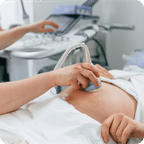
- A handheld ultrasound probe (transducer) is moved over the skin to obtain images of the veins.
- Gentle pressure may be applied over certain veins to assess compressibility and blood flow.
- You may be asked to change positions or perform simple breathing or muscle-tightening maneuvers to evaluate venous blood flow.
How Does Doppler Venous Both Lower Limb Work?
The Doppler Venous Both Lower Limb uses high-frequency sound waves that are transmitted into the body through an ultrasound probe. These sound waves reflect off tissues and moving blood cells. Doppler technology measures changes in the reflected sound waves to determine the direction and speed of blood flow, allowing the doctor to identify narrowed veins, blood clots, valve dysfunction, or other abnormalities.
Who Should Avoid or Take Precautions During Doppler Venous Both Lower Limb?
The test is generally safe for most individuals. However:
- Inform the healthcare provider if you have open wounds, severe skin infections, or recent leg surgery.
- Tell the radiologist if you are unable to stand or change positions during the examination.
- Follow your doctor's instructions if you have recently undergone vascular procedures.
What to Expect During Doppler Venous Both Lower Limb?
- The ultrasound gel may feel cool when applied.
- You may feel slight pressure as the ultrasound probe is moved over your legs.
- You may be asked to change your position.
- The areas that are already tender may cause mild discomfort when pressure is applied, but the examination is generally painless.
- The examination may take longer if additional veins or areas need to be assessed.
What to Expect After Doppler Venous Both Lower Limb?
- You can usually resume your normal daily activities immediately after the examination.
- Your doctor will review the findings and discuss any further evaluation or treatment if needed.
Is Doppler Venous Both Lower Limb Safe?
Yes. The test is generally considered safe. Mild temporary discomfort may occur if pressure is applied over a painful or swollen area.
What are the Risks of Doppler Venous Both Lower Limb?
The test has no known significant risks. It is a non-invasive test and does not involve radiation or contrast dye.
What Are the Limitations of Doppler Venous Both Lower Limb?
- Some small clots, particularly in areas that are difficult to visualize like pelvic veins, may not be detected.
- Obesity, overlying casts, and dressings can obstruct the signal and may reduce image quality.
- A burn wound, injury, or surgical wound in the target area may limit access to the vessel or cause pain to the patient, which may interfere with the proper examination.
- Additional imaging tests may sometimes be required if the findings are inconclusive or if further evaluation is needed.
How Are the Results Used?
The results help your doctor assess venous disorders such as deep vein thrombosis (DVT), venous insufficiency, varicose veins, or venous obstruction. The findings may help your doctor decide whether further testing or treatment should be considered. Depending on the diagnosis, treatment may include medicines, compression therapy, vascular procedures, or surgery.













.png?dpr=3&format=auto&w=48px)
 YES (10)
 NO (6)