







Stool for pH & Reducing Substances
Also referred as
Stool Reducing Substance

246+ booked recently

For men & women
Earliest reports in

12 hours

Contains

1 test
Test price:
₹129
1% off
Upto 15% extra discount with coupon
Min. order value: ₹5000 | Coupon: 1MGNEWG


More offers available

Know more about this test

The Stool for pH & Reducing Substances test determines two crucial parameters: pH levels of the stool, and the presence of reducing substances (carbohydrates or sugars) in the stool, providing valuable insights into how well the body is digesting and absorbing food. It helps in detecting malabsorption disorders, and digestive issues related to nutrient absorption.


Samples required
Stool

Find out
Why is this test booked?

Preparation for this test

Sample Collection
Who will collect your samples?
Conducted by
Tata 1mg Labs


Accredited
labs
Highly skilled
Phlebos
Verified
reports
Who will collect your samples?
Tata 1mg certified phlebotomists
Test Information is reviewed by: Dr. Trupthi Gowda, MD Microbiology, MBBS and written by Shweta Prakash, MSc, BSc . The test details are for information purpose only. Consult a doctor before taking any test. Last updated on: 23rd Sep 2026
Did you find information useful ?
 YES (2)
 NO (1)
Book a Stool for pH & Reducing Substances test at home near me
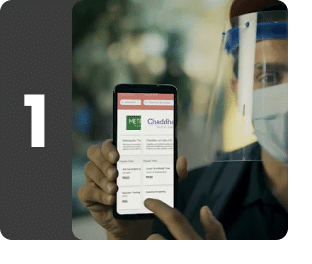
Easy online booking
Search for tests and packages, book your preferred time slot and enter your address for seamless at-home lab tests.

Live tracking of phlebotomist
Track our trained phlebotomist's real time location for seamless sample collection.
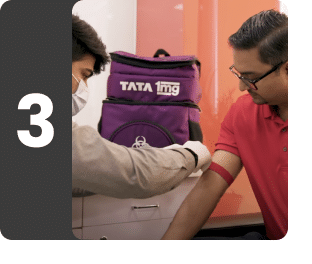
Safe Sample Collection
Our phlebotomists follow strict safety protocols to collect samples safely at home and on time.
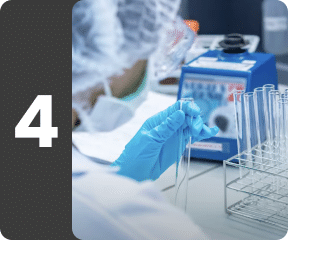
Sample received at lab
Samples are transported securely to our accredited labs with world-class machines for testing by qualified experts.
Quick, Doctor-Verified Reports
Get doctor-approved reports via email and WhatsApp, with options for doctor follow-ups and AI insights.



References
- Erickson JA, Case K, Neider C, Johnson LM. Stool Reducing Sugars and Stool pH Are Poor Screening Tests for Intestinal Disaccharidase Deficiencies in Children. J Appl Lab Med. 2020 Mar 1;5(2):257-262. [Accessed 05 Dec. 2024]. Available from:

- Caballero B, Solomons NW, Torún B. Fecal reducing substances and breath hydrogen excretion as indicators of carbohydrate malabsorption. J Pediatr Gastroenterol Nutr. 1983;2(3):487-90. [Accessed 05 Dec. 2024]. Available from:
- Born P. Carbohydrate malabsorption in patients with non-specific abdominal complaints. World J Gastroenterol. 2007 Nov 21;13(43):5687-91. [Accessed 05 Dec. 2024]. Available from:
Contains 1 test
Samples required
Preparations
Why is this test booked?
Coupon details
Available Offers