Rota Virus Antigen Detection-stool
Also referred as
Rotavirus Ag
+3
Qualitative Immunochromatographic (ICT) test
Rotavirus Antigen
Feces

For men & women
Earliest reports in

48 hours

Contains

1 test
Test price:
₹899
25% off
Upto 15% extra discount with coupon
Min. order value: ₹5000 | Coupon: 1MGNEWG


Know more about this test

The Rota Virus Antigen Detection-stool test helps detect the presence of rotavirus in stool samples. Rotavirus is a leading cause of severe diarrhea and dehydration in infants and young children. This test helps in the early detection of ongoing rotavirus infections.


Samples required
Stool

Find out
Why is this test booked?

Preparation for this test

Sample Collection
Who will collect your samples?
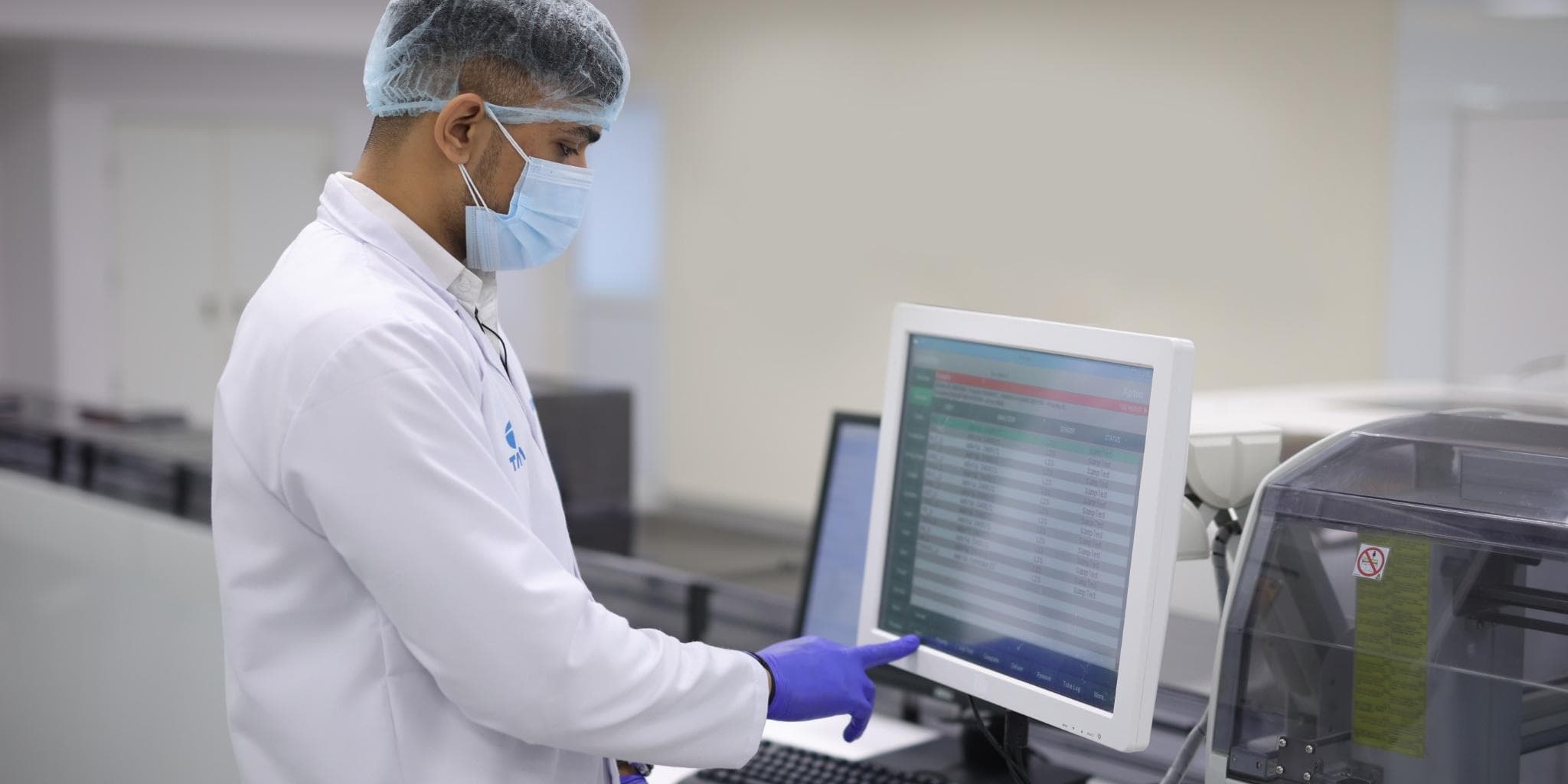
Conducted by

NABL accredited partner lab


Accredited
labs
Highly skilled
Phlebos
Verified
reports
Who will collect your samples?
Tata 1mg certified phlebotomists
Know more about lab
Frequently booked together






Test Information is reviewed by: Dr. Swati Gupta (Anand), MBBS, MD Lab Medicine and written by Dr. Lipika Khurana, BDS, PGDHHM . The test details are for information purpose only. Consult a doctor before taking any test. Last updated on: 7th Apr 2026
Did you find information useful ?
 YES
YES  NO
NO 
Book a Rota Virus Antigen Detection-stool test at home near me
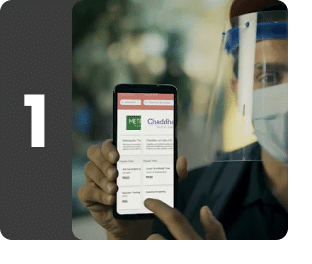
Easy online booking
Search for tests and packages, book your preferred time slot and enter your address for seamless at-home lab tests.
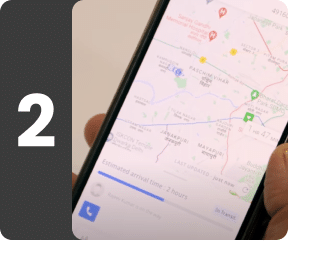
Live tracking of phlebotomist
Track our trained phlebotomist's real time location for seamless sample collection.
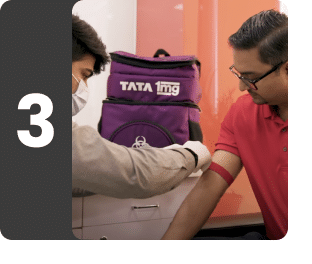
Safe Sample Collection
Our phlebotomists follow strict safety protocols to collect samples safely at home and on time.
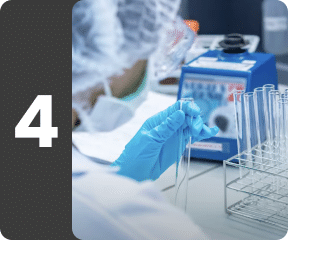
Sample received at lab
Samples are transported securely to our accredited labs with world-class machines for testing by qualified experts.
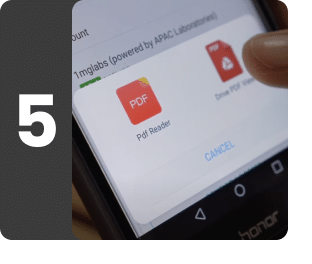
Quick, Doctor-Verified Reports
Get doctor-approved reports via email and WhatsApp, with options for doctor follow-ups and AI insights.



References
- Parashar UD, Nelson EA, Kang G. Diagnosis, management, and prevention of rotavirus gastroenteritis in children. BMJ. 2013 Dec 30;347:f7204. [Accessed 27 Nov. 2024]. Available from:

- Viral Gastroenteritis (“Stomach Flu”) [Internet]. National Institute of Health; May 2018 [Accessed 27 Nov. 2024]. Available from:
- Hung PJ, Chen CC. Diagnostic accuracy of rotavirus antigen tests in children: A systematic review and meta-analysis. Trop Med Int Health. 2023 Feb;28(2):72-79. [Accessed 27 Nov. 2024]. Available from:

Recommended for everyone
This package is designed with everyone’s overall health considerations in mind, offering assessments to address a wide range of wellness needs.
Contains 1 test
Report delivery
Standard time
48 hrs
For slots after 11 AM, report will be delivered in 48 hours.
Samples required

Stool
Our phlebotomist will provide a clean, sterile container for you to collect a stool sample.
Preparations
1
Collect a fresh stool sample in a clean, sterile, leak-proof screw-capped container (preferably with a spoon). Take only a small portion (5-10 grams or 1–2 teaspoons). Do not overfill. Do not use matchboxes, paper, or other absorbent materials. Avoid contamination with urine or water.
Why is this test booked?
1
To diagnose active rotavirus infection in children or adults showing symptoms like diarrhea, vomiting, and fever.
2
To differentiate rotavirus from other causes of gastroenteritis, enabling better treatment choices.
3
To monitor rotavirus infections in immunocompromised individuals or those with underlying health conditions.
4
To help doctors understand the severity of the condition and provide treatment accordingly.
Coupon details
Upto 15% extra discount with coupon
Get upto 15% off on your lab tests
Maximum discount: ₹1500
1MGNEWG

10% off
₹999

13% off
₹3000
15% off
₹5000
Who's behind your sample collection?




MEET YOUR PHLEBO

Certified & experienced professionals
Tata 1mg phlebotomists are DMLT / B.Sc MLT certified and have 1+ years of experience

Best in-class collections
Tata 1mg phlebotomists are trained for painless, single-prick hygienic sample collection

Comprehensive expertise
Other than sample collection, our phlebos are also skilled in first aid, ECG & BP monitoring
WHAT OUR CUSTOMERS ARE SAYING
Pain free collection
~ Sandugade Subhash Tukaram

In one prick, he got the sample. Great work.
~ Abhishek
Pain free blood collection
~ Vaghela Sagar Shashikantbhai
Excellent service
~ JITENDER KUMAR
Pain free collection
Conduct & Behaviour good
On time collection
~ Kajal Ramakant Pal 0239889984
On Time, pain free collection, Hygiene & safety
~ RAJEEV KUMAR SINGH 7330190217
Technician was great..
~ Saurav Choudhury
Very professional and humble
~ Sheela
Very gentle
~ Divya Chawla
Very polite
~ Sadhana Kumari