How can we help?
NSE (Neuron Specific Enolase), Serum

NSE (Neuron Specific Enolase), Serum

For men & women
Earliest reports in
144 hours
Contains
1 test
Know more about this test

The NSE (Neuron Specific Enolase), Serum test is a blood test that measures the level of neuron-specific enolase (NSE), an enzyme found mainly in nerve cells and neuroendocrine cells. This test helps in the detection, diagnosis, and monitoring of certain cancers, particularly small cell lung cancer and neuroblastoma, and may also be used to assess brain injury.

Samples required
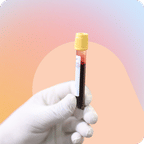
Blood

Find out
Why is this test booked?

Preparations
No special preparation is required.

Sample Collection
Who will collect your samples?

Understanding NSE (Neuron Specific Enolase), Serum

Neuron-specific enolase (NSE) is a protein enzyme involved in energy metabolism, normally found in nerve cells and neuroendocrine tissues. Under normal conditions, only very small amounts of NSE circulate in the blood. Elevated levels, however, can indicate nerve cell damage or abnormal growth of neuroendocrine tumors.

The NSE (Neuron Specific Enolase), Serum test measures the level of NSE in the blood and is primarily used as a tumor marker for small cell lung cancer and neuroblastoma, a type of cancer that arises in immature nerve cells and predominantly affects infants and children. Doctors may also advise this test to monitor treatment response or to check for cancer recurrence. In addition to its role in cancer detection, the NSE test may be performed alongside other diagnostic tests to evaluate other neuroendocrine tumors, certain brain disorders, or severe bodily injury or trauma, as damaged neurons and neuroendocrine cells release NSE into the blood.

It is important to note that while high NSE levels may indicate one of these cancers, brain injuries, or neuroendocrine conditions, the test alone cannot confirm a diagnosis, and further tests are needed for confirmation.

No special preparation is needed for getting the NSE (Neuron Specific Enolase), Serum test done. However, be sure to inform the doctor about any medications or supplements being taken, as they may affect the test results. 

Lab test results may vary across different laboratories. Abnormal test results require expert interpretation. Therefore, never try to self-medicate based solely on these results. Always consult a doctor for a proper understanding of the test results.

Please note: This is an outsourced test. The sample for this test is collected by TATA 1MG and processed at a NABL accredited partnered lab.

See more

What does NSE (Neuron Specific Enolase), Serum measure?

The NSE (Neuron Specific Enolase), Serum test measures the level of neuron-specific enolase (NSE) in the blood, an enzyme primarily found in nerve cells and neuroendocrine tissues that plays a key role in energy metabolism. When these cells are damaged, injured, or grow abnormally, as in cancers such as small cell lung cancer, neuroblastoma, medullary thyroid carcinoma, or carcinoid tumors, they release excess NSE into the blood. Elevated NSE levels may also occur in brain injury, stroke, or other neurological conditions. Normal or low NSE levels are generally not a cause for concern, but must still be interpreted alongside clinical findings and other diagnostic tests. NSE is not entirely specific; it may rise in some non-cancerous conditions as well, so doctors typically use this test in combination with imaging studies and other tumor markers to arrive at an accurate diagnosis.

FAQs related to NSE (Neuron Specific Enolase), Serum

The NSE (Neuron Specific Enolase), Serum test measures the level of neuron-specific enolase, an enzyme found in nerve cells and neuroendocrine cells. It helps detect nerve cell damage or certain neuroendocrine cancers.
It is done to diagnose and monitor small cell lung cancer and neuroblastoma; check for neuroendocrine tumors like medullary thyroid carcinoma or carcinoid tumors; assess brain injury, stroke, or neurological damage; and monitor treatment response or recurrence in cancer patients.
No fasting is required. You can eat and drink normally before the test.
The test involves a simple blood draw and carries minimal risk. Some people may experience minor discomfort or bruising at the puncture site, which usually resolves on its own.
Yes. Apart from cancer, NSE levels can increase due to brain injury, stroke, or trauma; due to severe infections or inflammation affecting the nervous system; or due to recent surgery or chemotherapy
High NSE levels may indicate cancer, brain injury, or neurological damage, while normal or low levels are generally not concerning. Results must always be interpreted alongside clinical findings and other diagnostic tests.
The frequency depends on your condition. It may be repeated during cancer treatment to monitor response, after treatment to check for recurrence, or during neurological evaluation as recommended by your doctor.
Tata 1mg ensures accurate lab test results through certified laboratories that use advanced technology and adhere to stringent quality control measures. This commitment to high standards guarantees reliable results.

NSE (Neuron Specific Enolase), Serum test price for other cities

Price inMumbaiRs. 3509
Price inNew DelhiRs. 3339
Price inRangareddyRs. 3500
Price inPuneRs. 3659
Price inRanchiRs. 3209

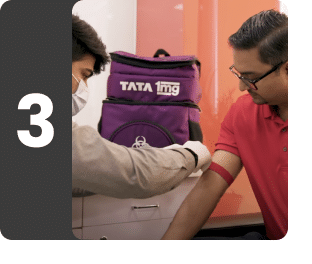
How does home sample collection work?

Download the Tata 1mg app. Trusted healthcare, at your fingertips.

Book tests, track reports, and get AI-powered health insights.

or
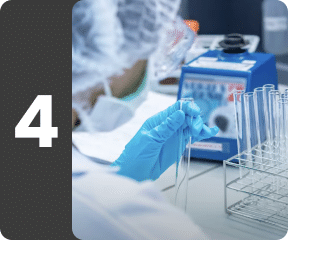
Conducted by
NABL accredited partner lab
Accredited labs
Highly skilled Phlebos
Verified reports
Who will collect your samples?
Tata 1mg certified phlebotomists
Contains 1 test
NSE (Neuron Specific Enolase), Serum