Myoglobin, Urine


The Myoglobin, Urine test measures the amount of myoglobin, a protein released into the urine when muscle tissue is damaged. This test helps assess the severity of muscle injury, rhabdomyolysis, and the risk of kidney damage.


Understanding Myoglobin, Urine
Myoglobin is an oxygen-binding protein present in skeletal and cardiac muscles. When muscle fibers are injured due to trauma, excessive exertion, infections, burns, or certain medical conditions, myoglobin is released into the bloodstream. The kidneys filter it, and significant amounts may pass into urine. Elevated urinary myoglobin levels can be harmful to the kidneys and may result in acute kidney injury.
Excess myoglobin in urine (myoglobinuria) can harm the kidneys and may lead to acute kidney injury if not addressed promptly. Measuring myoglobin in urine provides an early clue of muscle damage and its possible impact on kidney health.
The Myoglobin, Urine test is often ordered when a person has symptoms such as muscle pain, weakness, swelling, dark or cola-colored urine, or reduced urine output. It is especially recommended if the doctor suspects muscle breakdown or conditions like rhabdomyolysis. This test may also be prescribed after suspected trauma, crush injuries, heat stroke, seizures, prolonged immobility, electrical burns, or severe infections. In addition, it is useful for monitoring patients with chronic muscle disorders such as muscular dystrophy, myositis, or other inflammatory muscle diseases.
For this test, the urine sample must preferably be the first-morning midstream urine (part of the urine that comes after the first and before the last stream). Collect the urine sample in a sealed and sterile screw-capped container provided by our sample collection professional. Ensure that the urethral area (from where the urine is passed) is clean and the container does not come in contact with skin. Women are advised not to give the sample during the menstrual period unless prescribed.
Inform the doctor about all the medications and supplements currently being taken, as some of them may affect the test results, potentially requiring dosage adjustments or temporary discontinuation before the test.
Test result ranges are approximate and may differ slightly between labs depending on the methodology and laboratory guidelines. Do not self-medicate, and always consult a doctor to understand the test results correctly.
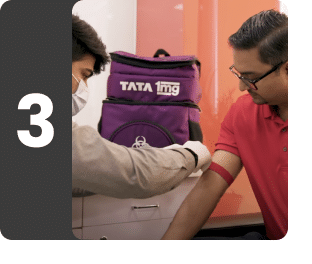
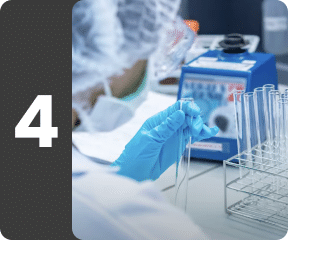
Please note: This is an outsourced test. The sample for this test is collected by TATA 1MG and processed at a NABL accredited partnered lab.
What does Myoglobin, Urine measure?
The Myoglobin, Urine test measures the amount of myoglobin excreted in urine. Normally, urine does not contain detectable levels of myoglobin. When muscles are damaged, myoglobin is released into the bloodstream, filtered by the kidneys, and passed into the urine.
High urine myoglobin levels indicate significant muscle injury or breakdown, commonly seen in rhabdomyolysis, crush injuries, or strenuous physical exertion. Persistently elevated levels may suggest ongoing muscle damage and increase the risk of acute kidney injury. Low or absent levels are considered normal and suggest no major muscle breakdown.


FAQs related to Myoglobin, Urine
Other tests
- AChR (Acetyl Choline Receptor) Antibodies
- Lactate, Plasma
- MUSK Antibody (Myasthenia gravis)
- NMO with MOG Antibody Profile
- NCV (Nerve Conduction Velocity) - Four limbs
- Physiotherapy @ Home 1 Session
- NSE (Neuron Specific Enolase), Serum
- Myositis IgG (16 Antigen) Profile
- Myoglobin, Serum
- Pseudo Cholinesterase OPC poisoning
- CBC (Complete Blood Count)
- FBS (Fasting Blood Sugar)
- Thyroid Profile Total (T3, T4 & TSH)
- HbA1c (Glycosylated Hemoglobin)
- PPBS (Postprandial Blood Sugar)
- Lipid Profile
- Vitamin D (25-Hydroxy)
- Urine R/M (Urine Routine & Microscopy)
- Coronavirus Covid -19 test- RT PCR
- LFT (Liver Function Test)
- KFT (Kidney Function Test)
- TSH (Thyroid Stimulating Hormone) Ultrasensitive
- ESR (Erythrocyte Sedimentation Rate)
- Uric Acid, Serum
- Vitamin B12
- CRP (C-Reactive Protein), Quantitative
- Urine C/S (Urine Culture and Sensitivity)
- Serum Electrolytes
- Serum Calcium
- Serum Creatinine
- Diabetes Screening (HbA1C & Fasting Sugar)
- KFT with Electrolytes (Kidney Function Test with Electrolytes)
- Cholesterol - Total
- Hb (Hemoglobin)
- Complete Hemogram (CBC & ESR)