Lactate, Plasma


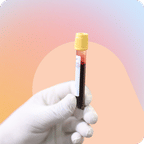
The Lactate, Plasma test is a blood test that measures the level of lactic acid (lactate) in the blood. This test helps evaluate whether the body’s tissues are receiving enough oxygen. It helps support the diagnosis of conditions such as sepsis, shock, heart failure, and severe infections.



Understanding Lactate, Plasma
Lactate is a substance produced when the body breaks down carbohydrates for energy under low oxygen conditions (anaerobic metabolism). Normally, lactate is present in small amounts and cleared by the liver. However, when the body’s tissues lack sufficient oxygen, or when lactate clearance is impaired, levels rise in the blood, a condition called hyperlactatemia. Excessively high levels may lead to lactic acidosis, a serious condition that disrupts the body’s acid-base balance.
The Lactate, Plasma test is often performed when symptoms that may point to oxygen shortage or abnormal blood acidity arise. These may include rapid breathing, nausea, sweating, belly pain, or confusion.
It is commonly ordered if a doctor suspects sepsis, shock, suspected cardiac related conditions, severe congestive heart failure, kidney failure, or poorly controlled diabetes. The test may also be done if there is a concern about rare inherited metabolic or mitochondrial disorders, or if there are signs of lactic acidosis, such as sweet-smelling breath, cool and clammy skin, or sudden changes in alertness.
No special preparation is required for the Lactate, Plasma test. Inform the doctor about all the medications and supplements currently being taken, as these may affect the test results.
Test result ranges are approximate and may differ slightly between labs depending on the methodology and laboratory guidelines. Do not self- diagnose and always consult a doctor to understand the test results correctly.
Please note: This is an outsourced test. The sample is collected by TATA 1MG and processed at a NABL accredited partnered lab.
What does Lactate, Plasma measure?
The Lactate, Plasma test measures the amount of lactic acid in blood. Lactic acid is made when the body’s cells do not get enough oxygen and switch to another way of producing energy. This test helps doctors see if the body is getting enough oxygen and how well it is producing energy. Normal levels mean oxygen supply and energy use are balanced. Slightly higher levels may happen due to stress on the body, like infection, dehydration, or heavy exercise. Very high levels are a warning sign of serious conditions such as sepsis, shock, organ failure, or lactic acidosis and require urgent medical evaluation. Monitoring these levels also helps doctors track if the treatment is working, especially in emergency or critical care.


FAQs related to Lactate, Plasma
- Goodwin ML, Harris JE, Hernández A, Gladden LB. Blood lactate measurements and analysis during exercise: a guide for clinicians. J Diabetes Sci Technol. 2007 Jul;1(4):558-69. [Accessed 28 Aug. 2025]. Available from:
- Baddam S, Tubben RE. Lactic Acidosis. [Updated 2025 Apr 28]. In: StatPearls [Internet]. Treasure Island (FL): StatPearls Publishing; 2025 Jan-. Available from:
- Li X, Yang Y, Zhang B, Lin X, Fu X, An Y, Zou Y, Wang JX, Wang Z, Yu T. Lactate metabolism in human health and disease. Signal Transduct Target Ther. 2022 Sep 1;7(1):305. [Accessed 28 Aug. 2025]. Available from:
Other tests
- AChR (Acetyl Choline Receptor) Antibodies
- MUSK Antibody (Myasthenia gravis)
- NMO with MOG Antibody Profile
- NCV (Nerve Conduction Velocity) - Four limbs
- Physiotherapy @ Home 1 Session
- NSE (Neuron Specific Enolase), Serum
- Myositis IgG (16 Antigen) Profile
- Myoglobin, Serum
- EMG (Electromyography) - Two Limbs
- Myoglobin, Urine
- CBC (Complete Blood Count)
- FBS (Fasting Blood Sugar)
- Thyroid Profile Total (T3, T4 & TSH)
- HbA1c (Glycosylated Hemoglobin)
- PPBS (Postprandial Blood Sugar)
- Lipid Profile
- Vitamin D (25-Hydroxy)
- Urine R/M (Urine Routine & Microscopy)
- Coronavirus Covid -19 test- RT PCR
- LFT (Liver Function Test)
- KFT (Kidney Function Test)
- TSH (Thyroid Stimulating Hormone) Ultrasensitive
- ESR (Erythrocyte Sedimentation Rate)
- Uric Acid, Serum
- Vitamin B12
- CRP (C-Reactive Protein), Quantitative
- Urine C/S (Urine Culture and Sensitivity)
- Serum Electrolytes
- Serum Calcium
- Serum Creatinine
- Diabetes Screening (HbA1C & Fasting Sugar)
- KFT with Electrolytes (Kidney Function Test with Electrolytes)
- Cholesterol - Total
- Hb (Hemoglobin)
- Complete Hemogram (CBC & ESR)