Glucose is the main source of energy for the body, obtained from the breakdown of carbohydrates. Once absorbed into the blood, glucose is transported to the cells. It is then converted into energy. The hormone insulin, produced by the pancreas, helps regulate blood glucose levels by allowing glucose to enter the cells.
When insulin levels are low or the body becomes resistant to its effects, blood glucose levels can rise. Persistently high glucose levels may indicate diabetes mellitus or prediabetes. Prediabetes is a condition in which blood sugar levels are higher than normal but not high enough to be classified as diabetes.
The RBS (Random Blood Sugar) test helps in the screening of diabetes, which can prevent serious complications like heart disease, kidney damage, eye damage and nerve problems. It is also useful for monitoring glucose levels in individuals already diagnosed with diabetes, checking for hypoglycemia (low blood sugar), and assessing the effectiveness of diabetes medications or insulin therapy.
Doctors may recommend the RBS (Random Blood Sugar) test if you experience symptoms suggestive of diabetes, such as excessive thirst, frequent urination, fatigue, unexplained weight loss or gain, and blurred vision.
Fasting is not needed for this test. It can be performed at any time of the day, regardless of when you last ate. This makes it a convenient test for quickly assessing blood sugar levels, especially in emergency or routine screening situations. However, it is important to inform your doctor about all current medications, as some may influence glucose levels and may require dose adjustments before the test.
RBS test result ranges may vary across the laboratories depending on the methodology and laboratory guidelines. Do not self-medicate. Always consult your doctor to understand your test results. The results will help them understand your condition, suggest lifestyle changes like diet and exercise, decide if you need medication, and create a treatment plan.
What are the Symptoms or Conditions That May Require the RBS (Random Blood Sugar) Test?
You may need the RBS (Random Blood Sugar) test if you experience symptoms of high or low blood sugar, such as:
- Excessive thirst or increased appetite
- Frequent urination, especially at night
- Blurred vision
- Persistent fatigue or irritability
- Unexplained weight loss or gain
- Slow-healing wounds or frequent infections
You may also need this test if:
- Your doctor suspects prediabetes or diabetes
- You are overweight or have a sedentary lifestyle
- You have a family history of diabetes
- You have high blood pressure, cholesterol, or heart disease
- You had gestational diabetes during pregnancy
When Would I Need the RBS (Random Blood Sugar) Test?
You may need the RBS (Random Blood Sugar) test if:
- You have symptoms of diabetes, such as increased thirst and urination, increased appetite, fatigue, and blurred vision.
- You are younger but overweight, physically inactive, or have a family history of diabetes.
- You have abnormal cholesterol or high blood pressure.
- You are pregnant or have had gestational diabetes in the past.
- Your doctor is monitoring diabetes or medication response.
How Do I Prepare for the RBS Test?
Do I need to fast or stop any medications before the RBS (Random Blood Sugar) test?
No, fasting is not required before the RBS (Random Blood Sugar) test. This test can be done at any random time. However, it is essential to inform your doctor about any medications or supplements you are taking, as certain medications may interact with test results. Your doctor will guide you if any temporary adjustments are needed before the test.
How is the RBS (Random Blood Sugar) test done?
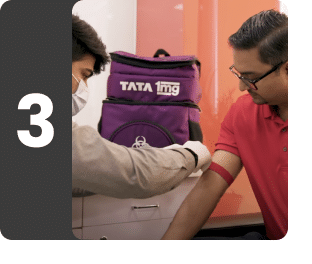
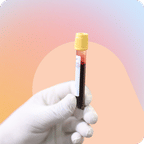
- The RBS (Random Blood Sugar) test is done by collecting a small amount of blood from a vein, usually in the arm.
- The procedure is quick, minimally invasive, and generally causes only slight discomfort.
What happens before the RBS (Random Blood Sugar) test?
- Fasting is not required for this test.
- Kindly provide complete clinical details and medication history or a doctor's prescription. This information is important for the correlation of your test results.
- Take your medicines as usual. Inform your doctor about any special treatments or supplements.
- Let your doctor know if you are sick or have had recent blood loss, as this can affect results.
- Bring a list of your current medications, supplements, and any recent health history.
What happens during the RBS (Random Blood Sugar) test?
- You will be seated comfortably with your arm supported on a flat surface or armrest.
- A tourniquet (elastic band) is tied around your upper arm to make the veins more visible and easier to locate.
- The phlebotomist identifies a suitable vein for blood collection.
- The puncture site is then cleaned thoroughly with an alcohol swab to reduce the risk of infection.
- A thin, sterile needle is gently inserted into the vein, and a small amount of blood is collected into a test tube.
What happens after the RBS (Random Blood Sugar) test?
- Once enough blood has been collected, the tourniquet is released, and the needle is removed.
- A cotton ball or gauze is placed on the site, followed by a small bandage or dressing to stop any bleeding.
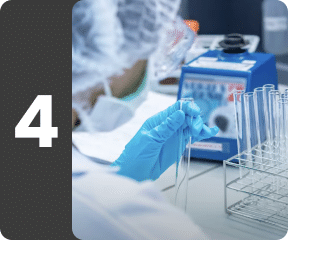
- The blood sample is carefully labeled with your details and sent to the laboratory for analysis.
- You can resume your daily routine after the test is done.
Is the RBS (Random Blood Sugar) test painful?
No, the test is generally simple and safe. However, you may feel slight discomfort during blood sample collection, but the chances of serious complications are extremely rare.
How Long Does the RBS (Random Blood Sugar) Test Take?
The procedure is quick, simple, and safe. It requires only a small blood sample and is completed within a short duration.
When Will I Get the Results?
The availability of your test report may vary depending on your location and the laboratory where the test is conducted. In general, Tata 1mg provides the results within the stipulated time after sample collection.
When Should I Consult a Doctor After the Test?
You should consult your doctor if:
- Your test results are outside the normal range.
- You have symptoms of high or low blood sugar, such as persistent fatigue, increased thirst, or blurred vision.
Are There Any Risks Associated with the RBS (Random Blood Sugar) Test?
The RBS (Random Blood Sugar) test is safe, with only minimal and short-lasting effects like:
- Small bruise, pinch, or slight tenderness at the puncture site
- Occasional lightheadedness if you are sensitive to needles or blood
- Rarely, infection or blood vessel injury
Note: If you have a bleeding disorder or take blood thinners, inform the phlebotomist beforehand.
What Do the Results Mean?
Pathological Factors
|
Test Parameter
|
Interpretation (possible causes)
|
|
Normal
|
Low likelihood of diabetes
|
|
Borderline/Elevated
|
Pre-diabetes (can be due to insulin resistance, and other risk factors like obesity, unhealthy diet, sedentary lifestyle, etc.)
|
|
High levels
|
Diabetes
|
Physiological Factors
🧒 Age: Glucose levels may increase slightly with age, even in healthy individuals.
🫄 Pregnancy: Hormonal changes during pregnancy can temporarily alter blood sugar levels.
Lifestyle Factors
🍽️ Diet: High sugar intake and irregular meals can affect glucose readings.
😴 Sleep: Poor sleep quality, irregular sleep patterns, or chronic stress may elevate glucose levels.
🚬 Smoking & Alcohol: Both factors can interfere with insulin function and lead to altered blood sugar test results.
Disclaimer: This information is for educational purposes only and should not replace professional medical advice, diagnosis, or treatment. Always consult your healthcare provider for personalized guidance.
What Do Normal RBS Levels Mean?
Normal RBS levels mean your body is effectively controlling glucose and insulin balance, suggesting good metabolic health.
What Do High Levels of RBS Indicate?
High levels of RBS suggest prediabetes or diabetes, depending on the severity. It could also occur temporarily due to stress, illness, or certain medications.
What to Do if Your RBS Is Higher Than Normal?
If your RBS level is higher than normal, consult a healthcare provider for further evaluation. They may recommend a fasting blood sugar, HbA1c, or glucose tolerance test to confirm the diagnosis and guide lifestyle or treatment changes such as diet, exercise, or medication.
What Do Low Levels of RBS Indicate?
Low RBS levels may occur due to skipped meals, excessive insulin or diabetes medication, prolonged fasting, or intense physical activity. Symptoms can include sweating, dizziness, shakiness, confusion, or fainting. Immediate medical attention is advised if these symptoms occur.
Can RBS Results Be Inaccurate?
Yes. Certain conditions or external factors, such as recent meals, illness, medications (like steroids), or lack of sleep, can affect RBS results. If your readings do not align with your symptoms or overall health, your doctor may recommend repeating the test or performing additional investigations to confirm accuracy.
What Factors Can Affect RBS (Random Blood Sugar) test Results?
Though it is a reliable test, several factors can influence accuracy:
- Heavy meals or high sugar intake before the test
- Physical exertion or stress
- Illness or infection
- Lack of sleep or irregular sleep pattern
- Dehydration
- Hormonal imbalance (pregnancy, menstruation)
- Medications like steroids or diuretics
- Alcohol or caffeine intake
What Follow-Up Tests May Be Required?
Based on your RBS (Random Blood Sugar) test results, your doctor may recommend additional tests to confirm diabetes or assess blood sugar control. These may include:
Table: Tests Commonly Ordered Alongside Random Blood Sugar Test
|
Test Name
|
Primary Purpose
|
|
HbA1c (Glycosylated Hemoglobin)
|
Measures average blood sugar over 2–3 months
|
|
Postprandial Blood Sugar (PPBS)
|
Checks glucose levels 2 hours after eating
|
|
FBS (Fasting Blood Sugar)
|
Measures glucose after 8–12 hours of fasting
|
|
Oral Glucose Tolerance Test (OGTT)
|
Evaluates how the body processes sugar
|
|
Lipid Profile
|
Evaluates cholesterol and overall heart risk
|
|
Microalbumin Creatinine Ratio, Urine
|
Detects early signs of kidney damage
|
How Does RBS (Random Blood Sugar) Differ from Other Blood Tests?
PPBS (Postprandial Blood Sugar): Measures blood sugar 2 hours after eating a meal.
FBS (Fasting Blood Sugar): Measures glucose after 8–12 hours of fasting.
OGTT (Oral Glucose Tolerance Test): Measures blood sugar before and after consuming glucose.
HbA1c (Glycosylated Hemoglobin): Reflects average blood sugar over the past 2–3 months.
Lifestyle Tips to Manage Your Blood Glucose Levels:
🥤 Hydration: Drink enough water to support overall health and maintain blood sugar levels within a healthy range.
🥙 Eat (Diet): Eat whole grains, vegetables, lean proteins, healthy fats, nuts, and seeds for healthy blood sugar levels.
🚴♀️ Activity (Exercise): Regular exercise like walking, cycling, or strength training helps manage blood sugar and maintain a healthy weight during diabetes.
😴 Lifestyle (Sleep): Get quality sleep to help regulate blood sugar.
👨⚕️ Talk to Your Doctor (Consult): Talk to your doctor to understand your RBS test results correctly. Avoid self-medication.
💊 Habits (Supplements): If your doctor advises, then take supplements like magnesium or chromium only if your doctor advises, as these supplements help regulate insulin sensitivity and support glucose metabolism.
Note: The lifestyle tips shared here serve as an adjunct to the ongoing treatment. These tips in no manner are intended to replace professional medical advice or treatment. If you have medical concerns, ongoing symptoms, or underlying conditions, please consult a doctor before making changes to your health routine.























 YES (6)
 NO (2)