How can we help?
Gastrin

Gastrin

Also referred as
GAST Test
Gastrin (GAST)
Serum
For men & women
Earliest reports in
48-72 hours
Contains
1 test
Know more about this test

The Gastrin test is a blood test that measures the level of gastrin, a hormone that stimulates the stomach to produce acid. This test helps detect abnormal gastrin production and is mainly used to help diagnose conditions linked to excessive acid production, such as Zollinger–Ellison syndrome. It may also assist doctors in assessing causes of recurrent or treatment-resistant 

Samples required
Blood

Find out
Why is this test booked?

Preparations
Overnight fasting required for 8 to 12 hours

Sample Collection
Who will collect your samples?

Understanding Gastrin

Gastrin is a hormone produced by G-cells in the lining of the stomach and the upper small intestine (duodenum). It plays an essential role in digestion by stimulating the stomach to release gastric acid, which helps break down food. Normally, gastrin levels rise after eating and usually return toward baseline as digestion progresses. However, abnormally high gastrin levels may indicate conditions such as Zollinger–Ellison syndrome (caused by gastrin-secreting tumors called gastrinomas), chronic atrophic gastritis, or pernicious anemia. Low gastrin levels are less commonly a major clinical concern but may be seen in situations associated with reduced stomach acid production or damage to the stomach lining.

The Gastrin test may be recommended if a person has symptoms such as recurrent or severe peptic ulcers, abdominal pain, chronic diarrhea, acid reflux, or unexplained weight loss. It is often ordered when a doctor suspects abnormal gastrin production or disorders related to excess stomach acid, such as gastrinoma, Zollinger–Ellison (ZE) syndrome, or G-cell hyperplasia. The test can also support the evaluation of pernicious anemia, where autoimmune damage to acid-secreting stomach cells leads to low acid levels and a compensatory rise in gastrin. In some cases, a stimulation test (such as a secretin test) may be performed to help confirm ZE syndrome. Additionally, the test may be ordered in selected cases for people with chronic gastritis, repeated ulcers, or those on long-term acid-suppressing medications (such as PPIs or H2 blockers), as these drugs can affect gastrin levels and require careful interpretation.

For this test, overnight fasting (8–12 hours) is required. Eat or drink anything except water before the test. It is also recommended to discontinue proton pump inhibitors (PPIs) at least 2 weeks before sample collection, but only after consulting the treating physician. This helps ensure accurate results.

Test result ranges are approximate and may differ slightly between labs depending on the methodology and laboratory guidelines. Do not self-medicate and always consult a doctor to understand the test results correctly. 

Please note: This is an outsourced test. The sample for this test is collected by TATA 1MG and processed at a NABL accredited partnered lab.

See more

What does Gastrin measure?

The Gastrin test measures the concentration of the gastrin hormone in the blood, providing insight into how the stomach regulates acid production. Normally, gastrin levels rise after eating and then fall as digestion progresses. Persistently high levels may be seen in conditions such as Zollinger–Ellison syndrome, gastrin-secreting tumors (gastrinomas), G-cell hyperplasia, or pernicious anemia. In contrast, very low levels may be associated with reduced stomach acid production due to damage to acid-secreting cells.

By assessing gastrin levels, this test helps doctors evaluate whether acid regulation may be abnormal and guides further diagnosis and management. Results are interpreted alongside symptoms, use of acid-suppressing medications, and, when needed, other supportive tests.

FAQs related to Gastrin

The Gastrin test is a blood test that measures the level of gastrin, a hormone that controls the release of stomach acid.
It is done to check if your stomach is making too much or too little acid. It helps evaluate and support diagnostic conditions like Zollinger-Ellison syndrome, gastrinomas (tumors that make gastrin), pernicious anemia, and chronic gastritis.
Yes. You should fast overnight (8–12 hours). Only water is allowed before the test.
Your doctor may recommend this test if you have frequent ulcers, abdominal pain, diarrhea, heartburn, or unexplained weight loss.
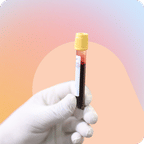
The test is done by taking a blood sample from a vein in your arm. The sample is then analyzed in a lab to determine the levels of gastrin.
This test is generally safe with minimal risks. You may feel slight discomfort, bruising, or swelling at the blood draw site, which resolves on its own.
The frequency of this test depends on your symptoms, underlying condition, and your doctor’s advice.
Excess gastrin can cause your stomach to produce too much acid. This may lead to frequent or severe ulcers, abdominal pain, diarrhea, or a condition called Zollinger-Ellison syndrome.
Yes. Low gastrin levels may occur if the stomach produces very little acid (hypochlorhydria or achlorhydria). This can lead to poor digestion, nutrient deficiencies, and sometimes chronic stomach conditions in some cases.
Zollinger-Ellison syndrome (ZE syndrome) is a rare condition where tumors called gastrinomas produce large amounts of gastrin, leading to excessive stomach acid and recurrent ulcers.
Some gastrinomas can be cancerous, while many are benign. Early detection through tests like the Gastrin test, along with imaging and other evaluations as advised by the doctor, helps in accurate diagnosis and appropriate treatment planning.
Pernicious anemia occurs when the stomach lining is damaged, and it stops making acid and intrinsic factor needed for vitamin B12 absorption. This damage can cause low acid levels, leading to higher gastrin levels as the body tries to compensate.
Tata 1mg ensures accurate lab test results through certified laboratories that use advanced technology and adhere to stringent quality control measures. This commitment to high standards guarantees reliable results.

Gastrin test price for other cities

Price inBangaloreRs. 1409
Price inHyderabadRs. 1730
Price inPuneRs. 1469
Price inNew DelhiRs. 1329
Price inMumbaiRs. 1359

How does home sample collection work?

Download the Tata 1mg app. Trusted healthcare, at your fingertips.

Book tests, track reports, and get AI-powered health insights.

or
Conducted by
NABL accredited partner lab
Accredited labs
Highly skilled Phlebos
Verified reports
Who will collect your samples?
Tata 1mg certified phlebotomists
Contains 1 test
Gastrin