







ASCA - IgA antibody
Also referred as
Anti-Saccharomyces Cerevisiae Antibody IgA Test
+2
Crohn's Disease Antibody Test
IgA Antibodies to Saccharomyces Cerevisiae Test

For men & women
Earliest reports in

144 hours

Contains

1 test
Test price:
₹1499
Get it at ₹1349 with coupon
Apply coupon 1MGNEWG during checkout


More offers available

Know more about this test

The ASCA - IgA antibody test is a blood test that detects IgA antibodies against Saccharomyces cerevisiae, a yeast naturally present in the digestive tract. This test helps differentiate between types of inflammatory bowel disease (IBD), particularly Crohn’s disease and ulcerative colitis.


Samples required
Blood

Find out
Why is this test booked?

Preparations
No special preparation is required.

Sample Collection
Who will collect your samples?
Conducted by

NABL accredited partner lab


Accredited
labs
Highly skilled
Phlebos
Verified
reports
Who will collect your samples?
Tata 1mg certified phlebotomists
Test Information is reviewed by: Dr. Swati Gupta (Anand), MBBS, MD Lab Medicine and written by Dr. Lipika Khurana, BDS, PGDHHM . The test details are for information purpose only. Consult a doctor before taking any test. Last updated on: 30th Sep 2026
Did you find information useful ?
 YES
YES  NO (1)
Book a ASCA - IgA antibody test at home near me

Easy online booking
Search for tests and packages, book your preferred time slot and enter your address for seamless at-home lab tests.

Live tracking of phlebotomist
Track our trained phlebotomist's real time location for seamless sample collection.
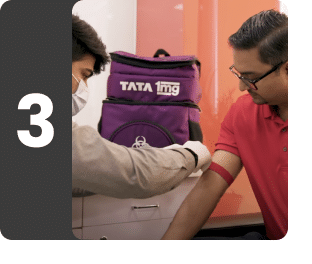
Safe Sample Collection
Our phlebotomists follow strict safety protocols to collect samples safely at home and on time.
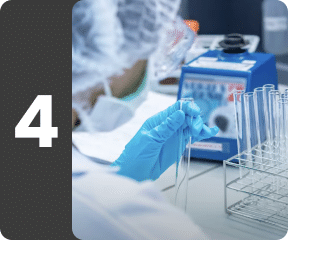
Sample received at lab
Samples are transported securely to our accredited labs with world-class machines for testing by qualified experts.

Quick, Doctor-Verified Reports
Get doctor-approved reports via email and WhatsApp, with options for doctor follow-ups and AI insights.



References
- Ashorn S, Raukola H, Välineva T, Ashorn M, Wei B, Braun J, Rantala I, Kaukinen K, Luukkaala T, Collin P, Mäki M, Iltanen S. Elevated serum anti-Saccharomyces cerevisiae, anti-I2 and anti-OmpW antibody levels in patients with suspicion of celiac disease. J Clin Immunol. 2008 Sep;28(5):486-94. [Accessed 19 Sep. 2025]. Available from:

- From ASCA breakthrough in Crohn's disease and Candida albicans research to thirty years of investigations about their meaning in human health [Internet]. ScienceDirect; [Accessed 19 Sep. 2025]. Available from:
- Walker LJ, Aldhous MC, Drummond HE, Smith BR, Nimmo ER, Arnott ID, Satsangi J. Anti-Saccharomyces cerevisiae antibodies (ASCA) in Crohn's disease are associated with disease severity but not NOD2/CARD15 mutations. Clin Exp Immunol. 2004 Mar;135(3):490-6. [Accessed 19 Sep. 2025]. Available from:
Contains 1 test
Samples required
Preparations
Why is this test booked?
Coupon details
Available Offers