







89 लोग
हाल ही में इसे खरीदा है
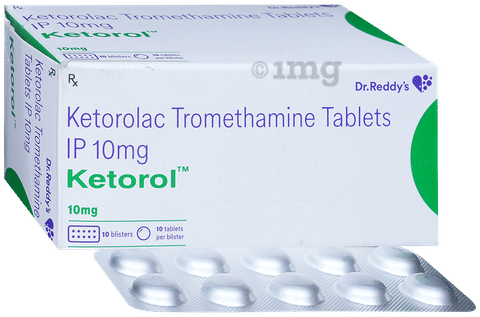
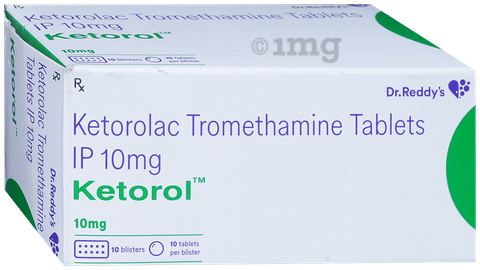
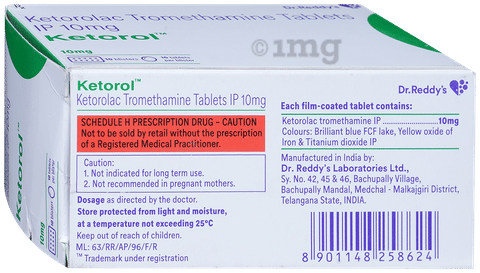
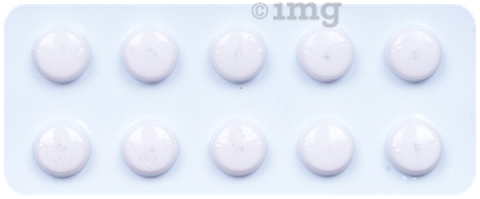
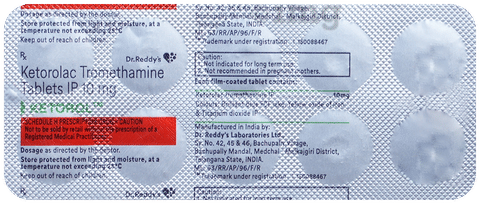
किटोरोल टैबलेट
केटोरोलैक (10mg)
 असली
असलीप्रामाणिकता सुनिश्चित
 डॉक्टर की पर्ची
ज़रूरी है
किटोरोल टैबलेट का इस्तेमाल मध्यम से गंभीर दर्द से थोड़े समय के लिए राहत पाने के लिए किया जाता है. यह दर्द, सूजन और बुखार को प्रभावी रूप से कम करता है. इसका इस्तेमाल हल्के दर्द या लंबे समय से चल रहे दर्द के लिए नहीं किया जाना चाहिए.
लेखक डॉ. लिपिका खुराना, पीजीडीएचएचएम, बीडीएस,
समीक्षक डॉ. मेखला चंद्रा, MD, MBBS,
लास्ट अपडेटेड on 10 अक्टूबर 2026 | 01:03 एएम (Ist)
लेखक डॉ. लिपिका खुराना, पीजीडीएचएचएम, बीडीएस,
समीक्षक डॉ. मेखला चंद्रा, MD, MBBS,
लास्ट अपडेटेड on 10 अक्टूबर 2026 | 01:03 एएम (Ist)
₹87.1
एमआरपी₹95.64
9% की छूट
(लागू टैक्स सहित)
Get for
₹74

न्यूनतम शॉपिंग वैल्यू ₹1200
Use Code 1MGNEWPLUS
Get for
₹80.1

न्यूनतम शॉपिंग वैल्यू ₹300
Use Code 1MGNEW
1/2
वेलकम गिफ्ट | पहले ऑर्डर के लिए
15% EXTRA OFF


Get Extra 4% off + Free Delivery
at ₹165 (3 months)


Are you sure you want to remove Care Plan?

10 tablets


भुगतान, रिटर्न और एक्सपायरी

कैश ऑन डिलीवरी उपलब्ध है
पहले अपना प्रोडक्ट प्राप्त करें, फिर अपने ऑर्डर से संतुष्ट होने के बाद ही भुगतान करें
7 दिन तक मुफ्त रिटर्न
अगर आपको प्रोडक्ट की ज़रूरत नहीं है, तो इसे आसानी से वापस करें

प्रोडक्ट की एक्सपायरी डेट मार्च 2027 है
समाप्ति तिथि बैच के अनुसार अलग-अलग हो सकती है. सभी बैच में डिस्पैच की तिथि से 3-महीने की शेल्फ लाइफ होती है.
कीमत की जानकारी
MRP बैच के अनुसार अलग-अलग हो सकता है. पैकेजिंग, हैंडलिंग, शिपिंग या डिलीवरी शुल्क सहित कोई भी अतिरिक्त शुल्क खरीदने से पहले स्पष्ट रूप से प्रकट किया जाएगा.
अतिरिक्त ऑफ़र के साथ अधिक बचत करें

Mobikwik UPI (@ikwik) के साथ न्यूनतम ₹.599/- के ट्रांज़ैक्शन पर ₹.150 तक का कैशबैक पाएं.
Mobikwik UPI (@ikwik) के साथ न्यूनतम ₹.599/- के ट्रांज़ैक्शन पर ₹.150 तक का कैशबैक पाएं.


₹499 और उससे अधिक की न्यूनतम ऑर्डर वैल्यू (MOV) पर ₹75 तक का कैशबैक पाएं, प्रति कस्टमर एक बार मान्य.
₹499 और उससे अधिक की न्यूनतम ऑर्डर वैल्यू (MOV) पर ₹75 तक का कैशबैक पाएं, प्रति कस्टमर एक बार मान्य.
₹499 और उससे अधिक की न्यूनतम ऑर्डर वैल्यू (MOV) पर ₹75 तक का कैशबैक पाएं, प्रति कस्टमर एक बार मान्य.
₹499 और उससे अधिक की न्यूनतम ऑर्डर वैल्यू (MOV) पर ₹75 तक का कैशबैक पाएं, प्रति कस्टमर एक बार मान्य.
Mobikwik UPI (@ikwik) के साथ न्यूनतम ₹.599/- के ट्रांज़ैक्शन पर ₹.150 तक का कैशबैक पाएं.
Mobikwik UPI (@ikwik) के साथ न्यूनतम ₹.599/- के ट्रांज़ैक्शन पर ₹.150 तक का कैशबैक पाएं.
₹499 और उससे अधिक की न्यूनतम ऑर्डर वैल्यू (MOV) पर ₹75 तक का कैशबैक पाएं, प्रति कस्टमर एक बार मान्य.
₹499 और उससे अधिक की न्यूनतम ऑर्डर वैल्यू (MOV) पर ₹75 तक का कैशबैक पाएं, प्रति कस्टमर एक बार मान्य.
₹499 और उससे अधिक की न्यूनतम ऑर्डर वैल्यू (MOV) पर ₹75 तक का कैशबैक पाएं, प्रति कस्टमर एक बार मान्य.
₹499 और उससे अधिक की न्यूनतम ऑर्डर वैल्यू (MOV) पर ₹75 तक का कैशबैक पाएं, प्रति कस्टमर एक बार मान्य.

₹300 तक का सुनिश्चित कैशबैक. शर्तें लागू*
₹300 तक का सुनिश्चित कैशबैक. शर्तें लागू*
सामान्य जानकारी
शामिल है
केटोरोलैक (10mg)
मार्केटर
Dr Reddy's Laboratories Ltd
स्टोरेज के निर्देश
25°c से कम तापमान पर स्टोर करें
अपनी भाषा चुनें हिंदी



All substitutes for KetoROL Tablet
For information purposes only. Consult a doctor before taking any medicine.
Ketanov 10mg Tablet
by Sun Pharmaceutical Industries Ltd
₹10.1/tablet
16% costlier
T Lac 10mg Tablet
by Indoco Remedies Ltd
₹8.63/tablet
1% cheaper
KGESIC-DT Tablet
by Med Manor Organics Pvt Ltd
₹5.18/tablet
41% cheaper
Ketowave 10mg Tablet
by Nusmith Pharma Pvt. Ltd
₹6.03/tablet
31% cheaper
Nato 10mg Tablet
by Natco Pharma Ltd
₹10.4/tablet
19% costlier
सुरक्षा संबंधी सलाह

अल्कोहल
असुरक्षित
किटोरोल टैबलेट के साथ शराब पीना सुरक्षित नहीं है

गर्भावस्था
डॉक्टर की सलाह लें
गर्भावस्था के दौरान किटोरोल टैबलेट लेने की सलाह नहीं दी जाती , क्योंकि जानवरों पर किए गए अध्ययनों में यह गर्भ में पल रहे बच्चे के लिए नुकसानदायक पाया गया है. हालांकि, कुछ गंभीर स्थितियों में डॉक्टर इसे तब दे सकते हैं जब इसके फायदे संभावित जोखिमों से ज्यादा हों.

स्तनपान
सावधानी बरतें
यदि आप स्तनपान करवाती हैं तो आपको किटोरोल टैबलेट का इस्तेमाल सावधानी से करना चाहिए. मां का इलाज पूरा होने और दवा के शरीर से पूरी तरह निकल जाने तक स्तनपान रोक देना चाहिए.

ड्राइविंग
असुरक्षित
किटोरोल टैबलेट के कारण कुछ समय के लिए नजर से जुड़ी समस्या हो सकती है. ऐसे में तब तक गाड़ी ना चलाएं जब तक आपको सब कुछ साफ़ ना नज़र आने लगे.
किडनी
सावधानी बरतें
किडनी की बीमारियों से पीड़ित मरीजों में किटोरोल टैबलेट का इस्तेमाल सावधानी के साथ किया जाना चाहिए. खुराक बदलने की ज़रूरत पड़ सकती है.
लिवर
डॉक्टर की सलाह लें
लीवर की बीमारी से पीड़ित मरीजों में किटोरोल टैबलेट के इस्तेमाल पर सीमित डेटा उपलब्ध है.
संदर्भ
- Furst DE, Ulrich RW, Varkey-Altamirano C. Nonsteroidal Anti-Inflammatory Drugs, Disease Modifying Antirheumatic Drugs, Nonopioids Analgesics, & Drugs Used in Gout. In: Katzung BG, Masters SB, Trevor AJ, editors. Basic and Clinical Pharmacology. 11th ed. New Delhi, India: Tata McGraw Hill Education Private Limited; 2009. p. 628.
- Grosser T, Smyth E, FitzGerald GA. Anti-Inflammatory, Antipyretic, and Analgesic Agents; Pharmacotherapy of Gout. In: Brunton LL, Chabner BA, Knollmann BC, editors. Goodman & Gilman’s: The Pharmacological Basis of Therapeutics. 12th ed. New York, New York: McGraw-Hill Medical; 2011. p. 986.
- Briggs GG, Freeman RK, editors. A Reference Guide to Fetal and Neonatal Risk: Drugs in Pregnancy and Lactation. 10th ed. Philadelphia, PA: Wolters Kluwer Health; 2015. pp. 760-62.
- Ketorolac. Nutley, New Jersey: Roche Laboratories Inc.; 2013. [Accessed 02 Apr. 2019] (online) Available from:

- Central Drugs Standard Control Organisation (CDSCO). [Accessed 02 Apr. 2019] (online) Available from:
Related products
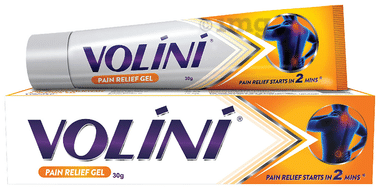
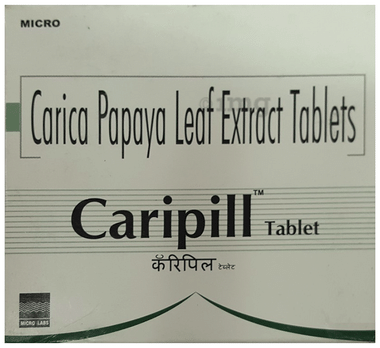
Products related to KetoROL Tablet


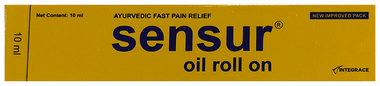

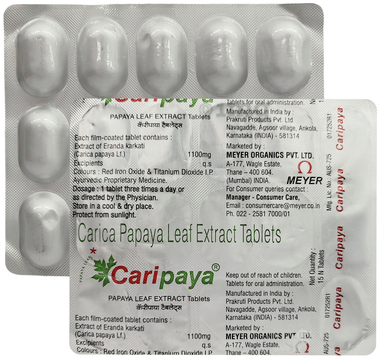


100% असली प्रोडक्ट
सुरक्षित भुगतान
संपर्क रहित डिलीवरी
पूरी तरह से सैनिटाइज्ड सुविधाएं

और अधिक जानना चाहते हैं
हम आपको प्रमाणिक, भरोसेमंद और प्रासंगिक जानकारी प्रदान करते हैं
क्या आपको यहां दी गई जानकारी से कोई समस्या है?
हमें डॉक्टर के पर्चे की आवश्यकता क्यों है?

