







277 people
viewed recently
Glucoptic Eye Drop
Betaxolol (0.5% w/v)
 Genuine
Authenticity Assured
 Prescription
required
Glucoptic Eye Drop is a medicine used to treat elevated intraocular pressure (high pressure inside the eye) in people with ocular hypertension and certain types of glaucoma. It lowers the pressure in the eye by decreasing the production of fluid and reduces the risk of vision loss.
Written By Dr. Subita Alagh, BDS,
Reviewed By Dr. Rajeev Sharma, MBA, MBBS,
Last updated on 14 Sep 2026 | 01:03 AM (IST)
Written By Dr. Subita Alagh, BDS,
Reviewed By Dr. Rajeev Sharma, MBA, MBBS,
Last updated on 14 Sep 2026 | 01:03 AM (IST)
₹49.6
MRP ₹55.05
10% off
(Inclusive of applicable taxes)
Get for
₹42.2

on orders above ₹1200
Use Code 1MGNEWPLUS
Get for
₹45.6

on orders above ₹300
Use Code 1MGNEW
1/2
Welcome Gift | For First Order
15% EXTRA OFF


Get Extra 4% off + Free Delivery
at ₹165 (3 months)


Are you sure you want to remove Care Plan?

5 ml Eye Drop


Payment, Returns & Expiry

Cash on delivery available
Get your product first, then pay us once you're sure about your order

7 day free return
Easily return the product if you don't need it anymore

Product expires after Aug, 2027
Expiry date may vary by batch. All batches have a 3-month shelf life from the date of dispatch.

Price Info
MRP may vary by batch. Any additional charges, including packaging, handling, shipping or delivery charges, will be clearly disclosed before purchase.
Save more with additional offers
10% cashback up to 200 on Min Transaction of Rs.1000, for first time users of Airtel Payments Bank.
10% cashback up to 200 on Min Transaction of Rs.1000, for first time users of Airtel Payments Bank.


Get up to ₹75 cashback on a minimum order value (MOV) of ₹499 and above, valid once per customer.
Get up to ₹75 cashback on a minimum order value (MOV) of ₹499 and above, valid once per customer.
Get up to ₹75 cashback on a minimum order value (MOV) of ₹499 and above, valid once per customer.
Get up to ₹75 cashback on a minimum order value (MOV) of ₹499 and above, valid once per customer.
10% cashback up to 200 on Min Transaction of Rs.1000, for first time users of Airtel Payments Bank.
10% cashback up to 200 on Min Transaction of Rs.1000, for first time users of Airtel Payments Bank.
Get up to ₹75 cashback on a minimum order value (MOV) of ₹499 and above, valid once per customer.
Get up to ₹75 cashback on a minimum order value (MOV) of ₹499 and above, valid once per customer.
Get up to ₹75 cashback on a minimum order value (MOV) of ₹499 and above, valid once per customer.
Get up to ₹75 cashback on a minimum order value (MOV) of ₹499 and above, valid once per customer.

Assured cashback up to ₹300*. T&C Apply*
Assured cashback up to ₹300*. T&C Apply*
General Information

The content is shown in English




Safety advice

Alcohol
No interaction found/established

Pregnancy
CONSULT YOUR DOCTOR
Glucoptic Eye Drop is not recommended during pregnancy as there is positive evidence of fetal risk based on animal studies. However, it may still be prescribed by a doctor in situations where the benefits outweigh the risks.

Breast feeding
SAFE IF PRESCRIBED
Available human data suggest that the drug does not pass into breast milk in clinically significant amounts and is unlikely to harm the infant.

Driving
UNSAFE
Glucoptic Eye Drop may cause temporary visual disturbances. Do not drive until your vision is clear.
Kidney
No interaction found/established
Liver
No interaction found/established

References
- Westfall TC, WestfallIn DP. Adrenergic Agonists and Antagonists. In: Brunton LL, Chabner BA, Knollmann BC, editors. Goodman & Gilman’s: The Pharmacological Basis of Therapeutics. 12th ed. New York, New York: McGraw-Hill Medical; 2011. p. 328.
- Robertson D, Biaggioni I. Adrenoreceptor Antagonists Drugs. In: Katzung BG, Masters SB, Trevor AJ, editors. Basic and Clinical Pharmacology. 11th ed. New Delhi, India: Tata McGraw Hill Education Private Limited; 2009. p. 159.
- Briggs GG, Freeman RK, editors. A Reference Guide to Fetal and Neonatal Risk: Drugs in Pregnancy and Lactation. 10th ed. Philadelphia, PA: Wolters Kluwer Health; 2015. pp. 141-42.
- Betaxolol hydrochloride ophthalmic suspension. Fort Worth, Texas: Alcon Laboratories, Inc.; 1985 [revised Jun. 2007]. [Accessed 29 Jan. 2019] (online) Available from:

- Central Drugs Standard Control Organisation (CDSCO). [Accessed 04 Apr. 2019] (online) Available from:
Related products
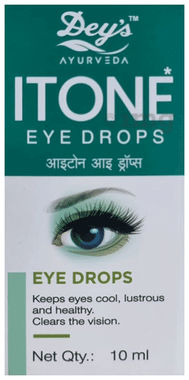
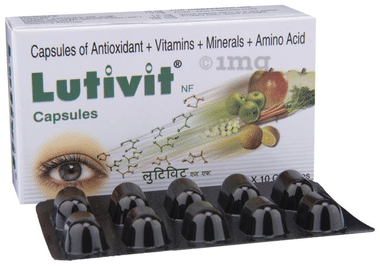
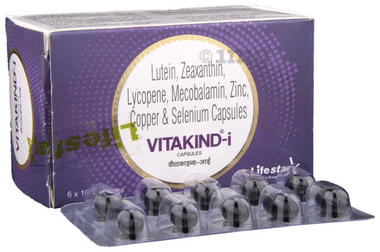
Products related to Glucoptic Eye Drop




100% genuine products

Safe & secure payments

No contact delivery

Fully sanitized facilities

Want to know more
We provide you with authentic, trustworthy and relevant information
Have issue with the content
Why we need a prescription?

