
Azithcap 500mg Tablet is an antibiotic used to treat various types of bacterial infections of the respiratory tract, ear, nose, throat, lungs, skin, and eye in adults and children. It is also effective in typhoid fever and some sexually transmitted diseases like gonorrhea.
Azithcap 500mg Tablet can be taken with or without food. Take it regularly and at a fixed time. Do not skip any doses and finish the full course of treatment even if you feel better. Stopping the medicine too early may lead to the return or worsening of the infection.
Common side effects seen with Azithcap 500mg Tablet include diarrhea, vomiting, nausea, and stomach pain. These are usually temporary and subside with the completion of treatment. Consult your doctor if you find these side effects worry you or persist for a longer duration.
Do not use Azithcap 500mg Tablet if you have a history of cholestatic jaundice or hepatic dysfunction that can be worsened with the use of Azithcap 500mg Tablet. Inform your doctor if you have any previous history of allergies or heart problems before taking this medicine. Pregnant or breastfeeding women should consult their doctor before using this medicine.
Azithcap 500mg Tablet is an antibiotic used to treat bacterial infections in different parts of the body. It works by stopping the growth of bacteria, helping the body clear the infection effectively. This helps reduce symptoms such as fever, pain, swelling, or difficulty breathing, depending on the site of infection. Complete the full course as prescribed to help prevent the infection from returning and to reduce the risk of antibiotic resistance.
Side effects of Azithcap 500mg Tablet in children
Azithcap 500mg Tablet does not pose serious side effects and is well-tolerated by children. In case the side effects do occur, they’re likely to subside once the body adapts to the medicine. Consult your child’s doctor if these side effects persist or bother your child. The most common side effects include-
Common side effects of Azithcap
Diarrhea
Nausea
Abdominal pain
How can I give Azithcap 500mg Tablet to my child?
Take this medicine in the dose and duration as advised by your doctor. Swallow it as a whole. Do not chew, crush or break it. Azithcap 500mg Tablet may be taken with or without food.
How Azithcap Tablet works
Azithcap 500mg Tablet is an antibiotic that works by inhibiting bacterial protein synthesis. It binds to the bacterial ribosome and prevents the production of essential proteins required for bacterial growth and survival, thereby stopping the infection from spreading.
Safety advice
Kidney
CAUTION
Azithcap 500mg Tablet should be used with caution in patients with severe kidney disease. Dose adjustment may be needed.

Liver
CAUTION
Azithcap 500mg Tablet should be used with caution in patients with severe liver disease. Dose adjustment may be needed.
What if I forget to give Azithcap 500mg Tablet to my child?
If you miss a dose of Azithcap 500mg Tablet, take it as soon as possible. However, if it is almost time for your next dose, skip the missed dose and go back to your regular schedule. Do not double the dose.
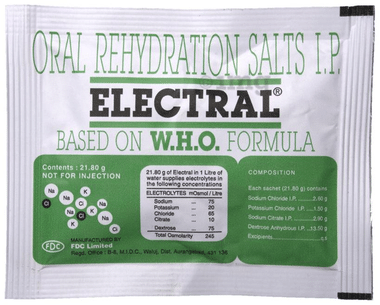
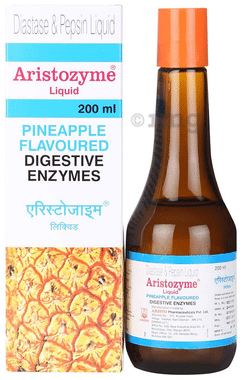
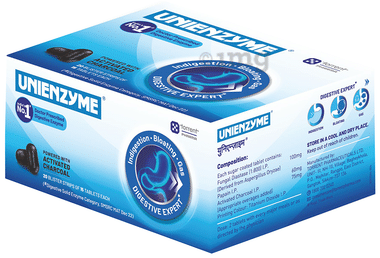
All substitutes
For informational purposes only. Consult a doctor before taking any medicines.
Factors such as old age, chronic heart issues, or low potassium levels may more frequently cause disturbance in heart rhythm, and your doctor may consider ECG monitoring in their p... More
What are the common side effects of Azithcap 500mg Tablet?
Azithcap 500mg Tablet may cause side effects in some people, although many tolerate it well. Common effects include stomach upset, nausea, vomiting, diarrhea, abdominal pain, headache, or dizziness. These are usually mild and improve as your body adjusts to the medicine. Stop the medicine and contact a doctor immediately if you develop severe diarrhea, rash, breathing difficulty, swelling of the face, fainting, or yellowing of the skin or eyes.
Can Azithcap 500mg Tablet be used for cold or viral fever?
Azithcap 500mg Tablet is an antibiotic used to treat bacterial infections when prescribed by a doctor. It does not work against viral illnesses such as the common cold, viral fever, or most sore throats. Using antibiotics when they are not needed can increase antibiotic resistance, so consult your doctor before starting or repeating Azithcap 500mg Tablet.
How long does it take Azithcap 500mg Tablet to work?
Azithcap 500mg Tablet usually begins working within a few hours after taking it, but noticeable improvement in symptoms may take a few days. Always complete the full course prescribed by your doctor even if you start feeling better, because stopping early may allow the infection to return.
What food or medicines should I avoid while using Azithcap 500mg Tablet?
Azithcap 500mg Tablet should be taken as advised by your doctor. Some medicines, especially antacids containing aluminum or magnesium, may reduce how well it works if taken at the same time, so a gap of a few hours may be recommended. Eating simple, non-spicy meals and staying well hydrated may help reduce stomach discomfort.
Is Azithcap 500mg Tablet a strong antibiotic?
Azithcap 500mg Tablet is an antibiotic used to treat a variety of bacterial infections. It stays in the body for a longer time compared with many other antibiotics, which is why it is usually taken once daily for a shorter duration.
What is Azithcap 500mg Tablet used for and how does it work?
Azithcap 500mg Tablet is used to treat bacterial infections affecting areas such as the throat, lungs, skin, ears, or certain sexually transmitted infections. It works by blocking bacterial protein production, which stops bacteria from growing and multiplying so the immune system can clear the infection.
What should I do if I miss a dose of Azithcap 500mg Tablet?
If you miss a dose of Azithcap 500mg Tablet, take the next scheduled dose at the usual time unless your doctor advises otherwise. Do not take two doses together to make up for a missed dose because this may increase the risk of side effects.
Can Azithcap 500mg Tablet be taken with food?
Azithcap 500mg Tablet can generally be taken with or without food, but taking it after food may help reduce stomach discomfort in some people. Follow your doctor’s instructions regarding the timing of doses.
Can I drink alcohol while taking Azithcap 500mg Tablet?
It is usually advisable to avoid alcohol while using Azithcap 500mg Tablet because alcohol may increase stomach irritation, dizziness, dehydration, or liver stress.
Who should avoid Azithcap 500mg Tablet?
Azithcap 500mg Tablet should be avoided or used only with medical advice in people who are allergic to azithromycin or similar antibiotics, have severe liver disease, or previously developed liver problems with similar medicines. Extra caution is also needed in people with heart rhythm disorders, severe kidney disease, or those taking medicines that affect heart rhythm.
Tata 1mg's sole intention is to ensure that its consumers get information that is expert-reviewed, accurate and trustworthy. However, the information contained herein should NOT be used as a substitute for the advice of a qualified physician. The information provided here is for informational purposes only. This may not cover everything about particular health conditions, lab tests, medicines, all possible side effects, drug interactions, warnings, alerts, etc. Please consult your doctor and discuss all your queries related to any disease or medicine. We intend to support, not replace, the doctor-patient relationship.
References
Chambers HF, Deck DH. Tetracyclines, Macrolides, Clindamycin, Chloramphenicol, Streptogramins, & Oxazolidiones. In: Katzung BG, Masters SB, Trevor AJ, editors. Basic and Clinical Pharmacology. 11th ed. New Delhi, India: Tata McGraw Hill Education Private Limited; 2009. p. 801.
Briggs GG, Freeman RK, editors. A Reference Guide to Fetal and Neonatal Risk: Drugs in Pregnancy and Lactation. 10th ed. Philadelphia, PA: Wolters Kluwer Health; 2015. pp. 117-20.
Azithromycin [EMC Label]. Frimley, Camberley: Sandoz Ltd.; 2018. [Accessed 31 Mar. 2019] (online) Available from:
Central Drugs Standard Control Organisation (CDSCO). [Accessed 31 Mar. 2019] (online) Available from: