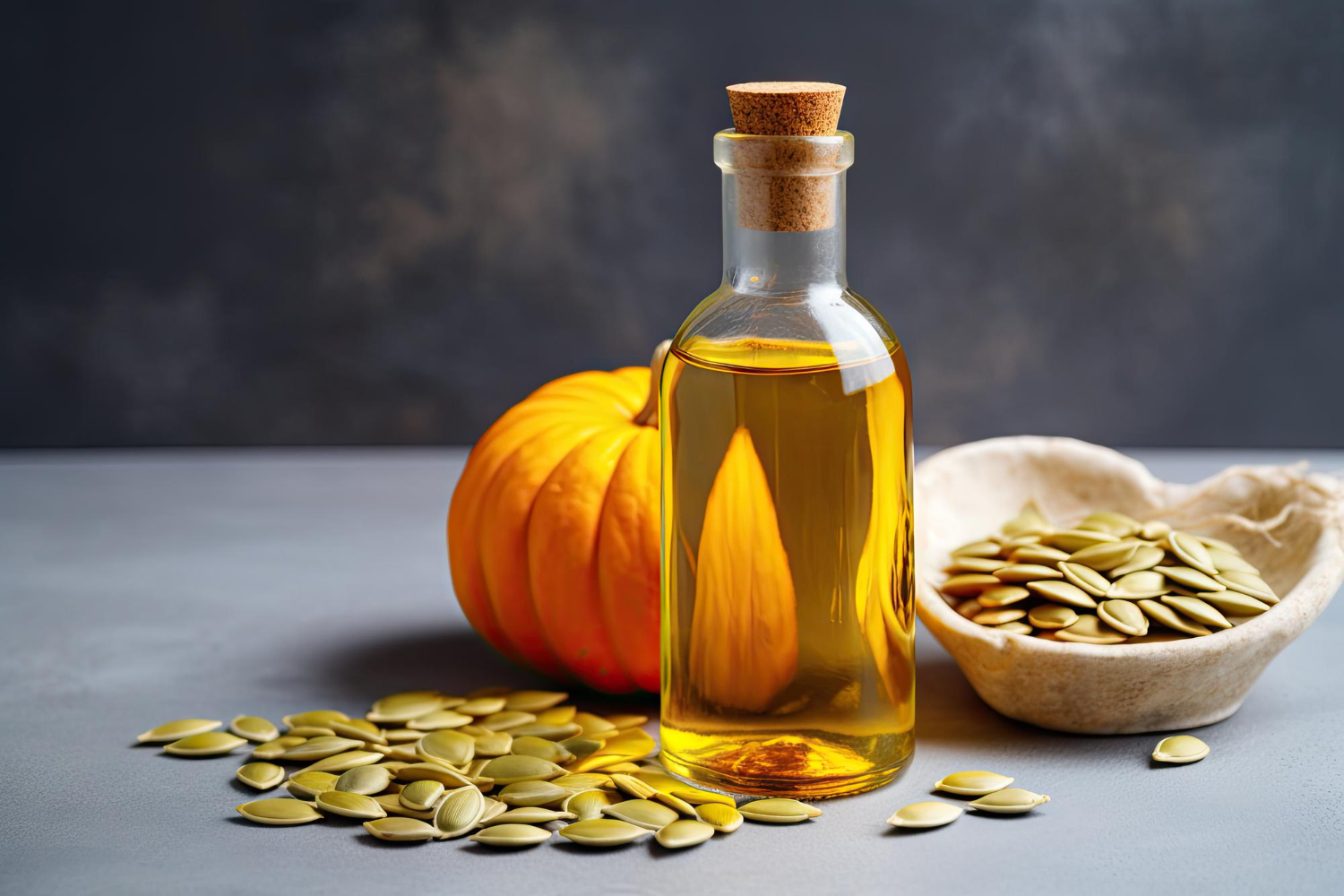
Hair fall can feel frustrating. You notice more strands on your pillow, in the shower, or stuck in your hairbrush. Naturally, you start looking for anything that promises thicker, healthier hair. One remedy that has gained attention in recent years is pumpkin seed oil.
But does it actually help your hair grow? Or is it just another trend?
The good news is that pumpkin seed oil isn’t just internet hype. Some early research suggests it may support hair growth, especially in people with pattern hair loss. It’s also packed with nutrients that help nourish your scalp and hair [1].
Let’s take a closer look at what pumpkin seed oil is, how it works, and the best ways to use it.
What Is Pumpkin Seed Oil?
Pumpkin seed oil is made by pressing the seeds of pumpkins. The oil has a rich green color and a mild, nutty smell. It’s loaded with healthy fats, antioxidants, vitamins, and minerals that support overall health.
The nutrients found in pumpkin seed oil include vitamin E, zinc, magnesium, omega-3 and omega-6 fatty acids, and plant compounds called phytosterols. Together, these nutrients help keep your scalp healthy and may create a better environment for hair growth.
While you can’t expect overnight results, adding pumpkin seed oil to your routine may help strengthen your hair over time.
Can Pumpkin Seed Oil Help Hair Growth?
Research is still growing, but the early findings are encouraging.
One well-known study found that men with male pattern baldness who took pumpkin seed oil supplements for several months experienced greater hair growth compared to those who took a placebo. Scientists believe this may happen because pumpkin seed oil can reduce the activity of an enzyme linked to hair thinning [1].
That doesn’t mean pumpkin seed oil is a miracle cure. Hair loss has many causes, including genetics, stress, hormonal changes, poor nutrition, illness, and certain medications.
If your hair fall is due to a nutritional gap or scalp health issues, pumpkin seed oil may offer extra support. If you have sudden or severe hair loss, it’s best to speak with a dermatologist to find the underlying cause.
Why Pumpkin Seed Oil May Support Healthy Hair

Healthy hair starts with a healthy scalp. Pumpkin seed oil helps in several ways.
It May Help Balance Hormones
Certain types of hair loss are linked to a hormone called DHT. Some studies suggest that compounds in pumpkin seed oil may reduce DHT’s effect on hair follicles [1]. This could help slow down hair thinning in some people.
It Nourishes the Scalp
Dry, flaky skin isn’t just uncomfortable. It can also affect the condition of your hair. Pumpkin seed oil contains fatty acids that help lock in moisture and keep your scalp soft.
It’s Rich in Antioxidants
Free radicals can damage cells, including those in your scalp. Vitamin E and other antioxidants in pumpkin seed oil help protect your scalp from this damage.
It Helps Strengthen Hair
Hair needs nutrients to stay strong. Zinc, healthy fats, and vitamin E all play a role in keeping strands healthy and reducing breakage.
Pumpkin Seed Oil Benefits Beyond Hair Growth
Even if you’re not dealing with hair fall, pumpkin seed oil has plenty to offer.
It may reduce dryness and frizz by coating the hair shaft with healthy oils. This can make your hair look smoother and shinier.
Some people also find that regular scalp massage with pumpkin seed oil leaves their scalp feeling calmer and less itchy.
Strong hair isn’t just about growing new strands. It’s also about protecting the hair you already have.
How to Use Pumpkin Seed Oil for Hair
There are two common ways to use pumpkin seed oil.
Apply It to Your Scalp
Warm a small amount of pumpkin seed oil between your palms.
Massage it gently into your scalp using your fingertips for five to ten minutes. This improves blood flow and helps spread the oil evenly.
Leave it on for at least 30 minutes. You can also leave it overnight if it suits your scalp.
Wash your hair with a mild shampoo afterward.
Using it one or two times a week is enough for most people.
Take It as a Supplement
Pumpkin seed oil is also available in capsule form.
Some research on hair growth has focused on oral supplements rather than topical application.
However, don’t start supplements without speaking to your doctor if you’re pregnant, breastfeeding, taking blood thinners, or managing a medical condition.
How Long Does It Take to See Results?
Hair grows slowly.
Most people need at least three to six months of consistent care before noticing visible changes.
You may first notice less hair breakage, followed by healthier-looking hair. New hair growth usually takes longer.
The key is patience. Switching products every few weeks rarely helps.
Foods That Support Hair Growth Too
No oil can make up for a poor diet.
Your hair needs protein, iron, zinc, healthy fats, and vitamins every day.
Starting your morning with a fiber-rich breakfast also supports overall health, including better nutrition for your hair. If you’re looking for simple ideas, check out our guide on 6 Easy Ways to Get 10 Grams of Fiber at Breakfast. It’s full of practical meals that keep you full while helping you meet your daily nutrition goals.
Healthy fats also deserve a place in your diet. If you’ve ever wondered whether traditional foods like ghee fit into a balanced lifestyle, don’t miss our article, Is Ghee Actually Good for You? Myth vs. Fact. You might be surprised by what the science says.
Can You Mix Pumpkin Seed Oil With Other Hair Oils?
Yes.
Many people combine pumpkin seed oil with oils like coconut oil, rosemary oil, argan oil, or amla oil.
Coconut oil helps reduce protein loss.
Rosemary oil has shown promise for hair growth in some studies.
Amla oil is widely used to improve shine and strengthen hair.
Mixing a few drops of pumpkin seed oil with these oils can make your weekly hair massage even more nourishing.
Just remember to do a patch test before trying any new oil blend.
Are There Any Side Effects?
Pumpkin seed oil is generally considered safe.
Still, some people may develop skin irritation or an allergic reaction.
Before using it on your scalp, apply a small amount behind your ear or on your inner arm. Wait 24 hours to check for redness or itching.
If you’re taking pumpkin seed oil supplements, follow the recommended dose and speak with your healthcare provider if you have any medical concerns.
Tips to Get Better Results
Pumpkin seed oil works best when it’s part of a complete hair care routine.
Eat enough protein every day.
Manage stress as much as possible.
Avoid tight hairstyles that pull on your hair.
Limit heat styling when you can.
Sleep well and stay hydrated.
Be gentle while brushing wet hair.
These small habits often make a bigger difference than any single product.
FAQs
1. Does pumpkin seed oil really help hair grow?
Research suggests pumpkin seed oil may support hair growth, especially in people with pattern hair loss. It isn’t a guaranteed solution, but it may help when used consistently as part of a healthy hair care routine.
2. How often should I apply pumpkin seed oil to my scalp?
Applying it once or twice a week is enough for most people. Massage it into your scalp and leave it on for at least 30 minutes before washing.
3. Can women use pumpkin seed oil for hair growth?
Yes. Women can use pumpkin seed oil on their scalp or as a supplement after consulting a healthcare provider if needed.
4. How long does pumpkin seed oil take to show results?
Hair growth takes time. Most people need three to six months of regular use before noticing visible improvements.
5. Can I leave pumpkin seed oil overnight?
Yes. If your scalp tolerates it well, you can leave it overnight and wash it out the next morning with a gentle shampoo.
6. Can pumpkin seed oil stop hair fall completely?
No. Hair loss has many causes. Pumpkin seed oil may help reduce hair fall in some cases, but it can’t treat every type of hair loss.
7. Can I mix pumpkin seed oil with coconut oil?
Yes. Mixing pumpkin seed oil with coconut oil is a common way to improve scalp hydration while helping reduce hair breakage.
8. Is pumpkin seed oil safe for all hair types?
Generally, yes. It suits most hair types, but people with sensitive skin should do a patch test before applying it.
9. Should I use pumpkin seed oil or rosemary oil?
Both have shown potential benefits for hair health. You can use either one or combine them in a carrier oil if your scalp tolerates the blend.
10. Is eating pumpkin seeds good for hair?
Yes. Pumpkin seeds provide zinc, healthy fats, magnesium, and antioxidants that support healthy hair and overall nutrition.
References
- Cho, Y. H., Lee, S. Y., Jeong, D. W., Choi, E. J., Kim, Y. J., Lee, J. G., Yi, Y. H., & Cha, H. S. (2014). Effect of pumpkin seed oil on hair growth in men with androgenetic alopecia: a randomized, double-blind, placebo-controlled trial. Evidence-based complementary and alternative medicine : eCAM, 2014, 549721. https://doi.org/10.1155/2014/549721
Recommended Reads
7-foods-that-can-quietly-damage-your-liver/
7-pre-monsoon-haircare-habits-that-can-help-prevent-hair-fall-scalp-problems/
(The article is written by Mantasha, Sr. Executive, Clinical Health & Content, and reviewed by Monalisa Deka, Deputy Manager, Clinical Health & Content, Medical Affairs.)