
For years, ghee has been both praised and blamed. Some people call it a superfood, while others avoid it because they think it’s loaded with unhealthy fat. So, what’s the truth?
The answer lies somewhere in the middle.
Ghee has been part of Indian kitchens for centuries. It’s used in cooking, religious rituals, and even traditional home remedies. Today, it’s also finding its way into modern diets because of its rich flavor and nutrient profile.
But does eating ghee every day improve your health? Can it help with weight loss? Does it raise cholesterol? Let’s separate the myths from the facts so you can decide whether ghee deserves a place on your plate.
What Is Ghee?
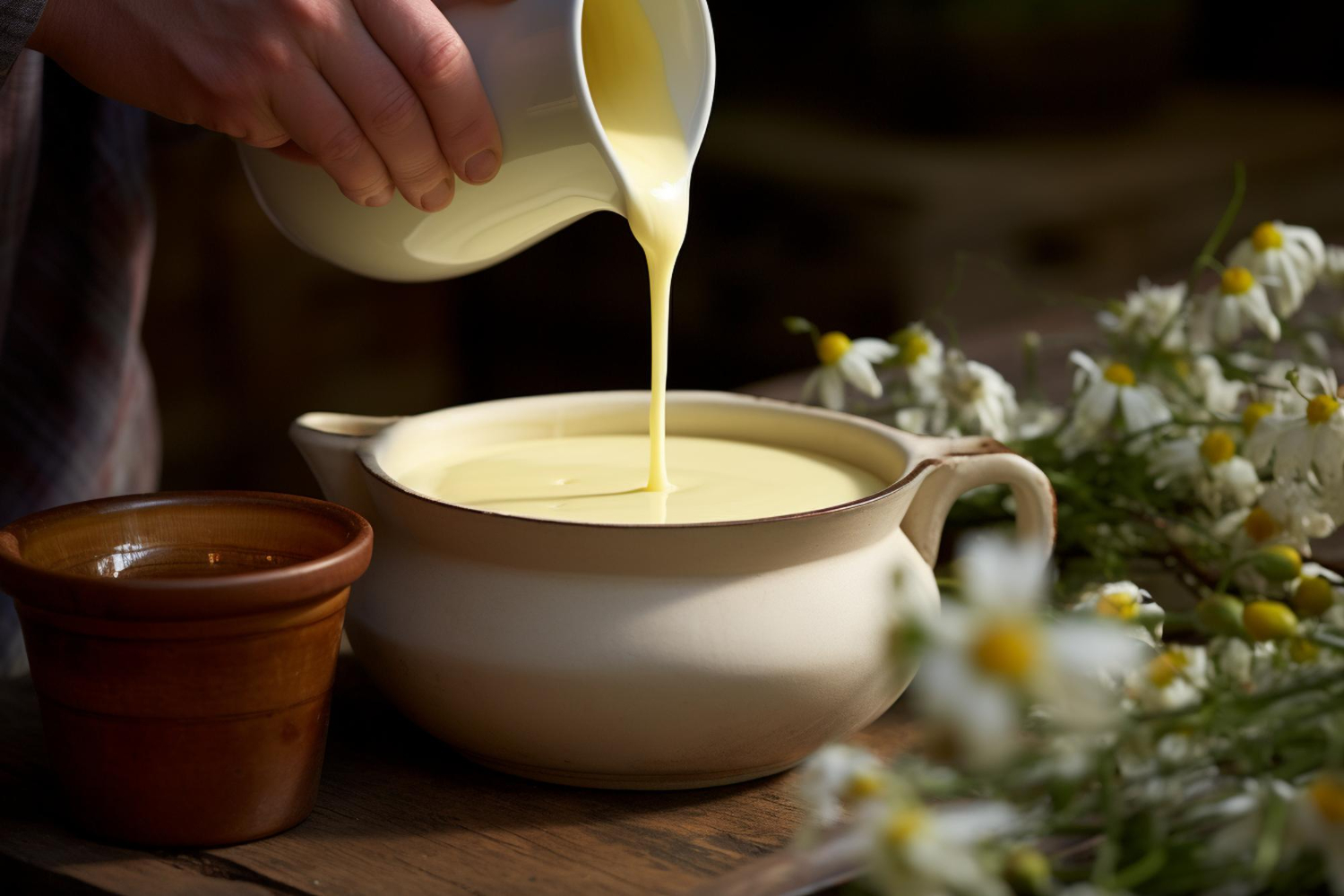
Ghee is a type of clarified butter made by slowly heating butter until the water evaporates and the milk solids separate. The remaining golden liquid is pure butterfat with a rich, nutty taste.
Unlike regular butter, ghee has very little lactose and casein because most of the milk solids are removed during the cooking process. That’s one reason why some people who are sensitive to dairy tolerate ghee better than butter.
Besides adding flavor to food, ghee also contains fat-soluble vitamins like vitamins A, D, E, and K. It also provides healthy fats that your body needs for many important functions.
Still, ghee is calorie-dense. One tablespoon contains about 120 calories, so portion size matters.
Nutrition Value of Ghee
Here’s what you get in approximately one tablespoon (14 grams) of ghee [1].
| Nutrient | Amount |
| Calories | 120 kcal |
| Total Fat | 14 g |
| Saturated Fat | 9 g |
| Monounsaturated Fat | 4 g |
| Polyunsaturated Fat | 0.5 g |
| Vitamin A | Around 13% of Daily Value |
| Vitamin E | Small amount |
| Vitamin K | Small amount |
The exact nutrition may vary depending on how the ghee is prepared and the quality of the milk used.
Myth 1: Ghee Is Bad for Your Heart

Fact: It depends on how much you eat and your overall diet.
This is probably the biggest myth about ghee.
Yes, ghee contains saturated fat. Eating too much saturated fat can increase LDL [2], often called “bad” cholesterol, in some people. But that doesn’t mean you need to completely avoid ghee.
If you eat ghee in moderate amounts as part of a balanced diet rich in fruits, vegetables, whole grains, pulses, nuts, and lean protein, it can fit into a healthy eating plan.
The real problem begins when your diet includes large amounts of fried foods, processed snacks, sugary drinks, and excess calories. Ghee alone isn’t usually the reason for poor heart health.
If you already have high cholesterol or heart disease, speak to your doctor or dietitian about the right amount for you.
Myth 2: Ghee Makes You Gain Weight

Fact: Eating too much of anything can lead to weight gain.
Many people blame ghee for unwanted weight gain. The truth is that ghee isn’t magical. It won’t make you gain weight overnight.
Weight gain happens when you consistently eat more calories than your body burns.
Ghee is calorie-rich, so using several tablespoons every day can increase your calorie intake without making you feel full for long.
Myth 3: Ghee Has No Nutritional Value

Fact: Ghee contains several nutrients your body needs.
Many people think ghee is just fat. That’s not true.
Ghee provides fat-soluble vitamins, especially vitamin A, which supports healthy vision, skin, and immunity.
It also contains small amounts of vitamin E and vitamin K.
Another interesting component is butyrate, a short-chain fatty acid that may support gut health and help maintain the lining of the intestines. Although the amount isn’t very high, it’s one reason researchers continue to study the potential health effects of ghee.
Myth 4: Ghee Is Better Than Every Other Cooking Oil
Fact: There’s no single “best” fat.
Every cooking fat has strengths and limitations.
Ghee works well for high-heat cooking because it has a high smoke point.
Olive oil is rich in heart-friendly monounsaturated fats.
Mustard oil contains healthy unsaturated fats and has a distinct flavor.
Groundnut oil is another good choice for everyday cooking.
Instead of depending on only one cooking fat, many nutrition experts recommend rotating different oils and fats to get a wider range of nutrients.
Myth 5: People with Lactose Intolerance Can’t Eat Ghee

Fact: Many people can tolerate it, but not everyone.
Since ghee contains very little lactose and casein, many people with lactose intolerance can eat small amounts without any problem.
However, if you have a severe milk allergy, ghee may still trigger a reaction because tiny traces of milk proteins can remain.
If you’re unsure, speak to your healthcare provider before adding it to your diet.
Myth 6: Eating Ghee on an Empty Stomach Detoxifies the Body
Fact: There’s no strong scientific evidence to support this claim.
Social media is full of videos claiming that a spoonful of ghee every morning removes toxins from the body.
Your body already has an excellent detox system. Your liver, kidneys, lungs, and digestive system work together to remove waste naturally.
Ghee can certainly be part of a healthy breakfast, but it doesn’t detox your body.
A balanced meal with protein, fiber, healthy fats, and whole grains is a much smarter way to start your day.
If you’re looking for filling breakfast ideas, don’t miss our guide on High-Protein Breakfast Ideas That Keep You Full Until Lunch. Combining a small amount of ghee with protein-rich foods like eggs, paneer, or dal can help create a satisfying meal that keeps hunger away for longer.
Myth 7: Ghee Improves Digestion Instantly
Fact: It may support digestion, but it’s not a cure.
Traditional practices often recommend ghee for digestive health.
Some research suggests that butyrate found in ghee may support the health of the gut lining. Ghee may also help make meals more satisfying and improve the texture of food.
However, don’t expect one spoon of ghee to solve constipation, bloating, or indigestion overnight.
Good digestion depends on many factors, including enough fiber, water, regular movement, and balanced meals.
If you’re trying to improve your digestive health, pairing ghee with fiber-rich foods is a better strategy. Our article on 6 Easy Ways to Get 10 Grams of Fiber at Breakfast shares simple breakfast ideas that support healthy digestion while helping you stay full for hours.
Health Benefits of Ghee
When eaten in moderation, ghee offers several health benefits.
1. Provides Healthy Fats
Healthy fats help your body absorb vitamins A, D, E, and K. They also support hormone production and cell function.
2. Rich in Vitamin A
Vitamin A plays an important role in eye health, immunity, and healthy skin.
3. High Smoke Point
Ghee remains stable at high temperatures, making it suitable for sautéing and roasting.
4. May Support Gut Health
Ghee contains butyrate, which may help support the cells lining your intestines.
5. Adds Flavor Without Large Portions
A small amount of ghee adds richness to food. Because of its strong flavor, you often need less compared to some cooking oils.
How Much Ghee Should You Eat?
There isn’t one perfect amount for everyone.
Your ideal intake depends on your age, activity level, medical conditions, and overall diet.
According to the ICMR–National Institute of Nutrition (NIN) Dietary Guidelines for Indians (2024), visible fats (including cooking oils, ghee, and butter) should be consumed in moderation. For a 2,000 kcal diet, the total amount of visible fat should generally not exceed 27–30 g per day. Within this, the guidelines recommend limiting ghee or butter to just 1–2 teaspoons per day or avoiding them if possible, especially if you already consume enough fat from other foods.
The rest of your visible fat can come from healthier unsaturated oils such as mustard, groundnut, sesame, or rice bran oil.
If your meals already include fried foods, sweets, processed snacks, or high-fat dairy products, adding extra ghee may increase your saturated fat and calorie intake. In that case, it’s better to use it sparingly.
Reference: ICMR–National Institute of Nutrition (NIN). Dietary Guidelines for Indians, 2024.
Who Should Be Careful with Ghee?
Some people should pay closer attention to how much ghee they eat.
These include:
- People with high LDL cholesterol
- Those with heart disease
- People advised to follow a low-fat diet
- Anyone trying to reduce calorie intake for weight loss
If you fall into one of these groups, talk to your doctor or a registered dietitian before making major dietary changes.
Easy Ways to Include Ghee in Your Diet
You don’t need large amounts to enjoy its taste.
You can:
- Spread a small amount on whole-grain roti.
- Add a teaspoon to dal.
- Drizzle it over steamed vegetables.
- Mix a little into khichdi.
- Use it while roasting vegetables.
- Add a small amount to homemade millet or oats dishes.
The goal isn’t to eat more ghee. It’s to use it wisely.
The Bottom Line
Ghee isn’t a miracle food, and it isn’t a villain either.
It provides healthy fats, vitamins, and a rich taste that many people enjoy. At the same time, it’s high in calories and saturated fat, so eating large amounts every day isn’t a good idea.
Instead of believing internet myths, focus on your overall eating pattern. A balanced diet filled with whole foods, enough protein, plenty of fiber, regular exercise, and mindful portions will always have a bigger impact on your health than any single ingredient.
So go ahead and enjoy your dal or roti with a little ghee if it fits your lifestyle. Just remember that moderation is what makes the difference.
FAQs
1. Is it healthy to eat ghee every day?
Yes, healthy adults can include small amounts of ghee in their daily diet as long as their overall calorie and saturated fat intake stays within recommended limits.
2. Does ghee increase cholesterol?
Eating large amounts of ghee may increase LDL cholesterol in some people because it contains saturated fat. Moderate intake as part of a balanced diet is generally a better approach.
3. Is ghee healthier than butter?
Ghee contains less lactose and milk solids than butter and has a higher smoke point. Both can fit into a healthy diet when eaten in moderation.
4. Can ghee help with weight loss?
Ghee alone doesn’t cause weight loss. However, small amounts can be part of a balanced, calorie-controlled diet.
5. Can lactose-intolerant people eat ghee?
Many people with lactose intolerance can tolerate ghee because it contains very little lactose. Those with a milk allergy should be cautious.
6. Is ghee good for digestion?
Ghee contains butyrate, which may support gut health, but it isn’t a treatment for digestive problems. A diet rich in fiber and water remains essential.
7. Is it safe to cook with ghee?
Yes. Ghee has a high smoke point, making it suitable for many cooking methods, including sautéing and roasting.
8. How much ghee is too much?
There’s no universal limit, but regularly eating several tablespoons every day can significantly increase calorie and saturated fat intake. Moderation is the healthiest approach.
References
- https://fdc.nal.usda.gov/food-details/1103844/nutrients
- Feingold, K. R. (2024). The Effect of Diet on Cardiovascular Disease and Lipid and Lipoprotein Levels. In K. R. Feingold (Eds.) et. al., Endotext. MDText.com, Inc.
(The article is written by Mantasha, Sr. Executive, Clinical Health & Content, and reviewed by Monalisa Deka, Deputy Manager, Clinical Health & Content, Medical Affairs.)
Recommended Reads
Can Magnesium Supplements for Sleep Really Help? Top Doctor Explains the Truth
Do Collagen Supplements for Skin and Hair Really Work?
heart healthy breakfast ideas, High-Protein Breakfast