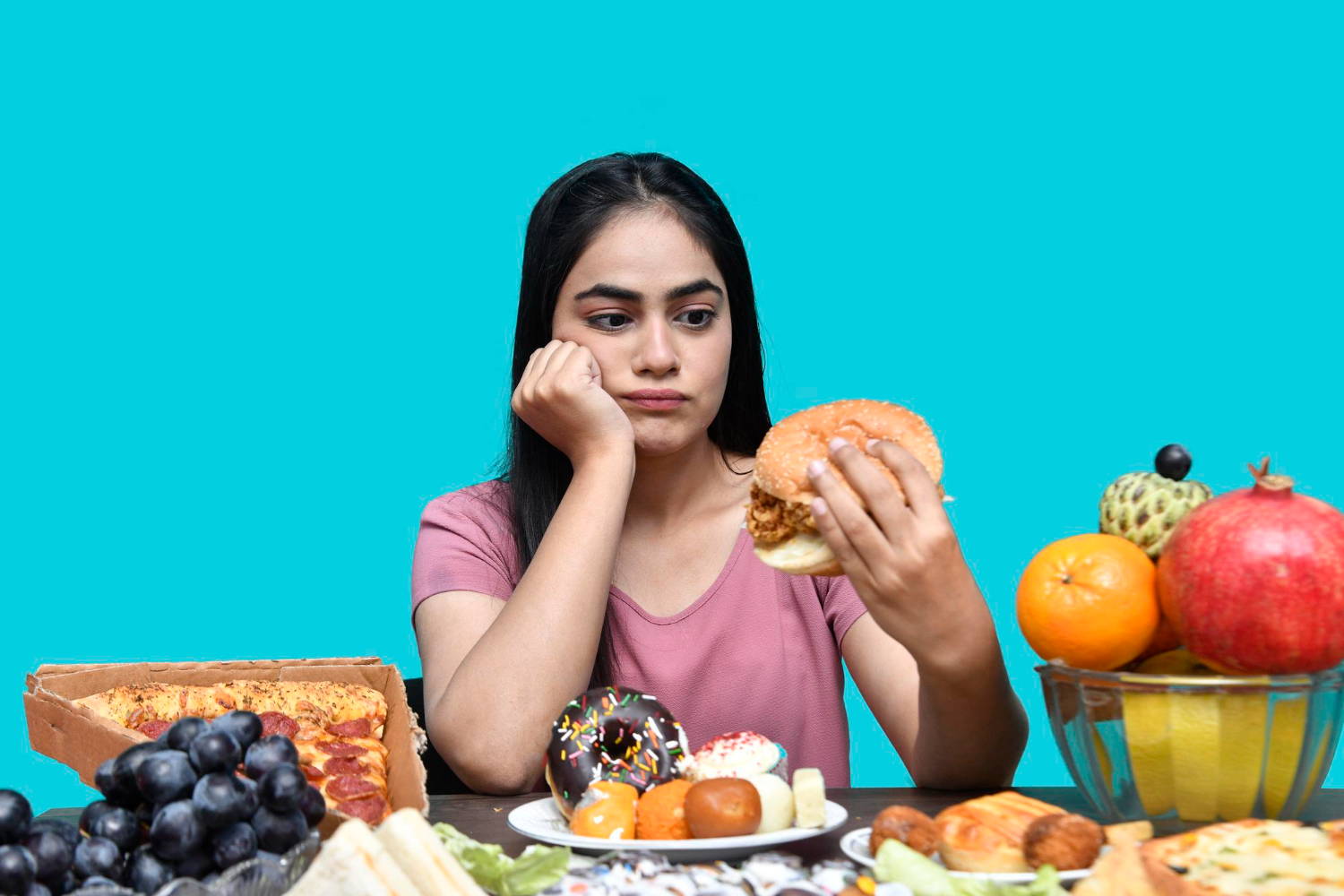
Your liver works around the clock, even when you’re asleep. It filters toxins, breaks down medicines, stores nutrients, and helps digest fats. It’s one of the hardest-working organs in your body.
The surprising part? Your liver can handle a lot of damage before it starts showing symptoms. That’s why liver problems often stay hidden for years.
While alcohol is a well-known cause of liver disease, it’s not the only one. Many everyday foods can slowly harm your liver when eaten too often. You may not notice the damage right away, but over time these eating habits can lead to fat buildup, inflammation, or even liver disease.
The good news is that your liver has an amazing ability to heal itself. Making better food choices today can go a long way toward protecting it.
Let’s look at eight foods that may be quietly damaging your liver:
1. Sugary Drinks
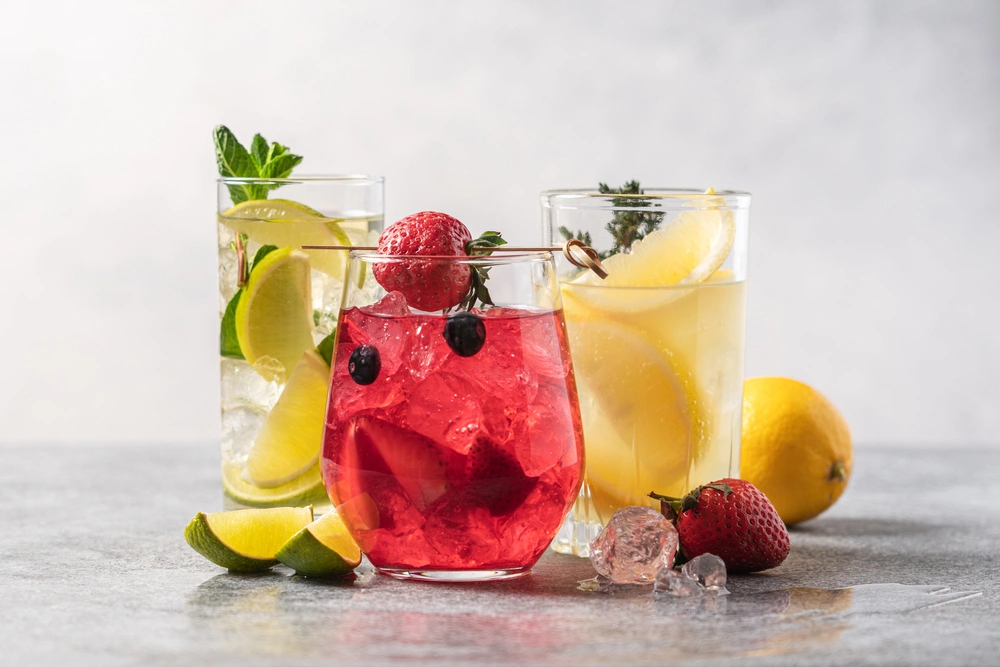
Soft drinks, packaged fruit juices, energy drinks, and sweetened iced teas are loaded with added sugar. Most contain high amounts of fructose, a type of sugar that your liver processes.
When you consume too much fructose, your liver converts the extra sugar into fat. Over time, this fat can build up inside the liver and increase the risk of non-alcoholic fatty liver disease (NAFLD).
Even drinks that seem healthy, like packaged fruit juices, can contain as much sugar as soft drinks.
What to do instead:
Choose plain water, coconut water, lemon water without added sugar, or unsweetened herbal tea.
2. Processed Meats
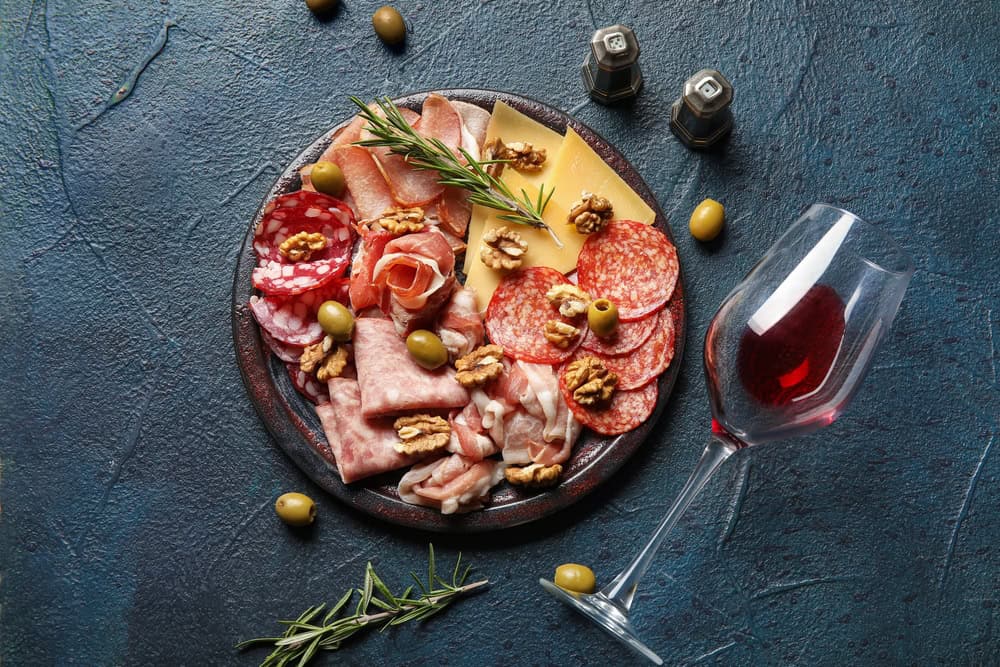
Sausages, bacon, salami, hot dogs, and deli meats are convenient, but they aren’t liver-friendly.
These foods often contain high amounts of salt, saturated fat, preservatives, and nitrates. Eating them regularly may increase inflammation and put extra stress on your liver.
They’re also linked with obesity and metabolic problems, both of which raise the risk of fatty liver disease.
A grilled chicken breast or homemade lean meat sandwich is a much better choice than processed meat.
3. Deep-Fried Foods
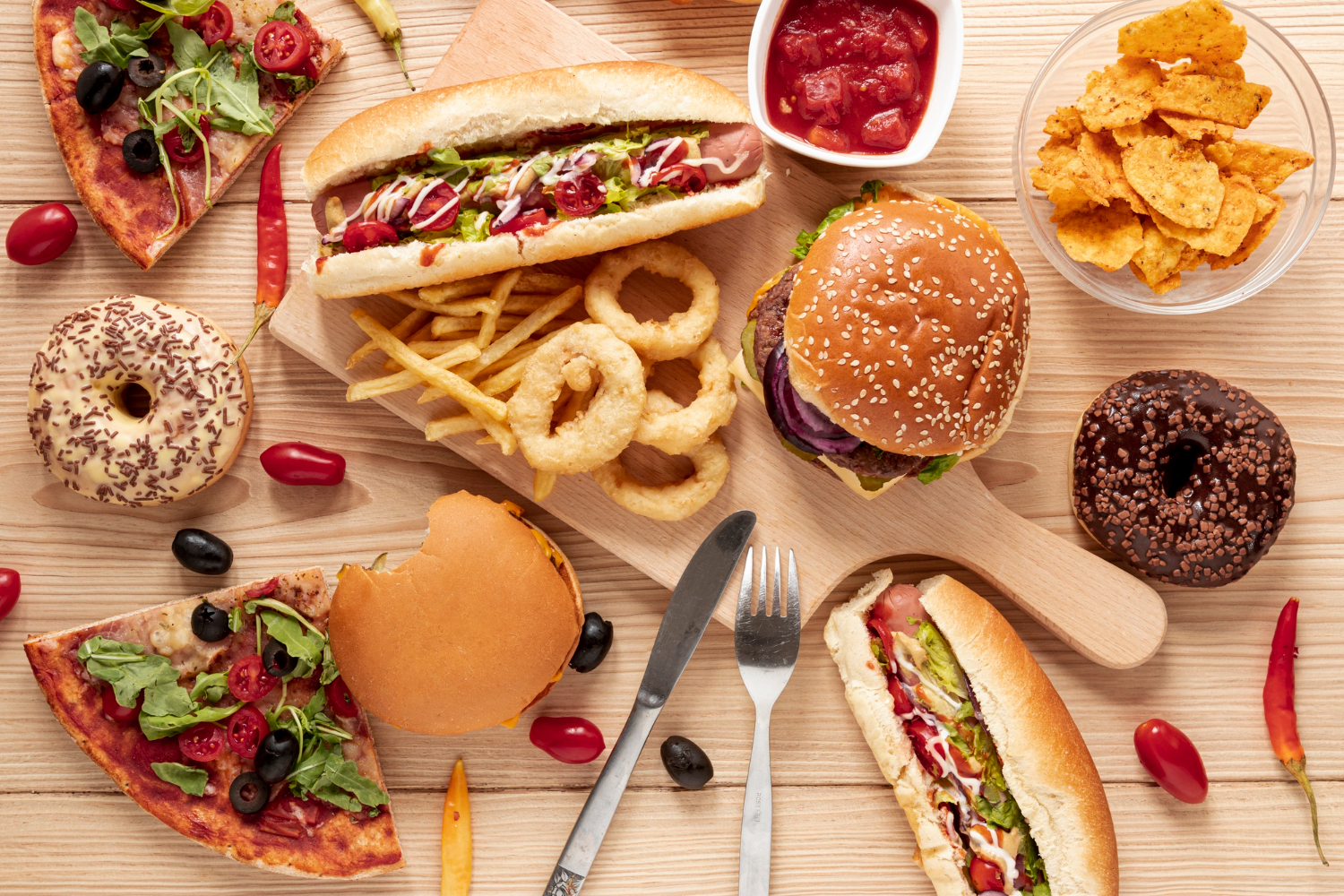
French fries, fried chicken, pakoras, chips, and other deep-fried snacks are rich in unhealthy fats and calories.
Eating these foods often can lead to weight gain. Excess body fat increases the chance of fat building up in your liver.
Fried foods are also harder to digest and may increase inflammation over time.
You don’t have to give them up forever. Just keep them as an occasional treat instead of an everyday habit.
4. White Bread, Pastries, and Refined Carbs
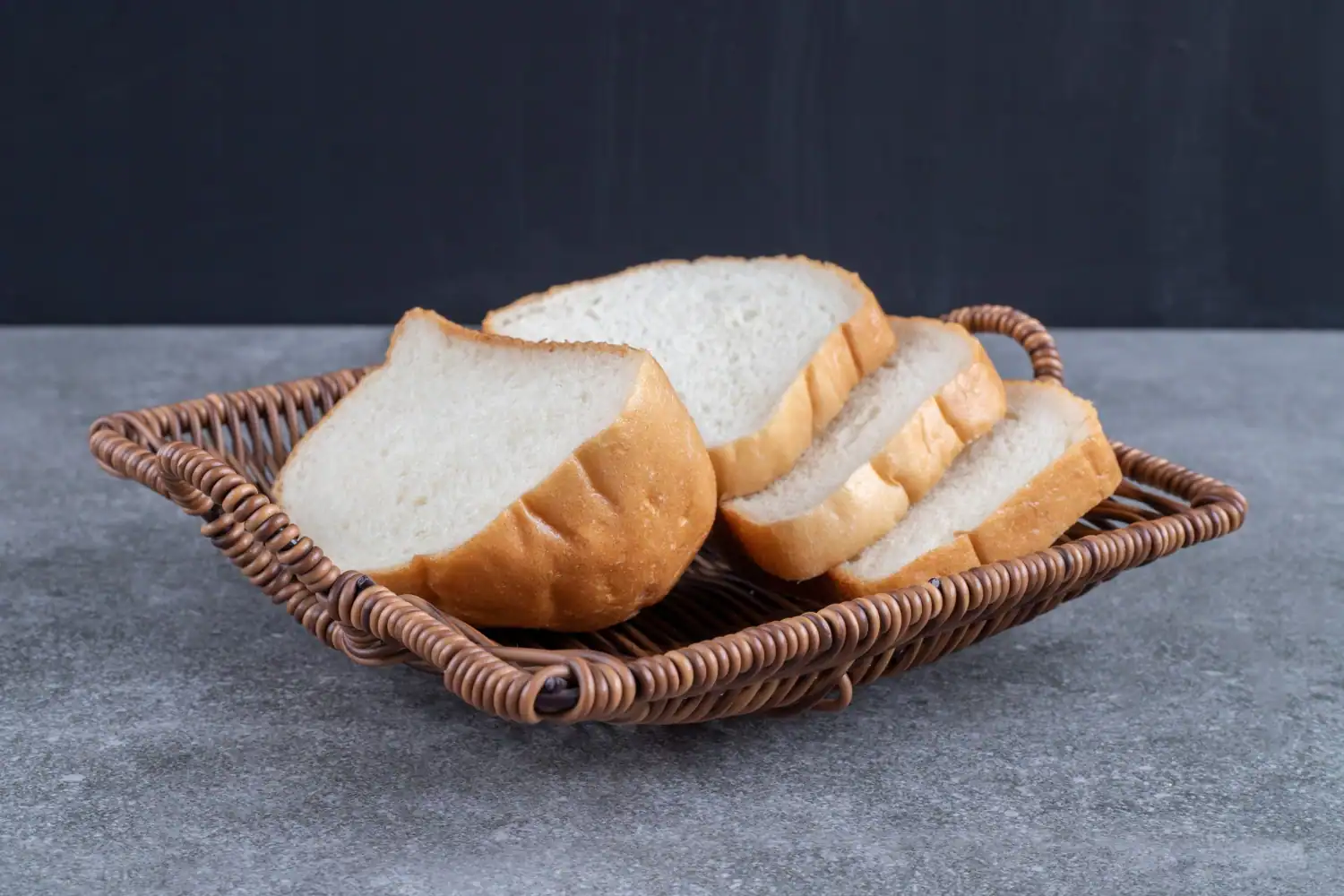
White bread, cookies, cakes, doughnuts, and many bakery products are made with refined flour.
These foods digest quickly and cause a rapid rise in blood sugar. Your body responds by releasing more insulin, and over time this can encourage fat storage in the liver.
Whole grains digest more slowly and provide more nutrients and fiber.
If you’re wondering how to add more fiber without making your meals complicated, check out “6 Easy Ways to Get 10 Grams of Fiber at Breakfast.” It shares simple breakfast ideas that help you stay full while giving your liver a break.
5. Too Much Red Meat

Red meat can be part of a healthy diet, but eating large portions every day isn’t the best idea.
Fatty cuts of beef, lamb, or pork contain more saturated fat, which may contribute to fat buildup in the liver when combined with an unhealthy lifestyle.
Instead of eating red meat every day, try rotating it with fish, skinless chicken, lentils, beans, or soy-based protein sources.
Balance matters more than complete restriction.
6. Fast Food

Burgers, pizzas, fried chicken meals, and loaded wraps often combine everything your liver doesn’t need: refined carbs, unhealthy fats, extra salt, and added sugar.
One fast-food meal may contain more calories than your body needs in one sitting.
Regularly eating these meals increases your risk of obesity, insulin resistance, and fatty liver disease.
Cooking at home even a few more times each week can make a real difference.
7. Excess Alcohol
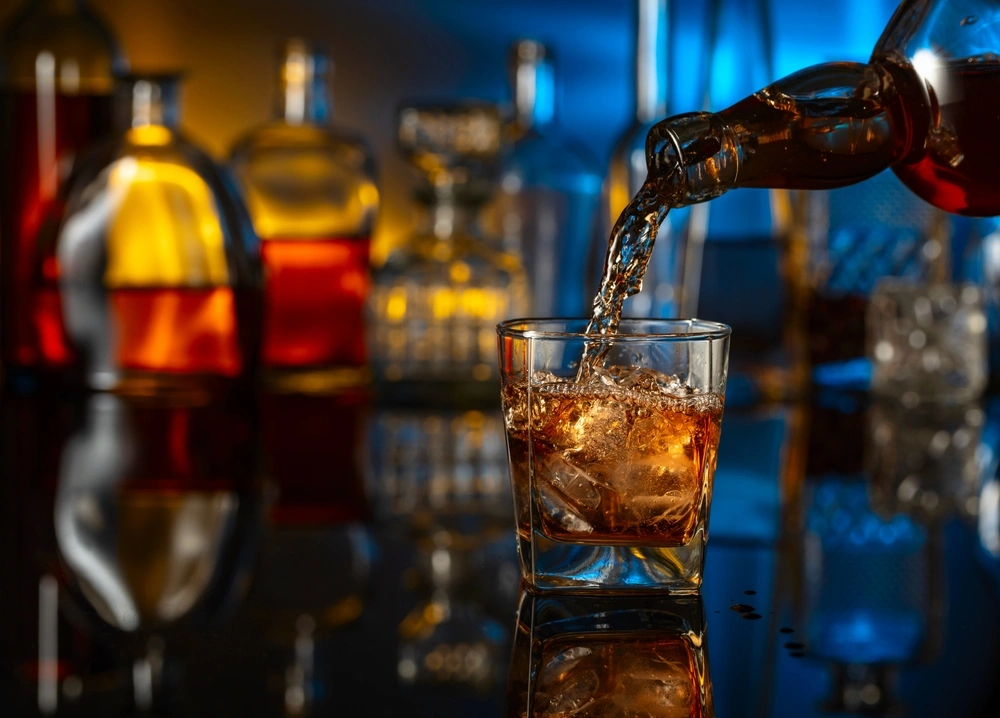
Alcohol remains one of the biggest causes of liver damage worldwide.
Your liver breaks down alcohol, but drinking more than it can handle leads to inflammation and cell damage.
Over time, this may progress to fatty liver, hepatitis, fibrosis, or cirrhosis.
If you drink alcohol, moderation is key. Giving your liver alcohol-free days during the week also helps it recover.
Signs Your Liver May Need Attention
Liver damage often develops quietly. Many people don’t notice symptoms until the condition becomes more serious.
Watch for signs such as:
- Constant tiredness
- Loss of appetite
- Pain or discomfort in the upper right side of your abdomen
- Yellowing of the skin or eyes
- Dark-colored urine
- Swelling in the legs or abdomen
- Unexplained weight loss
These symptoms don’t always mean liver disease, but they should never be ignored. Speak with your doctor if they continue.
Check your liver health with 1 mg now!
Simple Ways to Keep Your Liver Healthy
Protecting your liver doesn’t require a complicated diet.
- Maintain a healthy weight.
- Eat more fruits, vegetables, whole grains, and fiber-rich foods.
- Choose healthy protein sources.
- Drink plenty of water.
- Limit sugary drinks and processed foods.
- Exercise for at least 30 minutes on most days.
- Avoid smoking.
- Only take medicines as directed by your doctor.
If you have diabetes, high cholesterol, or obesity, keep these conditions under control because they directly affect liver health.
The Bottom Line
Your liver doesn’t ask for much. It simply needs a little support every day.
Small habits matter more than occasional treats. Swapping sugary drinks for water, eating fewer fried foods, choosing whole grains, and adding more fiber can help your liver stay healthy for years.
You don’t have to change everything overnight. Pick one healthier choice today, then build from there. Your liver will thank you for it.
Frequently Asked Questions
1. Which food is the most harmful to the liver?
There isn’t one single food that’s the worst. Regularly consuming sugary drinks, deep-fried foods, processed meats, excess alcohol, and foods high in added sugar can all increase the risk of liver damage over time.
2. Can liver damage be reversed?
In many cases, early liver damage, especially fatty liver disease, can improve with healthy eating, weight management, regular exercise, and avoiding alcohol. Advanced liver disease may not be reversible.
3. Is coffee good for the liver?
Yes. Several studies suggest that moderate coffee consumption may help protect the liver and lower the risk of some liver diseases. Drink it with little or no added sugar for the best benefits.
4. Is ghee harmful to the liver?
Many people worry that ghee automatically harms the liver because it’s a fat. The truth is more balanced than that. Ghee isn’t the enemy when eaten in moderation. The bigger concern is eating too much of any high-fat food while living a sedentary lifestyle.
If you’ve ever wondered whether ghee deserves its bad reputation, don’t miss “Is Ghee Actually Good for You? Myth vs Fact.” It separates common myths from facts and explains where ghee fits into a healthy diet.
5. Which fruits are good for liver health?
Berries, apples, grapes, oranges, grapefruit, and avocados provide antioxidants and nutrients that support overall liver health when included as part of a balanced diet.
6. Can eating too much sugar cause fatty liver?
Yes. Regularly consuming large amounts of added sugar, especially from sugary drinks, can increase fat buildup in the liver and raise the risk of non-alcoholic fatty liver disease.
7. How can I naturally detox my liver?
Your liver naturally detoxifies your body. The best way to support it is by eating a balanced diet, staying active, drinking enough water, limiting alcohol, getting enough sleep, and maintaining a healthy weight. Detox drinks and cleanses aren’t necessary.
8. How often should I get my liver checked?
If you have obesity, diabetes, high cholesterol, heavy alcohol use, or a family history of liver disease, speak with your doctor about regular liver health check-ups. Otherwise, routine health screenings based on your doctor’s advice are usually enough.
(The article is written by Mantasha, Sr. Executive, Clinical Health & Content, and reviewed by Monalisa Deka, Deputy Manager, Clinical Health & Content, Medical Affairs.)
Recommended Reads
Do Collagen Supplements for Skin and Hair Really Work?
heart healthy breakfast ideas, High-Protein Breakfast