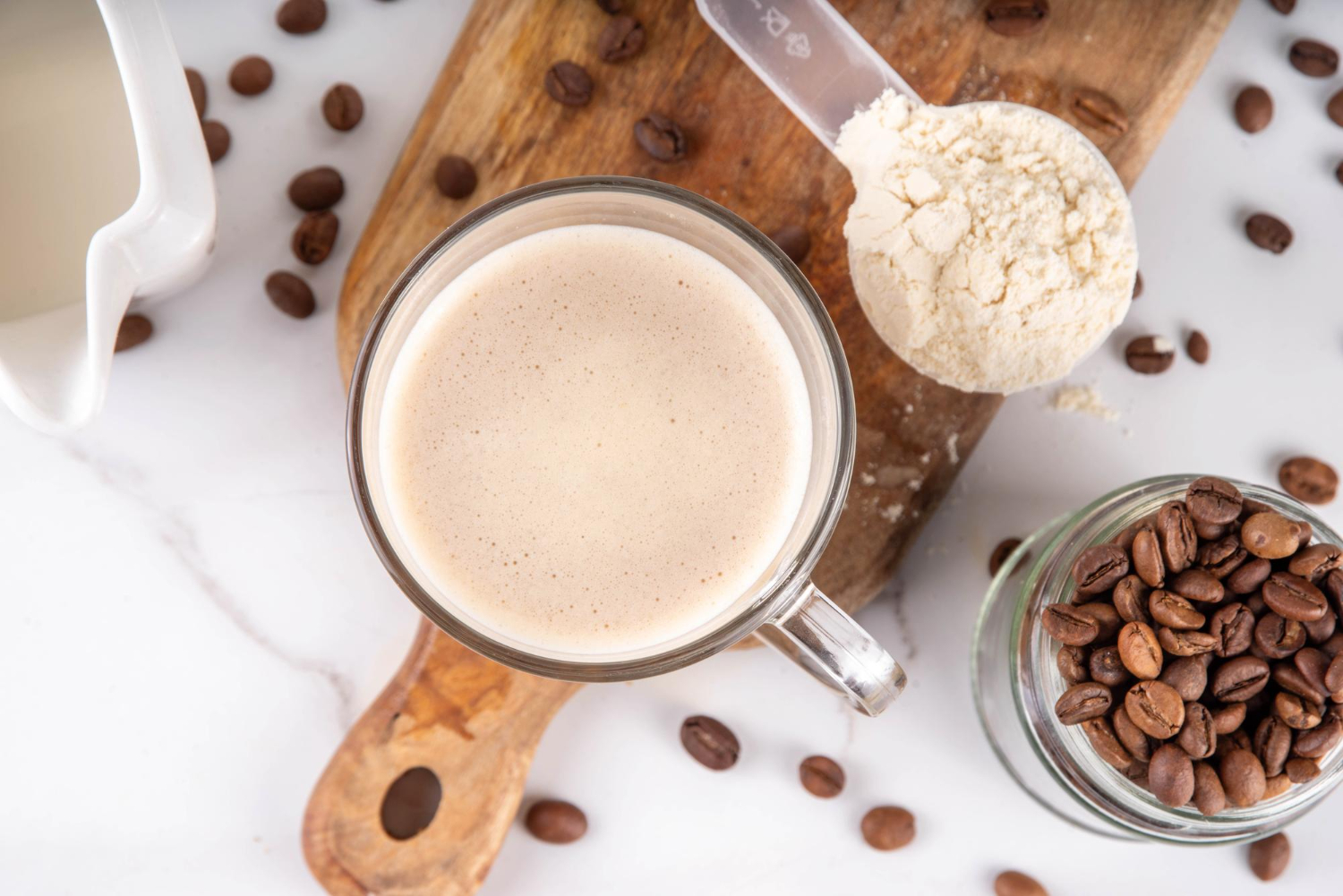
Coffee is already part of many people’s morning routine. Now, there’s a new twist: add protein powder or a ready-to-drink protein shake to your coffee, and you’ve got “proffee.”
The trend has taken over social media, with people calling it a quick breakfast, a pre-workout drink, or even a weight-loss hack. But does mixing protein with coffee really make your morning cup healthier?
The short answer is that it can. But proffee isn’t a magic health drink, and it doesn’t replace a balanced meal.
Here’s what you should know before making it your new morning habit.
What is protein coffee?
Protein coffee, often called proffee, is simply coffee mixed with a source of protein.
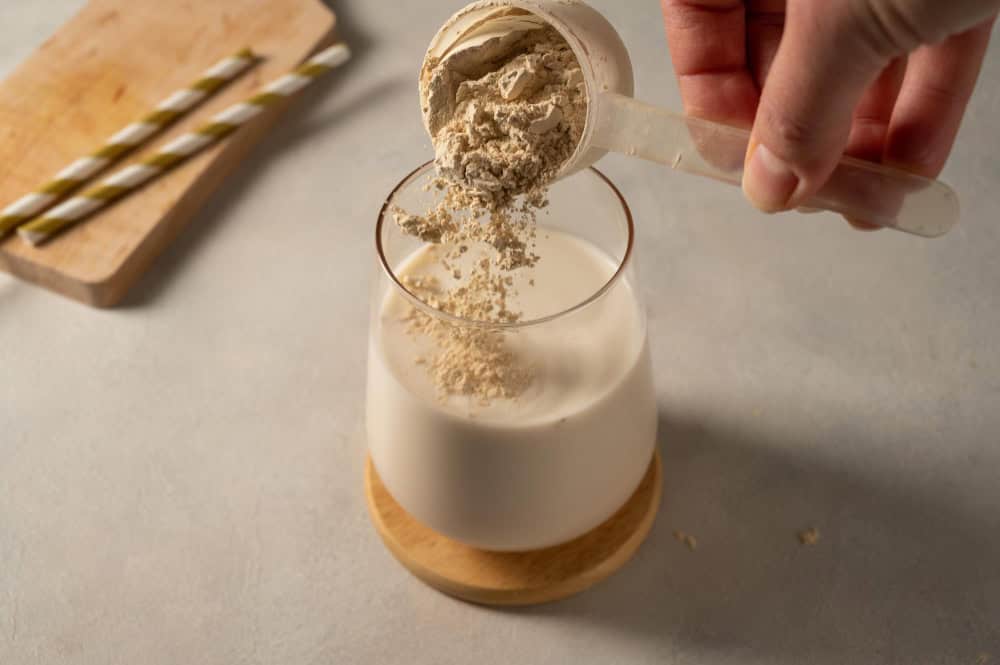
You can make it with protein powder, milk, Greek yogurt-based protein drinks, or a ready-made protein shake. Some people use iced coffee because protein powder can clump when mixed directly into hot coffee.
A basic version is easy. Brew your coffee, let it cool a little, then mix it with your protein shake or protein powder. You can add milk, cinnamon, or a little unsweetened cocoa if you want more flavor.
The idea is simple: you get caffeine from coffee and protein from the added protein source in one drink.
That convenience is probably a big reason the trend has become so popular.
Is protein coffee actually healthy?
Yes, it can be a healthy choice for some people.
Protein plays an important role in maintaining muscles, supporting tissues, and keeping you full after eating. Most healthy adults can meet their protein needs through regular foods, but protein powder can be useful when your diet falls short. The general adult protein recommendation is around 0.8 grams per kilogram of body weight per day, although your needs can be higher depending on factors such as activity level, age, and health status.
Coffee also has its own benefits. Caffeine can increase alertness and help you feel more awake, which is one reason many of us reach for coffee before a busy morning.
So, putting the two together isn’t a bad idea.
The catch? The health value depends on what you put in your cup.
A coffee loaded with flavored syrup, sugar, whipped cream, and a high-calorie protein shake isn’t suddenly a health food just because it contains protein.
1. It Can Help You Get More Protein

This is the biggest advantage of proffee.
If you struggle to include protein at breakfast, adding protein to your coffee can be an easy fix. A protein shake can provide a meaningful amount of protein without requiring you to cook eggs, make paneer, or prepare a full breakfast.
This can be useful on rushed mornings.
For example, if you’re heading to work and usually drink only coffee until lunchtime, adding a protein shake may be a better option than having coffee alone.
Still, think of it as a convenient protein source, not a replacement for all the nutritious foods your body needs.
2. It May Help You Feel Full For Longer
Protein generally takes longer to digest than carbohydrates and can help you feel satisfied after eating.
That’s why a protein-rich breakfast may help reduce the urge to snack soon after waking up. Cleveland Clinic also notes that adding protein to morning coffee may help curb hunger later in the day.
But don’t mistake this for a fat-burning trick.
Coffee doesn’t have magical weight-loss properties, and caffeine alone isn’t a reliable way to lose weight.
If your goal is weight management, your overall diet, activity, sleep, and eating habits matter much more than one cup of proffee.
3. It Can Be Useful Before a Workout
Some people drink protein coffee before exercising because it combines protein with caffeine.
The caffeine may help you feel more alert and energetic, while the protein provides amino acids your body can use as part of your overall nutrition.
However, you don’t need proffee before every workout.
If you already eat a balanced diet and get enough protein throughout the day, adding another protein drink may not provide much extra benefit.
And if coffee makes your stomach uncomfortable before exercise, don’t force it. Nobody needs to discover their personal limit while halfway through a workout.
4. It Can Replace a Sugary Coffee Drink
This is one area where proffee can make a real difference.
A regular flavored coffee can become surprisingly high in calories when you add sugar, syrups, cream, and toppings.
Replacing those ingredients with a protein shake or a moderate amount of milk can give you a drink with more protein and less added sugar.
But check the label on your protein powder or shake.
Some products contain plenty of added sugar, sweeteners, and other ingredients you may not need.
A shorter, simpler ingredient list is often a sensible place to start.
Protein Coffee isn’t a Complete Breakfast
Here’s where the proffee hype needs a reality check.
Protein is important, but your body needs more than protein.
A balanced breakfast can also provide fibre, healthy fats, vitamins, minerals and carbohydrates. A protein shake mixed with coffee may give you protein and caffeine, but it may not give you enough of the other nutrients your body needs.
For example, you could pair your proffee with fruit and a handful of nuts. Or have it alongside whole-grain toast and eggs.
You don’t have to turn breakfast into a complicated meal.
Even a simple combination can be more nutritious than relying on a protein coffee alone.
If you’re interested in nutrients such as zinc, you can also look at everyday food sources in this guide on zinc-rich foods and signs of zinc deficiency.
What Are the Downsides of Protein Coffee?
Proffee isn’t perfect.
The first issue is caffeine.
Too much caffeine can cause jitters, anxiety, a fast heartbeat, headaches, stomach discomfort, and sleep problems. For most adults, the FDA cites 400 milligrams of caffeine per day as an amount not generally associated with negative effects, but individual tolerance varies.
Remember that your daily caffeine intake includes more than coffee. Tea, energy drinks, cola, chocolate and some supplements can also contribute.
If you’re already drinking several cups of coffee throughout the day, adding more isn’t automatically better.
The second issue is that protein powder isn’t necessary for everyone.
If you’re already getting enough protein from foods such as eggs, milk, curd, paneer, dal, beans, chicken, fish, soy, and nuts, you may not need a protein supplement.
Protein powder is a convenience, not a requirement.
Can Protein Coffee Help with Weight Loss?
It may help indirectly, but don’t expect it to melt fat away.
Protein can help you feel full, while coffee can temporarily increase alertness and may reduce appetite in some people. But there isn’t strong evidence that drinking protein coffee itself causes meaningful weight loss. Caffeine isn’t a magic fat burner, either.
The biggest benefit may simply be that a protein coffee is more filling than plain coffee.
For example, if you usually drink a sugary coffee and then reach for biscuits an hour later, a lower-sugar coffee with protein could help you stay satisfied.
But if you drink proffee on top of your normal breakfast and snacks, you’ve simply added more calories and protein to your day.
Your total diet still matters.
How to Make a Healthier Protein Coffee
You don’t need a fancy recipe.
Start with one cup of brewed coffee or espresso.
Add a protein source that suits your diet. You can use a protein powder, milk, or a ready-to-drink protein shake.
If you’re using protein powder, mixing it with a little cold milk or water first can help reduce clumping. You can then add it to cooled or iced coffee.
For flavor, try cinnamon, unsweetened cocoa, or a small amount of vanilla.
Try to avoid turning your drink into a dessert with large amounts of syrup, sugar, or whipped cream.
And check the protein powder label. Look at the protein amount, calories, added sugar, and ingredient list rather than choosing a product simply because it’s trending online.
Who Should Be Careful with Proffee?
People who are sensitive to caffeine should be cautious. If coffee makes you anxious, gives you palpitations, or interferes with your sleep, protein won’t cancel out those effects.
You should also be careful if you have a medical condition, take medicines that interact with caffeine, or have been advised to limit protein.
Pregnant people should discuss their caffeine intake with their healthcare provider. The FDA recommends speaking with a healthcare professional about caffeine limits during pregnancy, and Cleveland Clinic notes a commonly recommended limit of 200 milligrams per day during pregnancy.
If you’re unsure about how much protein you need, especially if you have kidney disease or another health condition, ask a doctor or dietitian rather than copying someone else’s protein routine from social media.
Proffee vs. Regular Coffee: Which is Better?
It depends on what your body and diet need.
If you already eat a protein-rich breakfast, regular coffee may be perfectly fine.
Proffee can be a convenient addition if you often skip breakfast or struggle to get enough protein.
If you’re drinking coffee mainly because you enjoy it, you don’t need to turn every cup into a nutrition project.
Sometimes coffee can just be coffee.
And that’s okay.
You can also focus on getting nutrients from your overall diet. For example, adding a variety of fruits, vegetables, spices, and other whole foods to your meals can help you build a more balanced eating pattern. This guide on Indian foods that may help ease seasonal allergies offers some simple food ideas you can include in your diet.
So, is Proffee Healthy or Hyped?
It’s a little bit of both.
Protein coffee isn’t a scam. It can be a convenient way to increase your protein intake, make coffee more filling, and replace a sugary coffee drink.
But the internet has a habit of turning ordinary ideas into miracle solutions.
Adding protein to coffee doesn’t automatically make you healthier, burn fat, or replace a nutritious breakfast.
Think of proffee as a convenient food option, not a health hack.
If you enjoy it and it meets your nutritional needs, that’s a good choice. Eggs and toast with your morning coffee are perfectly fine too, if that’s what you prefer.
Your healthiest breakfast is the one that fits into your overall diet and gives your body what it actually needs.
FAQs
Is protein coffee beneficial for weight loss?
It can support a weight-loss diet if it helps you feel full and replaces a higher-calorie coffee drink or snack. But protein coffee itself doesn’t burn fat or guarantee weight loss. Your overall calorie intake, diet, and activity matter more.
Can I drink protein coffee every day?
For most healthy people, protein coffee can be part of a daily diet if the total amount of caffeine and protein fits their needs. Pay attention to your total caffeine intake from coffee, tea, energy drinks, and other sources.
Is it okay to put protein powder directly into hot coffee?
You can, but protein powder may clump when added directly to very hot coffee. Mixing it with a little cool liquid first or using iced coffee can make the drink smoother.
Can protein coffee replace breakfast?
Not always. It can be a useful option when you’re short on time, but protein coffee alone may not provide the fiber, vitamins, minerals, healthy fats, and carbohydrates found in a balanced meal.
Does protein coffee build muscle?
Protein supports muscle maintenance and growth, especially when combined with resistance training. But drinking protein coffee won’t build muscle by itself. Your total daily protein intake, exercise, and overall diet all matter.
What protein is best for protein coffee?
You can use whey, plant-based protein, or a ready-to-drink protein shake. Choose a product that fits your dietary needs and check its protein, sugar, calorie, and ingredient content.
Can I drink protein coffee before a workout?
Yes, if your body tolerates caffeine and protein before exercise. Some people like the combination for the caffeine boost and convenient protein. If coffee upsets your stomach before exercise, choose another option.
How much caffeine is too much?
For most adults, the FDA cites 400 milligrams of caffeine per day as an amount not generally associated with negative effects. However, people vary in how sensitive they are to caffeine, so you may need less.
Is proffee better than normal coffee?
Not necessarily. If you need more protein, proffee may be useful. If your protein needs are already met through food, regular coffee may be all you need. The “better” option depends on your diet and goals.
(The article is written by Mantasha, Sr. Executive, Clinical Health & Content, and reviewed by Monalisa Deka, Deputy Manager, Clinical Health & Content, Medical Affairs.)
Recommended Reads:
Eat to Ease Pain: 5 Anti–Inflammatory Foods to Reduce Joint Pain
Joint Pain In Winter: Essential Steps To Follow Before The Cold Sets In