
Imagine waking up each morning with a little stiffness in your knees. For many adults, joint pain isn’t just a one-off discomfort; it’s a daily reminder that something deeper is going on. That can be a persistent, low-level inflammation inside the body, or something much more. Joint pain affects millions worldwide [1] and can stem from arthritis, ageing, or even lifestyle factors. While medication and physical therapy are important tools, what you eat each day can also influence how your joints feel. What if your plate becomes a part of your pain treatment strategy instead of considering medications once the pain starts? Let’s look at five anti-inflammatory foods to reduce joint pain. When paired with healthy behaviours, these foods might support your body’s natural inflammation control mechanisms and improve comfort.
Can Inflammation Help Choose Better Foods to Reduce Joint Pain?

Inflammation is your body’s natural defence response to injury, infection, or irritation. In the short term, it helps heal injuries. However, when inflammation sticks around too long, it can become chronic inflammation. This type of inflammation can contribute to pain, stiffness, and joint damage over time. Heat, swelling, redness, loss of joint function, and pain are common indicators of inflammation in your body. Inflammation does not necessarily cause these signs, as some may just be silent [2] (you can’t feel any symptoms). How could some foods help?
Omega-3 fatty acids and antioxidants in food ingredients might help lower the body’s production of inflammatory markers. This does not replace medical treatment, but it can support joint health in conjunction with standard care.
5 Amazing Anti-Inflammatory Foods to Reduce Joint Pain
Fatty Fish: Omega-3 Powerhouse
The anti-inflammatory foods to reduce joint pain are fatty fish. Common examples are sardines, salmon, mackerel, and tuna.
Why it helps: Fatty fish are loaded with omega-3 fatty acids (EPA and DHA). These healthy fats may reduce the production of inflammatory proteins in the body. Omega-3s are also linked with lower joint stiffness and pain, especially in conditions like arthritis.
How to include: Aim for at least two servings per week of fish like salmon or sardines [3]. Grill or bake with herbs instead of frying to keep meals nutritious.
Tip: If you don’t eat fish, nuts, and seeds (e.g., flaxseeds, chia seeds, walnuts) also supply plant-based omega-3s.
Berries: Small but Mighty Antioxidants
Next up on the list are berries, which pack a powerful anti-inflammatory punch. Berries you can try are blueberries, strawberries, raspberries and cherries.
Why it helps: Antioxidants found in berries are rich in anthocyanins and polyphenols that help neutralise oxidative stress and inflammatory compounds in the body. These antioxidant-rich foods to reduce joint pain may support joint comfort by protecting tissues from damage over time [4].
How to incorporate: Savour a handful of mixed berries with muesli, yogurt, or smoothies. Additionally, frozen berries are also a nutritious, budget-friendly option.
Leafy Greens: A Daily Essential for Reduced Inflammation
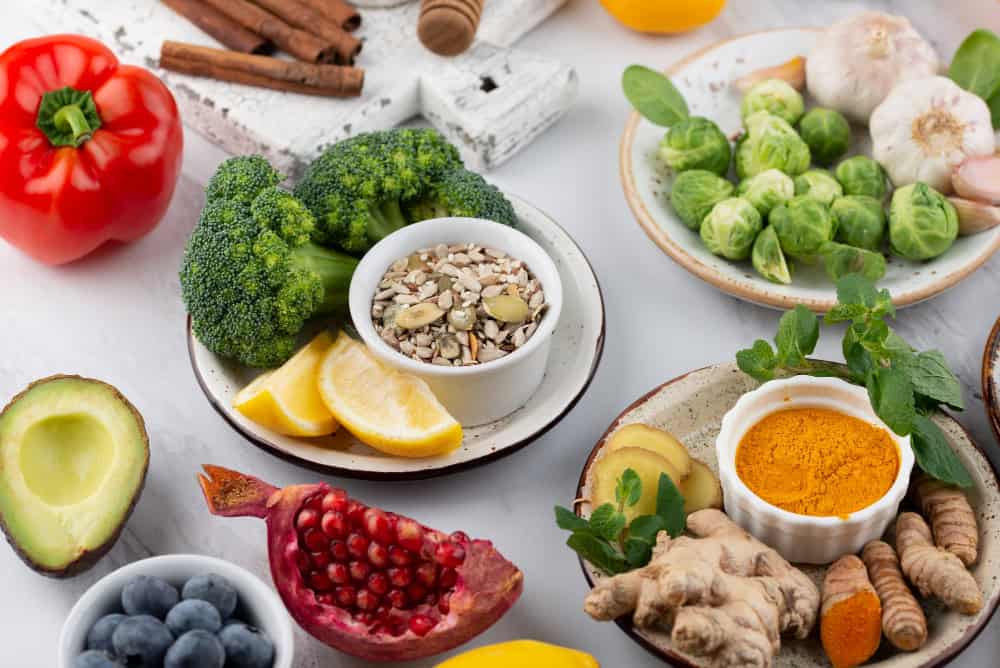
Although they are often overlooked, leafy greens are foundational for a joint-friendly diet. Choices include examples like spinach, kale, and broccoli.
Why it helps: Leafy greens provide vitamins C and K, antioxidants, and sulforaphane, all of which may reduce inflammation and support cartilage health. Including these regularly can help build a protective nutritional foundation, especially for people who carry joint stress.
How to include: There are lots of other options if salads don’t excite you. To soften the flavour, blend kale into a fruit smoothie, or toss spinach into pasta or scrambled eggs.
Turmeric & Ginger: Spices With a Purpose
Some of the most powerful anti-inflammatory foods aren’t meals—they are spices.
Anti-inflammatory spices are like Turmeric (contains curcumin) and Ginger (contains gingerol).
Why they help: Turmeric’s curcumin and ginger’s gingerol are bioactive compounds that have been studied for their ability to reduce inflammatory pathways in the body and help ease pain and stiffness. Add black pepper with turmeric to improve absorption.
How to include: Stir them into soups, stews, teas, or golden milk (haldi doodh). Even a pinch in daily cooking adds flavour and benefits.
Extra Virgin Olive Oil: Liquid Gold for Joints
Olive oil isn’t just tasty—it’s one of the most cited anti-inflammatory foods in the Mediterranean diet [5].
Why it helps:
Olive oil contains oleocanthal, a compound that may mimic the action of mild anti-inflammatory medications in how it interacts with inflammatory pathways. It also supplies antioxidants that help protect joint tissues.
How to include:
Use extra virgin olive oil instead of butter or processed oils. Drizzle over salads or vegetables for maximum benefit.
Foods That Could Make You More Inflamed

While there are some foods to reduce joint pain, others can quietly worsen inflammation and joint discomfort if consumed excessively. Common inflammation-promoting foods include:
– Fried and highly processed foods
– Refined carbohydrates (white bread, pastries)
– Sugar-filled beverages and sweets
– Overindulgence in red meat or processed meat
Your body has a greater chance of comfort and mobility if you reduce these and make more anti-inflammatory choices.
Useful Advice: How to Make These Foods Beneficial for You

Here’s how to make eating foods to reduce joint pain and inflammation a regular habit:
- Begin modestly: Add berries or leafy greens first. There is no need for a perfect diet overhaul.
- Combine fats carefully: Replace unhealthy fats with olive oil and omega-3 sources.
- Use a variety of spices: Turmeric and ginger are easy additions to many dishes.
- Aim for diversity: A mixed plate can deliver diverse nutrients that work together.
- Remain constant: Benefits accrue over weeks and months, not overnight.
Eating for joint health is not about strict restriction but about smart inclusion over time.
Final Thought of The Evening
Joint pain is a reflection of deeper inflammatory processes in the body, not only “achy knees” or stiffness. Anti-inflammatory foods can be powerful allies, but no food can replace medical advice or prescribed therapy. For daily comfort and long-term joint health, pair these choices with a balanced lifestyle. This can give your joints the support they deserve.
FAQs
Q. What foods can reduce inflammation in joints?
Foods to reduce joint pain and inflammation are rich in omega-3s, antioxidants, healthy fats, leafy greens, turmeric, and ginger.
Q. How can one combat arthritis?
A combination of medical care, regular low-impact exercise, weight control, anti-inflammatory foods, and joint-friendly habits is used to manage arthritis. When the pain becomes unbearable or consistent, you should always consult your doctor.
Q. What are the 3 warning signs of inflammation?
If it’s inflammation, you may see swelling, persistent pain, redness, and reduced movement of joints. Contact an expert before the problem becomes a disease.
Q. Can exercise reduce joint inflammation?
Yes, gentle, regular exercise like yoga, swimming, or walking can help reduce inflammation and improve joint mobility. This may also strengthen surrounding muscles.
Q. What are the diseases of inflammation?
Inflammatory diseases include arthritis, inflammatory bowel disease, lupus, psoriasis, and certain autoimmune conditions.
Q. Will low vitamin B12 cause pain in your joints?
Low vitamin B12 may cause nerve pain, weakness, or fatigue. This can sometimes feel like joint discomfort, but it is not a direct cause of joint inflammation.
Q. Is joint pain a symptom of having a calcium deficiency?
Joint pain can be a symptom of low calcium. Muscle cramps, bone pain, or joint discomfort, especially if the deficiency is long-standing, can be seen. But joint pain can also have many other causes.
Q. What are the early signs of vitamin D deficiency?
Early signs of deficiency may include tiredness, muscle aches, bone or joint pain, frequent infections, and low mood. These signs are often subtle and easy to ignore at first.
References
1. International Association for the Study of Pain. Joint Pain – International Association for the Study of Pain (IASP). International Association for the Study of Pain (IASP). https://www.iasp-pain.org/advocacy/global-year/joint-pain/. Published August 12, 2021.
2. Institute for Quality and Efficiency in Health Care (IQWiG). In brief: What is an inflammation? InformedHealth.org – NCBI Bookshelf. https://www.ncbi.nlm.nih.gov/books/NBK279298/. Published April 11, 2025.
3. American Heart Association – Fish and Omega-3 Fatty Acids https://www.heart.org/en/healthy-living/healthy-eating/eat-smart/fats/fish-and-omega-3-fatty-acids
4. Kisaoglu A, Borekci B, Yapca OE, Bilen H, Suleyman H. Tissue damage and Oxidant/Antioxidant balance. Eurasian Journal of Medicine. 2013;45(1):47-49. doi:10.5152/eajm.2013.08
5. Riolo R, De Rosa R, Simonetta I, Tuttolomondo A. Olive Oil in the Mediterranean Diet and Its Biochemical and Molecular Effects on Cardiovascular Health through an Analysis of Genetics and Epigenetics. International Journal of Molecular Sciences. 2022;23(24):16002. doi:10.3390/ijms232416002
(The article is written by Sneha Jajoo, Intern, Clinical Health & Content, and reviewed by Monalisa Deka, Deputy Manager, Clinical Health & Content, Medical Affairs).