
Have you been feeling tired even after getting enough sleep? Do your wounds seem to take forever to heal? Or maybe you’ve noticed more hair on your hairbrush than usual. While many things can cause these issues, one nutrient often goes unnoticed: zinc.
Zinc may not get as much attention as vitamin D, iron, or calcium, but your body depends on it every single day. It helps your immune system fight infections, supports wound healing, keeps your skin healthy, and even plays a role in your sense of taste and smell. Since your body can’t store large amounts of zinc, you need to get enough of it through your diet every day.
The good news is that zinc deficiency is often preventable. Knowing the warning signs, understanding what causes it, and choosing the right foods can help you stay healthy and avoid long-term complications.
What Is Zinc Deficiency?
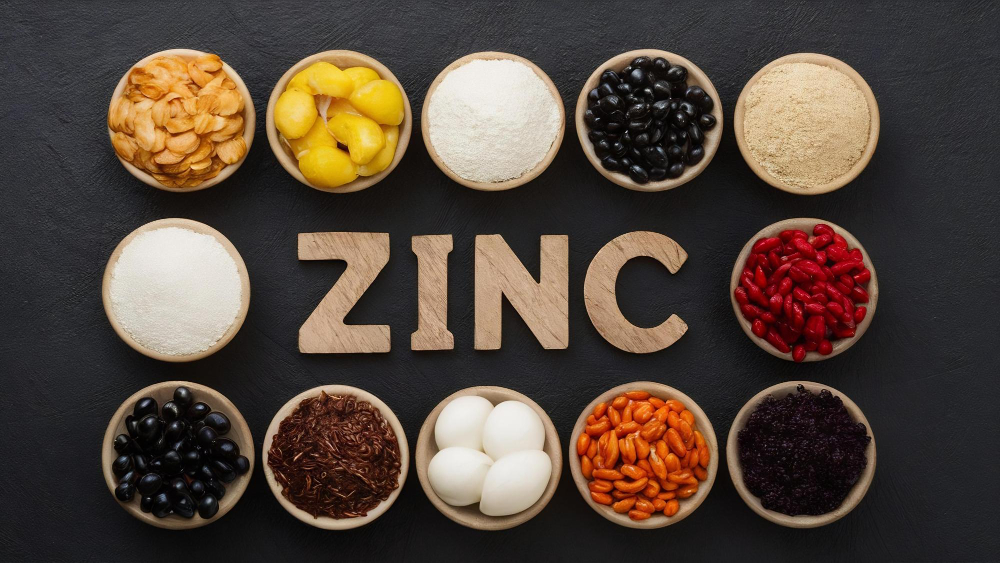
Zinc deficiency happens when your body doesn’t get enough zinc to meet its daily needs. This can happen because you’re not eating enough zinc-rich foods, your body isn’t absorbing zinc properly, or your zinc requirements have increased due to certain life stages or medical conditions.
Zinc is involved in hundreds of important processes in the body. It supports cell growth, helps make DNA and proteins, strengthens your immune system, and contributes to healthy skin, hair, and nails.
A mild deficiency may not cause obvious symptoms at first. But over time, low zinc levels can affect many parts of the body and make you more likely to get sick.
Why Does Your Body Need Zinc?
Zinc may be needed in small amounts, but its role is anything but small. It helps your body:
- Support immune function and fight infections
- Heal cuts, wounds, and injuries
- Maintain healthy skin and reduce inflammation
- Support normal growth and development
- Build proteins and DNA
- Keep your sense of taste and smell working properly
- Support fertility and reproductive health
- Promote healthy hair and nails
Without enough zinc, many of these functions begin to slow down.
Signs and Symptoms of Zinc Deficiency

monsoon illness
The symptoms of zinc deficiency can develop gradually and are often mistaken for other health problems.
1. Frequent Illness
If you catch every cold that’s going around or your infections seem to last longer than usual, low zinc levels could be one reason. Zinc helps your immune cells work effectively.
2. Slow Wound Healing
Cuts, scratches, or surgical wounds that take longer than expected to heal may point to zinc deficiency. Zinc plays an important role in tissue repair.
3. Hair Loss
While hair fall has many causes, zinc deficiency can weaken hair follicles and increase shedding. Hair may also become thinner over time.
4. Changes in Taste or Smell
Food may suddenly seem bland, or you may find it difficult to smell certain things. Zinc is essential for the proper functioning of taste and smell receptors.
5. Skin Problems
Dry skin, rashes, acne-like bumps, or eczema that doesn’t improve easily can sometimes be linked to low zinc levels.
6. Poor Appetite
Zinc helps regulate appetite. People with zinc deficiency may notice reduced hunger or unexplained weight loss.
7. Constant Fatigue
Feeling tired despite getting enough rest isn’t always due to lack of sleep. Since zinc supports many body processes, low levels may leave you feeling drained.
8. Brittle Nails
Weak nails that crack or develop white spots may sometimes be associated with inadequate zinc intake, although other nutrient deficiencies can also contribute.
9. Poor Growth in Children
Children need enough zinc for normal growth and development. Long-term deficiency may affect height, weight gain, and puberty.
What Causes Zinc Deficiency?

Several factors can increase your risk of developing zinc deficiency.
Not Eating Enough Zinc-Rich Foods
People who eat limited amounts of animal-based foods may not get enough zinc. While plant foods contain zinc, compounds called phytates in whole grains and legumes can reduce its absorption.
Digestive Disorders
Conditions that affect nutrient absorption, such as Crohn’s disease, ulcerative colitis, and celiac disease, can make it harder for your body to absorb zinc.
Pregnancy and Breastfeeding
Your zinc needs increase during pregnancy and breastfeeding because the growing baby depends on this nutrient for healthy development.
Older Age
As people age, they may eat less, absorb nutrients less efficiently, or take medications that affect zinc absorption.
Long-Term Alcohol Use
Heavy alcohol intake may reduce zinc absorption and increase zinc loss through urine.
Chronic Diarrhea
Frequent diarrhea can lead to significant zinc losses, increasing the risk of deficiency.
Certain Medications
Some medicines, including certain diuretics and long-term use of medications that reduce stomach acid, may affect zinc absorption or increase zinc loss.
Who Is Most at Risk?
Some groups are more likely to develop zinc deficiency than others.
- Vegetarians and vegans
- Pregnant and breastfeeding women
- Older adults
- People with digestive diseases
- Individuals with chronic kidney disease
- People with alcohol dependence
- Children with poor diets
- Those with chronic diarrhea
If you fall into one of these groups, it’s worth paying closer attention to your zinc intake.
Best Food Sources of Zinc
The easiest way to maintain healthy zinc levels is through a balanced diet.
Oysters
Oysters contain more zinc than almost any other food. Even a small serving provides several times the daily requirement.
Red Meat
Lean beef and lamb are among the richest everyday sources of zinc. They also provide protein, iron, and vitamin B12.
Chicken and Turkey
Poultry offers moderate amounts of zinc and can easily fit into a balanced diet.
Seafood
Crab, shrimp, and lobster provide useful amounts of zinc along with high-quality protein.
Eggs
Eggs aren’t the richest source, but they still contribute to your daily intake and are easy to include in meals.
Dairy Products
Milk, yogurt, and cheese provide zinc along with calcium and protein.
Pumpkin Seeds
Pumpkin seeds are one of the best plant-based sources of zinc. Sprinkle them over salads, yogurt, or oatmeal for an easy nutrient boost.
Chickpeas and Lentils
These legumes provide zinc as well as protein and fibre. Soaking or sprouting them before cooking may improve zinc absorption.
If you’re looking for more fibre-rich foods to support digestion, you may also enjoy reading about how chia seeds can help with constipation and the best ways to include them in your diet: Can Chia Seeds Help With Constipation? How Much and How to Take Them
Nuts
Cashews, almonds, and peanuts contain moderate amounts of zinc and make convenient snacks.
Whole Grains
Oats, quinoa, and whole wheat contribute zinc, although phytates can reduce absorption.
Can You Get Enough Zinc on a Vegetarian Diet?
Yes, but it requires some planning.
Vegetarians and vegans should include a variety of zinc-rich foods such as legumes, nuts, seeds, whole grains, tofu, and fortified cereals. Since phytates reduce zinc absorption, soaking, fermenting, or sprouting beans and grains may help your body absorb more zinc.
Eating enough protein and maintaining a varied diet also supports better nutrient intake.
Should You Take Zinc Supplements?
Food should always be your first choice whenever possible. However, supplements may be helpful if you have a diagnosed deficiency, poor absorption, increased zinc needs, or if your diet contains large amounts of foods high in phytates, such as whole grains, legumes, nuts, and seeds. Phytates can bind to zinc and reduce how much your body absorbs, although these foods are still nutritious and shouldn’t be avoided. Soaking, sprouting, or fermenting legumes and grains may help improve zinc absorption.
Zinc Supplements: Which Type Is Better?
Zinc supplements are available in several forms. While they all provide zinc, they differ slightly in absorption and how well they’re tolerated.
Zinc gluconate: One of the most commonly used forms. It’s well absorbed and is often found in over-the-counter supplements and cold lozenges. Most people tolerate it well, though some may experience mild stomach upset if taken on an empty stomach.
Zinc citrate: This form is also well absorbed and has absorption comparable to zinc gluconate. It’s generally gentle on the stomach and is a good option for long-term supplementation.
Zinc picolinate: Zinc is bound to picolinic acid, which may improve absorption. Some studies suggest it may be absorbed slightly better than certain other forms, although the overall differences are small. It may still cause nausea or stomach discomfort if taken without food.
Zinc acetate: This form is readily absorbed and is commonly used in zinc lozenges for reducing the duration of the common cold. Gastrointestinal side effects are similar to other zinc salts, with nausea being the most common complaint.
Zinc sulfate: Zinc sulfate is one of the least expensive forms and is commonly prescribed to treat zinc deficiency. However, it’s also the form most likely to cause gastrointestinal side effects such as nausea, stomach pain, vomiting, and heartburn, especially when taken on an empty stomach.
Overall, there’s no strong evidence that one form is dramatically better than another for most healthy adults. The best choice often comes down to how well you tolerate it, its availability, and your healthcare provider’s recommendation.
To reduce stomach discomfort, take zinc supplements with food unless your doctor advises otherwise. Also, avoid taking zinc supplements at the same time as calcium or iron supplements, as they can reduce zinc absorption.
Avoid taking high doses of zinc without medical advice. Long-term intake above the recommended upper limit (40 mg of elemental zinc per day for adults) can interfere with copper absorption and may lead to copper deficiency, reduced immunity, nausea, stomach pain, and vomiting.
How Much Zinc Do You Need?
| Age | Recommended Zinc Intake |
| Birth–6 months | 2 mg/day (AI) |
| 7–12 months | 3 mg/day |
| 1–3 years | 3 mg/day |
| 4–8 years | 5 mg/day |
| 9–13 years | 8 mg/day |
| Boys 14–18 years | 11 mg/day |
| Girls 14–18 years | 9 mg/day |
| Men (19+ years) | 11 mg/day |
| Women (19+ years) | 8 mg/day |
| Pregnant teens | 12 mg/day |
| Pregnant women | 11 mg/day |
| Breastfeeding teens | 13 mg/day |
| Breastfeeding women | 12 mg/day |
Most healthy adults can meet these needs through a balanced diet.
Tips to Improve Zinc Absorption
A few simple habits can help your body make better use of the zinc you eat.
- Eat a variety of protein-rich foods.
- Soak or sprout beans and legumes before cooking.
- Include nuts and seeds regularly.
- Avoid taking high-dose iron or calcium supplements at the same time as zinc unless advised by your doctor.
- Follow an overall balanced lifestyle with adequate sleep, exercise, and a nutrient-rich diet.
Your overall nutrition also matters. Healthy lifestyle habits that support nutrients like vitamin D and help manage stress can contribute to better overall health. You can explore these practical tips here: Simple Habits to Boost Vitamin D and Lower Cortisol Levels Naturally
When Should You See a Doctor?
If you’ve been experiencing ongoing fatigue, repeated infections, hair loss, poor wound healing, or changes in taste and smell, don’t ignore these symptoms. They may have several causes, including zinc deficiency.
A healthcare professional can evaluate your symptoms, review your diet, and recommend blood tests or supplements if needed.
FAQs
1. What are the first signs of zinc deficiency?
Early signs often include frequent infections, slow wound healing, reduced appetite, hair loss, skin problems, and changes in taste or smell.
2. Which foods contain the most zinc?
Oysters contain the highest amount of zinc. Other excellent sources include beef, lamb, chicken, crab, pumpkin seeds, dairy products, chickpeas, lentils, and nuts.
3. Can zinc deficiency cause hair loss?
Yes. Zinc plays an important role in healthy hair growth. Low zinc levels may contribute to increased hair shedding, although other nutritional deficiencies and medical conditions can also cause hair loss.
4. Is it safe to take zinc supplements every day?
Zinc supplements are generally safe when taken in the recommended dose. Long-term use of high doses should only be done under medical supervision because excess zinc can interfere with copper absorption.
5. Are vegetarians more likely to have zinc deficiency?
Yes. Plant foods contain compounds called phytates that reduce zinc absorption. However, vegetarians can still meet their zinc needs by eating a varied diet that includes legumes, whole grains, nuts, seeds, and fortified foods.
6. Can zinc deficiency affect immunity?
Yes. Zinc is essential for normal immune function. Low zinc levels can make you more vulnerable to infections and may slow recovery from illness.
7. How can I increase my zinc intake naturally?
Eat more zinc-rich foods such as seafood, lean meat, dairy products, eggs, pumpkin seeds, chickpeas, lentils, nuts, and whole grains. If you have a diagnosed deficiency, your healthcare provider may also recommend a zinc supplement.
Recommended Reads:
10 Healthy Foods Rich in Vitamin D You Should Add to Your Diet
Clinically Explained Vitamin D Supplements: Benefits, Dosage & Timing
(The article is written by Mantasha, Sr. Executive, Clinical Health & Content, and reviewed by Monalisa Deka, Deputy Manager, Clinical Health & Content, Medical Affairs.)