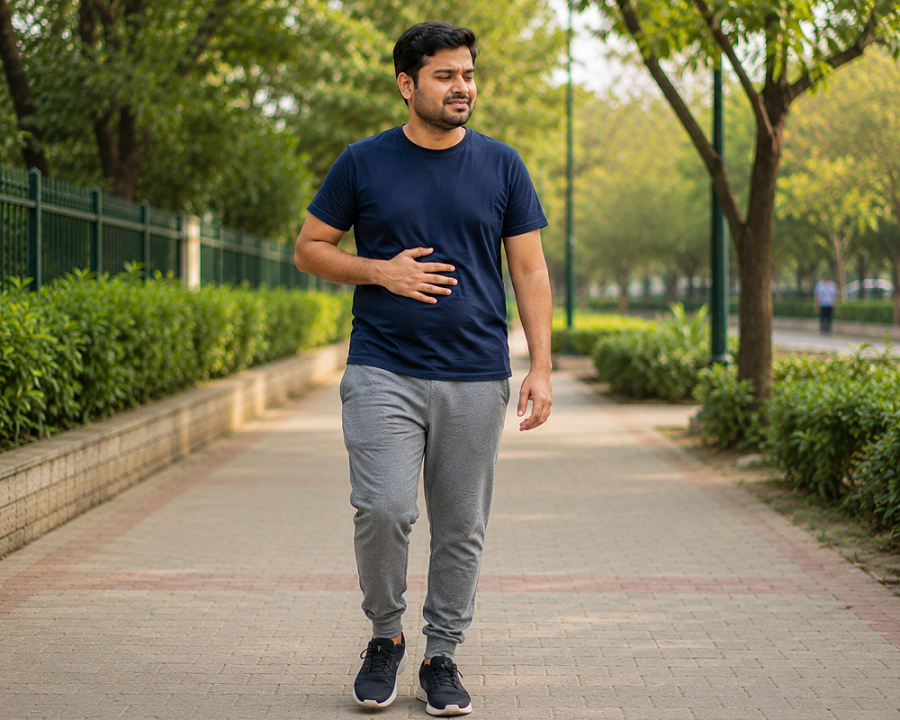
You may have heard several conflicting opinions about walking after you’ve eaten. Some think it is a good idea to walk after dinner. Others say that walking immediately after eating can cause stomach cramps and indigestion.
So who is telling the truth here?
Some of the things that influence the answer to this question are how fast you walk and how stuffed you are. According to Dr. Subita, Medical Expert at TATA 1mg, “ A leisurely walk after a meal is safe and even aids digestion and manages blood sugar levels, but rigorous exercise immediately after a big meal may not be in your best interest.
So it is very important to find out what doctors say about walking on a full stomach, when it is good and when it is better to refrain.
Is Walking On A Full Stomach Safe?

Yes, in the majority of cases, for healthy adults. A nice walk after a meal is normally safe and is effective in helping the body to process food better. There is no need to say that light movements do not impede digestion; they are fully in accordance with the processes ordinary people undergo when digesting food.
In fact, it is important to match your activity level to the size of the meal consumed.
What Happens To The Body After Eating?

After a person eats a meal, his or her body starts to digest it:
- The stomach mixes food with digestive juice.
- Food is slowly passed into the small intestine.
- Nutrients from the food enter the bloodstream.
- Blood circulation increases in digestive system organs in order to assist them during the digestion process.
A gentle walk around the house will not affect digestion since it actually promotes digestion as well.
Potential Benefits Of Walking After A Meal
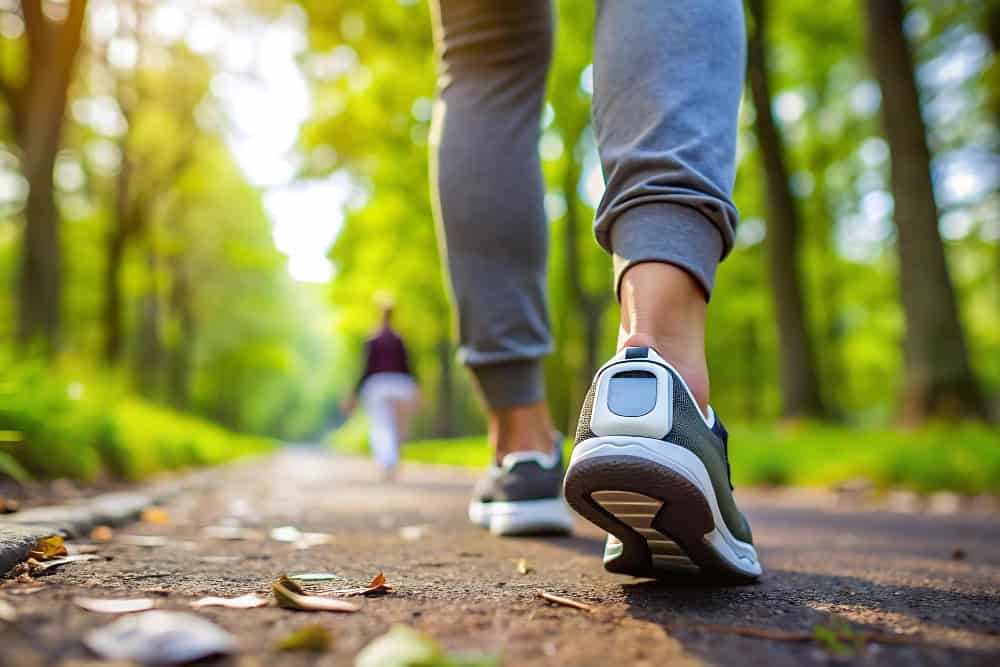
1. Helps Control Blood Sugar Level
Another reason why doctors encourage people to walk after eating is due to the positive effects it has on blood sugar levels.
People tend to have their blood sugar levels rise after meals, and walking helps prevent such a rise by using glucose stored in muscles for energy.
This is particularly important for patients with:
- Prediabetes
- Type II Diabetes
- Insulin-resistant patients
Even a 10-minute walk can solve the problem.
2. May Support Digestion
Walking could help the digestive process proceed as it normally should, which is called gastrointestinal motility.
This may help alleviate:
- Mild bloating
- Some fullness
- Slow digestion
- Buildup of gas in the intestines
Nevertheless, it is important to point out that this benefit is normally attributed to the so-called simple walk, rather than an intense workout.
3. May Reduce the Feeling of Heaviness
After having a big meal, people feel heavy or sleepy.
Relaxed walking can help relieve that heaviness without exhausting the body.
4. May Become A Habit In Your Everyday Routine
Another benefit to note is that it could become a habit. Walking for about 10-20 minutes after eating can turn into something easy to do and a routine at the same time. It is beneficial for physical activity, as it provides an extra way to attain activity goals without spending a lot of time at the gym.
When Can Walking On A Full Stomach Be A Bad Idea?

Although gentle walking is generally safe, there are situations where it may cause discomfort.
After a Very Heavy Meal
If you have eaten until full, as with festive occasions or buffet meals, walking might be difficult at first.
You could feel:
- Fullness of the stomach
- Side cramps
- Heartburn
- Nausea
In this case, it might be a good idea to wait 20-30 minutes before setting out for a stroll.
After Intense Workouts
The bigger issue is not walking, but doing strenuous exercise.
Such activities as:
- Jogging
- Sprinting
- HIIT (high-intensity interval training) workouts
- Heavy weightlifting
Carried out right after a meal may lead to digestive troubles.
Your body has to balance blood flow between exercising muscles and the digestive system, which may contribute to symptoms in some people.
If You Suffer from Acid Reflux
For those who have gastroesophageal reflux disease (GERD), it is important to be cautious.
While slow walking can be done without trouble, bending, jogging, or performing various physical activities immediately after eating can contribute to reflux issues.
How Long Should You Walk?
There is no need for a one-hour walk to see effects.
- Experts recommend the following:
- 10-15 minutes post-meal.
- 20-30 minutes if you feel good.
- Maintain an easy, casual walking pace.
The intent is not to wear yourself out but to move.
Who Should Be More Careful?

Some individuals should pay attention to how their bodies react. For example,
People with Digestive Conditions
If you suffer from conditions such as:
- GERD (gastroesophageal reflux disease)
- IBS (Irritable Bowel Syndrome)
- Gastroparesis
- Chronic indigestion
You should consult your doctor about the activities to engage in after a meal.
Older Adults
Walking is good for older adults, but it should be remembered that.
- They should choose comfy shoes.
- They should walk on smooth surfaces.
- They should drink enough fluids.
- They should avoid making fast movements after a meal.
People with Diabetes
For people managing blood sugar, post-meal walking may be particularly helpful.
But if people are on glucose-lowering meds, they should be aware of the low blood sugar symptoms if they are exercising longer.
Common Myths About Walking After Eating
 Myth 1: Walking is bad for digestion
No, this is not true. A walk taken slowly will not hinder digestion, but may help it.
Myth 2: You Must Wait Exactly One Hour
Not necessarily required. One hour is not a universal requirement; it varies according to one’s meal size and comfort level.
Myth 3: Walking faster is better
Wrong. After eating, it is better to walk slowly than to jog or walk fast.
What Does a Good Post-Meal Walk Look Like?
A good routine may consist of:
1. Complete your meal
2. Sit down for a few minutes
3. Slow walk for 10 to 20 minutes
4. Keep upright rather than lying down
5. Discontinue if symptoms such as nausea, excessive pain, or dizziness occur.
In conclusion, consistency is more important than intensity.
Simple Tips For Comfortable Walking After Eating
To make post-meal walks more enjoyable:
- Wear good shoes.
- Pick easy routes.
- Avoid jogging.
- Drink plenty during the day.
- Listen to your body.
- Walk slowly enough to talk.
To Summarize

Having to walk post-meal should not be dreaded unless the person ate very heavy foods or their lifestyle revolved around intense physical activities. Most people find that a gentle stroll can ease digestion and improve post-prandial sugar levels.
The main difference between walking and running. A casual stroll of about 10 to 20 minutes is a great way to spend the time after a meal and should not lead to any negative feelings.
FAQs
Q. Is walking on a full stomach harmful?
Walking should be safe for most individuals. Actual issues arise when somebody decides to work out soon after having a large meal.
Q. Is walking good for digestion?
Yes, light walking can actually help digestion and prevent bloating.
Q. Is it fine to take a walk after eating?
Going for a walk right after eating isn’t usually an issue, provided you feel ready for it.
Q. Does walking after eating burn more calories?
Walking after eating can lead to burning calories, although this is also believed to have a positive impact on blood sugar management.
Q. Can walking after eating reduce bloating?
Walking, even for a short time, is said to help people who experience bloating.
Q. Is it okay to run after eating?
Running on a full stomach may lead to discomfort and other digestive problems.
Q. How long should I walk after eating?
Generally, walking for approximately 10 to 20 minutes after a meal is the best option.
Q. Who shouldn’t go for a walk after eating?
People with severe acid reflux or those who frequently struggle with digestive problems shouldn’t walk after eating.
(The article is written by Deepa Sarkar, Senior Medical Writer, and reviewed by Monalisa Deka, Deputy Manager, Clinical Health & Content, Medical Affairs)
Recommended Reads
Trying to Lose Weight? Learn About The Link Between Sleep and Weight Loss!