
Walking is one of the easiest activities to stay physically fit as you age, but the same pace does not have to be the only way. Interval walking is a method of walking that combines faster walking periods with regular walking at comfortable speeds. This variant makes an ordinary walk much more diverse and helps improve the cardiovascular system.
Interval walking is a method suitable for people above the age of 50 who are unfamiliar with exercise and want to increase their activity levels gradually. Periods of walking should be taken easy at first, listening to the body and ramping up the intensity.
What Is Interval Walking?

Interval walking is defined as the task of alternating between periods of leisurely walking at a comfortable pace and periods of brisk, more intense walking.
For instance, you may walk in an easy manner at your leisure for a period of 3 minutes, then increase your tempo for 1 minute before returning to casual walking again. This process can be repeated throughout your workout depending on your own preferences.
The idea of interval walking allows you to enjoy periods of ‘recovery’ between the more intense efforts. It may also have the effect of making workouts seem more bearable. Faster walking intervals do not have to feel tiring at all.
Why Try Interval Walking After 50?

Physical exercise becomes increasingly important as you age to help you stay fit, strong, mobile, and balanced for healthy aging.
Interval walking has some advantages:
- It enhances cardiovascular health: The change in walking style tests the heart and lungs, as opposed to an easy pace for the session.
- It builds stamina: Fast walking intervals often make daily tasks feel easier in the long run.
- It helps to maintain mobility: Walking regularly keeps your hips and legs mobile and helps you stay active.
- It helps in staying fit: Exercise promotes energy metabolism, while including speed walking intervals is necessary to increase the workout intensity.
- It brings variety: Changing walking pace adds novelty to one’s workout while helping beginners remain focused.
- It adds little stress on the joints: Walking is much better than running in terms of joints and is, therefore, suitable for older individuals.
Nevertheless, interval walking cannot be a substitute for strength training workouts.
What Is The Ideal Walking Speed?
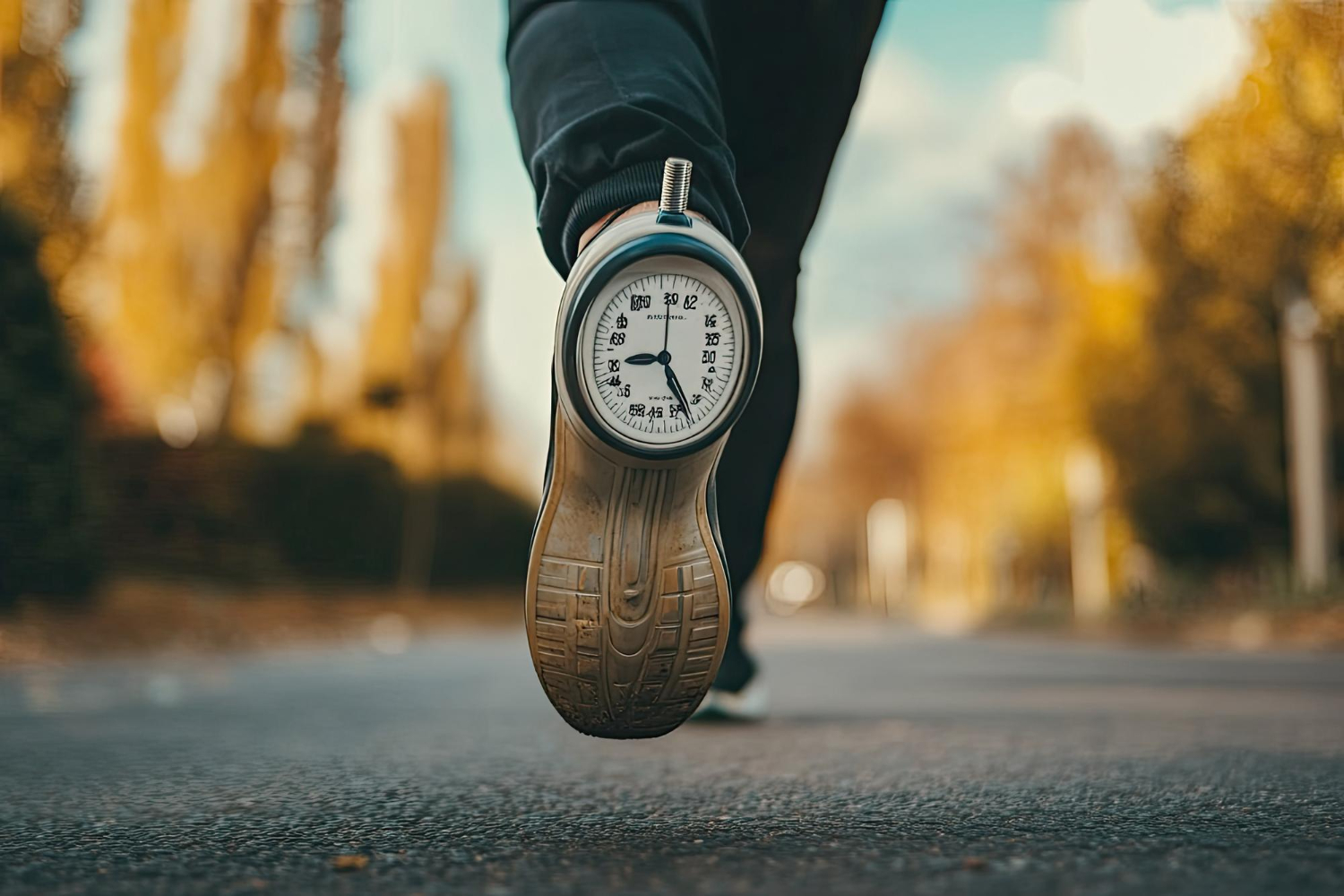
That’s a tricky question because it depends on your current fitness level. You don’t have to be exact about the speed.
One way of getting an idea of the intensity of your walking is the talk test. When you are walking comfortably, you should be able to speak with ease. In a fast interval, you will start breathing more quickly but still be able to say a sentence.
If you cannot speak, feel dizzy, or excessively breathless, then you should slow down.
Keep in mind: the aim is not to go as fast as you can. The aim is to create a pace difference.
A Beginner-Friendly Interval Walking Routine

If you are new to interval walking, it is better to start with a short walking session than trying to walk fast for long periods of time.
Here’s what you can do:
Step 1: Five-minute warm-up
Begin with slow walking. You can gradually pick up the pace.
Step 2: Walk for 3 minutes at a comfortable pace
Walk relaxed; be aware of your posture and your breathing.
Step 3: Walk a little faster for 1 minute
Walk much faster than before, but don’t run. Release your shoulder muscles and walk with intention.
Step 4: Rest for 3 minutes
Return to an easy walking pace again.
Step 5: Do this 3-4 times
Increase the number of repetitions as you get fitter.
Step 6: Cool down for 5 minutes
Begin walking slowly until you are breathing normally again. In total, the workout will take 25–30 minutes.
How Many Days A Week Should Beginners Do It?

You do not have to practice interval walking on a daily basis if you are a beginner. Start with two or three interval walking sessions a week. Do comfortable walking on other days if you like it.
Once your endurance improves, gradually increase the length or the number of faster intervals, but do not change it simultaneously.
For instance, if you currently practice three one-minute fast intervals, you may gradually progress to four or five fast intervals.
Common Mistakes People Make
 The most common mistake a beginner makes is to start too aggressively. Interval walking should put you to the test, but not exhaust you.
- Not warming up: Muscles and joints may be stiff if you don’t warm up. Start at a slow pace, and increase the pace gradually.
- Walking too fast: Walking fast is not the same as running faster. Walk at a pace that can be maintained.
- Doing too much too quickly: Increasing distance, speed, and frequency all at once can be unnecessarily difficult.
- Not taking rest: Preventive breaks and slow walks are as important as the daily exercise routine.
- Focusing on only speed: Good posture and the comfort of the movements are more important than reaching the required speed.
- Comparing yourself to others: Fitness levels vary widely, particularly among novice trainees. Keep track of your progress instead.
How to Improve Your Walking Technique?
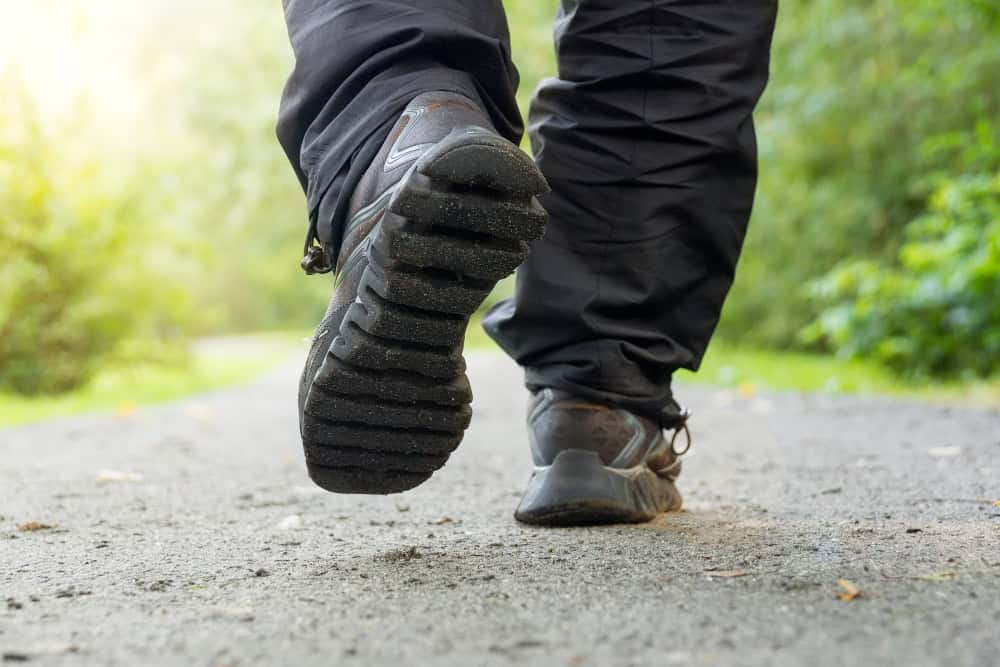
A good walking form will make your walking exercises comfortable. While walking, keep your head straight and look up always instead of looking down. Let your shoulders fall down normally and let your arms swing normally.
Take normal-sized steps instead of taking long strides. When walking quickly, remember to focus on your walking speed and not on how long your strides are. Wear good footwear and walk on a safe trail.
Can Walking Intervals Be Helpful for Weight Loss?

Walking intervals can be a helpful activity for weight loss since it is an exercise and uses energy in the process of walking. When walking quickly with long strides, walking becomes more demanding.
However, when losing weight, other factors of weight loss should also be considered, including the amount of food eaten, sleep regimen, age, and general activity level of the individual.
Besides, instead of focusing on the scale, it is better to concentrate on how much distance is covered while walking and how easily the task of walking is done.
Guidelines for People Over 50 Regarding Safety
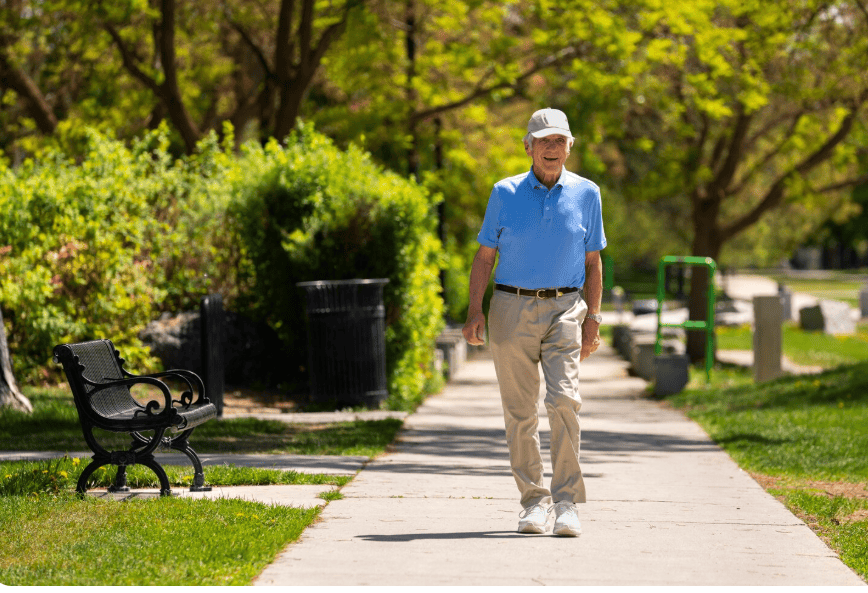
- Walking is a common exercise for healthy adults; however, those who do not exercise frequently or suffer from illness should consult a doctor about a suitable exercise program.
- Stop exercising and seek medical assistance if you experience something abnormal, such as chest pains, fainting, severe dizziness, or unusual breathlessness.
- Select a walking route that is well-lit and mostly flat. Drink water when you need to, especially when it is hot outside, and do not work out during scorching weather.
- If you are worried about balance, think about going to a place with support or going for a walk with someone.
The Conclusion

Interval walking serves as an excellent way for adults over 50 to achieve the benefits of walking while making it slightly more intense. By rotating between walking normally and gradually speeding up the walking pace, you will slowly develop your stamina while keeping everything easy.
You should begin with short intervals, thoroughly warm up your muscles, and gradually make your walking session more and more challenging. It’s also good to keep your pace just intense enough but not overly difficult.
FAQs
Q. Is it safe to do interval walking after turning 50?
Yes, if you go slow and at a level of intensity that you can handle.
Q. What is the recommended period for the walking sessions of a beginner?
20-30 minutes, including warm-up and cool-down time.
Q. Do I have to run or jog during the intervals?
No, a simple brisk walk will work.
Q. How often and how long should a beginner walk in intervals?
Two to three times per week is a good start.
Q. Can interval walking help me improve my endurance?
Yes, endurance can be gradually gained.
Q. Will it help me with my weight loss?
Yes, if combined with a healthy diet and physical activities.
Q. Is interval walking better than regular walking?
It may provide a more intense workout, but both options are equally beneficial.
Q. When should I start increasing the intensity of the exercise?
You should start as soon as you feel comfortable and confident enough in your routine.
(The article is written by Deepa Sarkar, Senior Medical Writer, and reviewed by Monalisa Deka, Deputy Manager, Clinical Health & Content, Medical Affairs)