
Ever wake up after a full eight hours of sleep and still feel wiped out? Or maybe you’ve spotted a dark, velvety patch of skin on your neck that just won’t fade no matter how much you scrub. Weird as it sounds, these small clues could both be pointing to the same thing: insulin resistance. It’s one of the most common health issues today, and honestly, most people with it have no idea.
This post isn’t meant to scare you. It’s here to help you understand what insulin resistance actually is, catch the signs early, and learn how to reverse insulin resistance naturally before it turns into something bigger, like type 2 diabetes. Let’s explain it clearly and simply.
What Is Insulin, and What Does It Do?
Insulin is a hormone your pancreas makes. Imagine it as a key, a key that unlocks your cells so blood sugar can leave your bloodstream and enter your cells, where your body actually uses it for energy [1].
This is how it happens. You consume something, your body breaks the carbs down into glucose, and that glucose enters your blood. Your blood sugar goes up and your pancreas releases insulin to help bring it down.
How Does Insulin Control Blood Sugar?
Insulin stimulates your muscle, fat, and liver cells to absorb glucose from your blood. It also instructs your body to save part of that excess glucose for later. And it reduces the amount of glucose your liver releases at the same time [2].
For easy understanding
- You eat → blood sugar goes up
- Your pancreas → produces the hormone insulin
- Insulin→ allows glucose to enter your cells
- Your cells → break down glucose for energy
- Your blood sugar level → returns near its usual range
What Is Insulin Resistance?
Insulin resistance is what happens when your muscle, fat, and liver cells stop responding to insulin the way they should. At first, your pancreas just works harder, releasing more insulin to keep your blood sugar in check [3].
But that fix doesn’t last forever. Eventually, the pancreas can struggle to keep up, and blood sugar starts creeping up first into prediabetes territory and, for some people, eventually into diabetes. This phenomenon is why insulin resistance is often called an early warning sign on the road to type 2 diabetes, though having it doesn’t guarantee you’ll develop diabetes [1].
This is the chain reaction that follows:
- Sugar tends to pile up in your blood instead of making its way into your cells where it belongs
- Your pancreas keeps pumping out more and more insulin to make up for it. Doctors term this state hyperinsulinemia, where insulin levels are abnormally high [3].
- Your body stores the unneeded sugar as fat, frequently right around your belly.
- Over the years, high blood sugar slowly damages your blood vessels, nerves, and organs.
- If left uncontrolled this series of events tends to end in prediabetes and eventually type 2 diabetes [1][4]
Insulin Resistance Signs and Symptoms

Here’s the tricky part: insulin resistance often has no obvious symptoms in its early stages, and you can’t tell just by looking at someone whether they have it. Even so, your body does drop a few hints. Recognized insulin resistance signs include [2,3]:
- Weight gain around the belly that’s hard to lose
- Dark, velvety patches of skin on the neck, armpits, or groin, called acanthosis nigricans
- Skin tags around the neck or underarms
- High blood pressure
- High triglycerides and low HDL (“good”) cholesterol on a blood test
Who’s at Risk of Insulin Resistance and Prediabetes?
Some risk factors are within your control, while others aren’t. Here are a few factors that can raise your chances of developing insulin resistance or prediabetes [1]:
- Having overweight, obesity, or a large waist size
- Being age 35 or older (though children and teens can develop it too)
- Having a family history of diabetes
- Not being physically active
- Smoking, including tobacco products and e-cigarettes, or breathing in secondhand smoke
- Having a history of gestational diabetes, or giving birth to a baby weighing 9 pounds or more
- Having conditions like PCOS, sleep apnea, or certain viral illnesses
- Taking certain medicines long-term, such as glucocorticoids or some antipsychotics
However, if a few of these apply to you, don’t be discouraged. You can’t change your age or family history, but reaching a healthier weight, staying active, and quitting smoking can genuinely lower your risk [1].
Health Problems Linked to Insulin Resistance and Prediabetes
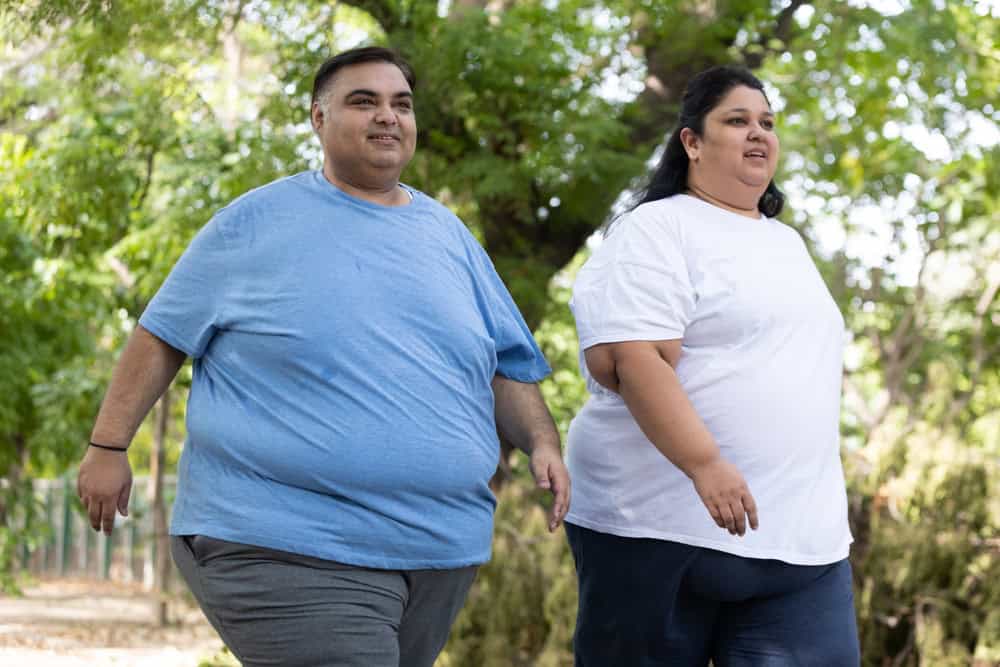
Insulin resistance doesn’t stay confined to your blood sugar. Over time, it can quietly damage your blood vessels from the inside, years before diabetes ever shows up on a test [5]. That’s exactly why it’s tied to serious problems like heart disease, stroke, and fatty liver disease.
People with insulin resistance and prediabetes can also develop other health issues, including:
- High blood pressure
- Metabolic syndrome, a group of conditions (including high blood pressure and a large waist size) that raises your risk for heart disease, diabetes, and stroke
- Nonalcoholic fatty liver disease (NAFLD), also called metabolic dysfunction-associated steatotic liver disease (MASLD)
- Obesity or a large waist size
- Type 2 diabetes
- Unhealthy cholesterol and triglyceride levels
This is exactly why insulin resistance is considered a silent condition. It rarely shows up on its own; instead, it works quietly in the background, which is precisely why catching it early through testing matters so much [5].
Insulin Resistance Tests: How Doctors Check for It
There’s no single, perfect insulin resistance test, but doctors typically rely on a combination of blood tests to get the full picture [3]. Here are the ones you’re most likely to come across:
1. Fasting Blood Glucose Test
This is a test of your blood sugar after fasting for at least 8 hours. It’s simple, quick and often the first test doctors undertake.
2. HbA1c Test
It is your average blood sugar over the last 2-3 months. No fasting required, which makes it pretty convenient.
3. Fasting Insulin Test
This test measures the amount of insulin in your blood when you have not eaten. Higher than average levels can be an early warning sign, sometimes showing up before your blood sugar rises.
4. Oral Glucose Tolerance Test (OGTT)
Here you drink a sweet solution, and your blood sugar is measured at intervals. This test checks how your body manages a glucose challenge.
5. Lipid Panel
It’s not a direct test for insulin resistance, but high triglycerides and low HDL (the “good” cholesterol) often occur together with insulin resistance [2].
Note: The HOMA-IR Score
If your results come back unclear, your doctor might calculate something called the HOMA-IR score. It combines your fasting glucose and fasting insulin readings to estimate insulin resistance more precisely [3]. That said, always loop in your healthcare provider before drawing conclusions from test numbers on your own.
How to Reverse Insulin Resistance Naturally
The good part is insulin resistance is often reversible, especially when you catch it early [2]. You don’t need extreme diets or pricey supplements to turn things around. Small, steady changes tend to make the biggest difference. Here’s how to reverse insulin resistance naturally, step by step.
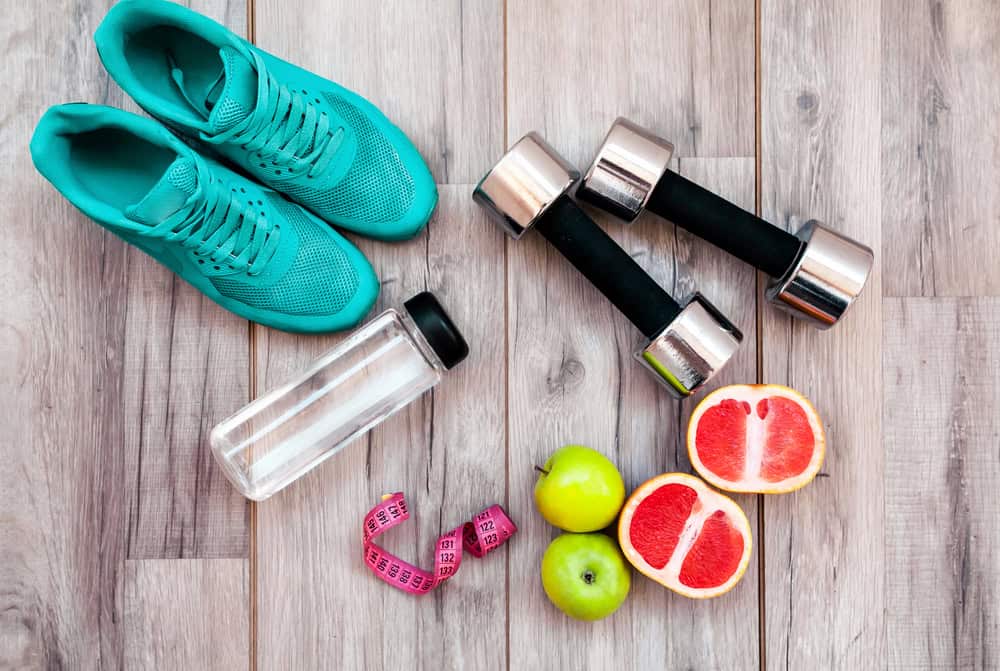
1. Be Physically Active
Exercise makes your muscles more sensitive to insulin, so your cells respond better and don’t require as much [2]. Even a 30-minute walk after eating can help blunt blood sugar rises.
2. Reduce Refined Sugar and Carbs
Drinks with a lot of sugar, white bread, and pre-packaged snacks all raise your blood sugar quickly. Trade them in for nutritious grains, veggies, and fiber-rich foods that digest slowly and help keep things more steady.
3. Consume More Healthy, Nutritious Food
Your doctor may recommend a few simple swaps:
- Eat less sugar, red meat, and processed starches
- Eat more whole foods, like vegetables, fruits, and whole grains
- Add healthy fats and protein (like nuts, olive oil, and fish)—they slow digestion, help prevent sugar surges, and keep you full longer, which helps with cravings
4. Get Better Sleep
Poor sleep throws your hormones off balance, insulin included. Aim for 7-8 hours a night if you can. Even a couple of rough nights can temporarily dent your insulin sensitivity.
5. Manage Stress
Chronic stress raises cortisol, and this hormone can push your blood sugar up. That’s part of why something as simple as meditation, deep breathing, or a short walk outside can actually make a real difference.
6. Lose Extra Weight Gradually, If Needed
You don’t need to overhaul everything overnight. Losing just 5-7% of your body weight has been shown to meaningfully improve how your body responds to insulin [1]. Slow and steady really does beat crash dieting here.
7. Stay Consistent
Consistency beats perfection, every time. Skipping sugar for one day won’t undo insulin resistance, but sticking with healthier habits for months will.
What About Medicine?Sometimes lifestyle modifications just aren’t enough, and that’s ok. Your doctor might recommend metformin and other drugs for associated conditions like high blood pressure or cholesterol to help control your blood sugar and minimize your chance of developing type 2 diabetes [1]. Always ask your doctor if taking medicine makes sense for you. |
Wrapping Up
Insulin resistance isn’t something that happens overnight, and it doesn’t get reversed overnight either. That said, once you know the signs, get the right tests done, and start making small daily changes, your body can genuinely heal. Every walk, every better meal choice, and every good night’s sleep makes a difference.
So, if you’ve noticed any of these insulin resistance symptoms in yourself, don’t panic. Talk to your doctor, get tested, and start with just one small change today. Your future self will thank you for it.
FAQs
1. Can insulin resistance be reversed completely?
For many people, yes. Consistent diet changes, exercise, and better sleep tend to improve insulin sensitivity in a real way. That said, how much it actually reverses depends on how long you’ve had it and your overall health.
2. What foods should I avoid with insulin resistance?
Sugary drinks, white bread, pastries, and heavily processed snacks are the big ones to watch. They spike your blood sugar fast, which just makes insulin resistance worse over time.
3. Does insulin resistance cause weight gain, or does weight gain cause it?
Honestly, it goes both ways. Extra weight, especially around the belly, feeds into insulin resistance. And insulin resistance, in turn, makes it harder to lose that weight, which is how the cycle keeps going.
4. How long does it take to reverse insulin resistance?
It really depends on the person, but plenty of people start noticing better blood sugar and energy within 2-3 months of sticking to healthier habits. A full turnaround can take longer, depending on where you’re starting from.
5. Can you have insulin resistance without being overweight?
Yes, definitely. Thin people get insulin resistance too, a poor diet, an inactive lifestyle, or a family history of diabetes can all play a role regardless of your size [2].
6. What’s the difference between insulin resistance and diabetes?
Think of insulin resistance as the stage before diabetes. Blood sugar is often still normal or just slightly elevated at that point. Left untreated, though, it can progress into prediabetes and eventually type 2 diabetes [4].
7. Does insulin resistance affect periods or fertility?
It can, yes. It’s closely tied to conditions like PCOS, which for some women brings irregular periods, acne, and fertility struggles along with it.
8. Is intermittent fasting good for insulin resistance?
It might help some people improve their insulin sensitivity, but it’s not a universal fix. Best to check with your doctor before starting any fasting routine, especially if you’ve got other health conditions going on.
9. Is it harder to lose weight if you have insulin resistance?
Often, yes. If weight loss has felt like an uphill battle for you, insulin resistance could well be a big part of why. Once you understand that hormonal piece, it’s easier to take a kinder, more realistic approach to your nutrition and lifestyle, instead of just blaming yourself for slow progress.
10. What does an insulin belly look like?
It usually looks like fat building up around your abdomen — a rounder, more protruding stomach. It’s not just about extra weight, though; it’s tied to how insulin resistance affects your metabolism and where your body decides to store fat.
11. How to get rid of insulin resistance belly?
Your best bet is a diet built around whole foods with less processed stuff, combined with regular movement. Even losing around 5-7% of your body weight can meaningfully bring down your risk of insulin resistance and related chronic illness [1].
References:
1. National Institute of Diabetes and Digestive and Kidney Diseases (NIDDK). Insulin Resistance & Prediabetes. https://www.niddk.nih.gov/health-information/diabetes/overview/what-is-diabetes/prediabetes-insulin-resistance
2. Centers for Disease Control and Prevention (CDC). About Insulin Resistance and Type 2 Diabetes. https://www.cdc.gov/diabetes/about/insulin-resistance-type-2-diabetes.html
3. Freeman AM, Acevedo LA, Pennings N. Insulin Resistance. StatPearls [Internet], National Center for Biotechnology Information (NCBI) Bookshelf. https://www.ncbi.nlm.nih.gov/books/NBK507839/
4. Centers for Disease Control and Prevention (CDC). Type 2 Diabetes. https://www.cdc.gov/diabetes/about/about-type-2-diabetes.html
5. National Institute of Diabetes and Digestive and Kidney Diseases (NIDDK). Symptoms & Causes of Diabetes. https://www.niddk.nih.gov/health-information/diabetes/overview/symptoms-causes
(The article is written by Nancy Dixit, Associate Manager, Clinical Health & Content, Medical Affairs, and reviewed by Monalisa Deka, Deputy Manager, Clinical Health & Content, Medical Affairs.)
Recommended Reads:
One Insulin Shot a Week Instead of Every Day — How Insulin Icodec Works