Scrolling through your feed late at night looking for ways to sleep better is incredibly ironic. Yet the internet is currently obsessed with something called sleepmaxxing. People are literally taping their mouths shut, drinking magnesium concoctions, and wearing expensive rings to chase the perfect night of rest. It’s become a massive online trend. But when you strip away the viral videos and evening routines, it is very hard to tell what is actually backed by science and what is just a complete waste of money. If you are tired of waking up exhausted after trying every new trick on the market, we need to separate the facts from the fiction. Let us see which of these viral sleep hacks actually deliver real results.
Why Sleep Has Become So Hard To Get Right
Sleep is one of those things we tend to appreciate most when we are not getting enough of it. A poor night’s sleep can leave you tired and irritable the next day, but sleep does far more than simply help you feel rested. It gives your body and brain time to recover, supports memory and concentration, and plays an important role in regulating mood, hormones, and physical health.
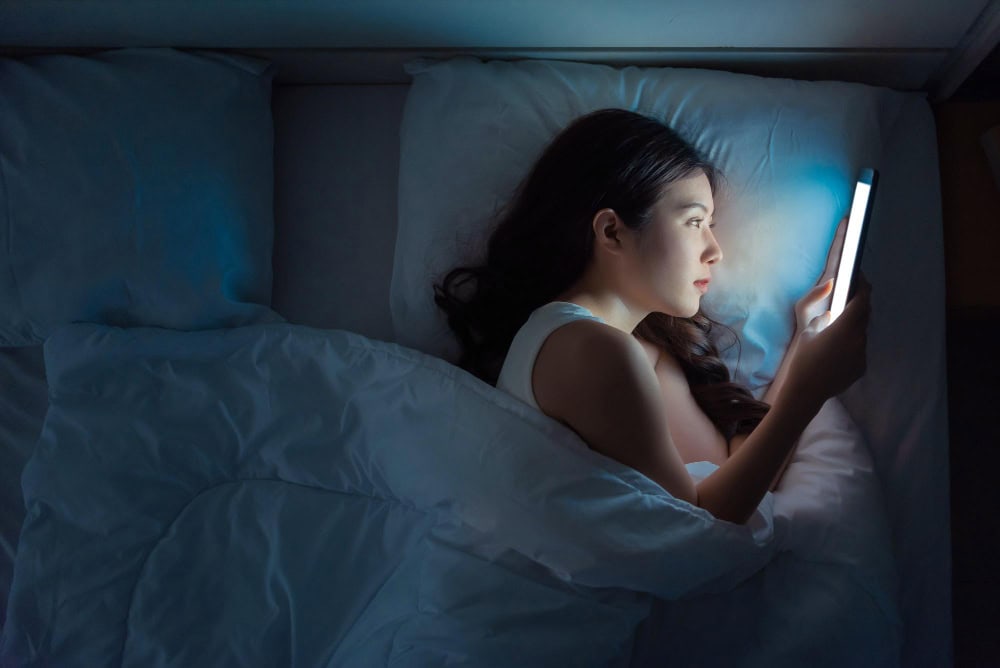
The problem is that modern life is not particularly designed around good sleep. Late-night work, endless scrolling, irregular schedules, caffeine, stress, and the constant feeling that we should always be available can all make it harder to properly switch off. And when sleep becomes difficult, it is easy to start searching for a quick fix.
That may be part of why sleepmaxxing has taken off. The promise is tempting: optimise a few habits, buy the right gadget, follow the right routine, and finally wake up feeling like you’ve cracked the code.
So, What Exactly Is Sleepmaxxing?
Sleepmaxxing is essentially the internet’s attempt to optimise sleep. The trend brings together everything from consistent bedtimes and cold bedrooms to mouth tape, magnesium drinks, sleep trackers and expensive gadgets, all with the same goal: getting deeper, longer and supposedly “perfect” sleep.
The problem is that sleepmaxxing itself has never been studied as one scientific approach. What you are really looking at is a collection of individual habits, some of which are well supported by sleep science and some of which have far less evidence behind them.
That doesn’t mean the whole trend is useless. In fact, some of its best advice is surprisingly boring. A regular sleep schedule, morning light, and a comfortable bedroom probably won’t go viral in the same way as taping your mouth shut, but they are much closer to what sleep experts have recommended for years.
Sleepmaxxing Hacks That Actually Make Sense
The “10-3-2-1” Rule
This is one of the more popular sleep routines online. The idea is to stop consuming caffeine 10 hours before bed, eating large meals 3 hours before, working 2 hours before, and using screens 1 hour before. The exact numbers aren’t backed by a single piece of research, so you don’t need to follow them like a strict formula. But the thinking behind them is sensible. Caffeine can interfere with sleep, heavy meals may be uncomfortable close to bedtime, and giving yourself some separation from work and stimulation can make it easier to wind down. Think of it as a useful framework rather than a rulebook.
Weighted blankets
Weighted blankets work through something called deep pressure stimulation, a gentle, even pressure across the body that can lower physiological arousal for some people. The evidence is not overwhelming for the general population, but it is not nothing either, and the risk is essentially zero. If you find yourself calming down under a heavier blanket, that response is real and worth keeping. It will not fix an underlying sleep disorder, but as one part of a wind-down routine, it earns its spot on this list.
Making Your Bedroom Cool, Dark And Comfortable
A dark, quiet, and slightly cool bedroom is hardly revolutionary advice, but it remains one of the more useful parts of the trend. Your body naturally changes temperature as you prepare for sleep, which is one reason an overly warm room can make it harder to get comfortable. Blackout curtains, an eye mask, a fan, or steady background noise may also help if light and environmental sounds regularly disturb you. You don’t necessarily need an expensive “sleep sanctuary.” The goal is simply to remove things that repeatedly interrupt your rest.
Getting Morning Light
Morning sunlight is another popular sleepmaxxing habit that has solid logic behind it. Light is one of the strongest signals your body uses to regulate its circadian rhythm. Getting outside after waking can help reinforce the difference between daytime and nighttime, making it easier for your body to feel sleepy later. You don’t need to stare directly at the sun or turn your morning into a complicated wellness ritual. Simply spending some time outdoors, whether during a walk, commute or cup of tea, can be a practical way to get more natural light.
Sleepmaxxing Hacks To Be Careful With
Mouth Taping
Mouth taping is probably one of the most controversial trends under the sleepmaxxing umbrella. The idea is that forcing yourself to breathe through your nose will reduce snoring and improve sleep. But the evidence supporting these broad claims is limited. More importantly, snoring can sometimes be a sign of an underlying issue such as obstructive sleep apnea. Taping your mouth does not address the cause. If you regularly snore, wake up gasping or feel unusually sleepy during the day, it is better to discuss those symptoms with a healthcare professional rather than trying to tape your way around them.
Treating Melatonin Like A Sleeping Pill
Melatonin is another product that often gets thrown into the sleepmaxxing routine without much thought. It can be useful in specific situations, particularly certain circadian rhythm problems such as jet lag. But that does not mean everyone struggling with poor sleep needs to take it every night. Timing and dosage matter, and melatonin is not a universal solution for insomnia or poor sleep quality. If sleep problems are persistent, adding supplements one after another may delay finding the actual cause.
The Bottom Line
The irony of sleepmaxxing is that the most effective habits are the least exciting. A consistent schedule, a cool dark room, morning light, and a phone-free wind-down will do more for your sleep than any ring, tape or gadget ever could. If a viral trick helps you commit to those basics, great. But if the pursuit of perfect sleep is adding stress to your nights, it has become the problem. Give yourself permission to keep it simple. Boring routines, done consistently, are what actually work.
(The article is written by Ehsan Siddiqui, Team Lead, Clinical Health & Content, and reviewed by Monalisa Deka, Senior Health Content Editor)
Recommended Reads:
Simple Habits to Boost Vitamin D and Lower Cortisol Levels Naturally
Clinically Explained Vitamin D Supplements: Benefits, Dosage & Timing