
Many social media networks endorse a specific morning routine that requires drinking diluted apple cider vinegar before meals to avoid high blood sugar levels. Yet is there any credibility in this common tip, or is it merely another health fad?
Scientific evidence indicates that vinegar may have a slight influence on post-meal blood sugar levels, particularly when a meal is rich in carbohydrates. However, its role is not sufficient to exclude diabetes medicine and all evidence-based options for blood sugar control.
For those who would like to take vinegar before a meal to lower blood sugar, the following information will be useful.
How Does Blood Sugar React After A Meal?
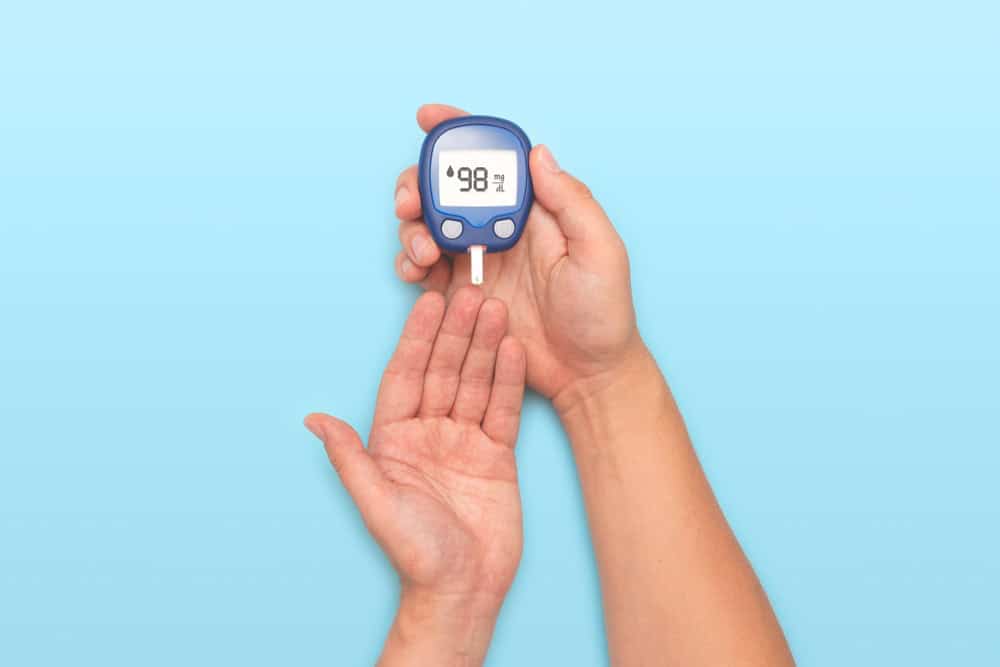
After eating, blood sugar usually rises notably, especially in the case of carbohydrate-rich foods like rice, bread, potatoes, or sweets. The human body, in turn, releases insulin, which allows glucose to go to cells from the blood.
In case a person suffers from insulin resistance, prediabetes, or diabetes, this mechanism may work in a suboptimal way. Blood sugar may remain high for a longer time, as even post-meal blood glucose can rise sharply.
However, sustained high blood sugar levels can cause long-term complications, so scientists have looked into whether easy dietary techniques – such as vinegar – can cut down on these post-meal spikes.
Does Vinegar Before A Meal Lower Blood Sugar?

It can be, but the impact is not that significant. A systematic review and meta-analysis of controlled clinical trials indicated that vinegar intake reduced post-meal glucose and insulin levels compared to control groups, though differences were found across the studies by vinegar type, amount, meal, and participants involved.[1]
The latest 2026 umbrella review of meta-analyses has also confirmed that vinegar consumption is linked to benefits in terms of fasting blood glucose, postprandial glucose, and HbA1c levels. However, evidence strength differs across the outcomes, and the differences between the studies were noted by the authors.[3]
Therefore, it is obvious that vinegar might be useful as a minor dietary supplement but cannot be regarded as a cure for diabetes.
How Might Vinegar Affect Blood Sugar?

The active component of vinegar assumed to be responsible for these effects is acetic acid.
Different mechanisms were suggested by scientists.
1. It may slow stomach emptying
Vinegar is suggested to reduce the rate of gastric emptying, meaning that the food will pass from the stomach into the small intestine extremely slowly. The faster the food is digested in the stomach, the faster glucose is absorbed into the bloodstream, resulting in a rapid rise in glucose level after the meal. However, this mechanism may not be effective for all individuals, as it has been reported that apple cider vinegar has slowed gastric emptying even more during a small study involving people suffering from type 1 diabetes and the problem of diabetic gastroparesis.
2. It may affect carbohydrate digestion
Acetic acid may influence the activity of the different enzymes participating in carbohydrate digestion and glucose absorption, the latter leading to a lower glucose response after the meal.
3. It may influence insulin response
Studies have shown the effect of vinegar on insulin responses by observing a decrease in the insulin response when vinegar is consumed, along with a lower glucose level after a meal. Meta-analysis has confirmed the decrease in the glucose level after a meal, but there is a variation in effect size from study to study. [1]
These processes should not be misinterpreted, and it must be stated that vinegar is not a sugar burner or an agent that reverses insulin resistance.
Is Apple Cider Vinegar Better Than Other Types?
 Apple cider vinegar has been widely talked about online; however high acetic acid is the main component of vinegar, which is responsible for the glucose-lowering properties.
Many studies used different types of vinegar; as a result, there is still insufficient information to make a conclusion that apple vinegar is unique in the way it functions and helps to control blood sugar levels through organic compounds. [1,3]
In other words, it does not mean that to obtain the effect hailed in practice, one needs to use a special ‘detox’ or ‘with the mother’ type of vinegar.
How Much Vinegar Do You Need To Take?

There is no established universal amount of vinegar that will help to manage blood sugar levels.
Some studies have used amounts that are around 15 to 30 ml (1 or 2 tablespoons) of vinegar, which is typically diluted and taken shortly before or along with a meal. This is evidenced by a small trial that showed 30 ml of vinegar taken by people with type 1 diabetes before a meal rich in carbs significantly lowered post-meal levels of glucose. [7]
However, study doses should not automatically be treated as a recommended daily dose for everyone.
If you choose to consume vinegar, it is safer to dilute it in water or incorporate it into food, rather than drinking it undiluted.
Is It Really Necessary To Drink Vinegar with Every Meal?

There is not much evidence to support the need to take vinegar before each meal.
Most research on the effect of vinegar on postprandial glucose levels has focused on measuring glucose levels in people who consumed vinegar before or with their meals.[1,4]
Thus, instead of treating vinegar only as a necessary ritual before meals, it could be better viewed as an ingredient to include in a healthy meal, for example, in salads.
In a nutshell, what matters in the end is not having vinegar in some amounts, but the overall quality of what you eat.
What Is the Relation Between Diabetes and Vinegar?

People with type 2 diabetes may wonder whether vinegar can help lower their blood sugar or HbA1c.
Some meta-analyses suggest that by using vinegar, people with type 2 diabetes can see changes in their fasting blood sugar tests and HbA1c levels. However, these studies were relatively small and used different vinegar types and doses for different periods of time. Therefore, the outcome cannot be regarded without the necessary caution.
A review published in 2025 also mentioned positive results in patients who consumed apple cider vinegar as a treatment for their diabetes. However, only seven clinical studies were used in this review, indicating the necessity of further, more sophisticated research on the topic.
Thus, vinegar should only be used as an addition to one’s diet but not as a treatment of diabetes.
Diabetics using insulin or any drugs reducing their blood sugar levels should not change their treatment plan due to vinegar consumption.
Are There Any Risks?

Vinegar, being a substance that contains plenty of acids, can be harmful to one’s health if it is consumed in large concentrate amounts regularly.
Tooth Enamel Damage
Frequent intake of acidic foods and drinks has been proven to result in erosion of teeth. The American Dental Association advises everyone to reduce their exposure to acids in their diet and to refrain from practices like retaining or swirling these acid substances over the teeth. [9]
When drinking vinegar diluted in water, do not keep it in the mouth. It is advised to rinse the mouth out with plain water.
Digestive Discomfort
In certain cases, vinegar can cause the feeling of heartburn, nausea, or irritation in the stomach. It is more likely to happen when consuming it on an empty stomach or taking too much of vinegar concentrate.
Delayed Stomach Emptying
Because vinegar can slow gastric emptying, people with gastroparesis should be particularly cautious. A small study found that apple cider vinegar further delayed gastric emptying in people with type 1 diabetes who already had diabetic gastroparesis. [5]
Possible Concerns with Diabetes Medication
Individuals with diabetes who are taking insulin or other medications to lower their blood sugar should speak with their doctors before using vinegar as a blood sugar aid regularly. The impact of vinegar on sugar may interfere with good diabetes management due to issues of meal timing and insulin dosing.
Could using vinegar before meals be more beneficial than exercising afterward? Using vinegar should not replace any healthy lifestyle practices that are more effective.
For instance, simply taking a quick walk or exercising regularly, eating enough fiber, eating whole or minimally processed carbohydrates, and maintaining a healthy weight can help with managing diabetes better than vinegar can.
How to Use Vinegar Safely?
If you want to add vinegar to your diet:
- Use it as a dressing for salad or alongside meals.
- When consuming vinegar, dilute it instead of consuming it directly.
- Avoid taking vinegar in your mouth.
- Make sure to rinse your mouth afterwards.
- If there is any heartburn or stomach pain, stop using it.
- If you are diabetic, please consult your doctor before using vinegar regularly.
- Do not substitute vinegar for prescribed diabetes medications.
The summary
 Having vinegar prior to meals could potentially be beneficial when it comes to lowering blood sugar levels after a meal, especially after meals that contain carbs. There is some evidence to support that the active ingredient, acetic acid, has some effect, although this evidence is not robust enough to support the statement that vinegar could be and should be treated as a diabetes treatment option.
If you enjoy the flavor of vinegar, it can be part of your healthful diet and can be incorporated into a healthy diet, but if you aim for a significant drop in blood sugar levels, try adjusting your diet and taking care of yourself in a healthy way.
Vinegar may help a little—but it isn’t a substitute for proven diabetes care.
FAQs
Q. Does vinegar before meals lower the blood sugar level?
There is evidence that vinegar lowers blood sugar levels after meals, but the results of different studies and individual trials vary.
Q. Is apple cider vinegar good for diabetes?
Apple cider vinegar probably can affect glucose levels because there is a body of research supporting this idea, but it can’t replace medications and therapies for diabetes.
Q. How much vinegar can be taken before meals?
Most studies used approximately 15 to 30ml of vinegar, but there is no universally recommended dose for the management of blood sugar. Dilution of vinegar or consuming it together with the meal is preferred.
Q. Should vinegar be consumed before or after meals?
Most studies examining the effect of vinegar on post-meal blood glucose have used vinegar immediately before or together with food. Evidence for the success of using vinegar after meals is limited.
Q. Can vinegar lower HbA1c?
Some meta-analyses showed that vinegar is able to reduce HbA1c levels, although the evidence comes from studies that are relatively small and diverse in nature.
Q. Can healthy individuals take vinegar before meals?
Generally, healthy adults can take vinegar as part of their diet, but there is no clear indication that they should do it before meals specifically for blood sugar control.
Q. Can vinegar affect teeth?
Yes, vinegar is an acidic compound, so repeated exposure to dietary acids can lead to dental erosion.
(The article is written by Deepa Sarkar, Senior Medical Writer, and reviewed by Monalisa Deka, Deputy Manager, Clinical Health & Content, Medical Affairs)
References
1. Hadi A, Pourmasoumi M, Najafgholizadeh A, et al. Vinegar consumption can attenuate postprandial glucose and insulin responses; a systematic review and meta-analysis of clinical trials. Diabetes Res Clin Pract. 2017;127:1-9. doi:10.1016/j.diabres.2017.01.021.
2. Cheng LJ, Jiang Y, Wu VX, Wang W. A systematic review and meta-analysis: vinegar consumption on glycaemic control in adults with type 2 diabetes mellitus. J Adv Nurs. 2020;76(2):459-474. doi:10.1111/jan.14255.
3. Vinegar consumption and health: an umbrella review of meta-analyses of randomized controlled trials. Food Sci Nutr. 2026.
4. Liljeberg H, Björck I. Delayed gastric emptying rate may explain improved glycaemia in healthy subjects to a starchy meal with added vinegar. Eur J Clin Nutr. 1998;52:368-371.
5. Hlebowicz J, Darwiche G, Björgell O, Almér LO. Effect of apple cider vinegar on delayed gastric emptying in patients with type 1 diabetes mellitus: a pilot study. BMC Gastroenterol. 2007;7:46. doi:10.1186/1471-230X-7-46.
6. Mitrou P, Raptis SA, Dimitriadis G. Vinegar decreases postprandial hyperglycemia in patients with type 1 diabetes. Diabetes Care. 2010;33(2). doi:10.2337/dc09-1354.
7. Johnston CS, Kim CM, Buller AJ. Vinegar improves insulin sensitivity to a high-carbohydrate meal in subjects with insulin resistance or type 2 diabetes. Diabetes Care. 2004;27(1):281-282.
8. Effects of apple cider vinegar on glycemic control and insulin sensitivity in patients with type 2 diabetes: a GRADE-assessed systematic review and dose-response meta-analysis of controlled clinical trials. 2025.
9. American Dental Association. Dental erosion [Internet]. Chicago: American Dental Association; 2025 [cited 2026 Aug 27].