
Fever is a body temperature above the normal level of 98.6°F (37°C). Medically, fever is considered significant if it reaches 100.4°F (38°C) or higher. Fever often signals that your immune system is actively fighting an infection or inflammation.
Depending on the cause, a person may experience other symptoms, such as sweating, shivering, headache, dehydration, and muscle aches. Infections are the most common cause of fever, but other factors include hypersensitivity reactions, food allergies, blood transfusions, and certain types of cancer.
In most cases, fever is beneficial, as it helps the body fight infections. The main goal of managing fever is to improve comfort. Over-the-counter medications, such as paracetamol and ibuprofen, are often used; however, a severe fever may require immediate medical attention.
In this guide, we’ll cover the common fever symptoms to watch for, what to do (and avoid) at home, safe use of OTC medication, and when it’s time to see a doctor.
Fever Grades: What the Numbers Mean
While exact cutoffs can vary slightly by source, here’s a general guide to fever categories:
- Low-grade: 37.3–38.0°C (99.1–100.4°F)
- Moderate-grade: 38.1–39.0°C (100.6–102.2°F)
- High-grade: 39.1–41°C (102.4–105.8°F)
Note: Low-grade and most moderate-grade fevers can usually be managed at home with rest, fluids, and basic remedies like sponging or OTC medication. High-grade fever needs prompt medical attention, especially if it doesn’t respond to medicine or is accompanied by other severe symptoms.
What to DO When You Have a Fever
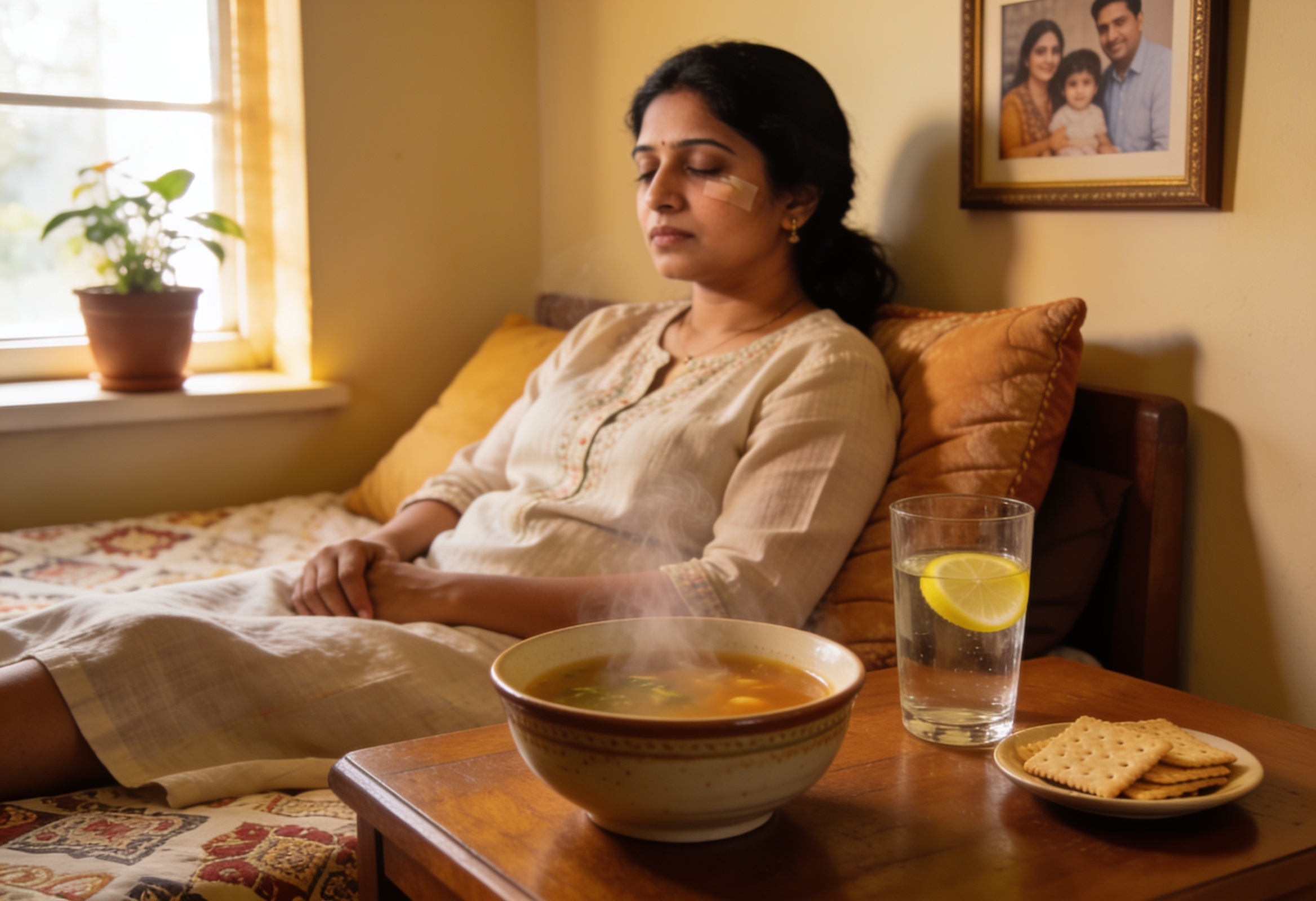
When a person has a fever, certain steps can support recovery and help reduce discomfort:
1. Cold or Tepid Water Sponging
Sponging with lukewarm or cold water can help lower body temperature. Dip a clean cloth in water, squeeze out the excess, and gently place it on the forehead. Repeat as needed.
Tip: Avoid ice-cold water, as it can trigger shivering and raise body temperature. Tepid water is gentler and effective.
2. Take a Shower with Normal or Cool Water
A shower with moderately cool water helps bring down a fever and relieve fatigue.
Tip: Avoid freezing showers; moderate temperatures are safest.
3. Check Your Temperature Accurately
Use a thermometer rather than guessing by touch, which can be inaccurate. Track readings twice a day.
4. Stay Hydrated and Rest
Fever raises your body temperature significantly. As your fever rises and later breaks, your body loses fluid through sweating – which can lead to dehydration if you’re not replacing it. Drink water, herbal teas, broth, soups, or electrolyte drinks. Even if your appetite is low, consume small, light meals for energy.
A fever means your body is working hard to fight off illness – so let it rest. Cut back on physical activity and workouts, and aim for at least seven hours of sleep, since exertion can push your temperature even higher.
5. Wear Light, Breathable Clothing
Loose cotton garments allow better air circulation and reduce sweating. Heavy clothing can trap heat and worsen a fever.
What NOT to Do When You Have a Fever

Knowing what to avoid is just as important as knowing what to do:
1. Don’t Bundle Up Excessively
Thick blankets and heavy clothing trap heat and raise the temperature. Only use a light blanket if shivering.
2. Don’t Starve Yourself
Skipping meals deprives the body of energy needed to fight infection. Eat light, nutritious foods.
3. Don’t Take Antibiotics Without a Prescription
Antibiotics are ineffective against viral fevers, and misuse can cause resistance and side effects.
4. Avoid Excessive Self-Medication
Not all fevers need medication. Mild fevers can often be managed with rest and fluids.
5. Don’t Perform Strenuous Activities
Avoid exercise or heavy chores, which stress the body further during a fever.
Practical Tips and Home Remedies
- Ginger Tea: Improves immunity and eases throat irritation.
- Honey and Lemon: Soothes cough and provides antioxidants.
- Warm Soups: Provide fluids, electrolytes, and nutrition without taxing digestion.
- Cool Compresses: Placing a damp cloth on the forehead or armpits can slightly reduce temperature.
Tip: Avoid caffeine and alcohol, as they may worsen dehydration. Mild herbal teas are preferable.
When to See a Doctor

Most fevers settle on their own, but some need medical attention.
In Case of Children:
- Call a doctor if your baby is under 3 months and has a rectal temperature of 100.4°F or higher.
- For babies 3 to 24 months, seek care if a fever crosses 101°F and they seem unusually cranky, drowsy, or unwell.
- For older children, see a doctor if a fever lasts more than 3 days, doesn’t respond to medicine, or comes with vomiting, rash, or low energy.
For a complete home-care checklist, see 10 Things You Should Follow If Your Child Has Fever.
In Case of Adults:
- Consult a doctor if a fever reaches 100.4°F (38°C) and either doesn’t respond to medication or lasts more than 3 days.
- If the fever is accompanied by a severe headache, stiff neck, chest pain, repeated vomiting, or seizures.
Tips to Support Faster Recovery
- Balanced Nutrition: Eat light, healthy foods.
- Stay Calm and Comfortable: Reduce stress with gentle activities like reading or listening to soothing music.
- Maintain Hygiene: Wash your hands regularly to prevent the spread of infections.
- Monitor Symptoms: Keep a diary of temperature and other symptoms for medical reference if needed.
Conclusion
Fever is a natural defense mechanism, and mild fever is generally not dangerous. Following simple dos and don’ts, staying hydrated, resting, dressing lightly, and avoiding unnecessary medications helps your body recover comfortably. Always consult a doctor if the fever is high, persistent, or accompanied by severe symptoms. With proper care, most fevers resolve in a few days, leaving you refreshed and back to your normal routine.
FAQs
What are the common fever symptoms?
Fever itself is a symptom, but it usually comes with other signs that show your body is fighting an infection. Common fever symptoms include a body temperature above 100.4°F, chills, sweating, headache, muscle aches, fatigue, loss of appetite, and dehydration. In infants and young children, fever may also cause fussiness, poor feeding, and unusual sleepiness. If any of these symptoms feel severe or the fever crosses 104°F (40°C), seek medical attention promptly.
Tip: Fever symptoms vary from person to person, so tracking your temperature alongside other signs gives a clearer picture of your condition.
What should I not do when I have a fever?
Do not bundle up excessively, starve yourself, self-medicate unnecessarily, or perform strenuous activities. Avoid taking antibiotics unless prescribed by a doctor.
How do I do cold sponging for adults during a fever?
Dip a clean cloth or sponge in lukewarm or cool water, squeeze out excess water, and gently apply it to the forehead, armpits, and neck. Repeat every 20–30 minutes until the fever reduces.
Which medicine is best for fever?
Paracetamol (acetaminophen) and ibuprofen are the most commonly used OTC medicines for fever. Both help lower temperature and ease discomfort, but always stick to the dose mentioned on the label or advised by your doctor.
Can I give aspirin to a child for fever?
No. Aspirin should never be given to children, as it can lead to Reye’s syndrome, a rare but serious condition affecting the liver and brain. Paracetamol is a safer choice for kids.
Is it safe to take fever medicine repeatedly in a day?
Only if you follow the recommended dosage and timing. Taking more than advised can cause stomach bleeding, liver damage, or kidney problems. Note down the time of each dose to avoid overdosing within 24 hours.
Can I take a bath if I have a fever?
Yes, a lukewarm or cool bath is safe. Avoid hot or freezing water. Bathing helps maintain hygiene and can provide comfort during a fever.
References:
1. InformedHealth.org [Internet]. Cologne, Germany: Institute for Quality and Efficiency in Health Care (IQWiG); 2006-. Fever in children: Learn More – How is fever treated in children? [Updated 2026 Jan 21]. Available from: https://www.ncbi.nlm.nih.gov/books/NBK279453/
2. Balli S, Shumway KR, Sharan S. Physiology, Fever. [Updated 2023 Sep 4]. In: StatPearls [Internet]. Treasure Island (FL): StatPearls Publishing; 2026 Jan-. Available from: https://www.ncbi.nlm.nih.gov/books/NBK562334/
3. InformedHealth.org [Internet]. Cologne, Germany: Institute for Quality and Efficiency in Health Care (IQWiG); 2006-. Overview: Fever in children. [Updated 2026 Jan 21]. Available from: https://www.ncbi.nlm.nih.gov/books/NBK279455/
4. Food and Drug Administration. The best way to take your over-the-counter pain reliever? Seriously. (Four Panel Brochure) [Internet]. Silver Spring (MD): U.S. Food and Drug Administration; [cited 2026 Jul 1]. Available from: https://www.fda.gov/drugs/safe-use-over-counter-pain-relievers-and-fever-reducers/best-way-take-your-over-counter-pain-reliever-seriously-four-panel-brochure
5. National Heart, Lung, and Blood Institute. How sleep works: How much sleep is enough? [Internet]. Bethesda (MD): National Heart, Lung, and Blood Institute; 2022 Mar 24 [cited 2026 Jul 1]. Available from: https://www.nhlbi.nih.gov/health/sleep/how-much-sleep
(The article is written by Nancy Dixit, Associate Manager, Clinical Health & Content, Medical Affairs, and reviewed by Monalisa Deka, Deputy Manager, Clinical Health & Content, Medical Affairs)
Recommended Reads:
Non-Prescription Painkillers Banned Amidst Vector-Borne Disease Outbreak
The Science Of Rest: How Many Hours You Need For Quality Sleep?