
Chikungunya knocks you down fast. One day you’re fine, and the next you can barely climb the stairs because your knees and wrists feel like rusty hinges. That’s the nature of this mosquito-borne fever, and it’s exactly why a smart chikungunya recovery plan matters so much.
However, here’s the good news. Most people start feeling better within a week or two. The fever fades, the headache lifts, and you slowly regain your energy. That said, the joint pain can stick around longer than the fever does, and what you do in these early days can shape how fast you bounce back. This guide walks you through 7 doctor-recommended tips for recovery from chikungunya.
What Happens During Chikungunya Recovery?
Before we get to the dos and don’ts, it helps to know what your body is going through. Chikungunya usually shows up as sudden high fever, severe joint pain, and sometimes a rash. The acute phase typically lasts about a week.
Meanwhile, the joint pain is a different story. For many people, it eases up alongside the fever. For others, it lingers for weeks or even months. Doctors call this post-chikungunya arthritis, and it’s one of the most frustrating parts of recovering from this illness.
Even so, this doesn’t mean you’re stuck. With the right approach, you can ease the pain, protect your joints, and get back to your normal routine without making things worse.
According to Dr Syeda Aafia, Medical Content Expert at Tata 1mg, “Recovery from chikungunya is often gradual. Consistent lifestyle measures such as proper sleep, staying hydrated, eating well, and avoiding overexertion can support the body’s healing process and help manage lingering symptoms.”
7 Doctor-Recommended Tips to Get Back on Your Feet Faster
1. Do Prioritise Deep Sleep, Don’t Treat It as Optional
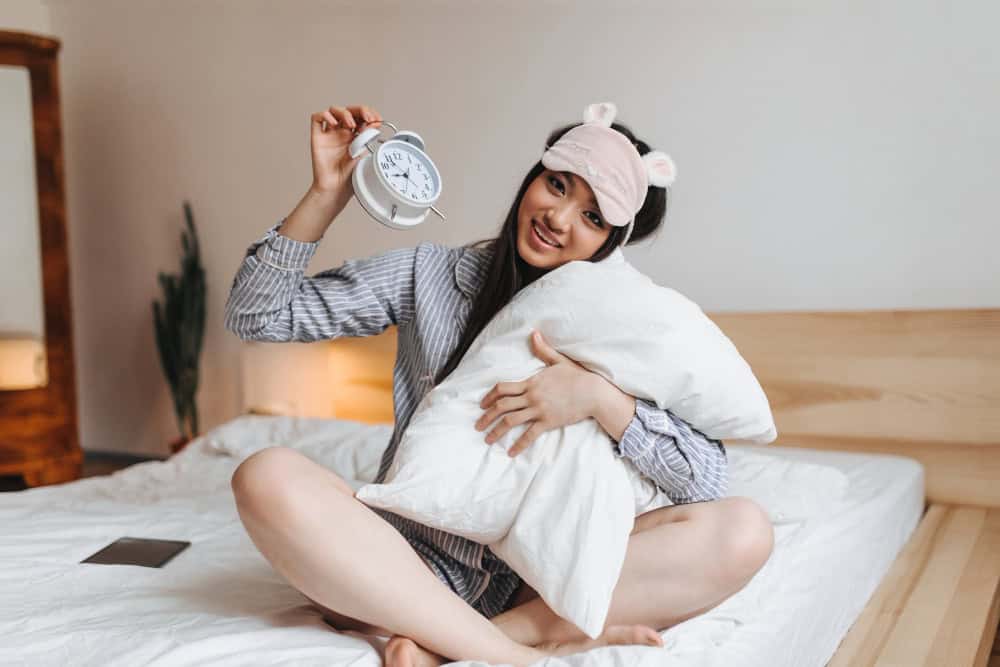
Sleep isn’t just rest. It’s when your body actually does its repair work. Deep sleep gives your body time to heal and regulate inflammation, which is especially important while you’re recovering from chikungunya.
Aim for 7 to 8 hours a night, and don’t cut back on sleep even if you think you’re feeling better. A dark, quiet, and cool room can help improve sleep quality and make it easier to fall asleep.
Additionally, put your phone down at least 30 minutes before bed. Blue light tricks your brain into staying alert, which works against the deep sleep your body is trying to get into. Avoid binge-watching shows before bedtime and stick to something calming, like a book or soft music, in the hour before you sleep.
Want to understand how much sleep your body really needs? Read our guide:
The Science of Rest: How Many Hours You Need for Quality Sleep?
2. Do Stay Hydrated, Don’t Skip Fluids Even If You’re Not Thirsty
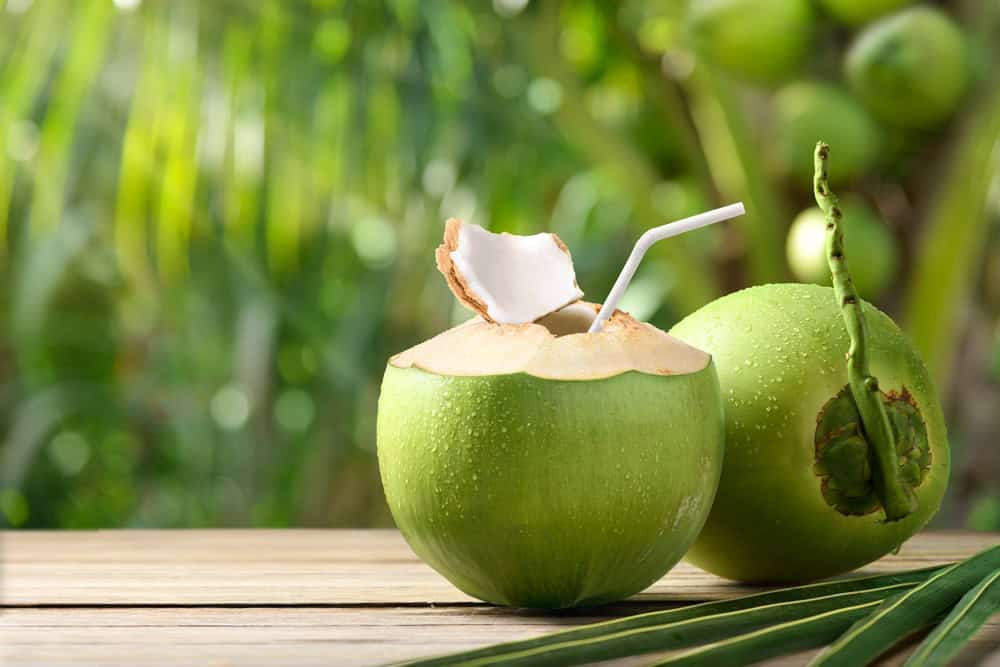
Fever and inflammation pull water out of your body faster than you’d expect. Plus, if you’re skipping meals because you feel nauseous, dehydration sneaks up even quicker.
Instead, sipping water, coconut water, or ORS throughout the day helps replace fluids lost during fever and supports normal body functions during recovery. Soups and dal water work well too, especially if solid food feels like too much effort.
Even better, some people find that herbal teas with ginger or tulsi may help soothe the throat and ease mild nausea.
Read more about electrolyte drinks that doctors often recommend for better hydration.
3. Do Take the Right Medicine, Don’t Reach for Just Any Painkiller

This is where a lot of people go wrong during chikungunya recovery. Joint pain makes you want instant relief, so it’s tempting to grab whatever painkiller is in the house.
However, doctors usually recommend paracetamol first, especially in the early days. That’s because chikungunya symptoms look a lot like dengue, and certain painkillers like aspirin, ibuprofen, or other NSAIDs can be risky if it turns out to be dengue instead, since they raise the risk of bleeding.
Once dengue has been ruled out, often with blood tests done during the first 5 days of illness, your doctor may recommend NSAIDs or other medications if joint pain remains severe. Self-medicating with leftover painkillers from your last headache isn’t worth the risk.
4. Do Eat Light and Nutritious, Don’t Force Heavy Meals
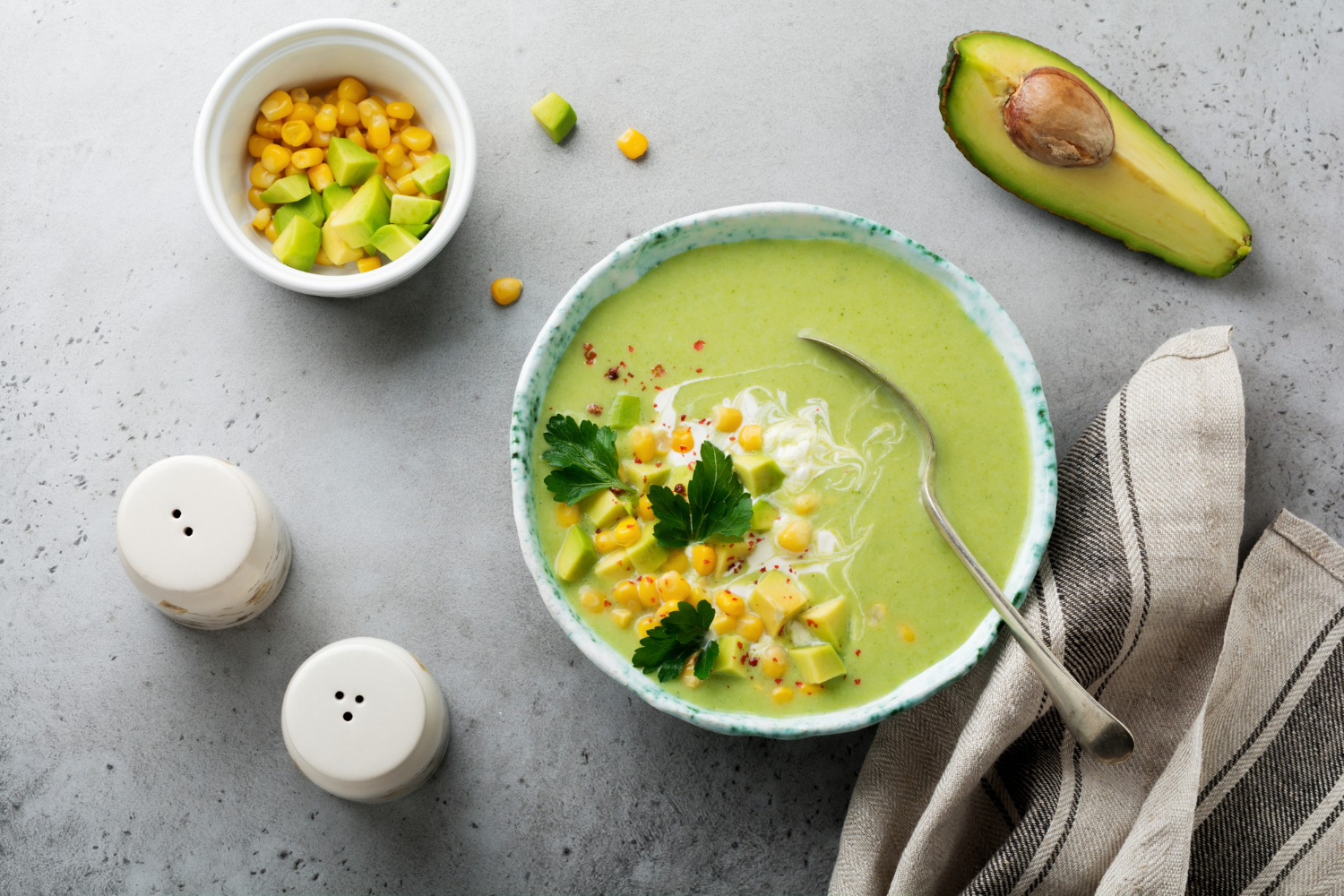
Your appetite usually takes a hit during the fever phase, and that’s normal. Forcing down a heavy thali when your stomach isn’t ready can actually make nausea worse.
Instead, go for light, protein-rich, and easy-to-digest foods. Moong dal khichdi, vegetable soups, boiled eggs, and fruits like papaya and pomegranate give your body what it needs without overworking your digestion.
Additionally, foods rich in vitamin C, like amla, oranges, and guava, support overall immune function during recovery.
5. Do Ease Into Movement, Don’t Jump Back Into Exercise Too Soon

Once the fever’s gone, you might feel ready to resume your usual walk or workout. Slow down for a moment.
Going too hard, too fast, can actually worsen joint inflammation and set your recovery back. Many doctors suggest waiting until the acute symptoms fully settle before resuming any real exercise.
Meanwhile, gentle stretching, light walking, or gentle yoga asanas are a safer starting point. These keep your joints mobile without putting too much load on them while they’re still healing.
6. Step outside briefly once your fever has resolved

Once you’re past the worst of the fever, step outside for a bit. Morning sunlight may be a simple way to support overall well-being during recovery.
Short periods of morning sunlight may help support vitamin D production, although the amount of sun needed varies from person to person. In addition, exposure to natural daylight helps regulate the body’s internal clock and may promote better sleep and overall well-being during recovery.
Plus, morning sunlight has a side benefit: it helps regulate your body clock, which makes it easier to fall asleep at night. That ties directly back into point one. Better sunlight exposure during the day may also improve sleep, and good sleep can support the body’s recovery process.
7. Be Patient and Stay Consistent, Don’t Expect Overnight Results

This is where most people slip up. Chikungunya recovery just takes time, and there’s no shortcut around that. The good news is that small, steady habits, done day after day, really do add up.
So aim for small wins. Maybe that’s a slightly longer walk than yesterday, one more night of solid sleep, or sticking to your stretches even when you’d rather skip them. Consistency and discipline will get you further than any miracle remedy ever will.
That said, don’t mistake these habits for a replacement for medical care. Sleep, stress management, gentle movement, and good food are there to support your treatment, not stand in for it. If the pain isn’t letting up after a few weeks, or something new starts showing up, call your doctor instead of just waiting it out.
When to See a Doctor During Chikungunya Recovery?
Most cases of chikungunya clear up on their own, no complications, no drama. That said, a few warning signs mean it’s time to stop waiting it out. If you’re dealing with severe stomach pain, vomiting that won’t quit, bleeding from your nose or gums, trouble breathing, or confusion, get to a doctor right away.
It’s also worth being extra careful if you’re pregnant, caring for a newborn, managing diabetes or a heart condition, or simply older. Chikungunya tends to hit these groups harder, so don’t brush off symptoms that might seem mild in anyone else.
FAQs
How long does chikungunya recovery usually take?
Honestly, most people start feeling like themselves again within 1 to 2 weeks. The fever and rash usually go first. However, joint pain can last longer and may take weeks or even months to improve.
Can chikungunya joint pain come back after it goes away?
It can, unfortunately. Some people report flare-ups weeks or even months later, though the reasons and triggers can differ between individuals.
Is it safe to take ibuprofen during chikungunya recovery?
Not right away. Stick to paracetamol in the early days. Ibuprofen and other NSAIDs can be risky until your doctor’s ruled out dengue, since they raise bleeding risk.
Can I go back to work while still recovering from chikungunya?
Once the fever’s gone and you’re feeling more like yourself, light work is usually fine. That said, if your job keeps you on your feet or involves physical strain, take it slow and ease back in rather than diving straight back in.
Does diet really make a difference in chikungunya recovery?
It really does. Light, nutrient-rich meals give your immune system a hand and go easy on digestion, while heavy, oily food just adds extra work for a body that’s already busy healing.
Why does chikungunya cause such severe joint pain?
The virus sets off inflammation in your joint tissue, and for some people, the immune system stays in overdrive even after the infection has resolved. That’s what causes the pain to linger.
Should I use heat or cold for chikungunya joint pain?
Some people find that warm baths or Epsom salt baths may help ease muscle stiffness and provide temporary comfort. Cold compresses, on the other hand, are usually recommended when a joint is swollen or inflamed.
How often can I take an Epsom salt bath during chikungunya recovery?
Once a day is plenty. Soak the sore area in warm water with about two cups of Epsom salt for 15 to 20 minutes, and skip it if your skin starts feeling dry or irritated.
References:
1. Delgado-Enciso I, Paz-Michel B, Melnikov V, Guzman-Esquivel J, Espinoza-Gomez F, Soriano-Hernandez AD, Montes-Galindo DA. Smoking and female sex as key risk factors associated with severe arthralgia in acute and chronic phases of Chikungunya virus infection. Exp Ther Med. 2018 Mar;15(3):2634-2642.Available from: https://pmc.ncbi.nlm.nih.gov/articles/PMC5792796/
2. Team Luke. Team Luke’s 101 guide to chikungunya relief [Internet]. 2024 [cited 2026 Jun 23]. Available from: https://www.lukecoutinho.com/wp-content/uploads/2024/12/Team-Luke_s-101-Guide-to-Chikungunya-Relief.pdf
3. Centers for Disease Control and Prevention. Symptoms, diagnosis, and treatment of chikungunya [Internet]. Atlanta (GA): CDC; [cited 2026 Jun 23]. Available from: https://www.cdc.gov/chikungunya/symptoms-diagnosis-treatment/index.html
4. World Health Organization. Chikungunya [Internet]. Geneva: World Health Organization; 2025 [cited 2026 Jun 23]. Available from: https://www.who.int/news-room/fact-sheets/detail/chikungunya
5. Millsapps EM, Underwood EC, Barr KL. Development and Application of Treatment for Chikungunya Fever. Res Rep Trop Med. 2022 Dec 16;13:55-66. doi: 10.2147/RRTM.S370046. PMID: 36561535; PMCID: PMC9767026. Available from: https://pmc.ncbi.nlm.nih.gov/articles/PMC9767026/
The article is written by Nancy Dixit, Associate Manager, Clinical Health & Content, Medical Affairs, and reviewed by Monalisa Deka, Deputy Manager, Clinical Health & Content, Medical Affairs)
Recommended Reads:
8 Signs Your Joint Pain is Chikungunya – Not Just Monsoon Aches
Chikungunya vs Dengue: How To Tell the Difference This Mosquito Season