
Monsoon is here – and so are the mosquitoes. With the rains come waterlogging, stagnant puddles, and the perfect breeding ground for disease-carrying mosquitoes. Every year, thousands of people across India come down with fever during this season and ask the same question: is it dengue or chikungunya?In 2024–25 alone, India recorded over 1.2 lakh dengue cases and nearly 6 in 10 monsoon fever patients in central India tested positive for chikungunya – and the numbers keep rising every year [1],[2].
Both diseases share similar symptoms – high fever, body ache, fatigue. Both spread through the same mosquito. And both arrive at the same time every year. That confusion isn’t your fault. Even doctors need tests to tell them apart. This blog breaks down chikungunya vs dengue clearly – what each one is, how to spot the key differences, and exactly when you need to see a doctor.
What Are Mosquito-Borne Diseases? And How Do Chikungunya vs Dengue Spread?
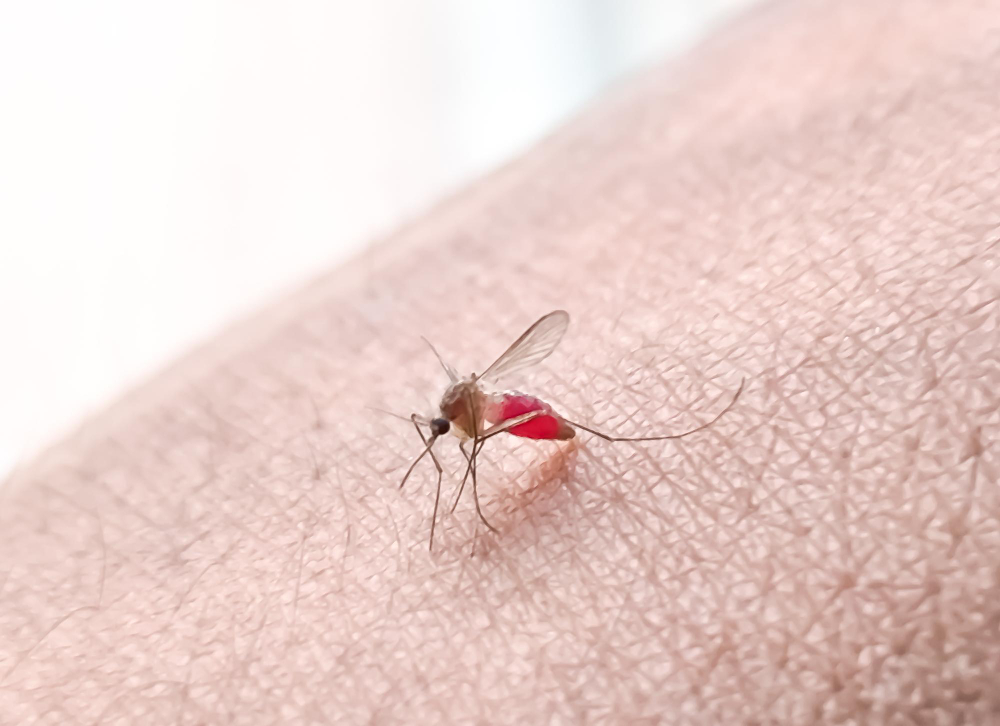
Mosquito-borne diseases are illnesses caused by viruses or parasites that mosquitoes carry and pass to humans through their bites. Both chikungunya and dengue spread through the bite of the Aedes aegypti and Aedes albopictus mosquitoes – the same two species. These mosquitoes are daytime biters, most active in the early morning and late afternoon.
They breed in clean, stagnant water – flower pots, coolers, tyres, water storage containers. Monsoon season creates ideal conditions for them to multiply rapidly. One bite from an infected mosquito is all it takes. Importantly, neither dengue nor chikungunya spreads from person to person – only through mosquito bites.
Chikungunya vs Dengue: Understanding Each Disease
What Is Chikungunya?
Chikungunya is a viral illness caused by the chikungunya virus (CHIKV). The name comes from a word in the Makonde language meaning “to become contorted” – which describes the bent posture people adopt due to severe joint pain. That joint pain is what makes chikungunya stand out from other fevers.
Symptoms of Chikungunya

Symptoms typically appear 4 to 8 days after a mosquito bite (range 2–12 days) after the bite of an infected mosquito. The disease comes on suddenly and most people who get infected do develop symptoms. The key symptoms include:
- High fever – usually above 39°C (102°F), with a sudden onset
- Severe joint pain (polyarthralgia) – this is the most distinctive feature. The joint pain is usually bilateral (both sides), symmetric, and can be debilitating
- Muscle pain and headache
- Skin rash – a flat, red, blotchy rash that typically appears 2 to 5 days after fever
- Conjunctivitis (red eyes)
- Nausea and fatigue
That said, the joint pain in chikungunya is genuinely severe – far more pronounced than in dengue. It can affect the hands, wrists, ankles, and feet simultaneously, making it difficult to walk or even hold objects.
What Is Dengue?
Dengue is a viral infection caused by the dengue virus (DENV), transmitted through the bite of infected Aedes mosquitoes.There are four closely related dengue virus types (DENV-1, 2, 3, and 4).
This matters because infection with one type gives you lifelong protection against that specific type – but only temporary protection against the others. You can get dengue up to four times in your life.
Symptoms of Dengue

Symptoms usually appear 4-10 days after being bitten by an infected mosquito. Some people may not develop any symptoms or illness, but around 1 in 4 people with dengue may get sick. Symptoms include:
- High fever of 40°C (104°F)
- Headache and eye pain, typically behind the eyes
- Muscle, bone, or joint pain
- Nausea
- Swollen glands
- Rash
Watch for these warning signs of severe dengue
These appear a day or two after the fever resolves and cause:
- Severe stomach pain
- Persistent vomiting that continues after the fever breaks (at least 3 times in 24 hours)
- Bleeding from gums, nose, or in urine, stools, or vomit
- Fatigue, irritability, or restlessness
If any of these warning signs appear, go to a hospital immediately. Severe dengue can be fatal without prompt treatment.
How Are Chikungunya and Dengue Diagnosed?

Both chikungunya and dengue need a blood test to confirm – there’s no way to tell them apart just by looking at symptoms. The tests your doctor orders will depend on how many days you’ve had fever.
For chikungunya:
- RT-PCR test: This picks up the chikungunya virus directly in your blood. It works best in the first week, when the virus is most active.
- IgM/IgG antibody tests: These check whether your body has started making antibodies against the virus – useful for confirming recent or past infection.
For dengue:
- NS1 antigen test: Catches dengue early – within the first 1–7 days of symptoms – by detecting proteins the virus releases into your blood.
- Dengue RT-PCR test: Looks for the virus’s genetic material. Highly accurate in the early days of illness.
- IgG antibody test: Shows whether you’ve had dengue before. IgG levels start rising around Day 4–5 and can stay elevated for months or even years.
- IgM antibody test: Detects antibodies your body produces in response to a current infection – these usually show up about 4–5 days after symptoms start.
- Complete blood count (CBC): Tracks your platelet and white blood cell counts. In dengue, platelets tend to drop – and monitoring this helps your doctor catch complications early.
Prevention: Chikungunya and Dengue

Since both diseases spread through the same mosquito, one set of precautions covers both.
- Use a repellent with DEET, picaridin, or oil of lemon eucalyptus
- Cover up during early morning and late afternoon – that’s when these mosquitoes are most active
- Use mosquito nets, especially for young children, older adults, or anyone who’s already unwell
- Fit mesh screens on windows and doors, particularly around dusk and dawn
- Empty and refresh flower pot water at least once a week
- Keep all water storage containers tightly covered
- Check regularly for standing water in plant trays, buckets, and drains – that’s where Aedes mosquitoes breed
Read Here to Know More About– Doctor-Recommended Mosquito Protection Tips To Stay Safe from Dengue This Monsoon
How Are Chikungunya and Dengue Treated?
There’s no specific antiviral drug for either disease. Treatment is about keeping you comfortable, keeping you hydrated, and watching closely for any signs of things getting worse.
For Both: Dengue and Chikungunya
- Paracetamol (acetaminophen): The only safe painkiller for both conditions. Stick to this.
- Avoid ibuprofen, aspirin, and NSAIDs: Until dengue is ruled out by a blood test, these medications can increase bleeding risk in dengue. Once dengue is excluded and chikungunya is confirmed, your doctor may consider NSAIDs or other anti-inflammatory medications to help manage severe joint pain.
- Rest and fluids: Water, ORS, coconut water, clear soups – keep drinking. Dehydration makes both conditions worse.
- Watch the calendar: Days 3–7 are the window when dengue can turn serious. Monitor symptoms carefully during this period.
Note: Do not self-medicate and always follow your doctor’s advice.
Not all painkillers are suitable during mosquito-borne infections. Learn more in our Quick Byte: Why You Should Use Painkillers With Caution in Chikungunya?You Should Use Painkillers With Caution In Chikungunya?
For Dengue:
- Get your platelet count checked regularly
- If warning signs appear – persistent vomiting, bleeding, severe stomach pain, or confusion – go to a hospital. Don’t wait.
- Severe dengue always needs hospital care. It can’t be managed at home.
For Chikungunya
- The joint pain can stick around for weeks or months even after the fever is gone. Physiotherapy, under a qualified physiotherapist, can help with recovery in stubborn cases.
- Most people do recover fully at home with rest, fluids, and paracetamol.
When to See a Doctor Immediately
Please don’t try to ride either of these out at home. Get to a doctor if you notice:
- Fever above 38.5°C for more than 2 days
- Joint pain so bad it’s affecting your movement
- Any bleeding – from gums, nose, in your urine, stools, or skin spots
- Vomiting that won’t stop
- Severe stomach pain
- Confusion, extreme tiredness, or restlessness
These are signs that something serious may be developing – and with dengue especially, acting fast can make all the difference.
Know the Difference. Get Tested Early.
Chikungunya vs dengue might look the same at first – but they behave very differently as the illness progresses. Dengue carries a real risk of life-threatening complications. Chikungunya can leave you with months of joint pain. Neither should be ignored or self-treated based on guesswork.
If you or anyone at home develops fever this monsoon season, get tested early. Don’t wait for symptoms to worsen. A timely test tells you exactly what you’re dealing with – and gives your doctor the information they need to treat you correctly.
FAQs
What is the main difference between chikungunya and dengue?
The most distinctive difference is joint pain. Chikungunya causes severe, debilitating pain in multiple joints simultaneously. Dengue causes muscle and bone pain but is more likely to cause bleeding signs, low platelet count, and – in serious cases – internal bleeding and shock.
Can you have chikungunya and dengue at the same time?
Yes. Both viruses are transmitted by the same mosquitoes and can co-infect the same person simultaneously. Co-infection has been documented and makes diagnosis and management more complex – which is why blood tests are essential. If co-infection is suspected or confirmed, hospital-based monitoring is advisable rather than home management.
How long does chikungunya joint pain last?
Most acute symptoms of chikungunya resolve within 7 to 10 days. However, joint pain can persist for months or even years in some patients – a condition known as post-chikungunya arthralgia (long-term joint pain following chikungunya infection). This is one of the most significant long-term effects of the disease.
Is dengue more dangerous than chikungunya?
Generally, yes. Dengue carries a risk of progressing to severe dengue – which can involve significant internal bleeding, shock, and death if not treated promptly. Chikungunya is rarely fatal but causes prolonged and debilitating joint pain. Both require medical attention.
Is there any vaccine for dengue in India?
A dengue vaccine called Dengvaxia exists, but it’s not approved or available in India. Even where it is available, it’s only recommended for people who’ve already had dengue once — giving it to someone who’s never had dengue can actually increase the risk of severe dengue or dengue haemorrhagic fever (a dangerous form that can cause internal bleeding). For now, India relies on mosquito control and early treatment as the main line of defence against dengue.
Is there a vaccine for Chikungunya in India?
No, there is currently no vaccine to prevent or anti-viral medicine to treat chikungunya virus infection.Many countries, including the US and Europe, have approved vaccines, but India does not yet have them ready for regular use. Additionally, there is no special antiviral treatment for chikungunya, and the main goal of care is to control the symptoms.
How do dengue and chikungunya mosquitoes look different from ordinary mosquitoes?
The Aedes mosquito is small and easy to spot once you know what to look for — it has a distinctive black body with white stripes on its abdomen and legs. This striped pattern is why it’s commonly called the tiger mosquito. So if you spot a small, striped black-and-white mosquito at home, don’t ignore it.
References:
1. Centers for Disease Control and Prevention. Symptoms of dengue and testing [Internet]. Atlanta (GA): CDC; [cited 2026 Jun 16]. Available from:https://www.cdc.gov/dengue/signs-symptoms/
2. Centers for Disease Control and Prevention. Clinical testing guidance for dengue [Internet]. Atlanta (GA): CDC; [cited 2026 Jun 16]. Available from:https://www.cdc.gov/dengue/hcp/diagnosis-testing/index.html
3. Centers for Disease Control and Prevention. Clinical signs and symptoms of chikungunya virus disease [Internet]. Atlanta (GA): CDC; [cited 2026 Jun 16]. Available from:https://www.cdc.gov/chikungunya/hcp/clinical-signs/
4. Centers for Disease Control and Prevention. Dengue and chikungunya: emerging arboviral diseases in the Americas [Internet]. Atlanta (GA): CDC; 2015 [cited 2026 Jun 16]. Available from:https://archive.cdc.gov/www_cdc_gov/grand-rounds/pp/2015/20150519-pdf-dengue-chikungunya-508.pdf
5. Dengue and severe dengue [Internet]. Geneva: WHO; 2025 [cited 2026 Jun 16]. Available from:https://www.who.int/news-room/fact-sheets/detail/dengue-and-severe-dengue
6. World Health Organization (WHO). Chikungunya [Internet]. Geneva: WHO; 2025 [cited 2026 Jun 16]. Available from: https://www.who.int/news-room/fact-sheets/detail/chikungunya
(The article is written by Nancy Dixit, Associate Manager, Clinical Health & Content, Medical Affairs, and reviewed by Monalisa Deka, Deputy Manager, Clinical Health & Content, Medical Affairs)