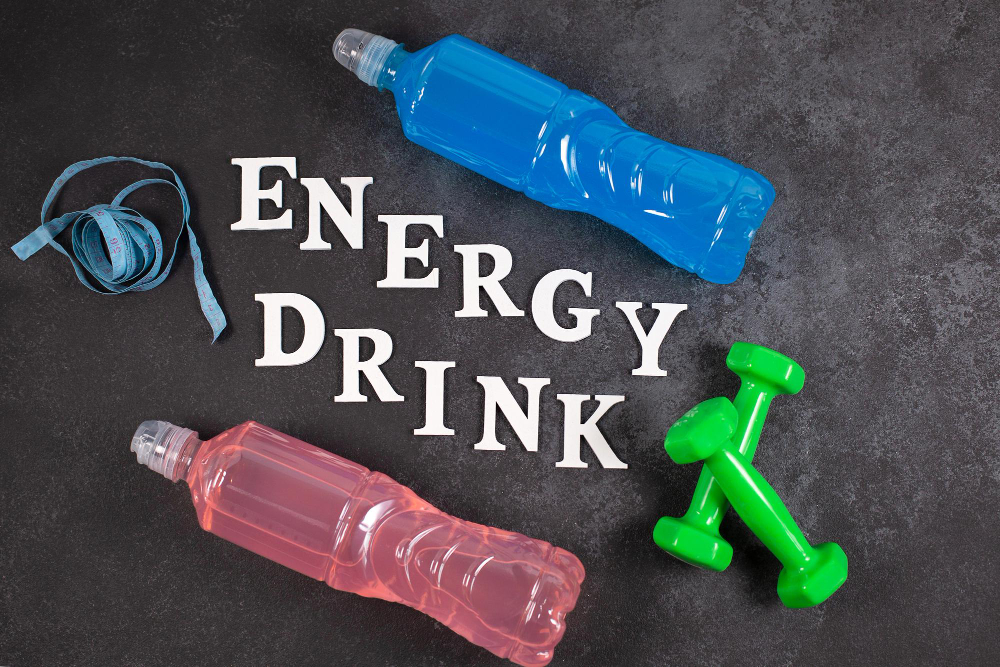
You’ve probably heard the word “electrolytes” a lot, especially in summer or after a workout. But what does it really mean for you? In simple terms, electrolytes are minerals like sodium, potassium, and magnesium. Your body needs them to keep fluids balanced, support muscles, and keep your heart working smoothly.
When you sweat, fall sick, or feel drained, you don’t just lose water. You lose these minerals, too. That’s why plain water sometimes isn’t enough. This is where electrolyte drinks come in.
Let’s talk about eight doctor-recommended options that are easy, effective, and often already sitting in your kitchen.
1. Coconut Water
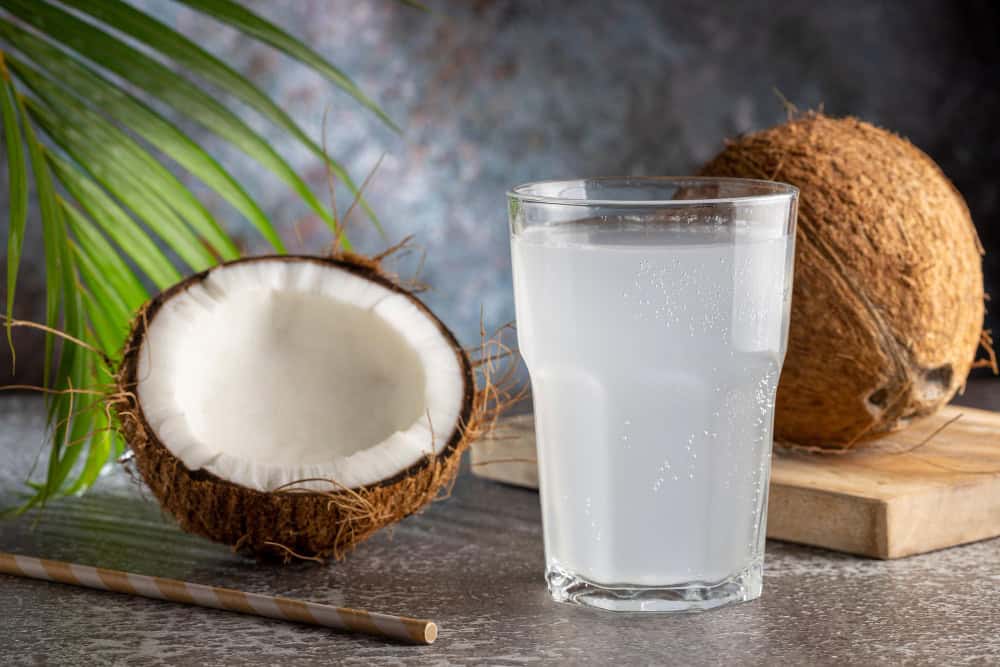 If you want something natural, coconut water is hard to beat. It’s light, refreshing, and rich in potassium. Doctors often suggest it for mild dehydration, especially during heat or after exercise. It doesn’t feel heavy on the stomach, which is a big plus when you’re not feeling your best. Just make sure you pick plain, unsweetened coconut water.
2. Lemon Water with Salt and Sugar
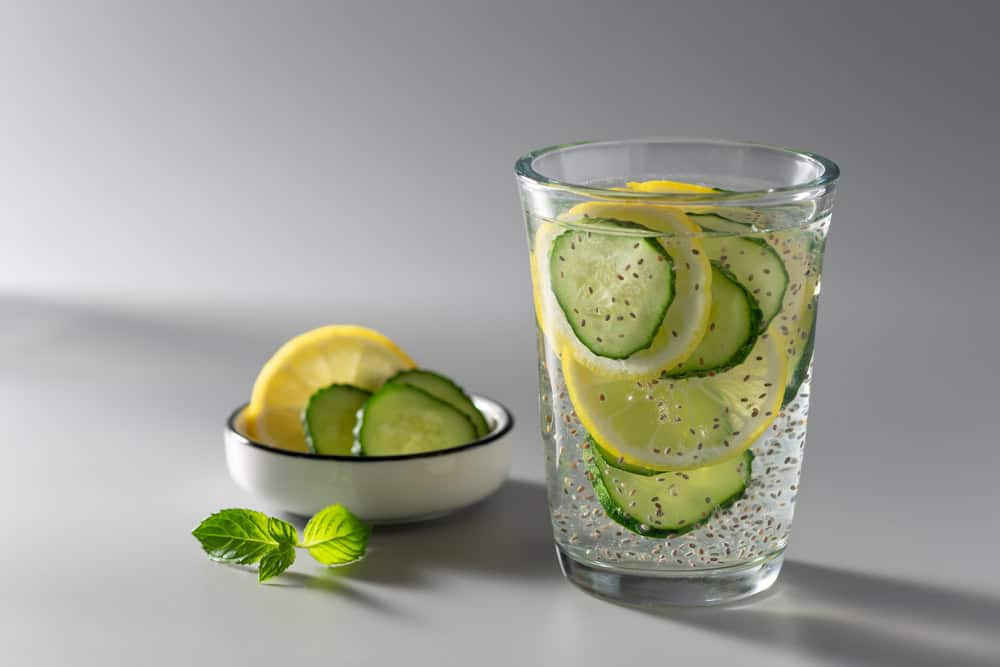
This is your homemade ORS-style drink. You just mix water with a pinch of salt, a little sugar, and fresh lemon juice. It works well because it replaces both fluids and electrolytes. But here’s something most people don’t know. The sugar isn’t just for taste. It actually helps your body absorb sodium and water better in the small intestine through a mechanism called the SGLT1 transporter. That’s why this simple drink works so well. It’s cheap, quick, and effective. Plus, the lemon adds a fresh taste that makes it easier to sip.
3. Oral Rehydration Solution (ORS)
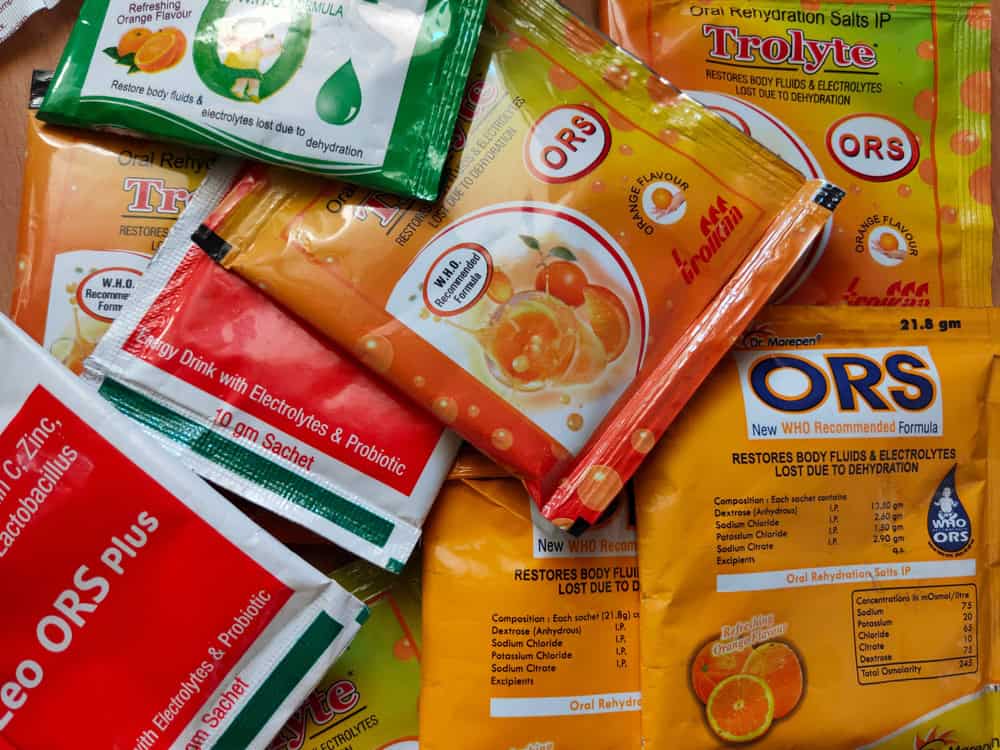 ORS is one of the most trusted options. It’s widely used for dehydration caused by diarrhea, vomiting, or fever. Doctors rely on it because it has the right balance of glucose and salts. The WHO-formula ORS is considered the gold standard for rehydration. Just mix the packet with clean drinking water and follow the instructions carefully. A small but important tip: don’t boil the water after adding the ORS powder. Heat can disturb the balance of salts and reduce their effectiveness. It may not taste exciting, but it works fast and safely.
4. Buttermilk (Chaas)
 Chaas is a classic Indian drink that does more than cool you down. It contains potassium, calcium, and a bit of sodium. It also supports digestion. What makes it even better is that it’s a natural probiotic. This means it helps restore good bacteria in your gut, which can be especially helpful if dehydration is caused by a stomach infection. Doctors often suggest it during hot weather or after meals. Add a pinch of salt and roasted cumin for better taste and extra hydration support.
5. Watermelon Juice
 Watermelon is mostly water, but it also contains electrolytes like potassium. Fresh watermelon juice can help you stay hydrated, especially in summer. It’s gentle on the stomach and naturally sweet, so you don’t need added sugar. Doctors like it as a light option for everyday hydration.
6. Sports Drinks (In Moderation)
 Sports drinks can help after intense workouts or heavy sweating. They contain sodium and sugar, which help your body absorb fluids faster. But here’s the catch. They also contain added sugars and sometimes artificial ingredients. Doctors usually suggest using them only when needed, not as your daily drink.
7. Banana Smoothie
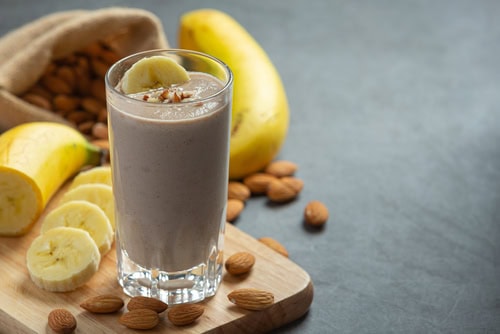 Bananas are rich in potassium, which helps prevent muscle cramps and weakness. A simple banana smoothie made with milk or curd can act as a mild electrolyte drink. It’s also filling, so it works well when you need energy along with hydration. Doctors often recommend bananas during recovery from illness or after exercise.
8. Vegetable Juice with a Pinch of Salt

Fresh vegetable juices like tomato or carrot juice can support hydration too. Add a pinch of salt, and you increase the sodium content slightly, which helps fluid balance. These juices also give you vitamins and minerals. Doctors like them as a healthier alternative to packaged drinks.
A Doctor’s Take: You Shouldn’t Ignore
According to Dr. Sarthak Chakravarty, Medical Specialist at Tata 1mg, Gurugram, many people misunderstand what their body is asking for. He often sees patients who feel tired, foggy, or low on energy and assume they need caffeine or food.
But that’s not always true.
In his experience, thirst often shows up as fatigue or even hunger. Before you reach for tea or coffee during that afternoon slump, try a glass of coconut water or salted buttermilk. You might be surprised how quickly you feel better. What many people call “brain fog” is often just mild dehydration in disguise.
His advice is simple. Keep it natural. Don’t overcomplicate hydration. And listen to your body more closely.
Why Electrolytes Matter More Than You Think
You may not notice it right away, but even mild dehydration can make you feel tired, dizzy, or irritable. If it gets worse, you may get headaches, muscle cramps, or low energy.
Electrolytes help your body hold on to water. They also support nerve signals and muscle movement. That’s why you feel weak or shaky when your electrolyte levels drop.
You don’t always need fancy drinks. In fact, many doctor-recommended options are simple and homemade. What matters is balance. Too few electrolytes can make you feel drained. Too much, especially from sugary drinks, can do more harm than good.
When Should You Take Electrolyte Drinks?
You don’t need them all the time. Plain water works fine for daily hydration. But there are times when your body needs extra support.
If you’re sweating a lot due to heat or exercise, electrolyte drinks can help. If you have diarrhea, vomiting, or fever, they become even more important. They help you recover faster and feel stable.
Even during long travel or fasting, your body may need a little help. That’s when a simple drink like coconut water or lemon water can make a difference.
A Small Tip You’ll Thank Yourself For
Don’t wait until you feel very thirsty. By then, your body is already a bit dehydrated. Sip fluids throughout the day. Keep it simple. Listen to your body.
And if you feel persistent weakness, dizziness, or signs of dehydration, it’s always better to check with a doctor.
At the end of the day, hydration isn’t complicated. You don’t need fancy solutions. You just need to pay attention, choose wisely, and keep your body well-supported.
FAQs
- Can I drink electrolyte drinks every day?
You can, but it depends on the type. Natural options like coconut water or buttermilk are fine in moderation. Packaged sports drinks should not be taken daily due to added sugar. - Which is the best electrolyte drink for summer?
Coconut water, lemon water with salt, and buttermilk are great choices. They are light, natural, and easy on the body. - Is ORS safe for regular use?
ORS is safe, but it’s mainly meant for dehydration due to illness. You don’t need it daily unless advised by a doctor. - Can electrolyte drinks help with fatigue?
Yes, if your fatigue is due to dehydration or mineral imbalance. They help restore fluid balance and improve energy levels. - Are electrolyte drinks good during a fever?
Yes, especially ORS or homemade lemon water. They help replace fluids lost due to sweating and keep you hydrated. - Can I give electrolyte drinks to kids?
Yes, but choose simple and safe options like ORS, coconut water, or diluted homemade drinks. Always follow proper quantities. - Do I need electrolyte drinks after a normal workout?
For light workouts, water is enough. For intense or long workouts, electrolyte drinks can help with recovery. - Are natural drinks better than packaged ones?
In most cases, yes. Natural drinks don’t have added sugar or artificial ingredients, so they are gentler on your body.
(The article is written by Mantasha, Sr. Executive, Clinical Health & Content, and reviewed by Monalisa Deka, Deputy Manager, Clinical Health & Content, Medical Affairs.)
Recommended Read:
6 Surprising Fish Oil Benefits for Skin
Top Health Benefits of Quinoa You Should Know