
The purpose of the food we eat goes beyond that of simply keeping our bodies going; it interacts with the microorganisms in our intestines and has an effect on the biological activity of the gut with regard to digestion, metabolism, and the immune response. The notion of ultra-processed food and gut health therefore began to attract a great deal of interest.
Ultra-processed food (UPF) is so widely eaten because it is easy to get, inexpensive, extremely tasty, and has a long shelf life. Examples of UPF include snacks, sweet drinks, chocolate, instant noodles, pre-cooked meals and certain kinds of processed meat.
Is gut health affected negatively by eating too many ultra-processed products? The evidence is building; however, it is not as simple as just saying that ultra-processed food is harmful for the gut.
What Is Ultra-processed Food?
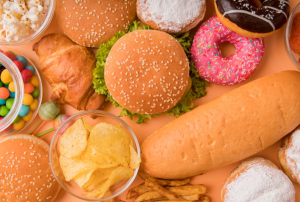
Not all processed food is ultra-processed. Processing a food can refer to basic processes such as washing, cutting, pasteurizing, freezing, or fermenting. These processes can maintain food safety, storage, and food convenience without much change in the food quality.
The NOVA system classifies food according to the extent of processing and food processing method. Ultra-processed foods are known to also contain ingredients and additives that are not available in home cooking, such as flavors, sweeteners, colorings, emulsifiers, and preservatives.[1]
The Indian Council of Medical Research – National Institute of Nutrition (ICMR-NIN) also separates minimally processed food from ultra-processed products. According to its dietary guidelines for Indians, ultra-processed foods are meals containing many additives and having very low amounts of micronutrients and fiber.[2]
This means that regular processed foods like pasteurized milk, frozen vegetables, and whole grain flour should not be categorized as ultra-processed foods.
How Do Ultra-processed Foods Impact The Digestive System?

When it comes to the relationship between ultra-processed foods and the digestive system, it is likely that a variety of factors are in play, as opposed to the idea that these foods contain only one major ingredient.
1. Less Fibre Content
Ultra-processed foods tend to contain refined ingredients, thus being low in natural dietary fibre. Dietary fibre is important as some forms reach the colon, allowing microbes found there to ferment them and generate compounds called short-chain fatty acids (SCFAs) such as acetate, propionate and butyrate.[3,4]
These metabolites help improve gut and metabolic functions. Eating less (fibre) while replacing unrefined foods with packaged low-fibre products may therefore lead to lower amounts of available substrates for beneficial microbes.
But fibre is a complicated matter. Different kinds of fibres lead to the formation of more or less different effects, and responses to their consumption vary from person to person. There is one systematic review of studies with humans concluding that dietary fibre does not affect gut microbiota and SCFA production the same way all the time.[5]
2. Food Additives Are Currently Being Examined
Some ultra-processed foods add characteristics that affect food quality, such as emulsifying agents, sweeteners, and stabilizers.
Studies also suggest that some additives can affect the gut microbiome. A 2024 article in Nature Reviews Gastroenterology & Hepatology reviewed evidence linking UPFs and certain additives to gut health, and stated that more research is urgently needed.[6]
The evidence does not uniformly apply to all food additives.
For example, a recently conducted placebo-controlled human study tested five types of dietary emulsifiers and reported some microbial changes and some short-chain fatty acid changes for certain emulsifiers. However, the study was unable to identify any differences in some inflammatory markers or permeability levels by the end of the study.[7]
Due to this inconsistency, it is premature to make a conclusion about the impact of all kinds of additives on digestive health.
3. UPFs Can Alter The Entire Dietary Pattern
Another thing to bear in mind is what UPFs take the place of. A diet characterized by processed snacks, sugary drinks, refined grains, and convenience meals will likely have a lower intake of more healthful plant foods like fresh vegetables, fruits, beans or lentils, nuts, seeds, and unrefined grains. Such foods provide the consumer with fiber and a myriad of other beneficial compounds influencing gut bacteria.
Thus, the impact of processed food products on gut health could be determined not only by the nature of processing but by the diet in general.
What Is The Overall Evidence Showing?

Various major observational studies have shown consistent relationships between higher consumption of UPFs and various adverse health outcomes.
In 2024, an umbrella review published in the British Medical Journal examined 45 studies that included almost 9.9 million participants. High consumption of UPFs has been associated with negative health outcomes like cardiometabolic disorders, although the authors indicated that the evidence mostly originates from observational studies and the certainty of the evidence is wildly different for different outcomes. [8]
The evidence regarding the outcomes pertaining to the gut is less certain. 2024 review published in Nature Reviews Gastroenterology & Hepatology reports that the evidence of the association between high UPF diets and gastrointestinal disorders, such as inflammatory bowel disease, cancer of the colon, and irritable bowel syndrome, is increasing. However, the authors reported that the connection in terms of causality still needs to be explored. [6]
This distinction is very important. The association does not necessarily imply that UPFs are the cause of a specific gut disease. In addition to the higher consumption of UPFs, people consuming such products might differ in terms of physical activity, sleeping patterns, and socioeconomic status.
Does Avoiding All Processed Food Improve Gut Health?

Not necessarily.
Processed foods include a wide variety of products. For example, freezing vegetables, pasteurising milk, and fermenting yoghurt are types of processing. One has to realise that it is impossible to get rid of processed foods completely.
Instead, it is much better to reduce the consumption of highly processed items and eat a greater number of various minimally processed products instead.
For instance, the replacement of a packed sweet snack with nuts or fruit, or the choice of dal and vegetables instead of a ready-made meal, may lead to the intake of more fibre and to higher quality of the diet.
Which Gut Health Foods Should You Choose?
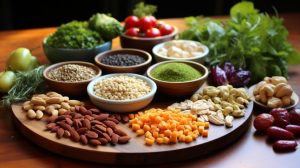
No food is better than the others when it comes to gut health. The best approach is to diversify the diet in order to consume different amounts of fibres and plant compounds of various kinds for the gut microbiome.
Some important gut health foods are as follows:
- Whole grains: Oats, brown rice, whole-wheat roti and millets
- Pulses: Dal, chickpeas, rajma and other beans
- Vegetables: Leafy greens, carrots, peas, gourds and cruciferous vegetables
- Fruits: Apples, bananas, guava, oranges and berries
- Nuts and seeds: Almonds, walnuts, flaxseeds and chia seeds
- Fermented foods: Yoghurt, curd and other traditionally fermented foods where appropriate
Increasing fibre gradually and drinking adequate fluids may also help reduce digestive discomfort when making dietary changes.
Can You Still Eat Ultra-processed Foods?

For many people, it may not be realistic or even necessary to give up ultra-processed foods altogether. A more sensible approach is to examine how often and how much ultra-processed food we eat and what those foods may be displacing.
For example, eating a packaged snack from time to time is different than eating packaged snacks and sugary drinks every day.
Check food labels, too. There are many products that are high in fiber and protein but low in added sugars, sodium, and saturated fat.
At the same time, it is important to realize that the presence of an unknown ingredient does not mean that the particular food is dangerous. Food additives are permitted; it is their effect on people that is important.
Summary

Research indicates that diets composed of high amounts of ultra-processed foods are linked to negative health outcomes, although more studies are being conducted to examine the correlation between UPFs and gut health. [6,8]
Nevertheless, there is no evidence to support the idea that all processed foods are unhealthy or that UPFs are damaging to gut health.
If people wish to enhance their gut health, they should concentrate on eating a healthy diet consisting of various sources of fibre. Eating fewer highly processed foods and more whole grains, legumes, fruits, and vegetables, with adequate quantities of nuts and seeds is likely to benefit gut health.
In summary, it is unnecessary to count calories and strictly adhere to some sort of perfect anti-UPF diet; rather, make room for a more diverse diet in general to improve gut health.
FAQs
Q. What does ultra-processed food mean?
Ultra-processed foods are manufactured through industrial processing and typically include many additives and ingredients not used in cooking.
Q. Are ultra-processed foods bad for gut health?
High consumption of UPF is associated with negative health outcomes, but more research is needed to evaluate the association between UPF intake and gut health.
Q. Are processed foods unhealthy?
Processing can also be beneficial; it can include freezing, pasteurizing, fermenting, and milling, among other methods.
Q. Do ultra-processed foods affect gut bacteria?
Much evidence points to several nutrients and additives found in UPFs that may alter gut microbiota and its activities; further research is still needed.
Q. What foods are beneficial for the gut?
Fruits, vegetables, whole grains, legumes, nuts, seeds, and certain fermented products possess fibers and other beneficial components of a healthy diet.
Q. Does dietary fiber contribute to the gut microbiome?
Indeed, different types of dietary fiber can be fermented in the gut, resulting in the production of short-chain fatty acids.
Q. Should I abstain from eating ultra-processed products completely?
It may not be necessary to avoid UPFs, so it is worth focusing on limiting the use of UPFs and increasing consumption of less-processed foods with high nutrient content.
Q. Are instant noodles ultra-processed food?
Many instant noodles fall into this category of food, which may contain refined ingredients, flavors, additives, and other industrial ingredients.
(The article is written by Deepa Sarkar, Senior Medical Writer, and reviewed by Monalisa Deka, Deputy Manager, Clinical Health & Content, Medical Affairs)
Recommended Reads
References
1.Monteiro CA, Cannon G, Levy RB, Moubarac JC, Louzada ML, Rauber F, et al. Ultra-processed foods: what they are and how to identify them. Public Health Nutr. 2019;22(5):936-41.
2.ICMR-National Institute of Nutrition. Dietary Guidelines for Indians 2024. Hyderabad: ICMR-NIN; 2024.
3.Zhang Y, et al. The regulatory roles of dietary fibers on host health via gut microbiota-derived short chain fatty acids. Front Nutr. 2021.
4. Rahman S, Trone K, Kelly C, Stroud A, Martindale R. All fiber is not fiber. Curr Gastroenterol Rep. 2023;25(1):1-12.
5. So D, Whelan K, Rossi M, Morrison M, Holtmann G, Kelly JT, et al. Dietary fiber intervention on gut microbiota composition in healthy adults: a systematic review and meta-analysis. Am J Clin Nutr. 2018;107(6):965-83.
6. Whelan K, Bancil AS, Lindsay JO, Chassaing B. Ultra-processed foods and food additives in gut health and disease. Nat Rev Gastroenterol Hepatol. 2024;21:406-27.
7. Effect of five dietary emulsifiers on inflammation, permeability, and the gut microbiome: a placebo-controlled randomized trial. Gastroenterology. 2025.
8. Lane MM, Gamage E, Du S, Ashtree DN, McGuinness AJ, Gauci S, et al. Ultra-processed food exposure and adverse health outcomes: umbrella review of epidemiological meta-analyses. BMJ. 2024;384.
9. Dai S, Wellens J, Yang N, Li D, Wang L, Yuan S, et al. Ultra-processed foods and human health: an umbrella review and updated meta-analyses of observational evidence. Clin Nutr. 2024;43(6):1386-94.