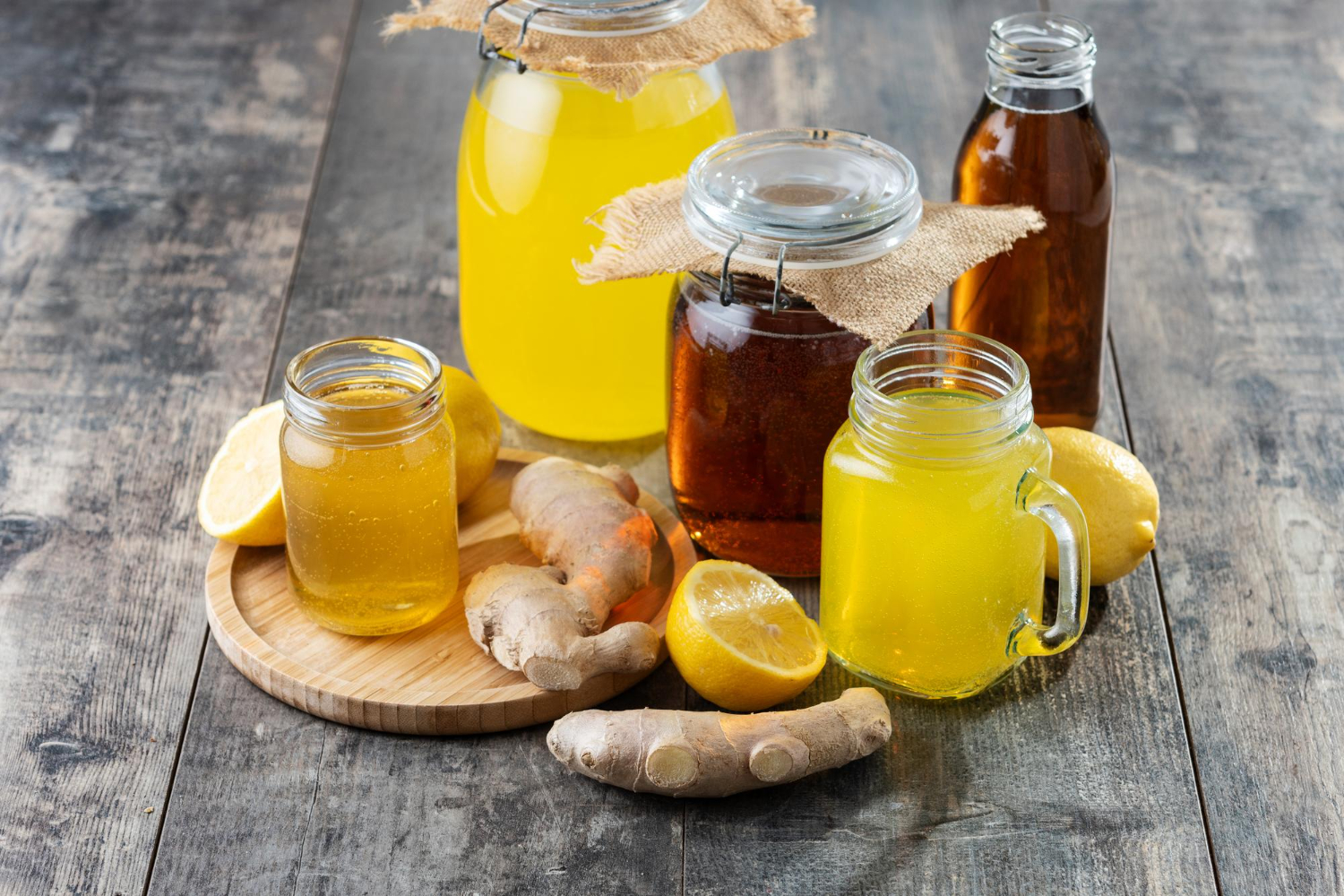
Undeniably, the summer heat not only drains your vitality but also silently ruins your digestion. Dehydration slows your gut down, acidity spikes, and that bloated, sluggish feeling becomes your new normal. The good news? Some of the most refreshing drinks you can have this season are also packed with probiotics – live bacteria that keep your gut healthy and your digestion smooth. So instead of reaching for a cold soda, try one of these probiotic drinks for summer and give your gut the love it actually needs.
Know Before You Sip:
Before we get into the list, here’s something worth knowing. You’ve probably seen the words probiotic, prebiotic, postbiotic, and synbiotic thrown around a lot lately , but what do they actually mean?
| Probiotic: These are the live bacteria that go into your gut, keep it healthy and help to build a strong immunity.
Prebiotic: These are the fibre and plant compounds that feed the good bacteria already in your gut. Postbiotic: These are health-boosting substances that good bacteria (probiotics) produce after digesting and breaking down the food and fibers (prebiotics) in your gut. Synbiotic: It is a mix of probiotics and prebiotics working together- you get the good bacteria and their food all at once. |
8 Best Probiotic Drinks for Summer Digestion
1. Buttermilk (Chaas) – India’s Ultimate Summer Cooler

Chaas is probably the oldest probiotic drink for summer in the Indian kitchen, and it earns that title every single year. Made by diluting fresh curd with water and spiced with roasted cumin, mint, and rock salt, it cools the stomach from the inside out. It is packed with gut-friendly lactic acid bacteria, and its natural antacid properties reduce post-meal acidity better than most remedies. Drink a glass after lunch and feel the difference.
2. Lassi – The Classic, Creamy, Gut-Friendly
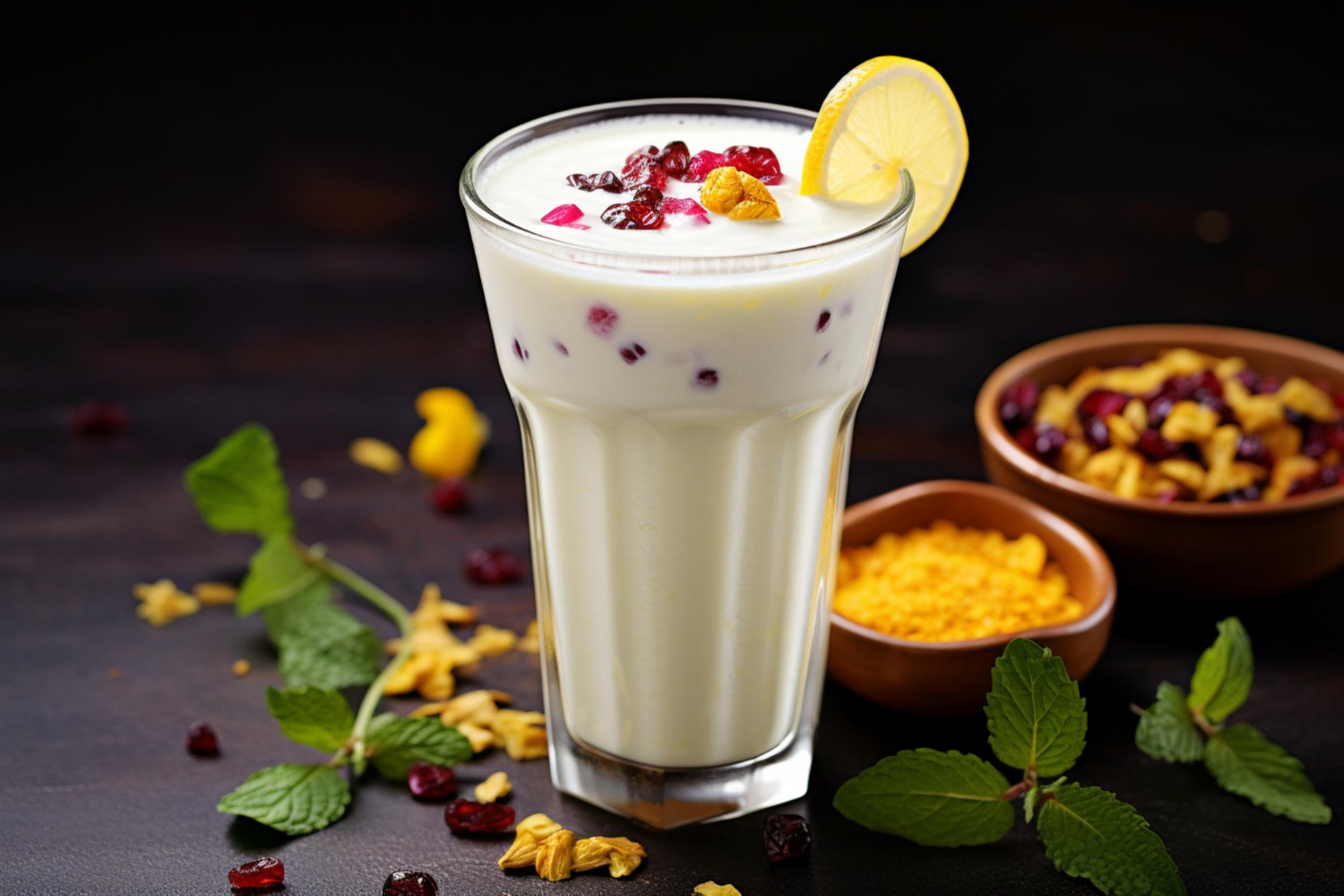
Lassi is basically a curd mixed with water or milk, and it contains the same good bacteria as chaas – just in a creamier, bit sweeter and more filling form. Additionally, it has high water content which makes it a great hydration drink in summers. The plain, salted version is better for digestion than the sweet one, which often carries added sugar. For a genuine probiotic boost, always make it at home from fresh curd, rather than buying packaged ones.
3. Kombucha – The Fizzy Fermented Tea
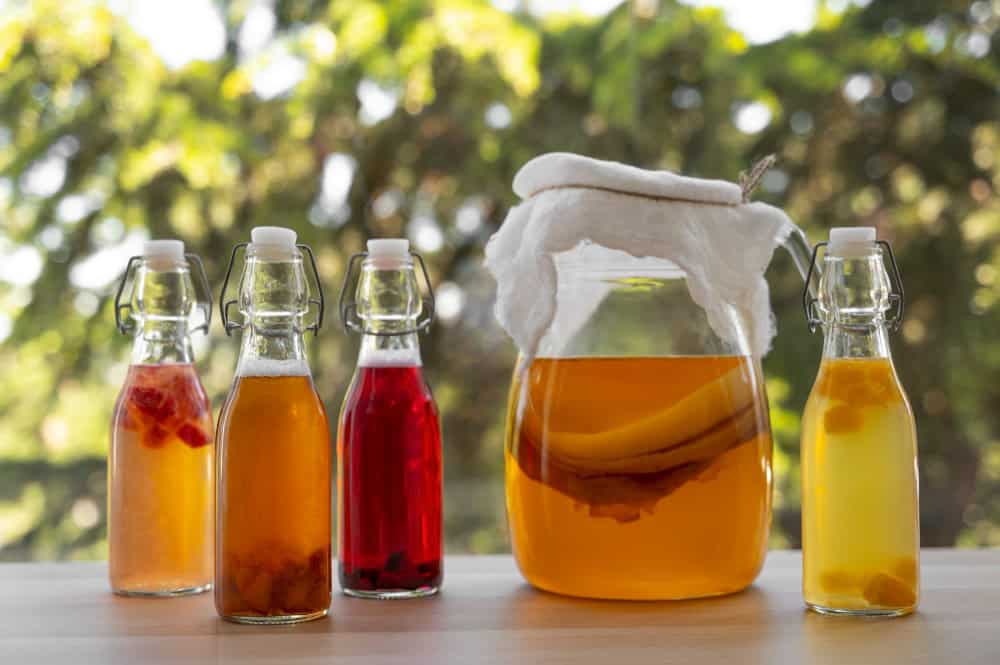
When it comes to probiotics drinks for the summer, kombucha is one of the most talked about options globally. It is a fermented tea, brewed with a culture of live bacteria and yeast to create a fizzy, tangy beverage full of organic acids and antioxidants. However, not all kombucha is equal – always choose unpasteurised versions carrying the label “live cultures” to actually get the gut benefit. Start with a small glass (100–150 ml) if you’re new to it, as some people experience temporary bloating at first.
4. Kefir – A Probiotic Powerhouse in a Glass
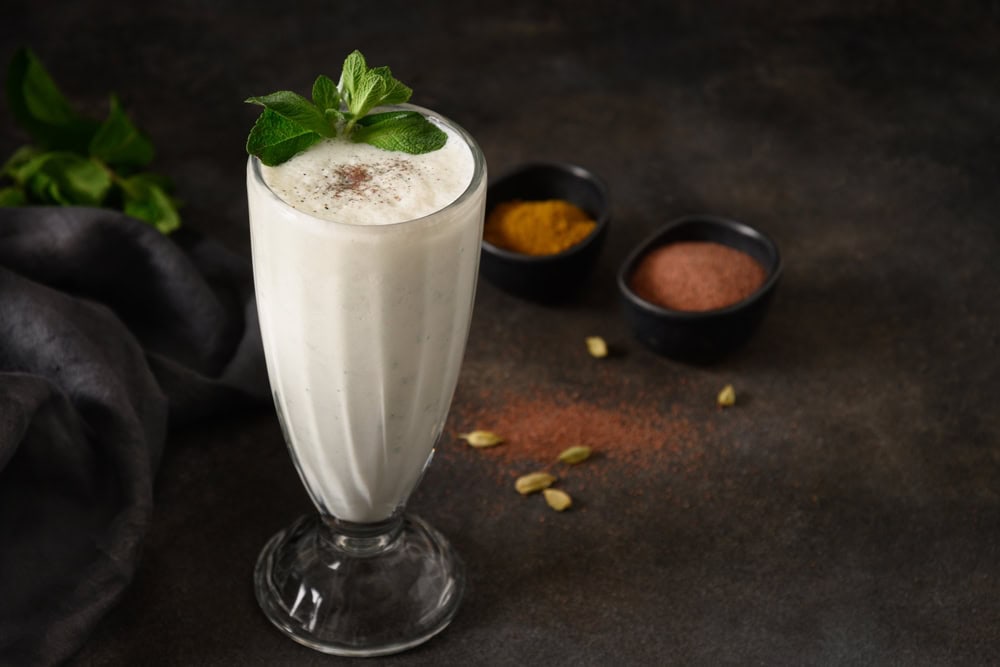
Kefir is a fermented milk drink, similar to a thin drinkable yoghurt, but with a much richer variety of probiotic strains than regular curd or chaas. For example, while curd typically contains 2–3 strains of bacteria, kefir can contain up to 30. It’s particularly useful if your gut needs serious rebuilding after illness, antibiotics, or a heavy bout of digestive issues. Meanwhile, if you’re lactose intolerant, water kefir – made without dairy – is a great summer alternative.
5. Coconut Water Kefir – Tropical and Gut-Friendly
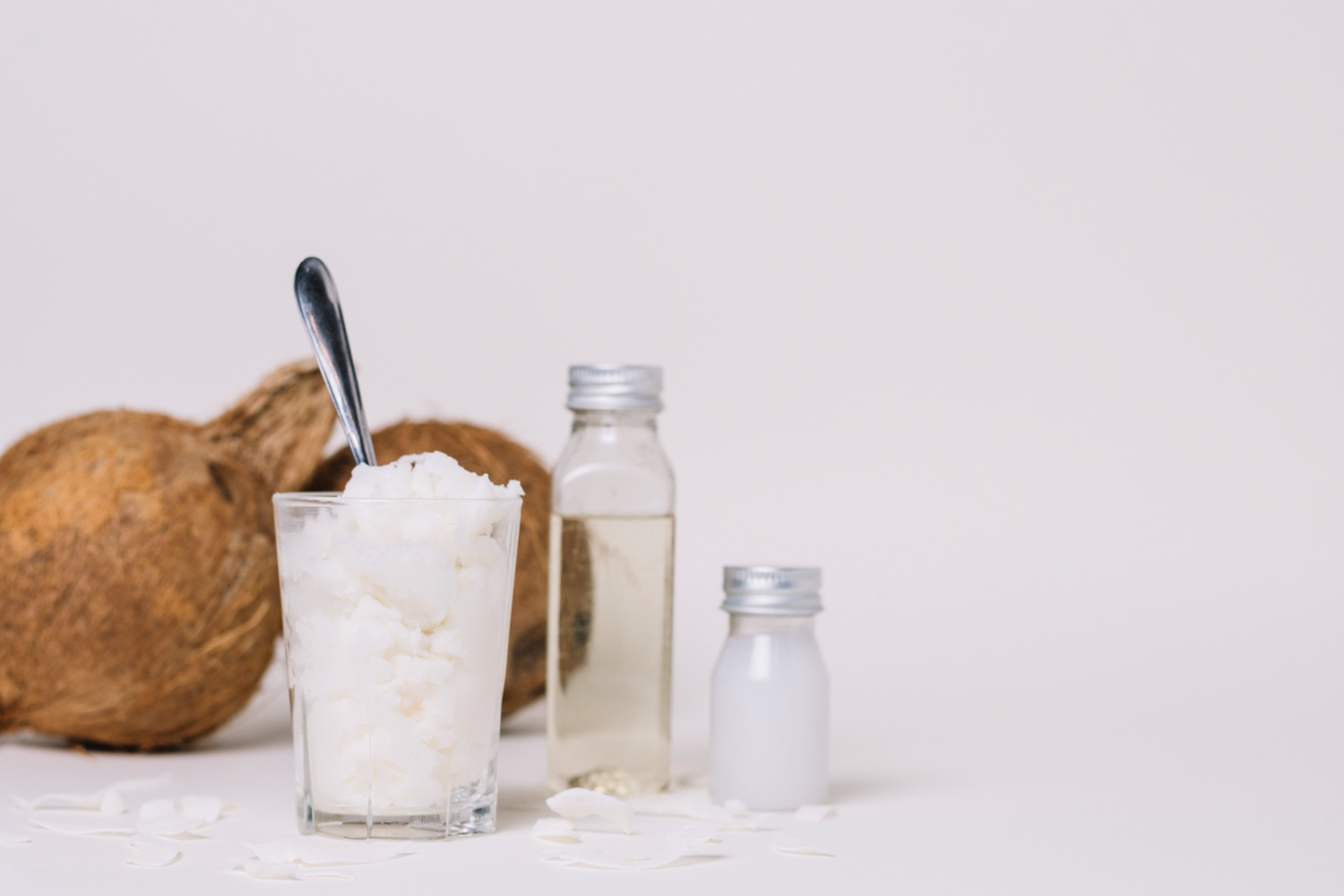
Coconut water kefir is exactly what it sounds like – coconut water fermented with kefir grains or probiotic cultures. In contrast to dairy-based drinks, it’s completely vegan and naturally packed with electrolytes, making it one of the most hydrating probiotic drinks for summer you can find. It’s light, mildly tangy, and particularly good for people who want gut support without any heaviness. In fact, you can find it in select health stores or make it at home with kefir starter cultures.
6. Kanji – North India’s Fermented Superfood Drink

Kanji is a traditional North Indian fermented drink made from black carrots (or red carrots and beetroot), mustard seeds, and water, left to ferment for 2–3 days. It’s tart, deep purple, completely dairy-free, and rich with natural probiotics from the wild fermentation process. Additionally, its high iron and antioxidant content from the carrots gives it a nutritional edge most modern probiotic drinks can’t match. Simply put, it’s an underrated gem that deserves far more attention in your summer routine.
7. Fermented Rice Water (Pakhala / Torani) – The Gut Drink From Eastern India
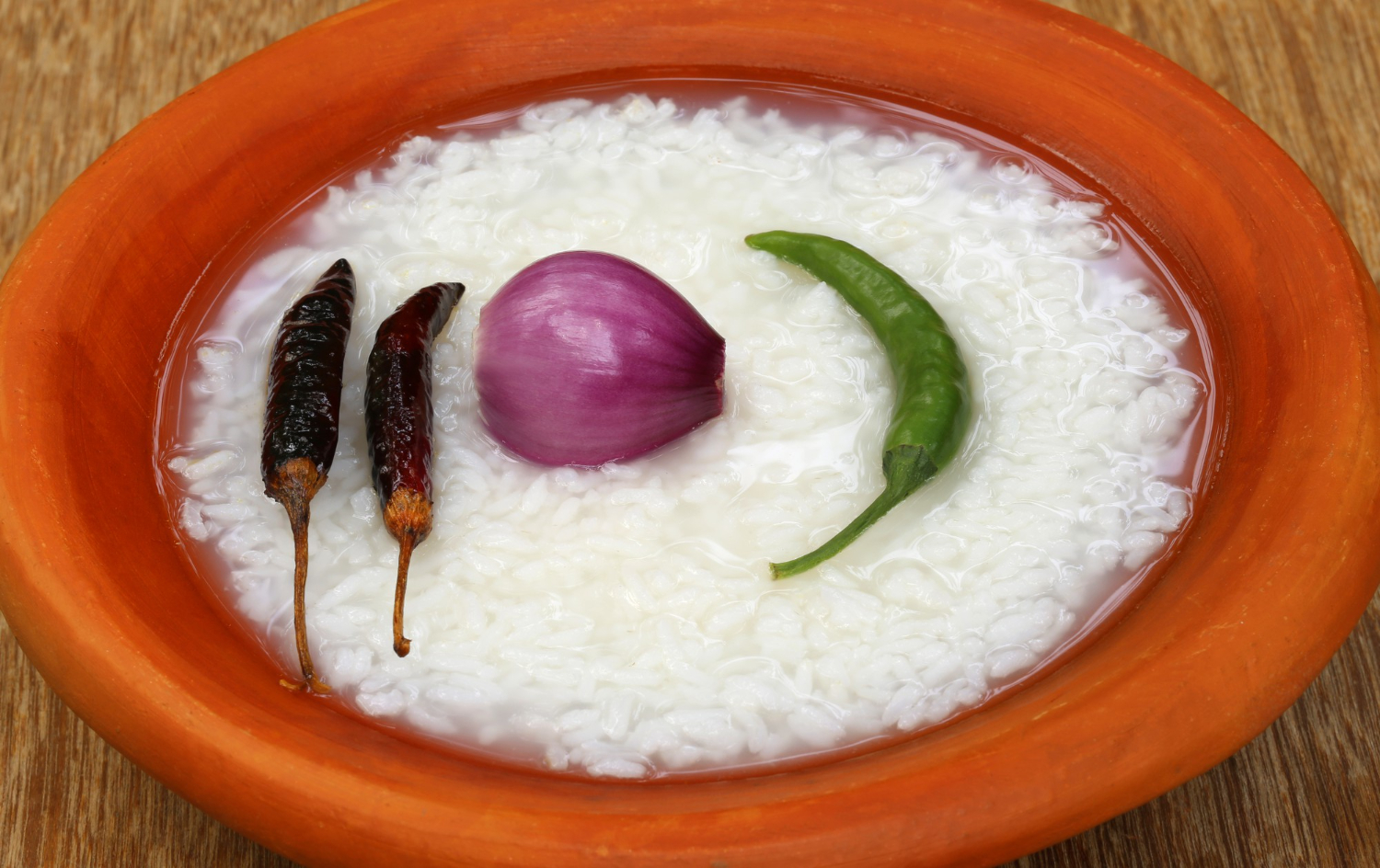
Pakhala is cooked rice soaked overnight in water and left to ferment naturally, consumed widely in Odisha, West Bengal and parts of South India. The overnight fermentation process produces lactic acid bacteria that support digestion and help cool the body in extreme heat.
In Odisha, for instance, eating pakhala with curd and mustard is one of the best natural remedies for summer stomach trouble. Plus, it carries B vitamins produced through fermentation that will help keep your energy levels up on hot days.
8. Probiotic Lemonade (Tepache-Style Fermented Citrus Water)
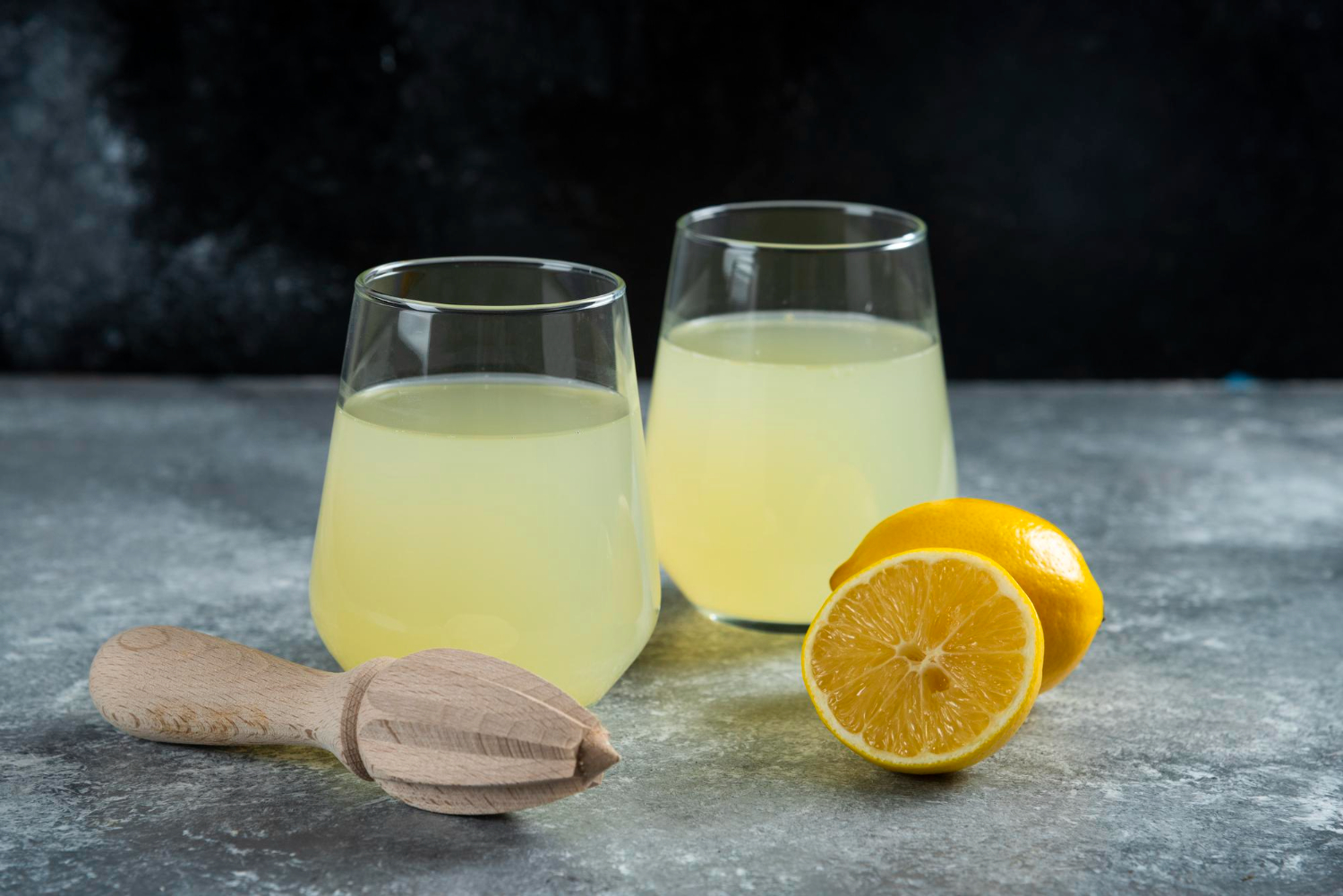
Probiotic lemonade is made by fermenting lemon juice with a little sugar and a probiotic starter (like whey or kefir water) for 24 to 48 hours. The result is a naturally fizzy, refreshing drink that’s tangy, light, and truly gut-friendly. But unlike commercial lemonades loaded with sugar and preservatives, this version uses the fermentation process to break down much of the sugar. This ultimately leaves you with a low-sugar, probiotic-rich summer drink that’s as good for your gut as it is for your taste buds.
Final Takeaway
Overall, the best probiotic drinks for summer are often the simplest ones. From a glass of cold chaas to a bottle of raw kombucha, each of these drinks supports your gut in its own way. Pick what works for your lifestyle, make it a daily habit, and let your gut do the rest this summer.
(The article is written by Nancy Dixit, Associate Manager, Clinical Health & Content, and reviewed by Monalisa Deka, Deputy Manager, Clinical Health & Content, Medical Affairs)
FAQs
Q1. Can I drink chaas on an empty stomach in summer?
A:It’s better after meals. On an empty stomach, the acidity of chaas may cause mild discomfort in people who are already prone to acid reflux.
Q2. Does boiling or heating destroy the probiotics in these drinks?
A: Yes – heat kills live bacteria. Always consume fermented drinks cold or at room temperature, never warmed up, to keep the probiotics alive and active.
Q3. How long does homemade kanji take to ferment, and how do I know it’s ready?
A: Kanji typically takes 2–3 days at room temperature. It’s ready when it tastes tangy and slightly sour – if it smells off or grows visible mould, discard it.
Q4. Is store-bought lassi or chaas as good as homemade for gut health?
A: Usually not. Most packaged versions are pasteurised, which kills the live cultures. Homemade chaas from fresh curd is always the better probiotic choice.
Q5. Can children drink kombucha in summer instead of cold drinks?
A: No – kombucha contains trace alcohol from fermentation and unpredictable live cultures. Instead, chaas, lassi, or coconut water are much safer and more appropriate for children.
Q6. If I’m on antibiotics, should I still drink probiotic drinks?
A: Yes – but space them at least 2 hours apart from your antibiotic dose. Afterall, antibiotics kill bacteria indiscriminately, so timing matters to get any benefit from the probiotics.
References:
1. Ciorba MA. A gastroenterologist’s guide to probiotics. Clin Gastroenterol Hepatol. 2012 Sep;10(9):960-8. Available from: https://pmc.ncbi.nlm.nih.gov/articles/PMC3424311/
2. Abdul Manan M. Progress in Probiotic Science: Prospects of Functional Probiotic-Based Foods and Beverages. Int J Food Sci. 2025 Apr 14;2025:5567567. doi: 10.1155/ijfo/5567567. PMID: 40259922; PMCID: PMC12011469.Available from: https://pmc.ncbi.nlm.nih.gov/articles/PMC12011469/
3. World Gastroenterology Organisation. Probiotics and prebiotics [Internet]. Milwaukee (WI): World Gastroenterology Organisation; 2023 Feb [cited 2026 Jun 1]. Available from: https://www.worldgastroenterology.org/guidelines/probiotics-and-prebiotics/probiotics-and-prebiotics-english
4. Harvard T.H. Chan School of Public Health. The microbiome [Internet]. Boston (MA): Harvard T.H. Chan School of Public Health; [cited 2026 Jun 1]. Available from: https://nutritionsource.hsph.harvard.edu/microbiome/
Recommended Reads:
From Chaach to Kombucha: 6 Fermented Drinks That Improve Your Gut Health Naturally
Kombucha vs. Buttermilk: Which is Better for Digestion in Summer?