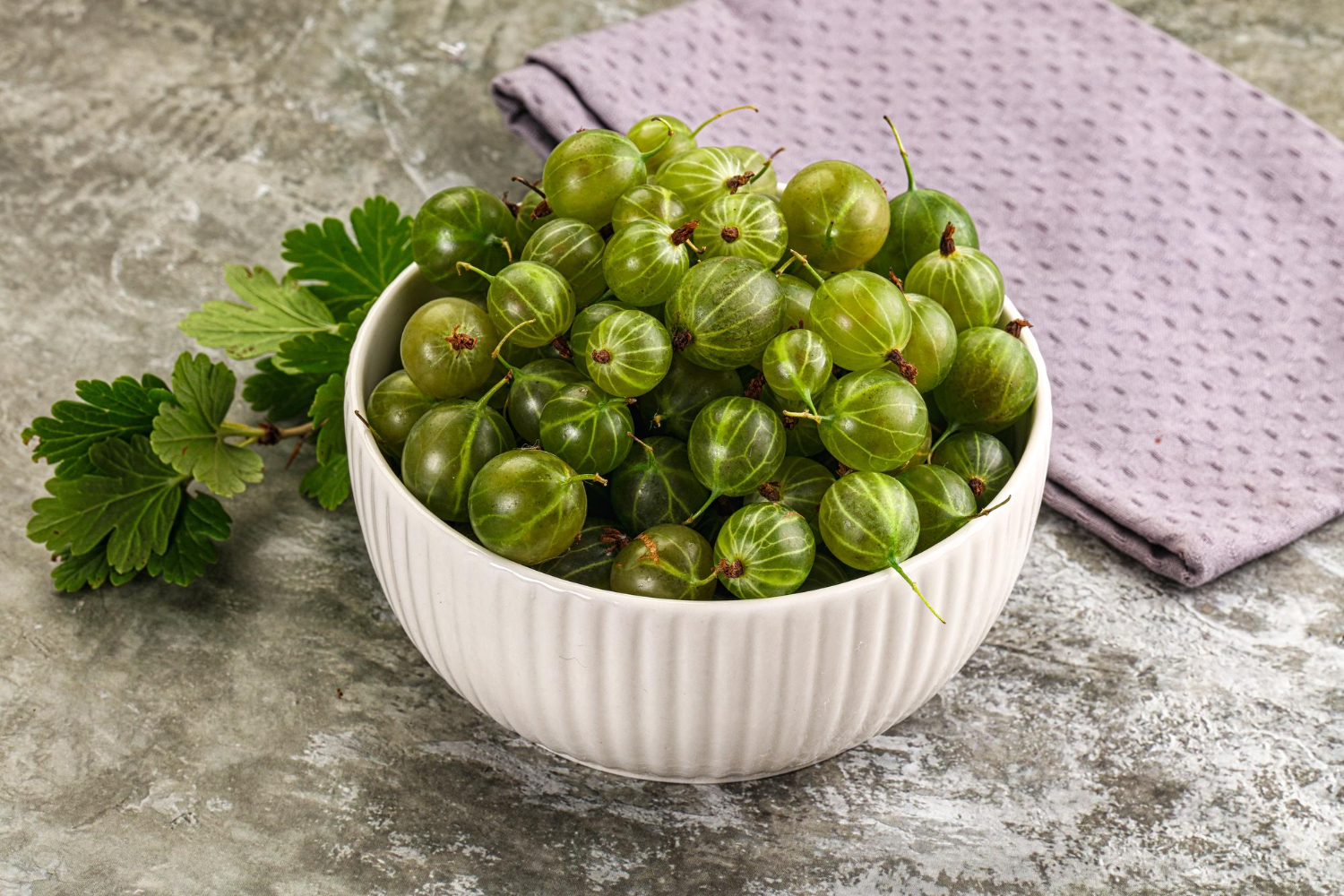
Amla, also known as Indian gooseberry, has been part of traditional Indian diets for generations. You may know it as the sour fruit your family recommends for better hair, stronger immunity, or healthier digestion. But there’s more to this small green fruit than its sharp taste.
Amla contains vitamin C, plant compounds called polyphenols, and other nutrients that may support your health [1]. Research has explored its possible effects on blood sugar, cholesterol, and inflammation, although more human studies are needed to confirm many of these benefits.
So, what does amla actually offer, and how can you add it to your daily diet?
1. Vitamin C: One of amla’s biggest strengths

Vitamin C is one of the best-known nutrients in amla. Your body needs it to make collagen, a protein that supports your skin, blood vessels, bones, and wound healing. It also helps your immune system function normally.
Another benefit is its role in iron absorption. Vitamin C helps your body absorb non-heme iron, the type found in plant foods such as lentils, beans, and leafy vegetables [2].
For example, adding amla to a meal that contains dal or green vegetables may help your body absorb more iron from the meal.
However, vitamin C content can vary with the fruit’s variety, storage, and processing. Fresh amla, juice, and dried products may not provide the same amount. If you’re choosing a packaged product, check its nutrition label rather than assuming it contains the same nutrients as fresh fruit.
2. Antioxidants that help protect your cells
Amla contains polyphenols and other plant compounds that have antioxidant activity. Antioxidants help protect cells from damage caused by free radicals, which are unstable molecules produced during normal body processes and exposure to environmental factors [1].
Your body already has its own antioxidant defense system. Eating fruits and vegetables provides compounds that can support a healthy diet.
Research on amla has found promising antioxidant effects [1]. However, laboratory findings don’t automatically mean that eating amla will prevent a particular disease. Scientists still need more high-quality human studies to understand the effects of regular amla consumption.
3. Could amla support heart health?

A small clinical study found that amla extract was associated with reductions in total cholesterol, LDL cholesterol, and triglycerides over 90 days [3]. However, the findings should be interpreted with caution, as the study was small and evaluated a specific extract. More rigorous research is needed to confirm these effects and establish their clinical significance. Amla should not be used as a substitute for prescribed cholesterol-lowering medicines.
If you have high cholesterol, you can include fresh amla in a balanced diet alongside other heart-friendly habits, such as eating enough fiber, staying active, and limiting excess saturated fat.
Think of amla as one part of your overall eating pattern, not a shortcut to better heart health.
4. What about blood sugar levels?

Researchers have also studied amla for its possible effects on blood glucose control [4]. Certain studies suggest that amla preparations may help improve blood sugar measures, but the evidence remains limited.
Fresh amla contains fiber and can fit into a balanced diet. However, sweetened amla juice, candies, murabba, and other preserved products may contain added sugar.
If you have diabetes, check the ingredients and portion size of packaged amla products. Don’t stop or change your diabetes medicines because you’re eating amla. If you want to use concentrated amla supplements, discuss them with your doctor, especially if you take medicines that lower blood sugar.
5. Can amla help with digestion?

Amla contains dietary fiber, particularly when you eat the whole fruit rather than strained juice. Fibre helps support normal bowel movements and is an important part of a healthy diet.
Still, amla isn’t a guaranteed remedy for constipation, acidity, or bloating. Your overall fiber intake, water consumption, activity levels, and medical conditions also affect digestion.
If you frequently experience gas, abdominal pain, constipation, or diarrhea, pay attention to how your body responds to different foods.
You can read more about food-related digestive symptoms in our guide to the low-FODMAP diet and its beginner food chart. The approach may help some people with irritable bowel syndrome (IBS), but it isn’t necessary for everyone with digestive discomfort.
6. Does amla improve skin and hair?

Vitamin C supports collagen production, which helps maintain normal skin structure. It also helps protect cells from oxidative damage. These functions make vitamin C important for skin health.
But eating amla doesn’t guarantee glowing skin, faster hair growth, or an end to hair fall. Hair health depends on several factors, including genetics, hormonal changes, iron levels, thyroid function, and overall nutrition.
If you’re experiencing persistent hair loss, look at your overall diet and speak to a healthcare professional to identify possible causes. Amla can be part of a varied diet, but it shouldn’t replace an assessment or treatment when needed.
7. How can you include amla in your diet?
You don’t need to turn amla into a complicated health routine. Try these simple options:
- Fresh amla fruit: Wash it thoroughly, remove the seed, and eat it in small pieces if you enjoy its sour taste.
- Amla chutney: Blend it with coriander, mint and spices for a tangy accompaniment to meals.
- Amla in dal or vegetables: Add small amounts to recipes for a sour flavor.
- Amla juice: Choose an unsweetened product and check the serving size. Whole fruit usually provides more fiber.
- Dried amla: Check whether sugar has been added, as some varieties are heavily sweetened.
There is no official ICMR-NIN recommendation that sets a specific daily quantity of amla. Your portion can depend on your preferences, overall diet, and tolerance.
If you’re interested in other ways to improve your diet, our guide to folate-rich foods to add to your pregnancy diet covers everyday sources such as leafy greens, lentils, chickpeas, and citrus fruits.
8. How much amla should you eat? What do ICMR-NIN guidelines say?
The Indian Council of Medical Research (ICMR) and the National Institute of Nutrition (NIN) recommend eating a balanced diet that includes a variety of fresh, locally available, and seasonal fruits and vegetables.
According to the Dietary Guidelines for Indians, 2024, adults should aim to consume at least 100 g of fresh fruit and 400 g of vegetables daily. These recommendations cover your overall fruit and vegetable intake, not amla specifically [5, 6].
You can include amla among your fruit choices, but you don’t need to eat it every day to meet your nutritional needs. Other fruits, such as guava, oranges, papaya, and seasonal produce, also provide useful nutrients.
The guidelines also stress dietary variety. No single fruit provides every nutrient your body needs, so it’s better to eat different fruits and vegetables rather than depend on amla alone.
9. Are there any side effects of eating amla?
Fresh amla is generally suitable for most people when eaten in normal food amounts. However, its sour taste may irritate the stomach in some people, particularly those who are sensitive to acidic foods.
Keep these points in mind:
- If amla causes stomach discomfort, reduce the quantity or stop eating it.
- Check packaged products for added sugar and salt.
- Speak to your doctor before taking concentrated amla supplements if you use medicines for diabetes, have a bleeding disorder or take blood-thinning medicines. Potential interactions need further study.
- Don’t use amla supplements as a substitute for prescribed treatment.
If you have a medical condition, take regular medication; if you are pregnant or breastfeeding, your doctor can help you decide whether a concentrated supplement is suitable.
The takeaway
Amla offers more than vitamin C. Its polyphenols, antioxidant activity and dietary fibre make it a useful addition to a varied diet. Early research also suggests possible benefits for cholesterol and blood sugar, but these findings need stronger evidence before amla can be recommended as a treatment.
You can enjoy it fresh, in chutney or as part of a meal. Just remember that no single fruit can make up for an unbalanced diet, and eating more amla doesn’t necessarily mean getting more health benefits.
FAQs
1. Is it good to eat amla every day?
Yes, most people can include amla in their daily diet in normal food amounts. Start with a small serving if you’re not used to its sour taste, and reduce it if you experience discomfort.
2. Is amla better raw or as juice?
Whole amla generally provides more fibre than strained juice. Juice can still be an option, but choose unsweetened varieties and check the ingredients.
3. Does amla increase immunity?
Amla provides vitamin C, which supports normal immune function. However, eating amla doesn’t guarantee that you’ll avoid infections or recover from illness faster.
4. Can amla help reduce cholesterol?
Some studies of amla preparations have reported improvements in cholesterol levels. More research is needed, and amla shouldn’t replace prescribed cholesterol-lowering medicines.
5. Is amla good for hair growth?
Amla provides nutrients that support general health, but there isn’t enough evidence to say that eating it directly increases hair growth or stops hair loss.
6. Can people with diabetes eat amla?
Fresh amla can fit into a balanced diet for many people with diabetes. However, it doesn’t replace diabetes treatment. Check the sugar content of packaged products and consult your doctor before using concentrated supplements.
7. Can amla cause acidity?
Some people experience stomach discomfort after eating sour foods, including amla. If it triggers your symptoms, reduce the amount or avoid it.
8. What is the best time to eat amla?
There is no well-established best time to eat amla. You can have it with a meal or as a snack, depending on what suits your digestion and routine.
9. Is amla juice as nutritious as fresh amla?
Not necessarily. Processing, straining, storage and added ingredients can change the nutritional content. Whole amla generally offers more fibre than strained juice.
10. Can amla replace vitamin C supplements?
Amla can contribute vitamin C to your diet, but whether you need a supplement depends on your nutritional intake and medical needs. If a doctor has prescribed vitamin C or another supplement, don’t stop it without medical advice.
References
1. Shabbir MA, Munekata PES, Lorenzo JM, Aadil RM. Functional and nutraceutical significance of amla (Phyllanthus emblica L.): a review. Antioxidants (Basel). 2022;11(5):816. Available from: https://doi.org/10.3390/antiox11050816
2. Patel MN, Patel N, Maheshvari J. Efficacy of plant-based iron and vitamin C in adults with iron deficiency anemia: a randomized, double-blind clinical study. Cureus. 2025;17(10):e95268. Available from: https://doi.org/10.7759/cureus.95268
3. Jagalurappa K, Vrushabaiah GK, Govindaraj S. Effect of Emblica officinalis (amla) extract versus exercise on lipid levels in participants with abnormal lipid levels: an open-label clinical study. Curr Ther Res Clin Exp. 2025;103:100800. Available from: https://doi.org/10.1016/j.curtheres.2025.100800
4. Akhtar MS, Ramzan A, Ali A, Ahmad M. Effect of amla fruit (Emblica officinalis Gaertn.) on blood glucose and lipid profile of normal subjects and type 2 diabetic patients. Int J Food Sci Nutr. 2011;62(6):609-16. Available from: https://doi.org/10.3109/09637486.2011.560565
5. Indian Council of Medical Research–National Institute of Nutrition. Dietary guidelines for Indians [Internet]. Hyderabad: National Institute of Nutrition; 2024 [cited 2026 Oct 15]. Available from: https://www.nin.res.in/dietaryguidelines/pdfjs/locale/DGI24thJune2024fin.pdf
6. Jiménez-Aguilar A, Uribe-Carvajal R, Salazar-Coronel A, Álvarez-Sánchez C, Rodríguez-Ramírez S, Ramírez-Silva I, et al. Compliance with the recommended daily intake of at least 400 g of fruits and vegetables and its relationship with behavioural change stages in Mexican adults. J Nutr Sci. 2025;14:e88. Available from: https://doi.org/10.1017/jns.2025.10058
(The article is written by Mantasha, Sr. Executive, Clinical Health & Content, and reviewed by Monalisa Deka, Deputy Manager, Clinical Health & Content, Medical Affairs.)
Recommended Reads:
10 Healthy Foods Rich in Vitamin D You Should Add to Your Diet
Clinically Explained Vitamin D Supplements: Benefits, Dosage & Timing