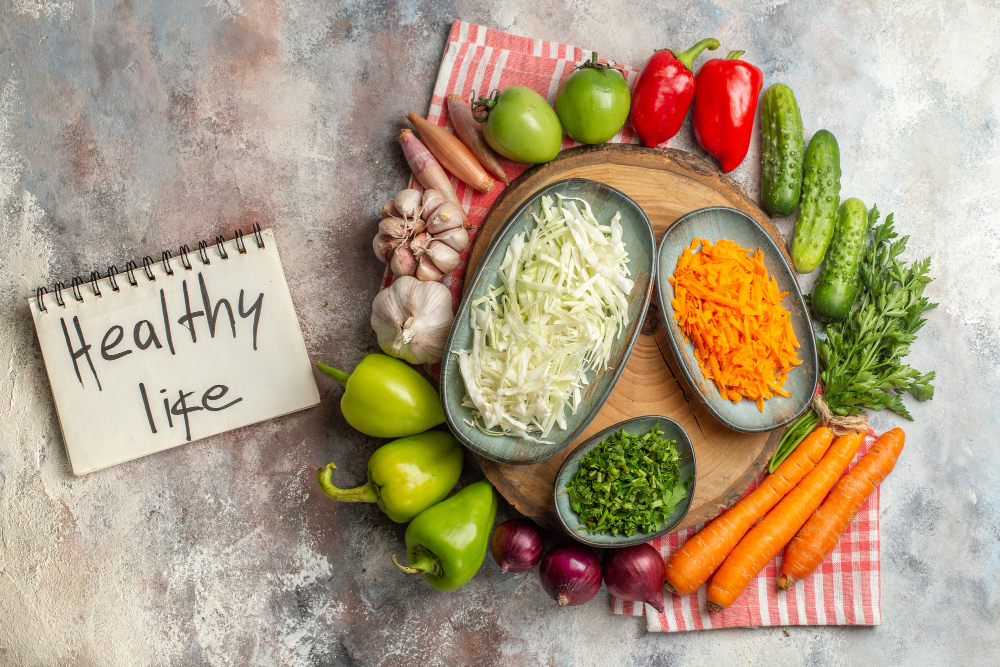
If certain foods cause bloating, gas or discomfort, it is not only about how much is consumed. It might also be which carbs the digestive system has difficulty processing.
This is where the low FODMAP diet comes into play. Developed by experts at Monash University, it is mainly used to relieve digestive issues in people with irritable bowel syndrome (IBS). The key feature of the diet is that it doesn’t require permanent food elimination; instead, it involves a short-term elimination followed by gradual reintroduction based on a person’s needs [1,2].
But what exactly are FODMAPs, and which foods are suitable for beginners? Here is a simple guide to getting started.
What Are FODMAPs?

FODMAP stands for fermentable oligosaccharides, disaccharides, monosaccharides, and polyols. FODMAPs are certain short-chain carbohydrates and sugar alcohols that are poorly absorbed or incompletely absorbed in the small intestine.
When they reach the large intestine, gut bacteria ferment them. Some FODMAPs can also draw water into the intestine because of their osmotic effects. These changes may contribute to bloating, abdominal discomfort, gas, or altered bowel habits in some people, particularly those with IBS. However, not everyone experiences symptoms after consuming FODMAPs. [2,3]
The common FODMAP groups are:
- Fructose: A sugar that is found in honey and certain fruits but is present in excess amounts
- Lactose: The sugar found in milk and dairy products
- Fructans: Found in foods like wheat, onion, and garlic
- Galacto-oligosaccharides (GOS): Found in many beans and legumes
- Polyols: Sugar alcohols like sorbitol and mannitol, which are present in fruits and vegetables
What is important to mention is that FODMAP foods are not, in themselves, unhealthy foods. Certain high FODMAP foods contain some relevant sources of fiber, vitamins, and minerals. The purpose of this diet is to identify the triggers for the person instead of cutting them out altogether. [1]
Who May Benefit From A Low FODMAP Diet?

The low-FODMAP diet is mainly suggested for people suffering from IBS, which is diagnosed by medical professionals. If symptoms such as bloating, pain in the abdominal area, diarrhea, and constipation persist despite diet changes, it may help. [1,3]
Studies show that the low FODMAP diet has a positive effect on reducing symptoms of IBS in many people; however, it might not be necessary or useful for everyone with digestive problems.
If you regularly experience unexplained bloating, abdominal pain, diarrhoea, constipation, blood in the stool, unexplained weight loss, or other persistent digestive symptoms, speak with a healthcare professional rather than starting an elimination diet on your own.
How Does The Low FODMAP Diet Work?

A widespread myth about the low FODMAP diet is that it involves avoiding carbohydrates for life. The truth is that there are three simple steps to it.
The first step is reducing FODMAPs short-term:
In the first step, foods containing high FODMAPs have to be replaced with those that contain low ones. According to Monash University, one should follow this phase for two to six weeks only, not forever. It aims to find out if digestive problems have been alleviated [1].
The second step is reintroducing FODMAPs:
If symptoms have lessened, then the groups of FODMAPs are gradually reintroduced to the diet. The implementation of this stage is needed to see how much of certain FODMAPs people can tolerate, as they have different tolerances.
The third step is personalisation of the diet:
In the last stage of the low FODMAP diet, foods that have been tolerated during the previous stages are allowed back into the diet, which means that it is now possible to have various meals [1].
Low FODMAP Food Chart For Beginners
The chart below shows some examples. Serving size matters, and the FODMAP content of some foods can change depending on portion size, preparation and processing [1,2]
| Food group | Lower-FODMAP choices | Higher-FODMAP examples |
| Fruits | Kiwi, orange, mandarin, pineapple, strawberries, cantaloupe | Apple, pear, mango, cherries, peaches, plums, watermelon, dried fruit |
| Vegetables | Carrot, cucumber, potato, eggplant, lettuce, green beans, bok choy | Onion, garlic, asparagus, artichoke, mushrooms, green peas |
| Dairy | Lactose-free milk, hard cheeses, feta, brie/camembert | Regular milk, ice cream, custard, some yoghurt |
| Grains | Oats, rice, quinoa, rice noodles, suitable gluten-free products | Wheat and barley-based breads and cereals |
| Protein | Eggs, plain chicken, fish, meat, firm tofu, tempeh. | Some marinated or processed meats containing high-FODMAP ingredients |
| Nuts & seeds | Peanuts, walnuts, pumpkin seeds, macadamias | Cashews, pistachios |
| Sweeteners | Table sugar, maple syrup | Honey, high-fructose corn syrup, sorbitol, mannitol, xylitol and maltitol |
FODMAP content varies with serving size, food variety, ripeness, processing and preparation. The foods listed are general examples, not unrestricted portions. Refer to the latest Monash University FODMAP database or consult a trained dietitian for specific serving recommendations [2].
What Can You Eat on a Low-FODMAP Diet?

Going on a low FODMAP diet does not mean you have to eat bland food. It is possible to have a healthy diet that incorporates food such as rice, oats, quinoa, potatoes, eggs, fish, chicken, tofu, and low FODMAP fruits and vegetables.
A simple example of a low FODMAP diet would be:
- Breakfast: Oatmeal prepared with lactose-free milk, kiwifruit, and a bit of peanut butter.
- Lunch: Rice or quinoa with grilled chicken, carrot, cucumber, and lettuce.
- Snack: An orange, strawberries, or lactose-free yogurt.
- Dinner: Grilled fish or tofu with potatoes and suitable vegetables.
Flavor can also be provided by herbs, spices, and the right sauces. The use of garlic-infused oil is advantageous since garlic flavors pass into oil, but the substances responsible for the negative effect do not enter oil. However, all sauces and marinades should be checked for onions, garlic, honey, etc. [5].
Is A Low FODMAP Diet The Same As A Gluten-free Diet?

No.
Although foods with wheat are eliminated in the low-FODMAP phase because wheat is known to include fructans, FODMAPs and gluten can be considered different types of substances.
Those who follow the low-FODMAP diet do not have to avoid gluten altogether; likewise, some gluten-free foods contain high FODMAP content.
Therefore, choosing foods based solely on a “gluten-free” label is not enough when following a low FODMAP approach. [2,5]
Common Mistakes Beginners Should Avoid

The first error is the perception that the low FODMAP diet is a permanent prohibition on eating certain foods.
Other common mistakes include:
- Removing too many foods from the diet at all
- Ignoring portions
- Sticking to the strict elimination phase longer than necessary
- Believing that every digestive symptom has been caused by FODMAPs
- Relying on random food charts on the internet instead of paying attention to the amounts of food consumed
- Not reintroducing foods after returning to normal.
A qualified specialist in gastrointestinal nutrition will help to make this process much simpler by avoiding unnecessary dietary restrictions. [1]
Does Everyone With IBS Need A Low FODMAP Diet?
Not at all. The management of IBS is a highly individual process, and some patients might benefit from increasing the amount of soluble fiber consumed, changing the meal pattern, eliminating problem foods, or addressing other lifestyle factors. [3]
The low FODMAP diet can be best seen as a structured method of identifying food intolerances.
The Bottom Line
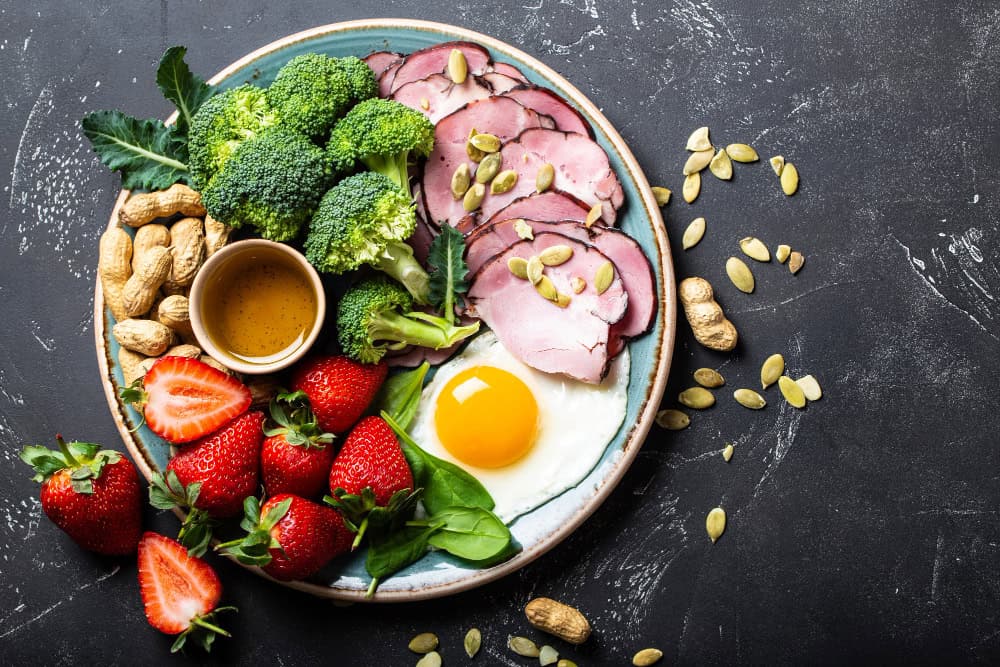
A low-FODMAP diet may help manage bloating, abdominal pain and bowel changes in some people with IBS. It involves temporarily reducing high-FODMAP foods, gradually reintroducing them and personalising the diet based on individual tolerance.
If you have persistent or unexplained digestive symptoms, consult a doctor and consider celiac disease assessment before making major dietary changes. Avoid unnecessary long-term restrictions and consider guidance from a registered dietitian or nutritionist to maintain a balanced diet.
FAQs
Q. What happens when you’re on a FODMAP diet?
Basically, the low-FODMAP diet is a process that eliminates poorly absorbed fermentable carbohydrates from the diet to manage IBS symptoms.
Q. Is low FODMAP beneficial for IBS?
Some people can experience a fall in symptoms such as bloating, pain in the area of the abdomen, diarrhoea, and constipation. The diet is better followed with the help of a healthcare provider or a trained dietitian.
Q. Can you stick to a low FODMAP diet forever?
No. The low FODMAP diet is not lifelong, and foods that were excluded at the beginning of the diet should be reintroduced gradually.
Q. Are bananas low in FODMAP?
Bananas’ FODMAP content can be affected by factors like ripeness and portion size. The FODMAP level varies too, so ensure you refer to an up-to-date, well-researched food database for the given serving size.
Q. Is rice a low FODMAP food?
Rice, along with foods that contain rice, is often regarded as a useful low-FODMAP staple and can comprise part of a meal.
Q. Is dairy consumption allowed if following a low FODMAP diet?
Some dairy products are allowed. In particular, lactose-free drinks and some aged cheeses can be consumed, while other dairy products may still be rich in lactose content.
Q. Can somebody expect that following a low FODMAP diet will cure IBS?
No. The diet is just a method that helps manage symptoms and helps people identify their intolerances.
Q. Should I start a low FODMAP diet by consulting a medical professional?
It is advisable to get a professional opinion, especially if you have not been diagnosed with IBS yet.
(The article is written by Deepa Sarkar, Senior Medical Writer, and reviewed by Monalisa Deka, Deputy Manager, Clinical Health & Content, Medical Affairs)
References
1. Monosaccharides FOD. Monashfodmap.com. [cited 2026 Oct 8]. Treating ibs with a 3-step FODMAP diet. Available from: https://monashfodmap.com/documents/203/3-step_FODMAP_Diet_2026_A4_info_sheet.pdf
2. Magge S, Lembo A. Low-FODMAP diet for treatment of irritable bowel syndrome. Gastroenterol Hepatol (N Y). 2012;8(11):739–45.
3. National Institute of Diabetes and Digestive and Kidney Diseases [Internet]. NIDDK – National Institute of Diabetes and Digestive and Kidney Diseases; 2026 [cited 2026 Oct 8]. Eating, diet, & nutrition for irritable bowel syndrome. Available from: https://www.niddk.nih.gov/health-information/digestive-diseases/irritable-bowel-syndrome/eating-diet-nutrition%20