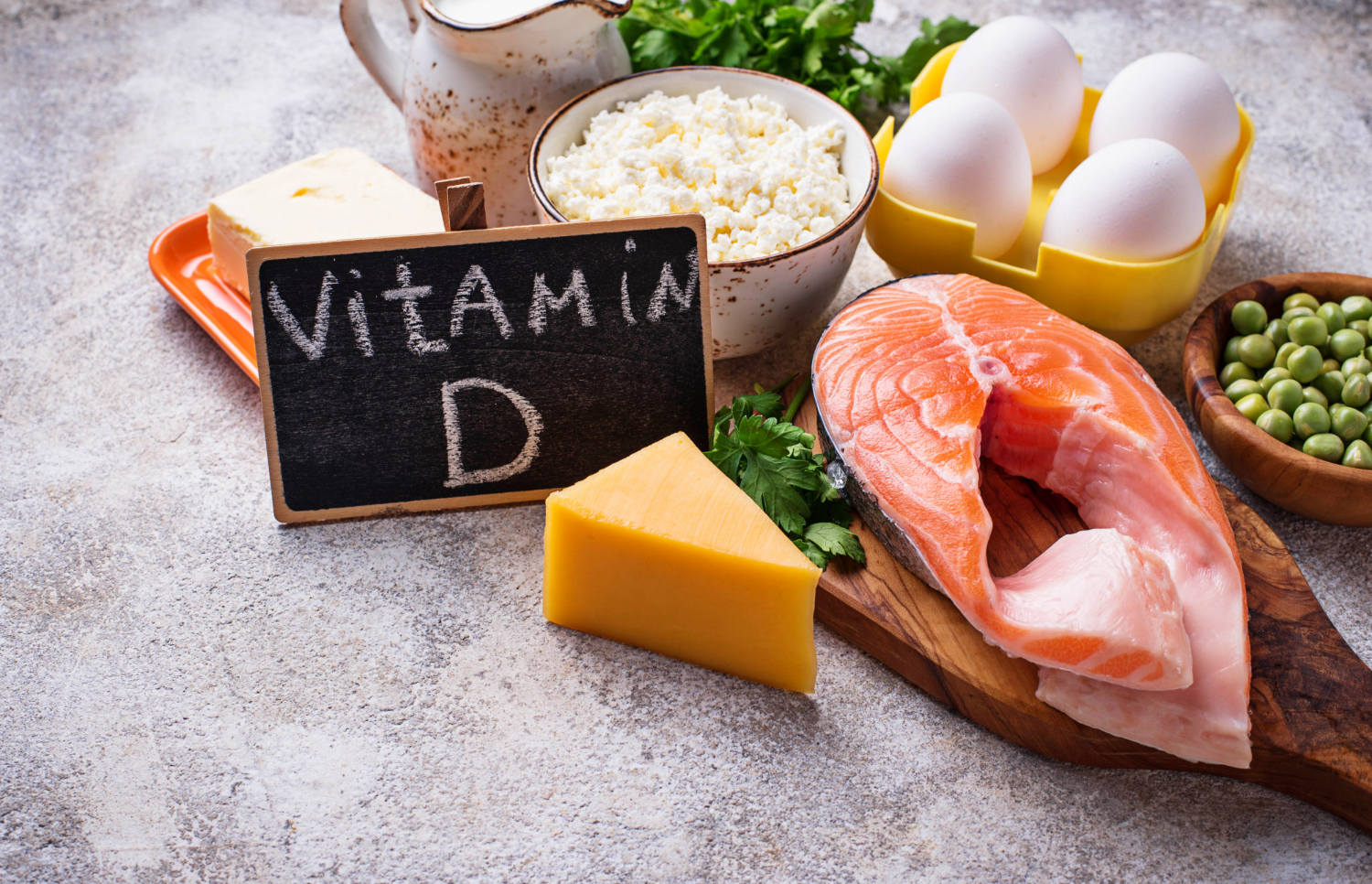
Your body needs vitamin D for more than just strong bones. It also supports your muscles, mood, immunity, and energy levels. Yet, many people don’t get enough of it. If you spend most of your time indoors, skip sunlight, or follow a limited diet, your vitamin D levels may quietly dip without you noticing.
You might feel tired often. Your bones may ache. You may even catch colds more easily. While sunlight is one of the best sources of vitamin D, food also plays a big role. The good news? You don’t need fancy supplements or expensive superfoods to improve your intake. Many everyday foods can help.
Here are some healthy foods rich in vitamin D that deserve a place on your plate.
1. Fatty Fish
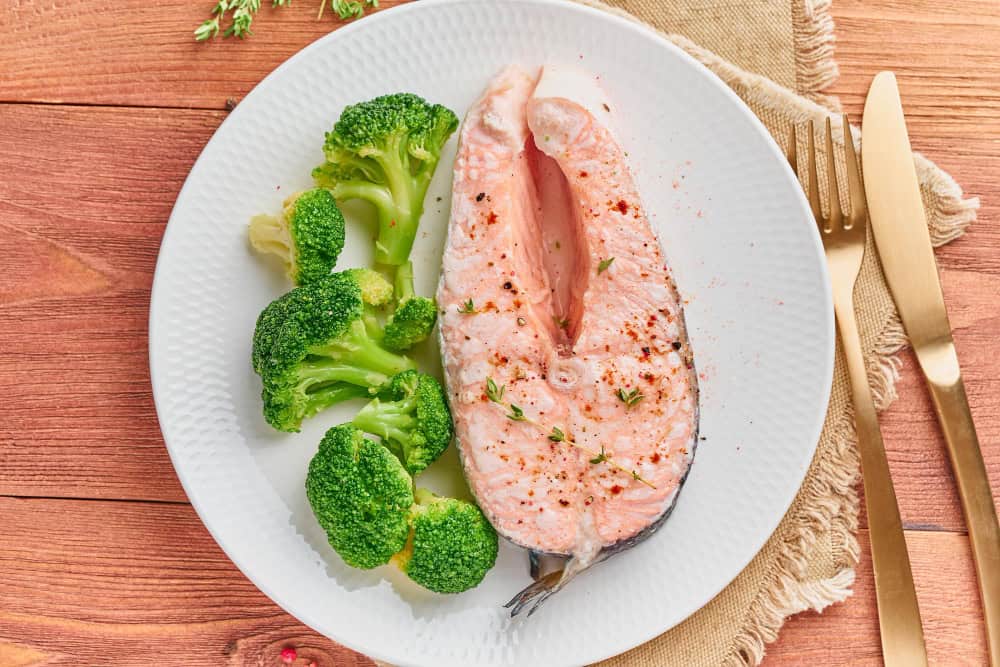
Fatty fish sit at the top of the vitamin D list. Fish like salmon, sardines, tuna, and mackerel naturally contain high amounts of this nutrient. They also provide healthy fats and protein, which makes them even more valuable for your health.
Salmon is one of the best choices. A single serving can give you a large portion of your daily vitamin D needs. Sardines are another smart option, especially if you want something affordable and easy to store.
If you’re not a big fish lover, don’t worry. Even adding fatty fish to your meals once or twice a week can make a difference.
2. Egg Yolks

Eggs are simple, filling, and easy to include in your daily meals. While the egg white contains protein, the yolk is where the vitamin D hides.
You can enjoy eggs in many ways. Boiled, scrambled, in parathas, or added to salads. They work well for breakfast, lunch, or even dinner when you don’t feel like cooking much.
People often avoid yolks, thinking they’re unhealthy, but having whole eggs in moderation is usually fine for most people.
3. Fortified Milk
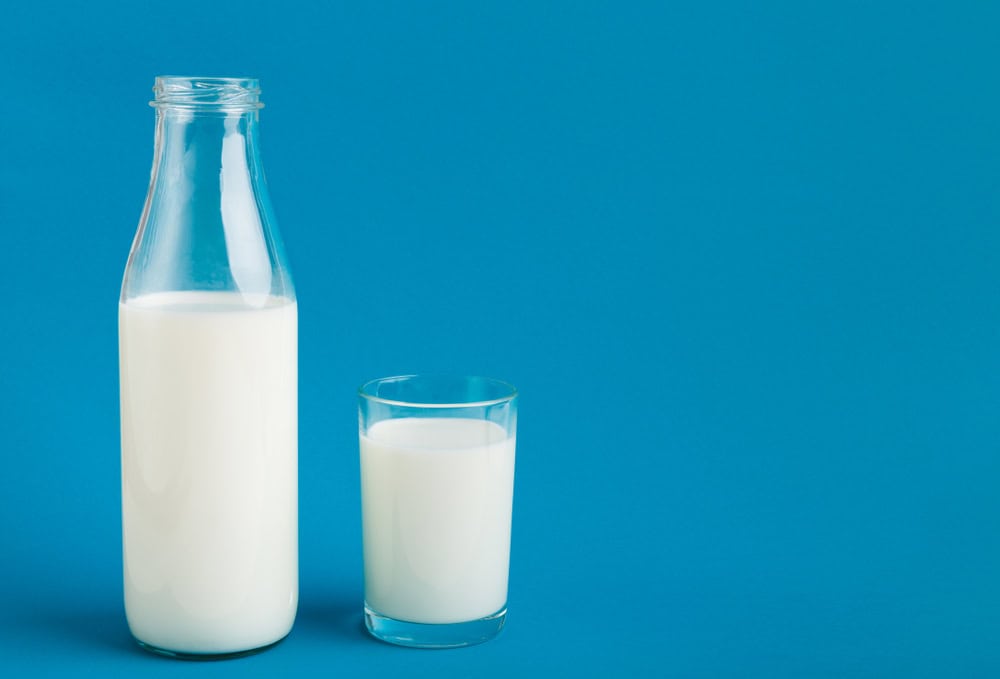
Many milk brands add vitamin D to their products. This is called fortified milk. It’s especially useful for people who don’t get enough sunlight or avoid fish.
A glass of milk in the morning may not seem like a big deal, but small habits add up over time. You can also use milk in oats, tea, smoothies, or soups.
If you’re lactose intolerant, check for fortified plant-based options like soy milk or almond milk.
4. Mushrooms
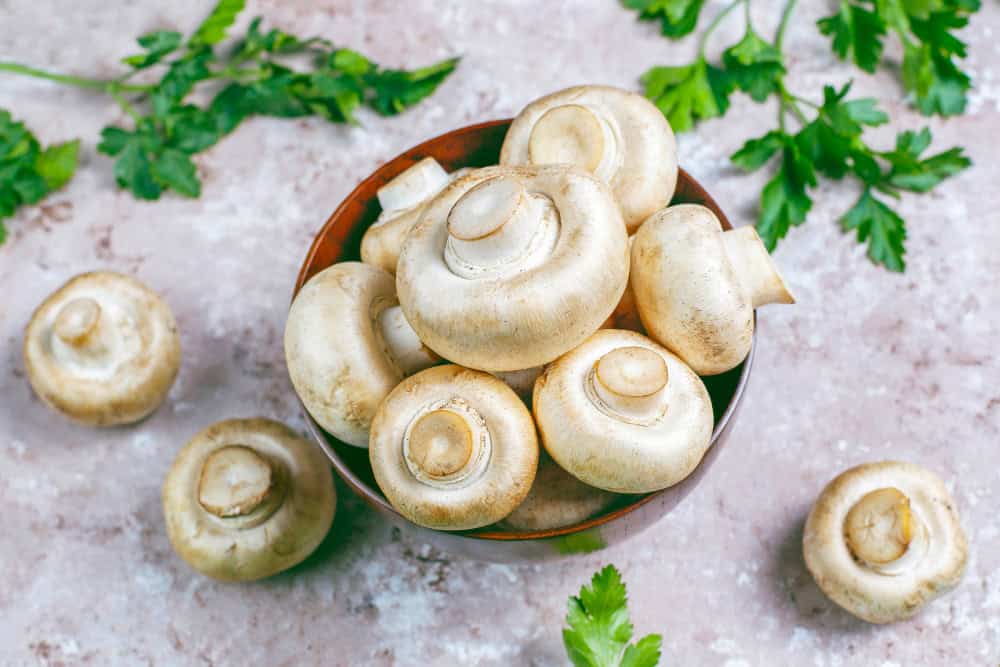
Mushrooms are one of the few plant foods that naturally contain vitamin D. Some mushrooms produce more vitamin D when exposed to sunlight, just like humans do. Strange but true.
They have a rich, earthy taste and fit easily into Indian cooking. You can add them to curries, pulao, stir-fries, sandwiches, or soups.
If you follow a vegetarian diet, mushrooms can be a helpful addition to your vitamin D intake.
5. Cheese

Cheese contains small amounts of vitamin D along with calcium and protein. While it’s not the richest source, it still contributes to your overall intake.
Paneer also works as a decent option in Indian meals. You can toss it into salads, wraps, or sabzis for a balanced meal.
Just try not to go overboard with processed cheese slices every day. Your taste buds may celebrate, but your body might not.
6. Cod Liver Oil
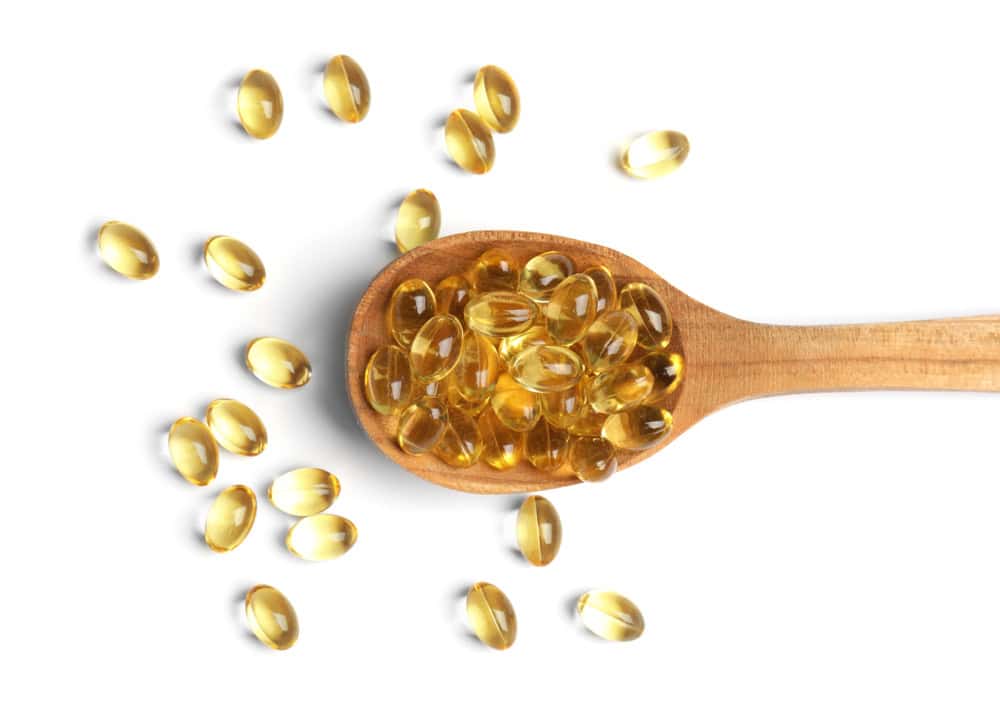
This one may remind you of childhood memories nobody asked for. Cod liver oil has been used for years as a vitamin D supplement because it contains very high amounts of the nutrient.
It also provides omega-3 fatty acids and vitamin A. Some people take it in liquid form, while others prefer capsules.
If you’re considering cod liver oil regularly, it’s best to avoid taking too much without medical advice since excess vitamin A may not be ideal.
7. Fortified Cereals

Some breakfast cereals come fortified with vitamin D. They can help increase your intake, especially on busy mornings when you barely have time to think, let alone cook.
Pair fortified cereal with milk, nuts, or fruits to make it more balanced and filling.
Always check the nutrition label because not all cereals contain added vitamin D. Some only bring sugar to the table.
8. Yogurt

Certain yogurt brands contain added vitamin D. Yogurt also supports gut health and digestion, making it a smart food overall.
You can enjoy it plain, with fruits, or as part of Indian meals like raita and lassi. During summer, chilled curd rice or a bowl of yogurt can feel comforting and light.
Look for fortified versions if you specifically want more vitamin D from yogurt.
9. Tofu
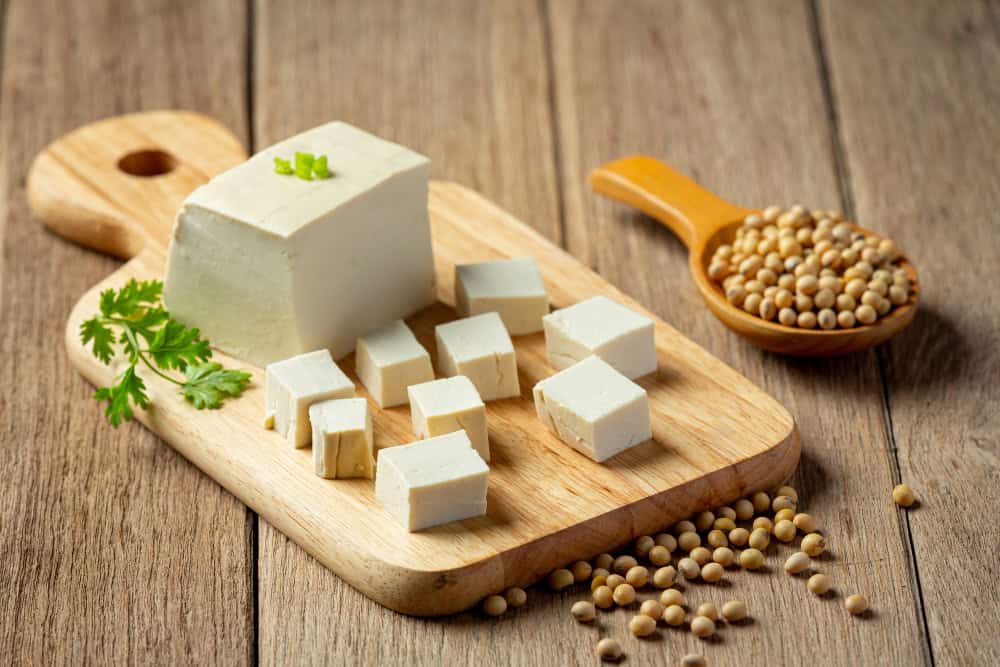
For vegetarians and vegans, tofu can be a useful option. Some tofu products are fortified with vitamin D and calcium, which makes them great for bone health.
Tofu absorbs flavors well, so it works in curries, stir-fries, wraps, and even grilled dishes.
If you’ve tried tofu once and hated it, give it another chance. Most bad tofu experiences come from poor seasoning, not tofu itself.
10. Orange Juice

Some packaged orange juices are fortified with vitamin D. This can help people who don’t consume dairy products.
It’s refreshing, easy to drink, and pairs well with breakfast. But don’t assume every juice carton contains vitamin D. Read the label before buying.
Also, fresh oranges are healthy too, but they naturally contain vitamin D only if the juice is fortified.
Why Vitamin D Matters So Much
Vitamin D helps your body absorb calcium properly. Without enough vitamin D, your bones may become weak over time. It also supports your immune system and muscle function.
Low vitamin D levels may lead to tiredness, bone pain, weakness, mood changes, and low energy. Some people don’t notice symptoms for a long time.
Modern lifestyles make deficiency more common than ever. Many people work indoors, avoid sunlight, or use sunscreen constantly. While protecting your skin matters, your body still needs some sunlight exposure.
A mix of healthy food, outdoor time, and regular movement may help maintain healthy vitamin D levels.
Can Sunlight Alone Be Enough?
Sunlight remains one of the best natural sources of vitamin D. Your skin produces vitamin D when exposed to sunlight, especially during the morning.
Still, depending only on sunlight may not work for everyone. Pollution, darker skin tones, covered clothing, and indoor routines can all affect vitamin D production.
That’s why food becomes important too. Think of it as teamwork between your plate and the sun.
FAQs
- Which fruit is rich in vitamin D?
Very few fruits naturally contain vitamin D. Some fortified orange juices may provide vitamin D if it has been added during processing.
2. What are the signs of vitamin D deficiency?
Common signs may include tiredness, weak bones, muscle pain, low mood, frequent illness, and low energy levels.
3. Is sunlight better than food for vitamin D?
Sunlight is one of the best natural sources of vitamin D, but food also helps support your intake, especially if you spend most of your time indoors.
4. Can vegetarians get enough vitamin D from food?
Vegetarians can get vitamin D from mushrooms, fortified milk, yogurt, cereals, tofu, and supplements if needed.
5. How much vitamin D do you need daily?
The daily requirement depends on your age, health, and lifestyle. It’s best to consult a doctor for the right amount for your needs.
6. Are eggs a good source of vitamin D?
Yes, egg yolks contain vitamin D along with protein and healthy fats.
7. Which fish has the highest vitamin D?
Fatty fish like salmon, sardines, tuna, and mackerel are considered some of the richest natural food sources of vitamin D.
8. Can low vitamin D affect mood?
Some studies suggest low vitamin D levels may be linked with mood changes and low energy in certain people.