
Being a mom is such a wonderful experience, but it also comes with a lot of responsibility. You need to care for your baby and yourself. During pregnancy, eat a nutrient-rich diet to help your body support your baby’s growth.
One such helpful vitamin is known as folate, also known as vitamin B9. Folate is very important for cell reproduction, DNA synthesis, and the development of the brain and spinal cord. A mother needs to take sufficient folate before conception and during the initial months of pregnancy to avoid any problems like defects in the neural tube [1,2].
Moreover, Many everyday foods contain folate. Including these foods in your diet can help increase your folate intake during pregnancy. Let us discuss the top seven foods rich in folate so that you can add them to your diet and understand their relevance during pregnancy. But first, let’s understand what folate is and why it is so important during pregnancy.
Why Is Folate Important During Pregnancy?
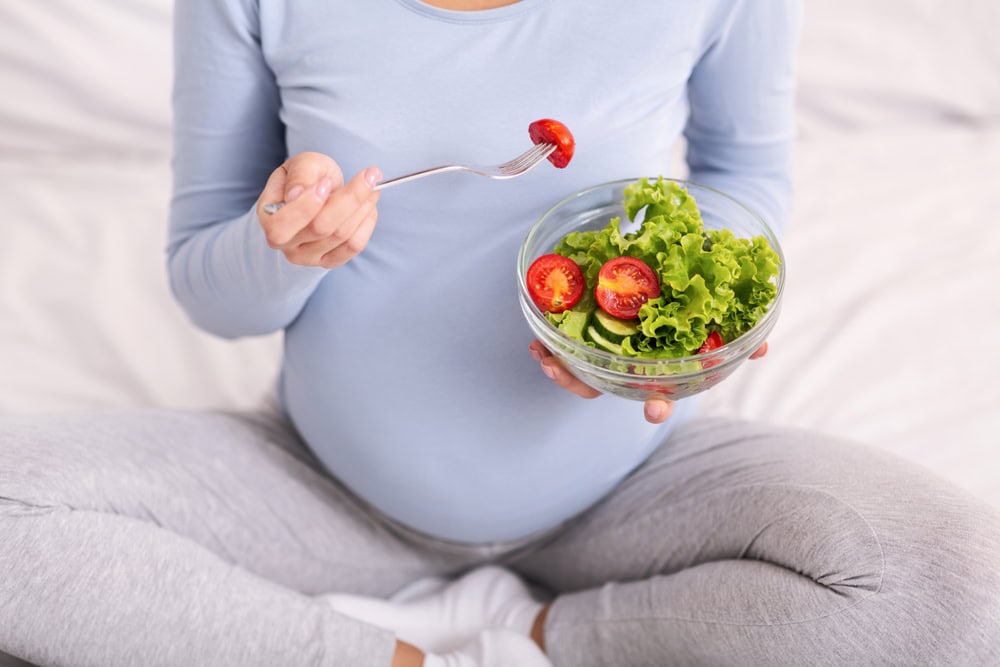
Folate is the natural form of vitamin B9 that is found in foods. Folic acid is the synthetic form of vitamin B9 used in supplements and fortified foods.
It is important during pregnancy for DNA formation, cell division, and the production of healthy red blood cells. It is particularly important in the early pregnancy stages, as this is the time when the brain and spinal cord start to develop [1,2].
ICMR-NIN’s Dietary Guidelines for Indians include green vegetables, lentils, and nuts among the foods rich in folate. Additionally, these guidelines highlight the necessity and relevance of folic acid supplements required in the first trimester of pregnancy [1].
The Indian Government’s Anemia Mukt Bharat program suggests that the intake of 400 micrograms of folic acid daily during the preconception and first trimester stages can reduce the chances of neural tube defects. The implementation of iron-folic acid supplementation is also recommended during pregnancy as per national guidelines [2,4].
Here are seven everyday foods to consider adding to your meals.
1. Spinach & Other Dark Green Leafy Vegetables
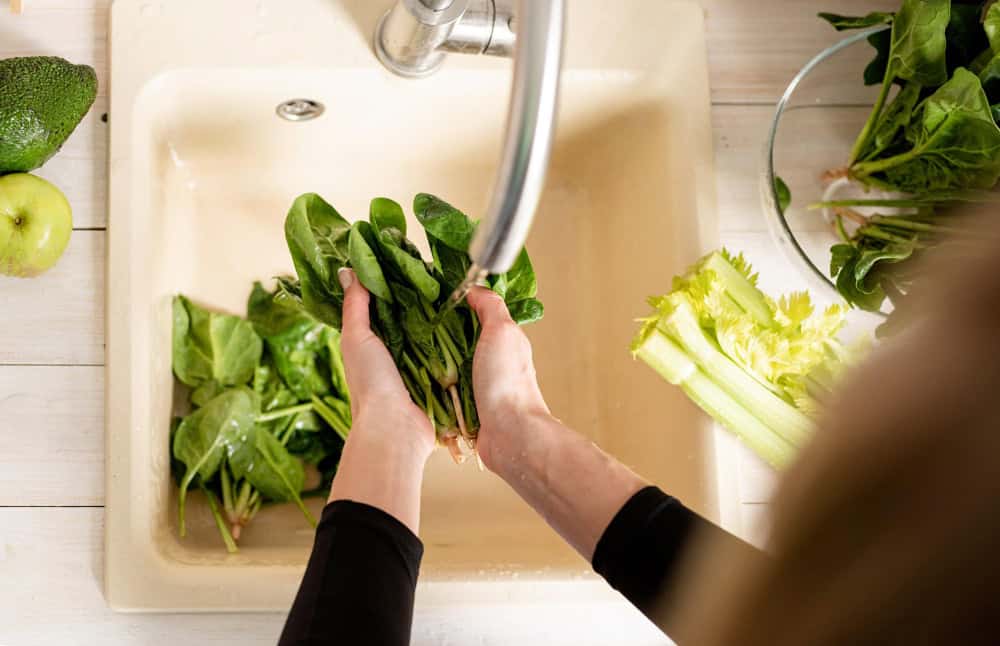
Spinach is a multipurpose food in Indian cooking and also a vital source of folate. Other sources of folate include chaulai, mustard greens, and methi leaves.
These leafy greens also provide fiber and a host of vitamins and minerals to your diet. You can improve the nutritional quality of your foods by adding a variety of leafy greens to your diet [1].
How to include them: You can try dishes like palak dal, methi paratha, sarson saag, and chaulai sabzi. Before cooking, ensure that the leaves are washed thoroughly.
2. Lentils & Everyday Dals
Dal is an excellent source of nutrients for a pregnant woman. Pulses contain folate as well as plant protein, fiber, and minerals.
For Indian homes, dal is an efficient and convenient way to incorporate nutrient-rich foods in the diet without altering daily meals. A diet including pulses, vegetables, and more is consistent with the guideline described in ICMR–NIN [1].
How to include them: Dal can be eaten with rice or chapati, made into khichdi, or just enjoyed as lentil soup. Proper soaking of pulses and cooking can enhance digestibility and texture.
3. Chickpeas & Chana
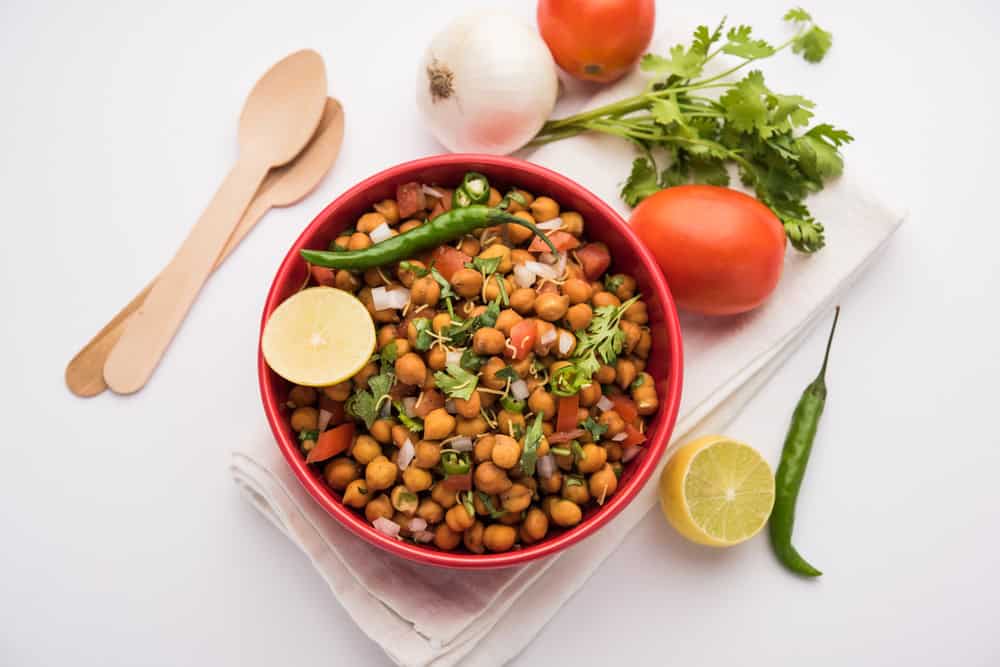
Chickpeas, also known as kabuli chana, and kala chana are great sources of folate, protein, and fiber that help in providing proper nutrition during pregnancy.
Vegetarians benefit greatly from chickpeas, which supply them with numerous plant-based nutrients. But be aware that different varieties have different amounts of folate, and cooking methods and serving sizes also make a difference.
How to include them: Chickpeas must be boiled before using. You may cook them as curry, chole, or salad in order to make them safe for consumption.
4. Rajma, lobia & More Beans
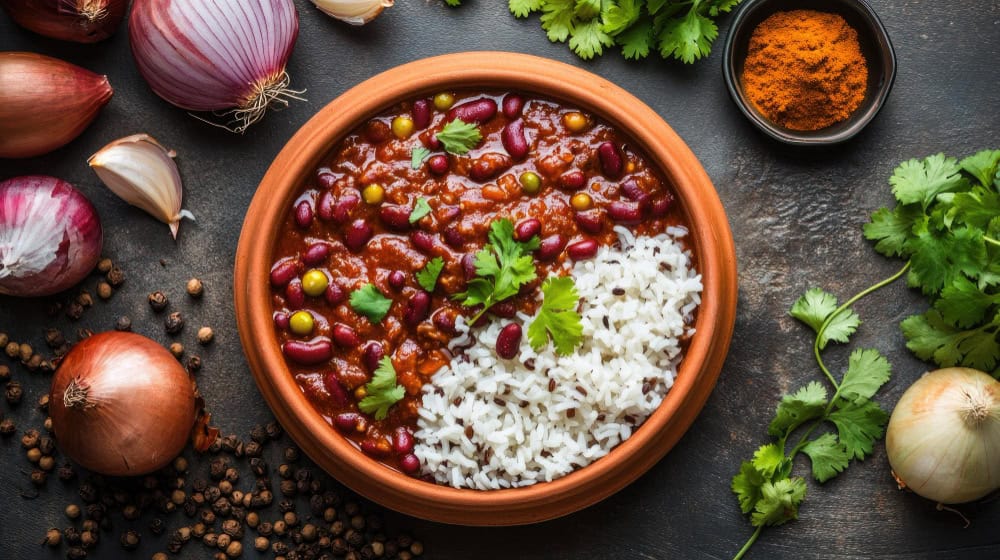
Rajma, lobia, and other beans are good sources of folate and, if consumed as part of a balanced diet, can add to your daily requirements. Rajma and lobia also have protein and fibre, which contribute to nutritional requirements.
These legumes help diversify Indian meals and can be included in several other Indian recipes rather than eating the same dals regularly. Various legumes are included among the different food groups mentioned in the guidelines for appropriate dietary habits recommended in India [1].
How to include them: Rajma can be served with rice, while lobia can be cooked in the form of curry or put in different vegetable dishes after being cooked well.
5. Peanuts, Groundnuts & Seeds
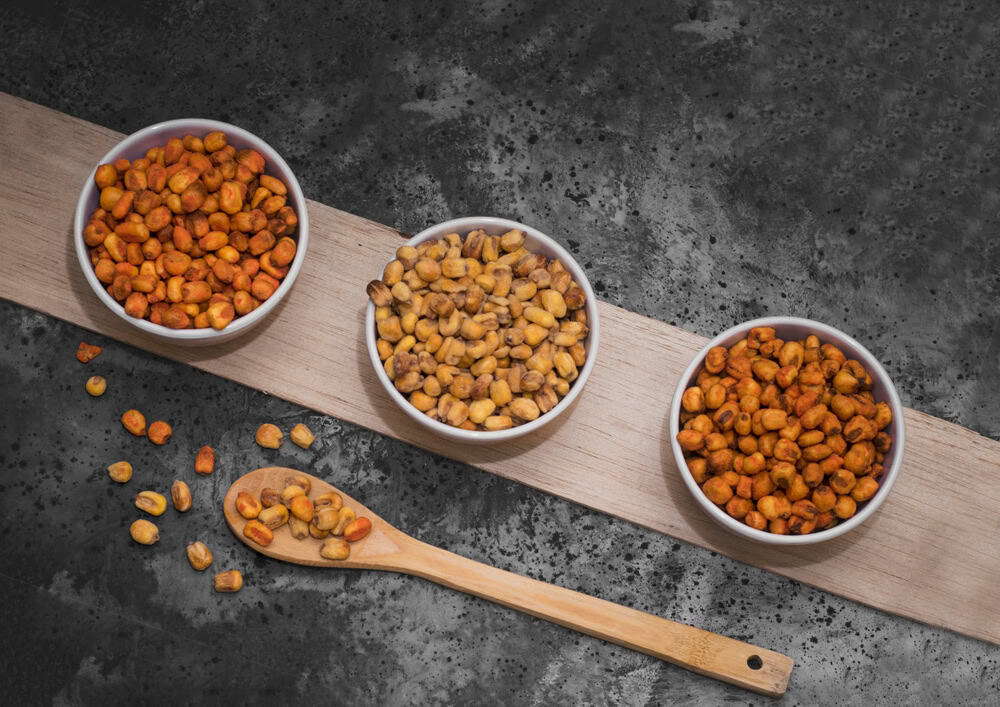
Peanuts, along with certain seeds, are a food source of folate and healthy fats.
According to the ICMR-NIN, nuts and seeds are among the sources of folate, although they are high in calories and therefore must be consumed in moderation [1].
How to include them: You can eat a few unsalted peanuts, sprinkle some groundnuts on any cooked vegetable preparation, or add seeds to cereals. Remember always to consume fresh and well-preserved products. Find out whether you have allergies to peanuts or seeds, and if so, consult your doctor.
6. Oranges, Mosambi & Guava
Citrus fruits and guava are a good source of folate, among other nutrients. Guava and citrus fruits are also rich in vitamin C that facilitates absorption of non-haem iron from plant products eaten together with the meal [3].
Even if fruits should not serve as the only source of folate in a diet, they can supplement green leafy vegetables and legumes whilst providing variety.
How to include them: Whole oranges should be consumed, whereas mosambi can be eaten as a snack and guava can be taken after washing. Juice generally contains much less fibre than whole fruit, but saying it contains no fibre is wrong
7. Eggs
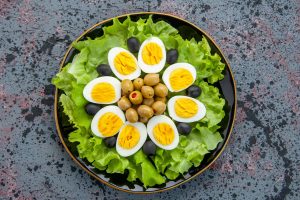
Eggs are another source of folate but also provide protein, vitamin B12, and other essential nutrients needed for a balanced diet. Eggs do contain folate; however, they cannot be considered a primary source of B9 vitamin.
Eggs can be very helpful for women who include them in their diet. Moreover, they can be a good addition to a woman’s diet depending on how many eggs she eats and what else is included in the diet.
How to include them: You can try boiled eggs, egg bhurji, or homemade egg curry. Cook eggs whenever possible during pregnancy, as only the firm egg white and yolk are safe.
Can Diet Alone Provide Sufficient Folic Acid During Pregnancy?

Although eating foods rich in folic acid is necessary, it cannot replace the need for folic acid supplements. Neural tube defects develop very early in pregnancy, before the woman knows she is pregnant. This is why it is essential to take folic acid before conception, commonly at least one month beforehand
According to the guidelines followed in India, the intake of folic acid is set at 400 mcg per day during the preconception period and until the end of the first trimester. Starting from the second trimester, the national programme for iron and folic acid supplementation advises pregnant women to take 500 mcg of folic acid along with 60 mg of iron, in line with the rules of the prescribed method [2,4].
Your doctor may recommend a different dose depending on your medical history and individual risk factors. Do not increase, reduce, or discontinue supplements without medical advice. Discover five vital supplements that may support your health and your baby’s development during pregnancy.
Tips to get more folate from your Indian diet
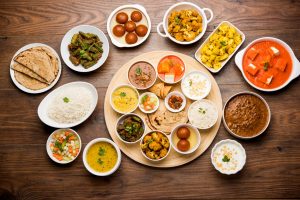
- Include variety: Rotate the vegetables and fruits you use throughout the week.
- Avoid excessive boiling: Cooking, particularly prolonged boiling, can reduce the folate content of foods.
- Practice good food hygiene: Wash all fruits and vegetables thoroughly. Then, prepare pulses, beans, and eggs to make sure you consume safe food.
- Pair foods wisely: Include vitamins in your diet together with plant foods (e.g., citrus fruits with iron-rich meals).
- Follow your antenatal care plan: Ask your doctor about folic acid and iron supplementation rather than relying on food alone.
Discover iron-rich foods to support your health and your baby’s development during pregnancy.
Conclusion

When you take care of yourself, you also take care of your baby. To enhance the health quotient of your pregnancy diet, include foods rich in folate like palak, dals, chana, beans, peanuts, fruits, and eggs.
But a balanced diet along with supplements is a must. Make sure to follow prenatal care requirements and seek your physician’s advice regarding your dietary requirements.
FAQs
Q. Which Indian food contains a higher amount of folate in the context of pregnancy?
Leafy green vegetables like spinach, lentils, chickpeas, beans, and peanuts are important sources of folate. Therefore, different types of foods should be consumed to raise folate levels in the body in order to be healthy and to avoid possible complications.
Q. How much folic acid should I take during pregnancy?
Indian national guidance recommends 400 mcg, which is supposed to be taken during preconception and in the course of the first trimester. Some additional recommendations on supplementation of iron along with folic acid will be given later in pregnancy [2,4]. However, it is better to consult a doctor to get instructions regarding the specific situation.
Q. When should I start taking folic acid?
It is better to start taking folic acid before conception takes place, as the neural tube is formed at the very beginning of pregnancy. Therefore, it is suggested to ask a doctor for advice in order to be sure a woman follows the right recommendations.
Q. Is folate similar to folic acid?
Both of them are types of vitamin B9. While folate is present in food, folic acid is found in dietary supplements and other products.
Q. Are vegetarians able to consume dietary sources of folate during pregnancy?
There are many sources of folate in a vegetarian diet, including leafy greens, lentils, beans, peas, peanuts, and other legumes. Even with these options, taking supplements is still important.
Q. Is it true that cooking can destroy some folate in food?
Yes, some of the folate can be destroyed by heat and water during cooking. Appropriate methods of cooking and reusing cooking liquid in dals & soups can minimize losses.
Q. Does folic acid prevent all kinds of birth defects?
No, adequate intake of folic acid only decreases the risk of neural tube defects, but it does not prevent every birth defect or guarantee an uncomplicated pregnancy.
Q. Should I use higher doses of folic acid for better results?
Higher doses are not always necessary or advisable. It may be needed for certain medical conditions or risk factors during pregnancy, but only under the guidance of your doctor.
(The article is written by Deepa Sarkar, Senior Medical Writer, and reviewed by Monalisa Deka, Deputy Manager, Clinical Health & Content, Medical Affairs)
References
1. Indian Council of Medical Research–National Institute of Nutrition. Dietary Guidelines for Indians [Internet]. Hyderabad: ICMR-NIN; 2024 [cited 2026 Oct 9]. Available from: https://nin.res.in/dietaryguidelines/pdfjs/locale/DGI_2024.pdf
2. Ministry of Health and Family Welfare, Government of India. Anemia Mukt Bharat: Operational Guidelines [Internet]. New Delhi: National Health Mission; [cited 2026 Oct 9]. Available from: https://ambabhiyaan.mohfw.gov.in/resource?category=Operational%20Guideline
3. Lynch SR, Cook JD. Interaction of vitamin C and iron. Ann N Y Acad Sci [Internet]. 1980;355(1):32–44. Available from: http://dx.doi.org/10.1111/j.1749-6632.1980.tb21325.x
4.Vikaspedia.in [Internet]. CDAC-Hyderabad; 2019 [cited 2026 Oct 9]. Anemia Mukt Bharat. Available from: https://agriculture.vikaspedia.in/viewcontent/health/health-campaigns/anemia-mukt-bharat?lgn=en
5. Food Safety and Standards Authority of India. Summary of Recommended Dietary Allowances for Indians: ICMR-NIN 2020 [Internet]. New Delhi: FSSAI; 2022 [cited 2026 Oct 9]. Available from: https://www.fssai.gov.in/upload/advisories/2020/01/5e159e0a809bbLetter_RDA_08_01_2020.pdf
This article is for general information and is not a substitute for medical advice.